Dharmendra based on NeemTime research
Who is Dharmendra (Biography / Personal Details)
Dharmendra, one of Hindi cinema’s most enduring stars, built a remarkable career by combining rugged action-hero appeal with romantic charm and finely timed comedy.
Born Dharam Singh Deol on 8 December 1935 in Nasrali, Punjab, he became widely known as Dharmendra and earned the affectionate nickname “Garam Dharam.”
He entered the film industry after winning a talent contest organised by Filmfare, which helped bring him from Punjab to Mumbai.
His acting debut came with Dil Bhi Tera Hum Bhi Tere in 1960, beginning a career that spanned more than six decades.
He rose to leading-man status with Phool Aur Patthar in 1966, a success that strengthened his image as a powerful new action star.
Rather than remain confined to one genre, he delivered acclaimed performances in serious dramas such as Satyakam and comedies such as Chupke Chupke.
His portrayal of Veeru in Sholay became one of Indian cinema’s most recognisable performances and helped make the film a lasting cultural phenomenon.
Dharmendra also became a prominent film producer and later entered politics, serving as a member of India’s Parliament from 2004 to 2009.
He died on 24 November 2025 in Mumbai at the age of 89, prompting tributes from film personalities, political leaders and admirers across India.
In 2026, India posthumously awarded him the Padma Vibhushan, one of the country’s highest civilian honours, recognising his lasting contribution to the arts.
Dharmendra Height, Appearance, Fitness & How to Get a Body Like Dharmendra
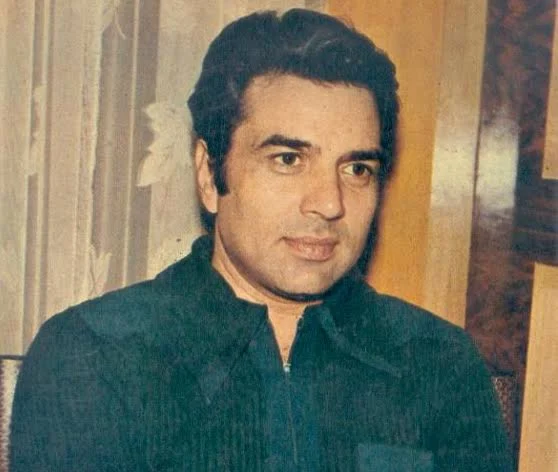
Dharmendra’s muscular physique and commanding screen presence helped establish the template for the Hindi-film action hero during the 1960s and 1970s.
His height is commonly reported as approximately 5 feet 10 inches, although a reliably verified official measurement is not readily available.
Broad shoulders, a strong build, expressive eyes and an easy smile made him equally convincing as a romantic lead and a tough action performer.
In films such as Phool Aur Patthar and Mera Gaon Mera Desh, his physical presence became an important part of his on-screen identity.
Unlike performers whose appeal depended mainly on elaborate styling, Dharmendra often projected a direct, athletic masculinity that suited both rural characters and urban heroes.
His later roles demonstrated that his screen appeal did not depend solely on youth or action scenes, as warmth and comic timing became increasingly important to his performances.
There is no sufficiently reliable public record establishing one specific workout plan or diet as the definitive secret behind his physique.
Anyone hoping to build a similarly strong body should focus on consistent resistance training, balanced nutrition, adequate sleep and gradual progress suited to their own fitness level.
A sensible routine can include strength exercises, cardiovascular activity, mobility work and rest days, with professional guidance for beginners or people with medical concerns.
Dharmendra’s enduring lesson as a screen presence is that fitness can support confidence and physical expression, but charisma also comes from posture, timing and individuality.
Dharmendra Family
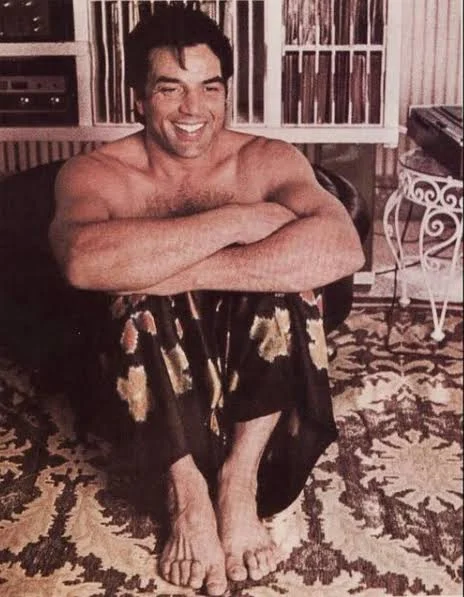
Dharmendra Family 5
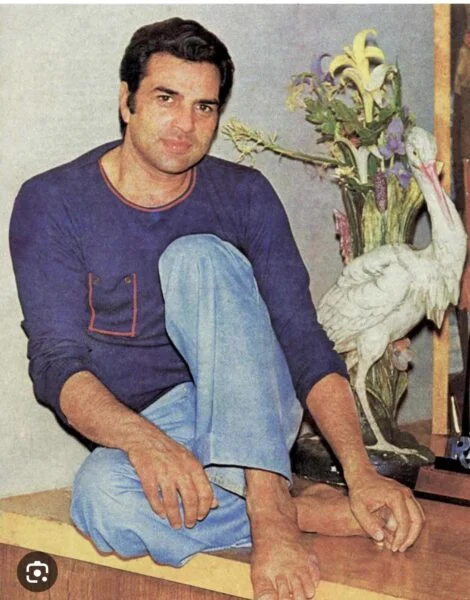
Dharmendra Family 4
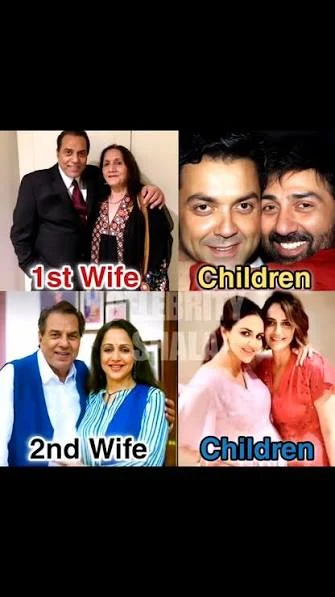
Dharmendra Family 3
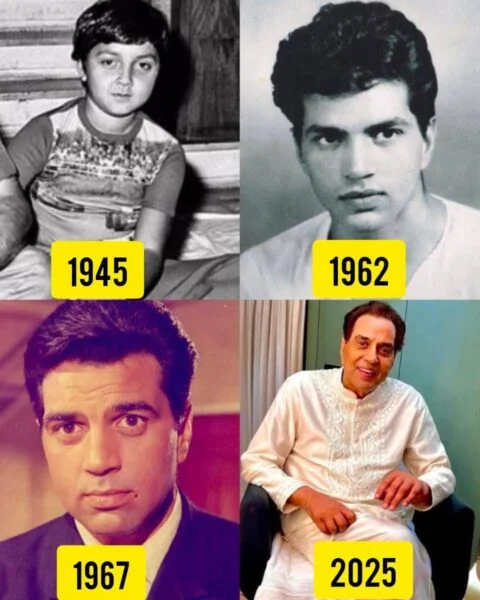
Dharmendra Family 2
Dharmendra Family
Early Life, Childhood, Education & Family Background of Dharmendra
Before becoming a major film star, Dharmendra grew up in rural Punjab in a family whose life was far removed from Mumbai’s film industry.
He was born on 8 December 1935 in Nasrali, a village in the Ludhiana district of Punjab, and was raised in a Punjabi household.
His father, Kewal Kishan Singh Deol, worked as a schoolteacher, making education and family responsibilities part of his early environment.
Dharmendra attended school in the Sahnewal area, where his father’s profession connected the family closely with local education.
Accounts of his childhood often describe his early fascination with cinema and his determination to pursue acting despite having no established film-industry connections.
Winning Filmfare’s talent contest provided a crucial opportunity, helping him travel to Mumbai and seek work in an intensely competitive industry.
His first film, Dil Bhi Tera Hum Bhi Tere, was released in 1960, but it took several years of varied roles before he became a major star.
Early appearances in films such as Bandini and Haqeeqat helped him gain experience while showing that he could work beyond conventional romantic roles.
The success of Phool Aur Patthar in 1966 marked a decisive career shift, giving him a stronger position as a leading man.
His journey from Punjab to national stardom became a central part of his public story, reflecting how an outsider could establish himself through persistence and screen appeal.
Personal Life Highlights of Dharmendra (Family Members)
Dharmendra’s family life connected two prominent branches of Hindi cinema, with several of his children becoming actors and public figures in their own right.
His first wife, Prakash Kaur, whom he married in 1954 before entering films, remained largely away from the public spotlight.
Their sons Sunny Deol and Bobby Deol both established successful acting careers, with Sunny known for action dramas and Bobby later experiencing a major career resurgence.
Their daughters, Vijeta Deol and Ajeeta Deol, have generally maintained more private lives than their actor brothers.
Dharmendra later married actress Hema Malini in 1980, and their relationship became one of Bollywood’s most discussed family stories.
The couple’s daughters, Esha Deol and Ahana Deol, followed different creative paths, with Esha acting in films and Ahana pursuing classical dance alongside other interests.
Esha married businessman Bharat Takhtani in 2012, and they have two daughters, Radhya and Miraya; the couple announced their separation in 2024.
Ahana married businessman Vaibhav Vohra in 2014, and they have three children, including twins.
Dharmendra was also the uncle and elder family figure within the wider Deol film family, which includes younger generations working in entertainment.
Despite the family’s public profile and the attention surrounding his marriages, several relatives have deliberately kept their everyday lives private, so details beyond confirmed public statements should be treated cautiously.
Dharmendra Partners, Relationships & Dating History
Dharmendra’s relationship history is unusually prominent in Bollywood history because his second marriage took place while his first marriage remained in place.
He married Prakash Kaur in 1954, when he was 19 and had not yet made his film debut.
After moving into cinema, he met Hema Malini while working with her on Tum Haseen Main Jawaan, released in 1970.
Their professional partnership developed across multiple films, and their on-screen chemistry became a recurring subject in entertainment coverage.
The pair appeared together in popular productions including Seeta Aur Geeta, Jugnu, Pratiggya and Sholay, strengthening their public association.
They married in 1980, while Dharmendra was still married to Prakash Kaur, and the decision attracted considerable public scrutiny.
Hema Malini later spoke publicly about the difficulty of the decision and said she sought to respect Dharmendra’s first family rather than displace it.
Prakash Kaur also addressed the controversy in a rare interview, defending Dharmendra as a father while acknowledging that he was not a perfect husband.
The circumstances of the second marriage prompted public speculation about religious conversion, but accounts of the legal and religious details have varied, so unsupported claims should not be repeated as settled fact.
Beyond these two marriages, there is no need to treat unverified rumours or alleged affairs as established relationships; the reliable public record centres on Prakash Kaur and Hema Malini.
Dharmendra Career Journey, Breakthroughs, Achievements & Awards
Dharmendra’s career lasted more than six decades, but his breakthrough came through a gradual climb rather than instant superstardom.
After winning a Filmfare talent contest, he made his screen debut in Dil Bhi Tera Hum Bhi Tere in 1960 and began taking a variety of supporting and romantic roles.
His performances in Bandini and the war film Haqeeqat helped establish him as a promising actor before his leading-man breakthrough.
The success of Phool Aur Patthar in 1966 made him a major star and strengthened his reputation for physical intensity and emotional appeal.
He later proved his dramatic range in Satyakam, directed by Hrishikesh Mukherjee, a performance frequently highlighted among his finest work.
In the 1970s, films such as Mera Gaon Mera Desh, Yaadon Ki Baaraat and Sholay cemented his place among Hindi cinema’s leading action stars.
He also demonstrated exceptional comic timing in Chupke Chupke, showing that his appeal extended well beyond action and romance.
In later decades, he appeared in ensemble dramas and family-oriented films, while Apne and Yamla Pagla Deewana brought him to the screen alongside members of the Deol family.
He received the Padma Bhushan in 2012 and was posthumously awarded the Padma Vibhushan in 2026 for his contribution to the arts.
Although his career included commercial disappointments as well as major hits, his range across action, comedy, romance and drama secured his status as one of Hindi cinema’s defining stars.
Current Life Highlights of Dharmendra (Career / Other Work)
Dharmendra’s story entered a new chapter after his death, as audiences revisited his films and his final performances reached viewers posthumously.
He died in Mumbai on 24 November 2025, aged 89, shortly before his 90th birthday, bringing an end to a career that had spanned more than six decades.
His death prompted tributes from actors, filmmakers, political figures and fans who remembered both his screen charisma and his long contribution to Indian cinema.
His final screen appearance in the period war drama Ikkis arrived in cinemas on 1 January 2026, introducing a new generation of viewers to one of his late-career performances.
In the film, directed by Sriram Raghavan, he played Brigadier Madan Lal Khetarpal, the father of Second Lieutenant Arun Khetarpal, a real-life recipient of the Param Vir Chakra.
The release gave audiences a chance to see Dharmendra in a serious supporting role rather than the action-hero persona that had defined much of his earlier career.
His 2023 performance in Rocky Aur Rani Kii Prem Kahaani had already reminded viewers of his ability to bring warmth and emotional complexity to an ensemble film.
His appearance in Teri Baaton Mein Aisa Uljha Jiya in 2024 further showed that he continued taking on mainstream cinema roles late in life.
India’s decision to confer the Padma Vibhushan on him posthumously in 2026 added a major national honour to the recognition he had received during his lifetime.
As of October 2026, Dharmendra’s current public legacy is centred on his filmography, archival appearances, tributes and the continuing popularity of his best-known performances rather than new personal projects.
Dharmendra Most Popular Movies, TV Shows, Media Appearances & Other Work
Dharmendra’s filmography stands out because few Hindi-film stars moved so comfortably between intense drama, action, romance and comedy.
Sholay (1975), in which he played Veeru opposite Amitabh Bachchan’s Jai, remains his most widely recognised film and a landmark of Indian popular cinema.
In Phool Aur Patthar (1966), his performance helped establish him as a major leading man and strengthened his reputation as an action star.
His role in Satyakam (1969), directed by Hrishikesh Mukherjee, revealed a more introspective performer and is often regarded as one of his finest dramatic achievements.
Chupke Chupke (1975) showcased his comic timing as a professor whose playful deception drives the film’s central humour.
In Mera Gaon Mera Desh (1971), he helped popularise the action-oriented rural drama that became an important part of his screen identity.
Yaadon Ki Baaraat (1973) became a notable entry in the multi-hero action genre, while Seeta Aur Geeta (1972) was among his successful collaborations with Hema Malini.
His later films included Apne (2007), which brought him together with sons Sunny and Bobby Deol in a family sports drama.
He also appeared in Johnny Gaddaar (2007) and Life in a… Metro (2007), taking on roles that connected him with a different generation of filmmakers and performers.
Among his late-career appearances, Rocky Aur Rani Kii Prem Kahaani (2023), Teri Baaton Mein Aisa Uljha Jiya (2024) and the posthumously released Ikkis (2026) introduced his work to contemporary audiences.
Dharmendra Most Popular News, Controversies, Career Debates / Why Dharmendra Is Popular
Dharmendra’s popularity has endured partly because his career combined beloved performances with personal and political decisions that repeatedly attracted public debate.
His 1980 marriage to Hema Malini, while he remained married to Prakash Kaur, became one of the most discussed relationship stories in Hindi-film history.
The circumstances of that marriage led to claims and speculation about religious conversion, but reports have differed and disputed details should not be presented as definitively established.
Dharmendra’s entry into politics created another major debate when he joined the Bharatiya Janata Party and contested the 2004 Lok Sabha election from Bikaner, Rajasthan.
He won the seat but faced criticism over his limited attendance in Parliament and questions about how frequently he engaged with his constituency.
During the campaign, his remarks about needing a “dictator” to enforce civic discipline drew criticism because they appeared at odds with democratic political principles.
He served one term, from 2004 to 2009, and did not contest again, later expressing dissatisfaction with his experience of politics.
His physical transformation into a celebrated action star also became a recurring part of his public image, earning him the nickname “He-Man” of Hindi cinema.
The popularity of Sholay brought a different kind of attention, with Veeru’s comic bravado and emotional friendship with Jai becoming a lasting part of Indian film culture.
His death in November 2025 and posthumous Padma Vibhushan in 2026 renewed discussion of his legacy, balancing his celebrated performances with the more complicated aspects of his public life.
Dharmendra Known Unknown Facts, Trivia + People Also Ask / Search & Answers
Dharmendra’s career contained striking contrasts: he was celebrated as a tough action hero, yet some of his most admired performances depended on vulnerability and comic subtlety.
He won a Filmfare talent contest before his film debut, giving him an important early opening into an industry where he had no established family foothold.
His performance in Satyakam is often singled out by film enthusiasts as evidence that his dramatic abilities extended far beyond his famous action roles.
He played Veeru in Sholay, a character remembered not only for comedy and romance but also for the friendship at the heart of the film.
His family became a multigenerational film name, with sons Sunny and Bobby Deol pursuing acting careers and his daughter Esha Deol also entering cinema.
Dharmendra served as a Member of Parliament for Bikaner between 2004 and 2009, a relatively brief chapter in a career dominated by acting.
He received the Padma Bhushan in 2012 and the Padma Vibhushan posthumously in 2026, reflecting national recognition across different stages of his life.
How old was Dharmendra when he died? He was 89 when he died on 24 November 2025, just over two weeks before his 90th birthday.
What was Dharmendra’s height? His height is commonly reported as around 5 feet 10 inches, but this should be treated as an estimate rather than an officially verified measurement.
What was Dharmendra’s last film? Ikkis, released on 1 January 2026, was a posthumous release featuring him as Brigadier Madan Lal Khetarpal.