Dara Singh based on NeemTime research
Who is Dara Singh (Biography / Personal Details)
Dara Singh became a national icon by conquering two very different arenas: professional wrestling and Indian cinema.
Born Deedar Singh Randhawa on November 19, 1928, in Dharmuchak village in Punjab, he rose from a farming background to international sporting fame.
He was celebrated for his enormous strength, imposing physique and victories over prominent wrestlers from India and abroad.
In 1968, he defeated American wrestling champion Lou Thesz in Mumbai to claim a world championship title.
His popularity extended beyond the wrestling ring when he began appearing in Hindi and Punjabi films during the 1950s.
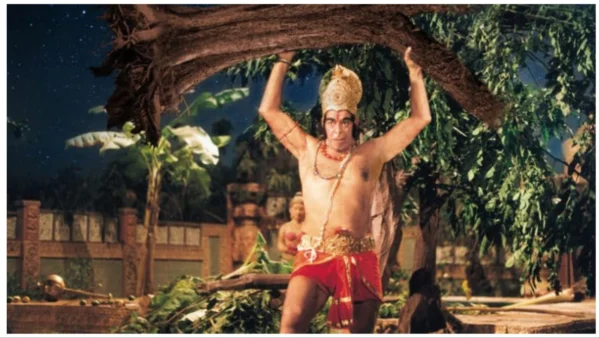
Audiences later embraced him as Hanuman in Ramanand Sagar’s television epic Ramayan, a role that made him a familiar figure in Indian homes.
He also produced and directed films, built a film studio in Punjab and entered public service.
In 2003, he became a nominated member of India’s Rajya Sabha, serving until 2009.
His honours included the Padma Shri in 1996 and a posthumous induction into the WWE Hall of Fame’s Legacy wing in 2018.
Dara Singh died in Mumbai on July 12, 2012, aged 83, but his wrestling legacy and screen portrayal of Hanuman remain central to his public memory.
Dara Singh Height, Appearance, Fitness & How to Get a Body Like Dara Singh
Dara Singh’s imposing build was not simply a screen image; it was the physical foundation of his success as a professional wrestler.
His height is commonly reported as 6 feet 2 inches, approximately 1.88 metres, although this figure comes from biographical records rather than a modern official measurement.
He was also described as weighing around 127–130 kilograms during his wrestling years, though reported figures vary across sources and periods of his life.
His broad chest, powerful arms and muscular frame helped establish him as one of India’s most recognisable sporting figures.
Unlike modern bodybuilding celebrities, Singh developed his physique through traditional Indian wrestling, known as pehlwani, alongside professional wrestling training.
Pehlwani traditionally combines grappling practice, strength exercises, conditioning and discipline, often within a training environment called an akhara.
His public image also reflected the rural Punjabi culture in which traditional wrestling and physical strength carried considerable social prestige.
Anyone hoping to build strength can take inspiration from the principles of consistency, progressive training, recovery and appropriate nutrition rather than copying his body size.
Modern resistance training, cardiovascular exercise and balanced meals can support fitness, with routines adapted to individual health and ability.
There is no verified basis for claiming that a single food, supplement or exact daily routine created Singh’s physique, so such claims should not be treated as established facts.
Dara Singh Family
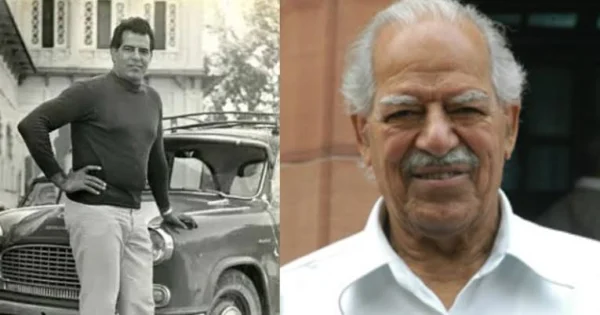
Dara Singh Family 5
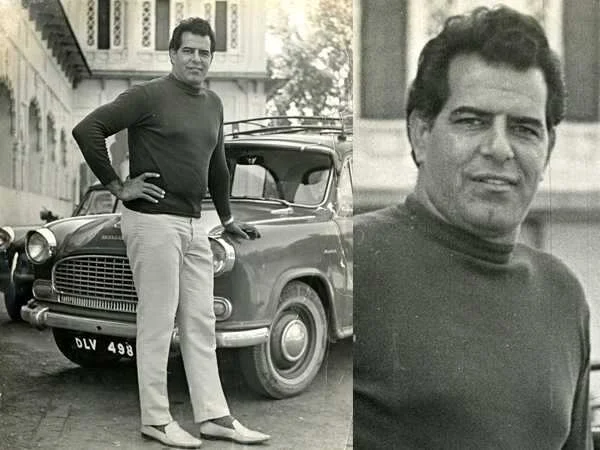
Dara Singh Family 4
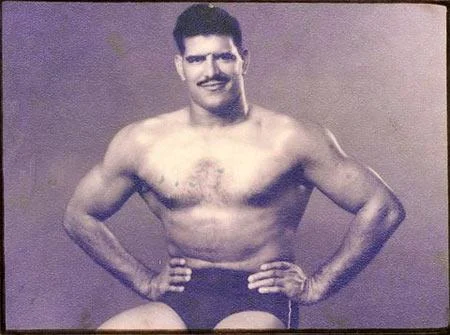
Dara Singh Family 3
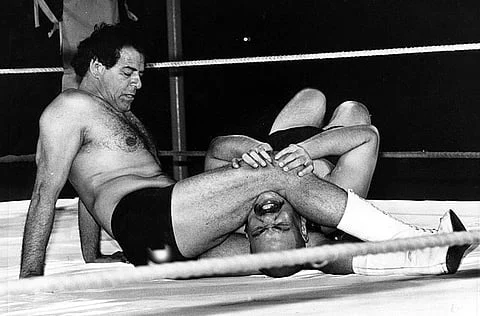
Dara Singh Family 2
Dara Singh Family
Early Life, Childhood, Education & Family Background of Dara Singh
Dara Singh’s rise from a Punjab village to international fame began in a farming family where physical work was part of everyday life.
He was born Deedar Singh Randhawa on November 19, 1928, in Dharmuchak village in the Amritsar district of Punjab, then under British rule.
His father, Surat Singh Randhawa, was a farmer, and his mother was Balwant Kaur.
He grew up in a Punjabi Jat Sikh family and was encouraged to develop the strength and discipline that later helped him in wrestling.
Rather than pursuing extended formal education, he left school early and worked on the family farm.
As a young man, he travelled to Singapore in the late 1940s in search of work and new opportunities.
There, he worked in jobs including factory and security work while developing his wrestling skills.
He trained in pehlwani and began competing internationally, gaining experience in a sporting world that was unfamiliar to many Indian audiences at the time.
His early wrestling success helped him move from employment into a full-time career as a professional athlete.
The combination of rural upbringing, traditional training and overseas experience shaped the disciplined, physically imposing performer who later became a film star.
Personal Life Highlights of Dara Singh (Family Members)
Dara Singh’s public image was that of a powerful champion, but his family life included two marriages and six children.
His parents, Surat Singh Randhawa and Balwant Kaur, raised him in Punjab before his career took him abroad and into films.
His first marriage was to Bachno Kaur, and they had a son, Parduman Randhawa, who later worked as an actor.
That marriage ended in separation and divorce, although biographical accounts differ on some details of its early timeline.
On May 11, 1961, Dara married Surjit Kaur Aulakh, who became his long-term partner and the mother of his other five children.
Their children were sons Virender Singh, widely known as Vindu Dara Singh, and Amrik Singh, along with daughters Deepa, Kamal and Loveleen.
Vindu followed his father into the entertainment industry and became known to television audiences, including through his victory on Bigg Boss 3 in 2009.
Amrik pursued film production, while the daughters have generally maintained more private public profiles.
Dara’s younger brother, Sardara Singh Randhawa, also became a wrestler and actor, extending the family’s connection with Indian entertainment.
Surjit Kaur died in March 2016 after a long battle with cancer, several years after Dara’s death in 2012.
Dara Singh Partners, Relationships & Dating History
Dara Singh’s documented relationship history centres on his two marriages, rather than the celebrity dating rumours common in modern entertainment coverage.
His first wife was Bachno Kaur, whom he married when he was still very young, according to published biographies.
The couple had a son, Parduman Randhawa, before their relationship ended in separation and divorce.
Dara later travelled abroad for work and developed his wrestling career, a period that changed the direction of his personal and professional life.
His second marriage took place on May 11, 1961, when he married Surjit Kaur Aulakh of Amritsar.
In interviews, Singh described choosing Surjit himself after his parents encouraged him to remarry.
The couple had five children together: two sons, Virender and Amrik, and three daughters, Deepa, Kamal and Loveleen.
Surjit supported his career through the demanding years when he balanced wrestling, acting, film production and family responsibilities.
She remained his wife until his death in 2012 and died herself in 2016 after a prolonged illness.
Reliable public accounts do not establish a separate series of celebrity romances, so claims about additional partners should not be presented as fact.
Dara Singh Career Journey, Breakthroughs, Achievements & Awards
Dara Singh’s career was exceptional because he became a celebrated wrestler before building a second identity as a film and television star.
He began wrestling internationally in the late 1940s, including competitions in Singapore and other parts of Asia.
In 1953, he won the Professional Indian Wrestling Championship, strengthening his reputation in the sport.
He claimed the Commonwealth Wrestling Championship in 1959 after defeating George Gordienko in Calcutta, now Kolkata.
His rivalry with Lou Thesz culminated in a celebrated 1968 victory that earned him world-champion status in professional wrestling.
Singh began acting in the early 1950s and developed a screen persona built around physical strength, courage and heroic characters.
He received the Padma Shri in 1996, one of India’s major civilian honours, for his contribution to public life and sport.
He was nominated to the Rajya Sabha in 2003, becoming a prominent example of an athlete moving into national public service.
In 2018, WWE inducted him into its Hall of Fame’s Legacy wing, recognising his international wrestling legacy decades after his retirement from the ring.
His career remains unusual for its reach across sport, cinema, television, film production and parliamentary service.
Current Life Highlights of Dara Singh (Career / Other Work)
Dara Singh’s current legacy is carried by his films, wrestling records and the generations of viewers who remember him as Hanuman in Ramayan.
He died on July 12, 2012, in Mumbai after suffering a cardiac arrest and a cerebral haemorrhage, aged 83.
His final years were spent largely away from the professional wrestling ring, with occasional acting roles and public appearances continuing to connect him with audiences.
His last film appearance was in Ata Pata Laapata, released in 2012, the year of his death.
His legacy also includes Dara Studio in Mohali, which reflected his ambitions as a film producer and his investment in Punjabi cinema.
His son Vindu Dara Singh has helped keep his memory alive through interviews, public tributes and projects celebrating his father’s achievements.
In 2018, WWE’s Legacy wing induction formally recognised his impact on wrestling beyond India.
His portrayal of Hanuman continues to be shown and discussed in retrospectives about Ramanand Sagar’s Ramayan and Indian television history.
The Indian Parliament paid tribute to him after his death, recalling his undefeated professional wrestling record, film career and service as a nominated Rajya Sabha member.
As of October 2026, no new work by Dara Singh is possible, but his sporting achievements and screen performances continue to attract renewed interest through anniversaries and archival coverage.
Dara Singh Most Popular Movies, TV Shows, Media Appearances & Other Work
Dara Singh’s most enduring screen role came when he played Hanuman in Ramanand Sagar’s Ramayan, turning the former wrestling champion into a household name.
His film career began in the early 1950s, and he went on to appear in more than 100 Hindi and Punjabi productions.
In King Kong (1962), his imposing physique and wrestling reputation helped make him a natural fit for a larger-than-life action role.
He appeared in Faulad (1963), further establishing his screen identity as a physically powerful hero.
The Punjabi film Sawa Lakh Se Ek Ladaun became notable both for its historical subject and for the controversy surrounding its release during the Emergency period.
He played Hanuman in the 1976 film Bajrangbali before reprising the character for television in Ramayan during 1987–1988.
His later film appearances included Mard (1985), Dillagi (1999), Kal Ho Naa Ho (2003) and Jab We Met (2007).
In Kal Ho Naa Ho, he appeared in a supporting role that introduced him to audiences who knew him less from his earlier leading roles.
His work as a producer and director included films in both Hindi and Punjabi, helping him build a business presence beyond acting.
His filmography shows how he transitioned from action hero to respected character actor while remaining closely associated with physical strength and heroic screen roles.
Dara Singh Most Popular News, Controversies, Career Debates / Why Dara Singh Is Popular
Dara Singh is remembered as a sporting hero, but one of the most consequential controversies of his career involved a Punjabi film caught in political and religious tensions.
His film initially titled Raj Karega Khalsa was intended to portray a historical story of resistance and the protection of oppressed communities.
During the Emergency period of 1975–1977, the project encountered opposition from political figures and some Sikh organisations in Punjab.
After objections arose over its title and content, the film was renamed Sawa Lakh Se Ek Ladaun, but the changes did not immediately resolve the dispute.
Although the film obtained censor clearance, local protests disrupted screenings and it was effectively prevented from having a smooth release.
Singh later recalled the controversy as a major financial blow because he had invested heavily in the production himself.
The film’s troubles highlighted how official certification did not necessarily protect filmmakers from political pressure or organised local opposition.
The episode also affected Singh’s relationship with political figures and contributed to later changes in his political allegiance.
His public career was not defined solely by this controversy, but it remains a revealing example of the risks he took as a producer and director.
His popularity endures because audiences associate him with wrestling excellence, heroic film roles, the beloved portrayal of Hanuman and a rare career spanning sport, entertainment and public service.
Dara Singh Known Unknown Facts, Trivia + People Also Ask / Search & Answers
Dara Singh’s life contained achievements that reached well beyond the wrestling ring and the screen roles for which millions remember him.
His birth name is widely recorded as Deedar Singh Randhawa, while Dara Singh became the name recognised across sport and cinema.
He reportedly completed more than 500 professional wrestling bouts without a defeat, a record frequently highlighted in official tributes and sporting profiles.
His 1968 victory over Lou Thesz was especially significant because Thesz was one of the most respected champions in international professional wrestling.
Singh wrote his autobiography in Punjabi under the title Meri Atmakatha, offering a personal account of his life and career.
He also established Dara Studio in Mohali, reflecting his interest in producing films and developing Punjabi cinema.
His younger brother Sardara Singh became a wrestler and actor, while his nephew Shaad Randhawa later entered Hindi films.
Singh was nominated to the Rajya Sabha from 2003 to 2009, adding parliamentary service to his achievements in sport and entertainment.
In 2018, he became a WWE Hall of Fame Legacy inductee, recognising his influence on wrestling history.
His performance as Hanuman in Ramayan remains one of the best-known examples of a sports star becoming a lasting figure in Indian television culture.
What was Dara Singh famous for? He was a champion professional wrestler, a Hindi and Punjabi film actor, and the performer who played Hanuman in Ramanand Sagar’s Ramayan.
How tall was Dara Singh? His height is commonly reported as 6 feet 2 inches, or about 1.88 metres.
How many children did Dara Singh have? He had six children: sons Parduman, Virender and Amrik, and daughters Deepa, Kamal and Loveleen.
When did Dara Singh die? He died in Mumbai on July 12, 2012, aged 83.
Did Dara Singh win a world wrestling championship? Yes, he defeated Lou Thesz in 1968 to claim a world championship title in professional wrestling.
What was Dara Singh’s most famous acting role? For many television viewers, his best-known role was Hanuman in the 1987–1988 television series Ramayan.