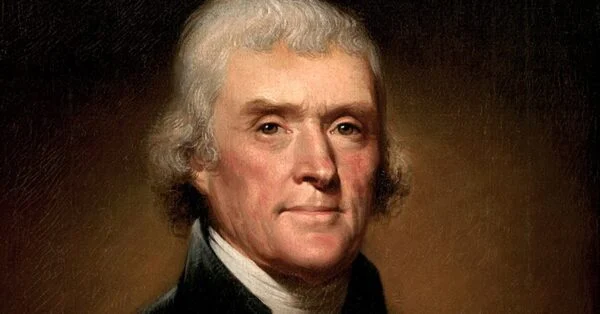
Thomas Jefferson based on NeemTime research
Who is Thomas Jefferson (Biography / Personal Details)
Thomas Jefferson was an American Founding Father, statesman, diplomat, lawyer, architect, philosopher, and the third President of the United States, serving from 1801 to 1809.
He was born on 13 April 1743 at Shadwell Plantation in the Colony of Virginia, British America, to Peter Jefferson, a successful planter and surveyor, and Jane Randolph Jefferson, a member of the influential Randolph family.
Jefferson is best known as the principal author of the United States Declaration of Independence, adopted on 4 July 1776, which articulated the ideals of liberty, equality, and individual rights.
He attended the College of William & Mary in Williamsburg, Virginia, where he studied classical languages, science, mathematics, philosophy, and law under the guidance of George Wythe.
Before becoming president, Jefferson served as Governor of Virginia, United States Minister to France, the first United States Secretary of State under President George Washington, and Vice President under John Adams.
During his presidency, he completed the Louisiana Purchase in 1803, acquiring approximately 828,000 square miles of territory from France and doubling the size of the United States.
Jefferson commissioned the Lewis and Clark Expedition (1804–1806), led by Meriwether Lewis and William Clark, to explore the newly acquired western territories and establish scientific and geographic knowledge of the region.
Beyond politics, Jefferson was an accomplished architect, inventor, scientist, agricultural reformer, musician, linguist, and avid book collector with interests spanning numerous academic disciplines.
He designed his famous plantation home, Monticello, near Charlottesville, Virginia, and later founded the University of Virginia, which opened in 1825 and remains one of his greatest educational achievements.
Thomas Jefferson died on 4 July 1826 at Monticello, exactly fifty years after the adoption of the Declaration of Independence, leaving one of the most influential and complex legacies in American history.
Thomas Jefferson Height / How to Get Body Like Thomas Jefferson
Historical records generally describe Thomas Jefferson as standing approximately 6 feet 2 inches (188 cm) tall, making him exceptionally tall for the eighteenth century.
Contemporary observers frequently noted his lean, athletic build, upright posture, and graceful appearance throughout much of his adult life.
Jefferson enjoyed horseback riding, long walks, hiking across his estate, and regular outdoor physical activity that helped maintain his health.
He believed physical exercise was essential for both mental and physical well-being and often recommended daily walking as part of a healthy lifestyle.
Jefferson spent considerable time supervising farming operations, gardening, surveying land, and managing agricultural projects at Monticello.
To develop a physique similar to Jefferson’s, focus on maintaining a lean body through regular cardiovascular exercise, strength training, and outdoor physical activities.
Activities such as brisk walking, hiking, cycling, horseback riding, and bodyweight exercises help improve endurance, posture, and overall fitness.
A balanced diet emphasizing vegetables, fruits, whole grains, legumes, lean proteins, and moderate portions supports long-term health and physical conditioning.
Jefferson valued moderation in daily habits, intellectual engagement, adequate sleep, and consistent physical movement as important aspects of a healthy life.
His greatest strengths came from lifelong curiosity, discipline, education, and leadership rather than physical appearance alone.
Thomas Jefferson: List of Partners & Dating History
Thomas Jefferson married Martha Wayles Skelton, a wealthy widow, on 1 January 1772 at The Forest plantation in Virginia.
Their marriage lasted for approximately ten years until Martha Jefferson died on 6 September 1782 following complications from childbirth.
Historical records indicate that Thomas and Martha shared a close and affectionate relationship despite frequent family tragedies.
Together they had six children, although only two daughters survived into full adulthood.
Following Martha Jefferson’s death, Thomas Jefferson never remarried despite living for more than four decades afterward.
Jefferson reportedly promised his wife on her deathbed that he would never marry again, and he honored that promise throughout his life.
Historians widely agree that Jefferson maintained no documented public courtships or engagements after Martha’s death.
One of the most extensively researched aspects of Jefferson’s personal life concerns Sally Hemings, an enslaved woman at Monticello with whom modern historical scholarship concludes he fathered several children.
DNA evidence published in 1998, together with extensive documentary research, has led many historians to conclude that Jefferson was the father of Sally Hemings’ surviving children, although aspects of the relationship continue to be studied.
Consequently, Jefferson’s documented romantic life primarily consists of his marriage to Martha Wayles Skelton Jefferson and his long-debated relationship with Sally Hemings.
Personal Life Highlights of Thomas Jefferson (List of Family Members)
Thomas Jefferson was the eldest surviving son of Peter Jefferson, a respected planter, surveyor, and cartographer, and Jane Randolph Jefferson, a member of Virginia’s prominent Randolph family.
He grew up with several siblings in a large colonial family at Shadwell Plantation in Virginia.
Jefferson married Martha Wayles Skelton Jefferson in 1772, and she remained his only wife until her death in 1782.
The couple had six children: Martha “Patsy” Jefferson Randolph, Jane Randolph Jefferson, Mary “Polly” Jefferson Eppes, Lucy Elizabeth Jefferson, another daughter named Lucy Elizabeth Jefferson, and an unnamed infant son.
Only Martha Randolph and Mary Jefferson Eppes survived to adulthood, while the other children died during infancy or early childhood.
Jefferson was especially close to his eldest daughter, Martha “Patsy” Randolph, who frequently managed household affairs at Monticello.
Historical research also identifies Sally Hemings as the mother of several children widely believed to have been fathered by Jefferson, including Beverly, Harriet, Madison, and Eston Hemings.
Jefferson maintained lifelong relationships with members of the Randolph family, many of whom played important roles in Virginia’s political and social life.
His extended family included grandchildren who inherited aspects of the Monticello estate and preserved many family records.
Although Jefferson’s family life included profound personal loss and historical controversy, it remains one of the most closely studied family histories among America’s Founding Fathers.
Early Life Highlights of Thomas Jefferson (Background / Childhood)
Thomas Jefferson was born on 13 April 1743 at Shadwell Plantation in Albemarle County, Virginia, then part of British America.
His father, Peter Jefferson, owned thousands of acres of land and encouraged practical knowledge through surveying, farming, and exploration.
His mother, Jane Randolph Jefferson, introduced him to the traditions of one of Virginia’s most distinguished colonial families.
Jefferson received private instruction during childhood, studying Latin, Greek, French, mathematics, history, literature, music, and classical philosophy.
From an early age, he demonstrated exceptional intellectual ability and developed a lifelong passion for reading and learning.
After Peter Jefferson died in 1757, fourteen-year-old Thomas inherited substantial property and responsibilities that accelerated his maturity.
He attended the College of William & Mary beginning in 1760, where he studied under renowned legal scholar George Wythe and was influenced by Governor Francis Fauquier and Professor William Small.
Jefferson devoted countless hours to studying law, Enlightenment philosophy, natural science, architecture, agriculture, and political theory, shaping his future career as both a statesman and scholar.
His early exposure to classical writers such as Cicero, Aristotle, John Locke, Francis Bacon, Isaac Newton, and other Enlightenment thinkers greatly influenced his political philosophy.
Jefferson’s childhood education, family background, intellectual discipline, and broad scholarly interests prepared him to become one of the principal architects of the United States and one of its most influential political thinkers.
Thomas Jefferson Family
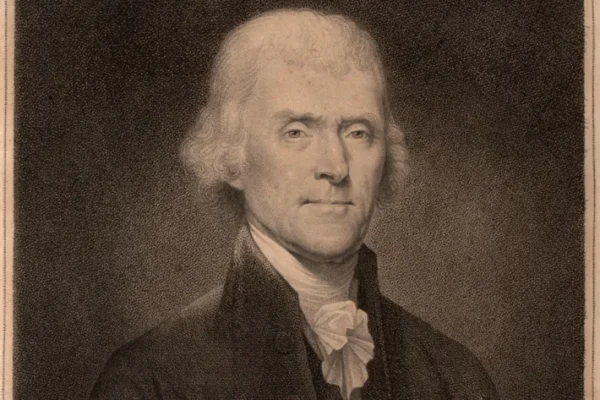
Thomas Jefferson Family 5
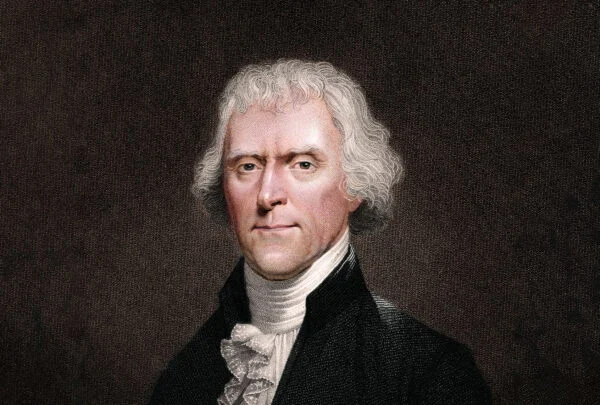
Thomas Jefferson Family 4
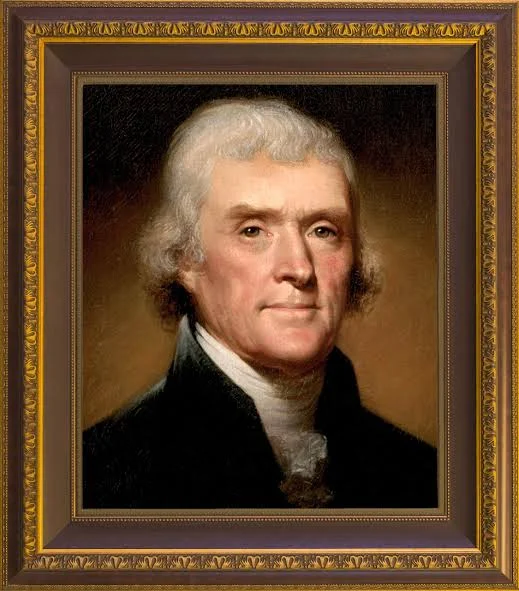
Thomas Jefferson Family 3
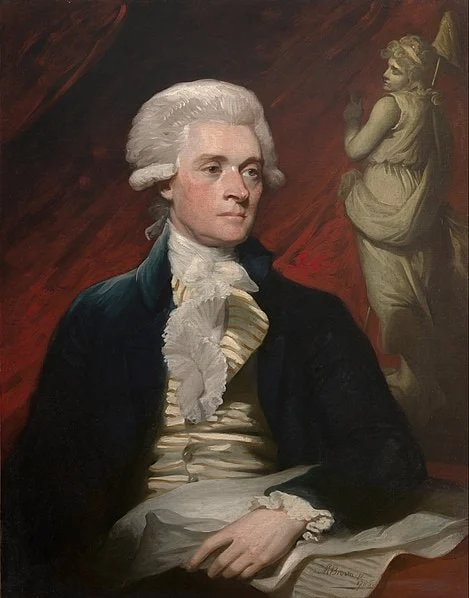
Thomas Jefferson Family 2
Thomas Jefferson Family
Current Life Highlights of Thomas Jefferson (Career / Other Work)
Thomas Jefferson passed away on 4 July 1826 at Monticello in Charlottesville, Virginia, so he has no current career or ongoing professional activities.
His legacy remains highly influential because he served as the principal author of the Declaration of Independence, the third President of the United States from 1801 to 1809, and the founder of the University of Virginia.
Monticello, his historic estate in Charlottesville, Virginia, continues to operate as a UNESCO World Heritage Site, museum, educational center, and major destination for historical research.
His writings on democracy, constitutional government, religious liberty, and individual rights continue to be studied by scholars, educators, judges, and political leaders around the world.
The University of Virginia, founded by Jefferson in 1819 and opened in 1825, remains one of America’s leading public research universities and continues to promote his educational vision.
Jefferson’s extensive collection of books helped establish the foundation of the modern Library of Congress after the British burned Washington, D.C., during the War of 1812.
Historians continue to examine both Jefferson’s remarkable political achievements and the contradictions surrounding slavery, especially his ownership of enslaved people and relationship with Sally Hemings.
Archaeological research at Monticello regularly uncovers new information about eighteenth-century construction methods, daily life, and the experiences of the enslaved community who lived there.
During America’s 250th anniversary commemorations in 2026, Jefferson’s role in drafting the Declaration of Independence is being highlighted through new exhibitions, educational programs, and historical interpretations at Monticello.
Today, Thomas Jefferson remains one of the most researched and debated figures in American history because of both his lasting contributions to democratic government and the complexities of his personal legacy.
Thomas Jefferson Most Popular Media Appearances, Movies, TV Shows
1972 – “1776” (Film) – Actor Ken Howard portrayed Thomas Jefferson in the musical film adaptation, highlighting Jefferson’s authorship of the Declaration of Independence.
1969 – “1776” (Broadway Musical, New York City) – The award-winning Broadway production featured Jefferson as one of the central Founding Fathers during the Continental Congress.
2008 – “John Adams” (HBO Miniseries) – Stephen Dillane portrayed Jefferson in the Emmy-winning historical drama focusing on the early years of the United States and his relationship with John Adams.
2008 – “National Treasure: Book of Secrets” (Film) – Thomas Jefferson’s historical writings, hidden chambers, and Monticello estate play a major role in the adventure storyline.
2022 – “The American Presidency with Bill Clinton” (Television Documentary) – Jefferson’s presidency, political philosophy, and the Louisiana Purchase are extensively discussed.
2022 – “The Lost Lincoln” (Documentary) – Jefferson’s influence on Abraham Lincoln and American democratic ideals is examined through historical analysis.
2022 – “The U.S. and the Holocaust” (PBS Documentary) – Jefferson’s writings and evolving interpretations of American ideals are referenced within broader historical discussions.
2025 – “The American Revolution” (PBS Documentary by Ken Burns, Sarah Botstein, and David Schmidt) – Jefferson’s role in drafting the Declaration of Independence is featured through historians, archival material, and dramatic interpretation.
2026 – “Jefferson Remembers the Declaration” (Charlottesville, Virginia) – Monticello launched a special live theatrical historical experience featuring veteran interpreter Bill Barker portraying Thomas Jefferson during the nation’s 250th anniversary celebrations.
Jefferson also appears in numerous educational documentaries, museum productions, historical podcasts, and classroom films because of his central role in the founding of the United States.
Thomas Jefferson Most Popular News Headlines, Controversies, Scandals
Thomas Jefferson remains at the center of continuing historical debate over his ownership of more than 600 enslaved people throughout his lifetime.
His long-discussed relationship with Sally Hemings remains one of the most significant subjects of modern American historical scholarship following DNA research and extensive documentary evidence.
Critics continue to examine the contradiction between Jefferson’s declaration that “all men are created equal” and his lifelong participation in slavery.
Historians frequently debate Jefferson’s racial writings contained in Notes on the State of Virginia and their influence on later discussions of race.
The Louisiana Purchase of 1803 is widely praised as a landmark achievement, although constitutional scholars continue debating Jefferson’s interpretation of presidential powers.
His Embargo Act of 1807 remains one of the most controversial economic policies of his presidency because it severely affected American merchants and international trade.
Modern universities, museums, and historical organizations continue reassessing Jefferson’s legacy through balanced exhibitions that address both his accomplishments and his contradictions.
In April 2026, archaeologists announced the discovery of an eighteenth-century brick kiln at Monticello, providing new insight into the construction of Jefferson’s estate and the labor of enslaved workers.
During the 250th anniversary of American Independence in 2026, Jefferson again became a major focus of national discussions about democracy, freedom, slavery, and the meaning of the Declaration of Independence.
Jefferson continues to generate headlines because historians increasingly seek to present a complete picture that recognizes both his extraordinary contributions to American democracy and the moral contradictions of his personal life.
Known Unknown Facts Trivia of Thomas Jefferson
Thomas Jefferson was fluent in several languages, including English, French, Latin, Greek, Italian, and Spanish.
He designed many architectural features of Monticello himself and was strongly influenced by classical Roman architecture.
Jefferson invented practical improvements such as a revolving bookstand, an improved plow design, and a rotating office chair.
He accumulated one of the largest private libraries in America, containing more than 6,000 books before selling much of the collection to Congress.
Jefferson enjoyed playing the violin and practiced music almost daily during his younger years.
He kept detailed weather records for more than fifty years, making valuable contributions to early American meteorological observations.
Jefferson loved gardening and cultivated hundreds of varieties of vegetables, herbs, flowers, and fruit trees at Monticello.
He introduced numerous European foods and gardening techniques to American agriculture after serving as Minister to France.
Jefferson and fellow Founding Father John Adams both died on 4 July 1826, exactly fifty years after the Declaration of Independence was adopted.
His tombstone mentions only three achievements that he personally selected: author of the Declaration of Independence, author of the Virginia Statute for Religious Freedom, and founder of the University of Virginia, deliberately omitting his presidency.
Thomas Jefferson: Questions People Also Ask / Search & Answers
Who was Thomas Jefferson?
Thomas Jefferson was an American Founding Father, principal author of the Declaration of Independence, third President of the United States, architect, diplomat, lawyer, and founder of the University of Virginia.
When was Thomas Jefferson born?
He was born on 13 April 1743 at Shadwell Plantation in the Colony of Virginia.
How did Thomas Jefferson die?
He died from age-related illness on 4 July 1826 at his Monticello estate in Charlottesville, Virginia.
How tall was Thomas Jefferson?
Historical records generally place his height at approximately 6 feet 2 inches (188 cm).
Who was Thomas Jefferson’s wife?
He married Martha Wayles Skelton Jefferson in 1772, and they remained married until her death in 1782.
Did Thomas Jefferson have children?
Yes. He had six children with Martha Jefferson, although only two daughters survived to adulthood, and historians widely conclude he also fathered several children with Sally Hemings.
What is Thomas Jefferson most famous for?
He is best known for writing the Declaration of Independence and serving as the third President of the United States.
What was the Louisiana Purchase?
It was Jefferson’s 1803 acquisition of French territory that doubled the size of the United States and became one of the greatest land purchases in history.
What was Monticello?
Monticello was Jefferson’s plantation home near Charlottesville, Virginia, which he personally designed and which is now a UNESCO World Heritage Site and museum.
Why is Thomas Jefferson still important today?
Jefferson remains influential because his ideas on liberty, religious freedom, constitutional government, education, and democracy continue to shape political thought, while his life also serves as a subject of ongoing historical debate regarding slavery, race, and human rights.