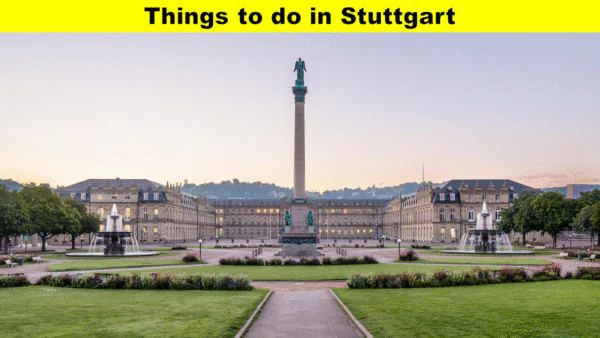
Things to do in Stuttgart based on NeemTime research from most popular to just popular.
Mercedes-Benz Museum, Stuttgart
Overview: The Mercedes-Benz Museum in Stuttgart showcases over 135 years of automotive innovation, design, and engineering excellence through a stunning collection of vehicles and exhibits.
History: Opened by Daimler AG to celebrate the brand’s heritage and technological advancements in the automotive industry.
Since When: Inaugurated in May 2006.
Review: Widely acclaimed for its futuristic architecture, interactive displays, and comprehensive storytelling of Mercedes-Benz’s legacy.
When to Go: Visit year-round, with weekdays offering fewer crowds for a more immersive experience.
How to Go: Easily accessible via the Neckarpark (Mercedes-Benz) S-Bahn station or local bus services.
What to Do: Explore car exhibits, take a guided tour, experience interactive installations, and shop for souvenirs.
Free or Paid: Paid.
Schlossplatz, Stuttgart
Overview: Schlossplatz is Stuttgart’s largest and most central square, surrounded by historic buildings, gardens, and cultural landmarks.
History: Originally part of the New Palace grounds, it became a public gathering and celebration space in the 19th century.
Since When: Opened to the public in 1918 after centuries of royal use.
Review: Highly praised for its beauty, vibrant atmosphere, and as a hub for festivals and events.
When to Go: Best enjoyed in spring and summer when outdoor events and greenery are at their peak.
How to Go: Located in the city center, easily reachable by U-Bahn or on foot from Stuttgart Hauptbahnhof.
What to Do: Relax in the gardens, visit the New Palace, attend open-air events, or enjoy nearby cafés.
Free or Paid: Free.
Wilhelma – Zoological-Botanical Garden, Stuttgart
Overview: Wilhelma is a unique combination of zoo and botanical garden, housing thousands of animals and plants within Moorish-inspired architecture.
History: Originally built as a royal bathhouse for King Wilhelm I in the mid-19th century, it later evolved into a public zoo and garden.
Since When: Opened to the public in 1919.
Review: Renowned for its beautiful landscapes, diverse species, and well-maintained enclosures.
When to Go: Spring and early summer for blooming gardens and active animal displays.
How to Go: Accessible via U-Bahn line U14 (station Wilhelma) or by car with nearby parking.
What to Do: Visit animal enclosures, explore greenhouses, and stroll through the historic gardens.
Free or Paid: Paid.
Porsche Museum, Stuttgart
Overview: The Porsche Museum celebrates the legacy of the Porsche brand with over 80 vehicles on display, including iconic sports cars and prototypes.
History: Built by Porsche AG to honor its automotive achievements and innovative spirit.
Since When: Opened to the public in January 2009.
Review: Visitors praise its sleek design, fascinating exhibits, and well-curated historical timeline.
When to Go: Open year-round, with mornings recommended for fewer visitors.
How to Go: Reachable by S-Bahn line S6 to Neuwirtshaus (Porscheplatz) station or by car.
What to Do: Explore exhibits, take guided tours, enjoy interactive experiences, and shop at the Porsche store.
Free or Paid: Paid.
MILANEO Stuttgart, Stuttgart
Overview: MILANEO Stuttgart is a large, modern shopping center offering a mix of retail stores, restaurants, and entertainment options.
History: Developed as part of the Stuttgart Europaviertel project to modernize and expand the city’s commercial infrastructure.
Since When: Opened in October 2014.
Review: Popular for its wide range of international brands, dining options, and clean, contemporary design.
When to Go: Weekdays for quieter shopping or evenings for a lively dining experience.
How to Go: Conveniently located near Stuttgart Hauptbahnhof and accessible via U-Bahn and bus services.
What to Do: Shop from global brands, dine in restaurants, and relax in indoor seating areas.
Free or Paid: Free to enter, paid for shopping and dining.
MHP Arena, Stuttgart
Overview: The MHP Arena in Stuttgart is a state-of-the-art multipurpose stadium primarily hosting football matches, concerts, and major sporting events.
History: Originally built as Neckarstadion in 1933, it has undergone several renovations to modernize its facilities and enhance spectator comfort.
Since When: Reopened under its current name “MHP Arena” in 2023 following extensive redevelopment.
Review: Highly praised for its modern design, excellent acoustics, and electric atmosphere during VfB Stuttgart matches.
When to Go: Best visited during football season (August to May) or when concerts and major events are scheduled.
How to Go: Easily accessible via S-Bahn lines S1 or S2 to Neckarpark (Mercedes-Benz) station, or by car with nearby parking.
What to Do: Attend a live football match, enjoy concerts, or take a guided stadium tour.
Free or Paid: Paid.
Stuttgart TV Tower, Stuttgart
Overview: The Stuttgart TV Tower is an iconic 217-meter observation tower offering panoramic views of Stuttgart and the surrounding countryside.
History: Designed by architect Fritz Leonhardt, it was the world’s first television tower built from reinforced concrete.
Since When: Officially opened in February 1956.
Review: Visitors love its breathtaking views, peaceful ambiance, and on-site café at the top.
When to Go: Visit on clear days or at sunset for the most spectacular views.
How to Go: Reachable via U-Bahn line U15 to Ruhbank (Fernsehturm) station, followed by a short walk.
What to Do: Enjoy the observation deck, dine at the café, and take photos of the scenic cityscape.
Free or Paid: Paid.
Blühendes Barock Gartenschau Ludwigsburg, Stuttgart
Overview: The Blühendes Barock Gartenschau in Ludwigsburg is a vast baroque garden and park complex surrounding the Ludwigsburg Palace, known for its seasonal floral displays.
History: Originally designed as royal palace gardens in the 18th century, it was transformed into a public garden show after World War II.
Since When: Opened to the public in 1954.
Review: Visitors praise its colorful flower arrangements, family-friendly Fairy Tale Garden, and tranquil atmosphere.
When to Go: Best visited from spring to early autumn when flowers are in full bloom.
How to Go: Accessible by S-Bahn line S4 to Ludwigsburg station, then a short bus ride or walk.
What to Do: Stroll through themed gardens, visit the Fairy Tale Garden, and enjoy seasonal festivals.
Free or Paid: Paid.
Königsbau Passagen, Stuttgart
Overview: Königsbau Passagen is a stylish shopping and business center located in the heart of Stuttgart, combining modern retail with historic architecture.
History: Built on the site of the historic Königsbau building from the mid-19th century, the modern complex was integrated into the city’s central square redevelopment.
Since When: Opened in 2006 as part of the modernization of Schlossplatz.
Review: Loved for its elegant blend of old and new architecture, upscale stores, and central location.
When to Go: Ideal for shopping in all seasons, especially during sales or Christmas market season.
How to Go: Located directly at Schlossplatz, easily accessible via U-Bahn and buses.
What to Do: Shop for fashion and luxury goods, dine in cafés, and enjoy people-watching from the terrace.
Free or Paid: Free to enter, paid for shopping and dining.
Ludwigsburg Residential Palace, Stuttgart
Overview: The Ludwigsburg Residential Palace is one of Germany’s largest baroque palaces, often referred to as the “Swabian Versailles” for its grandeur and opulent interiors.
History: Constructed by Duke Eberhard Ludwig in the early 18th century, it served as the main residence of the Württemberg dukes.
Since When: Completed in 1733 after several decades of construction and expansion.
Review: Highly rated for its magnificent architecture, rich history, and well-preserved rooms.
When to Go: Best visited in spring and summer to also enjoy the surrounding palace gardens.
How to Go: Take S-Bahn line S4 or S5 to Ludwigsburg station, then a short bus or taxi ride to the palace.
What to Do: Tour the lavish interiors, visit the museum, and stroll through the baroque gardens.
Free or Paid: Paid.
Höhenpark Killesberg, Stuttgart
Overview: Höhenpark Killesberg is a vast and beautifully landscaped urban park in Stuttgart, known for its gardens, observation tower, and family attractions.
History: Originally developed in 1939 for a horticultural exhibition, it has since become one of Stuttgart’s most beloved green spaces.
Since When: Officially opened to the public in 1939.
Review: Visitors appreciate its scenic beauty, peaceful atmosphere, and variety of attractions including flower gardens and mini trains.
When to Go: Best visited from spring to autumn when the flowers are in full bloom and outdoor events take place.
How to Go: Accessible via U-Bahn lines U5, U6, or U7 to Killesberg station, followed by a short walk.
What to Do: Climb the Killesberg Tower, explore the animal park, ride the miniature railway, and relax by the ponds.
Free or Paid: Mostly free, with small fees for certain attractions like the tower and mini train.
Markthalle Stuttgart, Stuttgart
Overview: Markthalle Stuttgart is a historic indoor market hall offering a wide variety of gourmet foods, local produce, and international delicacies.
History: Built in 1914 in the Art Nouveau style, it has been a culinary and cultural landmark in Stuttgart for over a century.
Since When: In continuous operation since its completion in 1914.
Review: Loved for its lively atmosphere, architectural charm, and selection of high-quality foods from around the world.
When to Go: Open year-round, but best experienced in the morning or around lunchtime for the freshest offerings.
How to Go: Centrally located near Schlossplatz, reachable via U-Bahn lines to Charlottenplatz station.
What to Do: Shop for fresh produce, sample local specialties, and enjoy lunch at one of the market’s eateries.
Free or Paid: Free to enter, paid for food and shopping.
Das Gerber, Stuttgart
Overview: Das Gerber is a contemporary shopping center in Stuttgart combining retail stores, restaurants, and modern architecture under one roof.
History: Developed as part of a major urban renewal project to revitalize the city center with a mix of shopping and living spaces.
Since When: Opened to the public in 2014.
Review: Visitors enjoy its sleek design, variety of stores, and relaxed shopping atmosphere.
When to Go: Great for year-round visits, especially during sale seasons or cold weather.
How to Go: Easily accessible via U-Bahn or bus to Österreichischer Platz station.
What to Do: Shop at international and local brands, dine at cafés, and enjoy modern urban architecture.
Free or Paid: Free to enter, paid for shopping and dining.
Schloss Solitude, Stuttgart
Overview: Schloss Solitude is an elegant late-Baroque palace surrounded by serene woodlands, offering panoramic views of Stuttgart and beyond.
History: Built as a hunting lodge and summer residence for Duke Carl Eugen of Württemberg, it exemplifies 18th-century aristocratic luxury.
Since When: Completed in 1769.
Review: Highly rated for its peaceful location, exquisite architecture, and beautifully preserved interiors.
When to Go: Ideal in spring and summer for pleasant walks in the gardens and forest trails.
How to Go: Reachable by bus from Stuttgart city center or by car with on-site parking available.
What to Do: Tour the palace interiors, explore the gardens, and walk along the scenic Solitude-Allee.
Free or Paid: Paid entry for palace tours, free for the surrounding grounds.
State Museum of Natural History Stuttgart, Stuttgart
Overview: The State Museum of Natural History Stuttgart showcases fascinating exhibits on paleontology, zoology, and earth sciences across two locations.
History: Founded in 1791, the museum’s collections have grown to include millions of specimens from around the world.
Since When: Officially established in 1791 and relocated to its current venues after World War II.
Review: Visitors love its engaging exhibits, impressive dinosaur fossils, and family-friendly interactive displays.
When to Go: Open year-round, with weekdays offering quieter visits.
How to Go: Located in Rosenstein Park and accessible via U-Bahn to Mineralbäder station or a short bus ride.
What to Do: Explore exhibits on evolution, geology, and wildlife, and visit both museum buildings—Museum am Löwentor and Schloss Rosenstein.
Free or Paid: Paid.
Esslingen am Neckar Castle, Stuttgart
Overview: Esslingen am Neckar Castle is a well-preserved medieval fortress overlooking the town of Esslingen, offering panoramic views of vineyards and the Neckar Valley.
History: Originally constructed in the 13th century as part of the city’s fortifications, it played a crucial defensive role during regional conflicts.
Since When: The castle’s earliest structures date back to around 1220.
Review: Visitors praise it for its scenic views, historical significance, and the peaceful ambiance of its surrounding vineyards.
When to Go: Best visited in spring and autumn for mild weather and beautiful vineyard scenery.
How to Go: Easily accessible by S-Bahn from Stuttgart to Esslingen station, followed by a short uphill walk.
What to Do: Explore the castle walls, enjoy panoramic photography, and attend seasonal festivals or wine events.
Free or Paid: Free.
Bärenschlössle, Stuttgart
Overview: Bärenschlössle is a charming hunting lodge located in the middle of the Rotwildpark forest, surrounded by tranquil lakes and walking trails.
History: Built in 1768 by Duke Carl Eugen of Württemberg, it was originally used as a royal hunting retreat.
Since When: Constructed in 1768 and rebuilt after a fire in 1994.
Review: Popular among locals for its serene atmosphere, beautiful setting, and cozy on-site restaurant.
When to Go: Ideal for visits from spring through autumn when the forest and lakes are most vibrant.
How to Go: Reachable by bus or car from Stuttgart city center, with parking and walking trails leading to the lodge.
What to Do: Enjoy lakeside walks, dine at the restaurant, and relax amidst nature.
Free or Paid: Free to visit, paid for dining.
DAS LEUZE, Stuttgart
Overview: DAS LEUZE is a large mineral bath complex in Stuttgart offering thermal pools, saunas, and wellness treatments sourced from natural springs.
History: Established on the site of Stuttgart’s famous mineral springs, it has been a cornerstone of the city’s spa culture for decades.
Since When: Opened in 1983 as one of Stuttgart’s major public bath facilities.
Review: Visitors love its clean facilities, therapeutic waters, and relaxing wellness environment.
When to Go: Open year-round, best visited during cooler months for the hot mineral baths.
How to Go: Accessible via U-Bahn line U14 to Mineralbäder station.
What to Do: Relax in thermal pools, enjoy saunas, and book massages or spa treatments.
Free or Paid: Paid.
Unterer Schlossgarten, Stuttgart
Overview: Unterer Schlossgarten is a central urban park in Stuttgart, known for its picturesque lakes, walking paths, and proximity to cultural landmarks.
History: Developed in the 18th century as part of the city’s grand landscape design surrounding the New Palace.
Since When: Officially established as a public park in the early 1800s.
Review: Highly rated for its peaceful environment, green spaces, and accessibility from downtown Stuttgart.
When to Go: Ideal for picnics and walks from spring through autumn.
How to Go: Easily accessible on foot from Stuttgart Hauptbahnhof or by tram.
What to Do: Walk along the lakes, enjoy outdoor picnics, and relax under the trees.
Free or Paid: Free.
Grave Chapel on the Württemberg, Stuttgart
Overview: The Grave Chapel on the Württemberg is a neoclassical mausoleum built on a hill overlooking Stuttgart, dedicated to Queen Katharina of Württemberg.
History: Commissioned by King Wilhelm I after the death of his beloved wife, it was designed by Giovanni Salucci and symbolizes eternal love.
Since When: Completed in 1824.
Review: Visitors are captivated by its romantic history, serene atmosphere, and breathtaking views of vineyards and the Neckar Valley.
When to Go: Best visited during sunset or in autumn when the vineyards turn golden.
How to Go: Reachable by bus or car from Stuttgart city center, followed by a short uphill walk.
What to Do: Tour the chapel interior, admire the view, and stroll through the surrounding vineyards.
Free or Paid: Paid.
Staatsgalerie Stuttgart, Stuttgart
Overview: Staatsgalerie Stuttgart is one of Germany’s premier art museums, showcasing a vast collection ranging from the 14th century to contemporary masterpieces.
History: Established to house and display the royal art collections of Württemberg, it has grown into an internationally acclaimed institution for modern and classical art.
Since When: Opened in 1843 and expanded in 1984 with a striking postmodern building designed by James Stirling.
Review: Visitors praise its diverse art collection, world-class exhibitions, and architecturally stunning layout.
When to Go: Best visited year-round, though weekdays offer a quieter experience.
How to Go: Located in central Stuttgart, accessible via U-Bahn lines U1, U2, or U4 to Staatsgalerie station.
What to Do: Explore European masterpieces, modern art galleries, and temporary exhibitions.
Free or Paid: Paid.
SENSAPOLIS, Stuttgart
Overview: SENSAPOLIS is an indoor adventure park combining science, fun, and learning with attractions for all ages, including slides, climbing areas, and interactive exhibits.
History: Created to blend entertainment with education, it quickly became one of the largest indoor parks in southern Germany.
Since When: Opened in 2008 in Böblingen near Stuttgart.
Review: Families love its safe, educational environment and the variety of activities that appeal to both children and adults.
When to Go: Ideal for visits year-round, especially on rainy or cold days.
How to Go: Easily reachable by S-Bahn from Stuttgart to Böblingen, then a short walk or taxi ride.
What to Do: Enjoy interactive science exhibits, climb the indoor castle, and slide down multi-level playgrounds.
Free or Paid: Paid.
Chinese Garden Stuttgart, Stuttgart
Overview: The Chinese Garden in Stuttgart is a serene hillside retreat designed in traditional Chinese style, offering tranquil ponds, pavilions, and symbolic landscaping.
History: Built as a gift from Stuttgart’s Chinese partner city, it symbolizes harmony between nature and architecture.
Since When: Completed and opened to the public in 1993.
Review: Visitors describe it as a peaceful oasis with stunning views over Stuttgart, ideal for reflection and photography.
When to Go: Best visited from spring to autumn when the flora is in full bloom.
How to Go: Located in the Feuerbach district, reachable by U-Bahn line U5 to Killesberg, then a short walk.
What to Do: Stroll through the garden, admire traditional Chinese architecture, and enjoy quiet moments by the pond.
Free or Paid: Free.
Esslingen Market Square, Stuttgart
Overview: Esslingen Market Square is the historical heart of Esslingen, surrounded by beautifully preserved medieval buildings and lively cafés.
History: It has been the center of trade and community life since the Middle Ages, reflecting centuries of civic and architectural development.
Since When: Dates back to the 13th century as part of the town’s original layout.
Review: Widely admired for its charming atmosphere, festive markets, and authentic old-town character.
When to Go: Best visited during the Christmas Market or summer festivals for a vibrant experience.
How to Go: Accessible by S-Bahn from Stuttgart to Esslingen station, then a short walk to the square.
What to Do: Explore local shops, dine in historic restaurants, and enjoy seasonal events like the medieval Christmas market.
Free or Paid: Free.
Museum der Illusionen Stuttgart, Stuttgart
Overview: The Museum der Illusionen Stuttgart offers an engaging and mind-bending experience through optical illusions, interactive exhibits, and perception-based displays.
History: Part of the global Museum of Illusions franchise, it was established to blend education, entertainment, and visual science.
Since When: Opened in 2021 as one of Stuttgart’s most modern interactive museums.
Review: Visitors love its immersive and fun environment, perfect for families, friends, and creative photography.
When to Go: Open year-round, with weekdays offering shorter waiting times.
How to Go: Located in downtown Stuttgart, easily accessible via U-Bahn to Schlossplatz or Rotebühlplatz.
What to Do: Experience visual illusions, take creative photos, and learn about the science of perception.
Free or Paid: Paid.
Mittlerer Schlossgarten, Stuttgart
Overview: Mittlerer Schlossgarten is a beautiful urban park in central Stuttgart, forming part of the city’s “Green U” and offering open lawns, ponds, and walking paths for relaxation and leisure.
History: Originally designed as a royal garden for the Württemberg monarchy, it has evolved over centuries into a beloved public park.
Since When: The park took its current shape in the early 19th century during the city’s royal landscaping projects.
Review: Locals and tourists praise it for its tranquil atmosphere, scenic beauty, and proximity to major attractions like the State Theatre.
When to Go: Best visited in spring and summer when flowers are in bloom and the weather is pleasant.
How to Go: Located next to Stuttgart Central Station, easily accessible on foot or by U-Bahn lines U5, U6, and U7.
What to Do: Enjoy picnics, strolls, and outdoor concerts, or relax by the ponds and under the old trees.
Free or Paid: Free.
Art Museum Stuttgart, Stuttgart
Overview: The Art Museum Stuttgart is a striking glass cube housing an impressive collection of modern and contemporary art.
History: Built to replace the former Kunsthaus, it was developed as a modern cultural landmark following Stuttgart’s urban renewal.
Since When: Opened to the public in 2005 on Schlossplatz.
Review: Visitors admire its modern architecture, diverse art exhibitions, and panoramic city views from the rooftop restaurant.
When to Go: Best visited during daytime hours or evening exhibitions for city views at sunset.
How to Go: Centrally located on Schlossplatz, accessible via U-Bahn lines U5–U7 or U12 to Schlossplatz station.
What to Do: Explore art exhibits, enjoy the rooftop café, and attend guided tours or special exhibitions.
Free or Paid: Paid.
Wilhelma Zoologisch-Botanischer Garten, Stuttgart
Overview: Wilhelma is a unique combination of zoo and botanical garden, home to over 11,000 animals and 7,000 plant species from around the world.
History: Originally built as a royal Moorish-style pleasure garden for King Wilhelm I, it was transformed into a public zoological-botanical garden.
Since When: Established in 1846 and opened to the public in 1880.
Review: Widely regarded as one of Europe’s most beautiful and diverse zoological gardens, offering both educational and visual appeal.
When to Go: Ideal for visits in spring and summer when most animals and plants are active.
How to Go: Easily reached by U-Bahn line U14 to Wilhelma station or by bus routes connecting to Bad Cannstatt.
What to Do: Explore animal enclosures, tropical houses, and exotic botanical displays.
Free or Paid: Paid.
Karlshöhe, Stuttgart
Overview: Karlshöhe is a scenic hillside park in Stuttgart offering panoramic views of the city, vineyards, and surrounding valleys.
History: Named after King Karl I of Württemberg, the area was landscaped in the 19th century as a public recreation space.
Since When: Developed in the 1860s as part of Stuttgart’s green urban expansion.
Review: Popular for its breathtaking views, peaceful atmosphere, and relaxing beer garden.
When to Go: Best visited in late afternoon or early evening for sunset views.
How to Go: Accessible by foot from Marienplatz or via U-Bahn lines U1 and U14 to Südheimer Platz.
What to Do: Enjoy scenic walks, relax at the café, and photograph city views.
Free or Paid: Free.
Schillerplatz, Stuttgart
Overview: Schillerplatz is a historic square in the heart of Stuttgart surrounded by iconic landmarks like the Old Castle and Stiftskirche.
History: Named after the poet Friedrich Schiller, it was laid out in the early 17th century and has served as a cultural and social center ever since.
Since When: Officially named Schillerplatz in 1839.
Review: Visitors appreciate its old-world charm, architectural harmony, and lively atmosphere during markets and festivals.
When to Go: Best visited in summer or during the Stuttgart Christmas Market.
How to Go: Centrally located near Schlossplatz, accessible by U-Bahn lines U5–U7 or U12 to Schlossplatz station.
What to Do: Explore nearby museums, admire historical buildings, and enjoy outdoor cafés.
Free or Paid: Free.