Elizabeth I based on NeemTime research
Who Is Elizabeth I (Biography / Personal Details)
Elizabeth I was born on 7 September 1533 at Greenwich Palace in England as the daughter of King Henry VIII and Anne Boleyn.
She became queen of England and Ireland in 1558 after the death of her half-sister Mary I, beginning a reign that lasted until 1603.
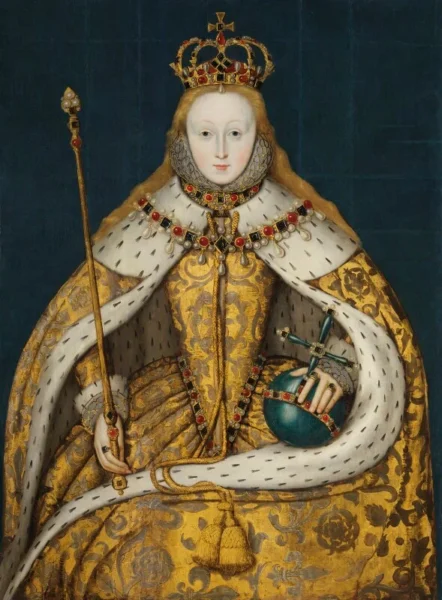
Her coronation took place on 15 January 1559 at Westminster Abbey in London, marking the start of the Elizabethan Era.
Elizabeth I is widely known for establishing the Protestant Church of England more firmly after years of religious conflict in England.
She ruled during a period of major cultural growth that included the works of William Shakespeare and Christopher Marlowe.
Her reign is often called the Elizabethan Golden Age due to advances in exploration, literature, and national stability.
Elizabeth carefully avoided marriage, earning her the title “The Virgin Queen,” although she had several political suitors.
She maintained complex political relationships with European rulers such as Philip II of Spain and Mary, Queen of Scots.
The defeat of the Spanish Armada in 1588 was one of the most significant military achievements of her reign.
Elizabeth I died on 24 March 1603 at Richmond Palace, ending the Tudor dynasty and passing the throne to James VI of Scotland.
Elizabeth I Height / How To Get Body Like Elizabeth I
Historical records do not provide an exact confirmed height for Elizabeth I, though she is generally believed to have been of average height for her time.
Portraits by artists such as Nicholas Hilliard and George Gower depict her with a tall, regal posture enhanced by fashion rather than actual stature.
In the Tudor era, height was often less documented than royal appearance and symbolic representation.
Elizabeth maintained a highly formal royal image using elaborate dresses, corsets, and padded garments to project authority.
A modern interpretation of “body like Elizabeth I” focuses more on posture, confidence, and disciplined lifestyle rather than physical measurements.
Historical accounts suggest she was known for strict self-control in diet and court presentation rather than athletic fitness.
Royal etiquette required her to maintain composed posture during long court ceremonies and public appearances.
Her appearance was carefully managed by courtiers and dressmakers to emphasize power and sovereignty.
If translated into modern fitness terms, her “regimen” would resemble disciplined routine, structured habits, and strong mental endurance.
There is no historical evidence of her following any physical training or exercise program as understood today.
Elizabeth I: List Of Partners & Dating History
Elizabeth I never officially married, despite intense political pressure from her advisors and Parliament.
One of her most well-known relationships was with Robert Dudley, Earl of Leicester, who was considered her closest confidant.
Rumors of romantic involvement with Dudley persisted throughout her reign, especially after the death of his wife Amy Robsart.
François, Duke of Anjou, was another prominent suitor whom Elizabeth seriously considered marrying in the 1570s and 1580s.
Her diplomatic court used marriage negotiations as a political tool to form alliances with Spain, France, and other European powers.
Spanish King Philip II had once been married to her half-sister Mary I and also sought political influence over Elizabeth.
Elizabeth skillfully avoided committing to marriage to maintain full political independence as sovereign ruler.
Court figures such as William Cecil, Lord Burghley, often advised her on marriage decisions for state stability.
No historical evidence confirms any secret marriage or children attributed to Elizabeth I.
Her unmarried status became a defining political identity, strengthening her image as the “Virgin Queen.”
Personal Life Highlights Of Elizabeth I (List Of Family Members)
Elizabeth I was the daughter of King Henry VIII, one of England’s most famous monarchs.
Her mother was Anne Boleyn, the second wife of Henry VIII, who was executed when Elizabeth was only two years old.
She had a half-brother, Edward VI, who ruled England before her accession to the throne.
Her half-sister Mary I preceded her as queen and restored Catholicism before Elizabeth reversed the policy.
Elizabeth never had children, which led to the end of the Tudor dynasty after her death.
She had close relationships with advisors like William Cecil, though they were not family members in a biological sense.
Her stepmother relationships included Catherine Parr, who played a role in her education and upbringing.
The House of Tudor lineage connected her to influential figures like Henry VII, her grandfather.
She maintained a carefully controlled royal household that functioned as her extended court family.
After her death, the throne passed to James VI of Scotland, linking the Tudor and Stuart dynasties.
Early Life Highlights Of Elizabeth I (Background / Childhood)
Elizabeth was born during a politically turbulent period following Henry VIII’s break with the Roman Catholic Church.
Her mother Anne Boleyn’s execution in 1536 left Elizabeth legally declared illegitimate for a time.
Despite this, she received an excellent education under tutors such as Roger Ascham.
She studied languages including Latin, Greek, French, and Italian, which was rare for women of her era.
Elizabeth showed early intelligence and discipline, impressing scholars and court officials.
She spent part of her childhood away from the royal court due to political instability.
Her stepmother Catherine Parr played an important supportive role in her upbringing.
Elizabeth experienced uncertainty about her position in succession during the reign of Edward VI and Mary I.
Her education emphasized rhetoric, philosophy, theology, and classical literature.
These early experiences shaped her political caution, intelligence, and later success as a monarch.
Elizabeth I Family
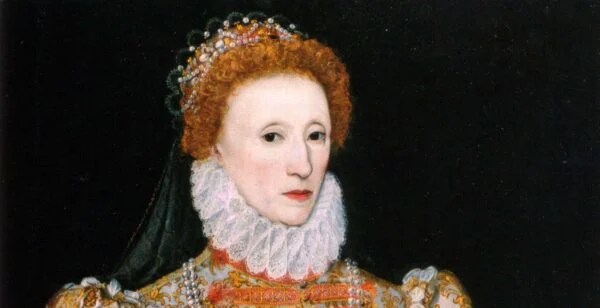
Elizabeth I Family 5
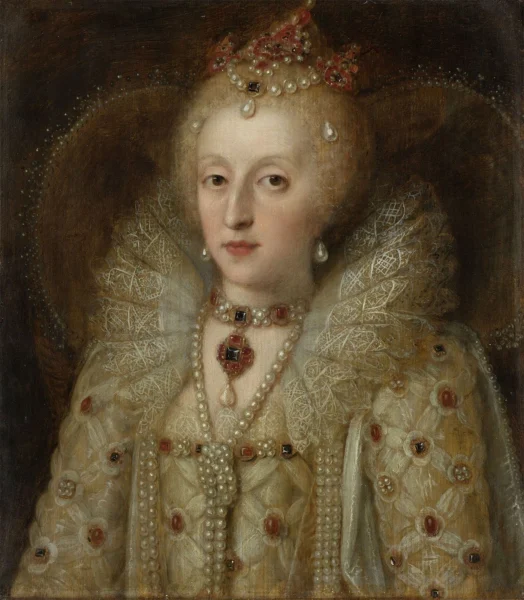
Elizabeth I Family 4
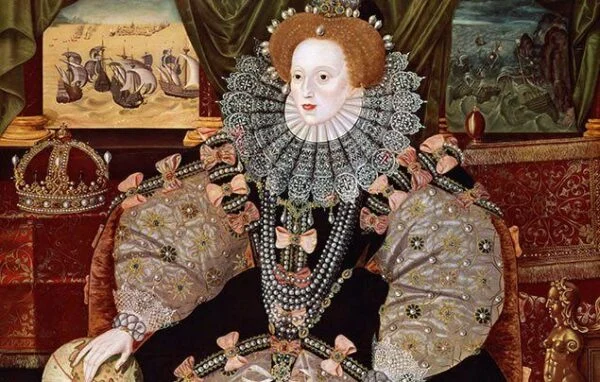
Elizabeth I Family 3
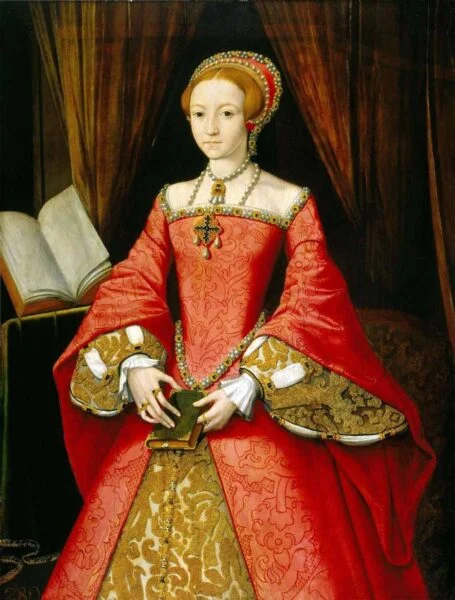
Elizabeth I Family 2
Elizabeth I Family
Current Life Highlights Of Elizabeth I (Career / Other Work)
Elizabeth I’s reign from 1558 to 1603 marked a long period of political stability after decades of religious conflict in England.
She established the Elizabethan Religious Settlement in 1559, restoring Protestantism while maintaining certain traditional church structures.
The Queen worked closely with advisors such as William Cecil, Lord Burghley, who helped manage domestic and foreign policy.
She oversaw England’s expansion into global exploration, supporting figures like Francis Drake and Walter Raleigh.
In 1588, she played a central symbolic leadership role during the defeat of the Spanish Armada under King Philip II of Spain.
Elizabeth strengthened England’s economy through careful taxation policies and encouragement of trade with emerging global markets.
Her government supported cultural development, leading to the flourishing of playwrights like William Shakespeare and Ben Jonson.
She maintained strict control over court politics, using royal progress tours across England to reinforce authority.
Elizabeth’s foreign policy relied heavily on balancing power between France and Spain to avoid direct large-scale war.
Her leadership style combined personal charisma, strategic diplomacy, and strong centralized authority, defining the Elizabethan era.
Elizabeth I Most Popular Media Appearances, Movies, TV Shows
Elizabeth I has been portrayed in numerous films, television series, and documentaries due to her historical significance.
Actress Cate Blanchett famously portrayed her in the films “Elizabeth” (1998) and “Elizabeth: The Golden Age” (2007).
Helen Mirren played Elizabeth I in the acclaimed 2005 television miniseries “Elizabeth I,” which focused on her later reign.
Glenda Jackson portrayed her in earlier BBC productions, highlighting political struggles with Mary, Queen of Scots.
The Netflix-style historical drama “Reign” includes Elizabeth as a major political figure during Mary Stuart’s story.
The BBC series “The Virgin Queen” (2005) focused heavily on Elizabeth’s early life and relationships.
She appears in documentaries such as “Elizabeth I: The Queen Who Shaped a Nation,” focusing on her political legacy.
Many Shakespeare-related films depict Elizabeth indirectly through court scenes from plays like “Richard II” and “Henry VIII.”
Video documentaries and educational programs often feature animated reconstructions of her court life at Whitehall Palace.
Elizabeth I remains one of the most frequently dramatized English monarchs in global historical media.
Elizabeth I Most Popular News Headlines, Controversies, Scandals
One major historical controversy involved the execution of Mary, Queen of Scots in 1587, ordered during Elizabeth’s reign.
Her long refusal to marry created political tension within Parliament, which repeatedly pressured her to produce an heir.
The mysterious death of Amy Robsart, wife of Robert Dudley, fueled rumors about Elizabeth’s private relationship with him.
Religious conflict between Catholics and Protestants during her reign led to plots such as the Babington Plot against her life.
The Spanish Armada crisis of 1588 became a major European political scandal involving England and Spain.
Elizabeth faced criticism for her handling of poor relief and economic inequality during periods of famine and inflation.
The Essex Rebellion in 1601, led by Robert Devereux, was one of the most dramatic political betrayals of her court.
Catholic propaganda in Europe often portrayed Elizabeth as illegitimate due to the annulment of Henry VIII’s marriage.
Her use of surveillance and spies under Francis Walsingham created controversy regarding state control and personal freedom.
Despite controversies, she maintained strong public legitimacy and avoided direct overthrow attempts throughout her reign.
Known Unknown Facts Trivia Of Elizabeth I
Elizabeth I was fluent in multiple languages including Latin, Greek, French, and Italian.
She was highly educated in rhetoric and philosophy under scholars like Roger Ascham.
Elizabeth referred to herself symbolically as “married to England,” reinforcing her unmarried status.
She owned over 3,000 dresses and maintained one of the most elaborate wardrobes in Europe.
The Queen personally approved many speeches and letters written in her name by court secretaries.
She survived multiple assassination plots, many linked to Catholic resistance movements.
Elizabeth had a strong interest in music and dance, often participating in court performances.
She used royal portraits as political propaganda to shape her public image across England.
Despite her authority, she rarely traveled abroad and ruled almost entirely from England.
Her reign lasted 44 years, making her one of the longest-reigning Tudor monarchs in English history.
Elizabeth I: Questions People Also Ask / Search & Answers
Who was Elizabeth I?
Elizabeth I was the Queen of England and Ireland from 1558 to 1603 and the last monarch of the Tudor dynasty.
Why is Elizabeth I important?
She established England as a major European power and oversaw a cultural and economic golden age.
Did Elizabeth I marry?
No, she never married and became known as the “Virgin Queen.”
What was Elizabeth I’s greatest achievement?
Her defeat of the Spanish Armada in 1588 is widely considered one of her greatest achievements.
What religion did Elizabeth I support?
She supported Protestantism through the Elizabethan Religious Settlement.
Who were Elizabeth I’s parents?
Her parents were King Henry VIII and Anne Boleyn.
What was Elizabeth I’s personality like?
She was known for intelligence, political skill, charisma, and strong leadership.
What language did Elizabeth I speak?
She spoke several languages including English, Latin, French, Italian, and Greek.
How long did Elizabeth I rule?
She ruled for 44 years, from 1558 to 1603.
What happened after Elizabeth I died?
She was succeeded by James VI of Scotland, who became James I of England.