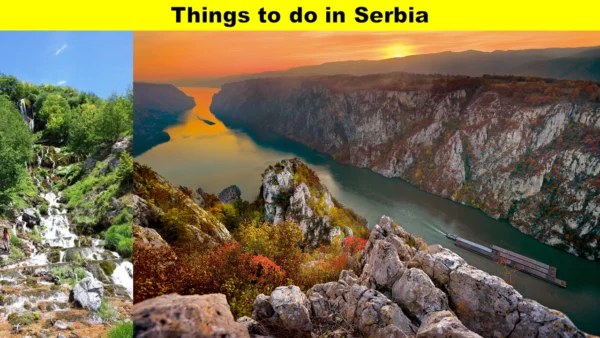
Things to do in Serbia based on NeemTime research from most popular to just popular.
Belgrade Fortress, Serbia
Overview: Belgrade Fortress is a vast historic defensive complex overlooking the confluence of the River Sava and Danube, featuring museums, parks, and ancient military structures.
History: It was built and rebuilt by Romans, Byzantines, Ottomans, and Austro-Hungarians due to its strategic military importance over centuries.
Since When: The earliest fortifications date back to the 3rd century BCE, with continuous development through later empires.
Review: Visitors praise its panoramic river views, layered historical ruins, and peaceful walking paths within a vibrant urban setting.
When to Go: Spring and autumn for pleasant weather and scenic sunsets over the rivers.
How to Go: Located in central Belgrade, accessible by walking, tram, or taxi from most city areas.
What to Do: Explore fortress walls, visit museums, enjoy riverside views, and relax in Kalemegdan Park.
Free or Paid: Free entry.
Kalemegdan Park, Serbia
Overview: Kalemegdan Park is a large historic green space surrounding Belgrade Fortress offering walking paths, monuments, and scenic viewpoints.
History: It was developed as part of the fortress complex and later transformed into a public urban park.
Since When: Established as a public park in the 19th century.
Review: Visitors appreciate its relaxing atmosphere, river views, and combination of nature with historical landmarks.
When to Go: Late afternoon for sunset views over the Danube and Sava rivers.
How to Go: Located in central Belgrade, accessible on foot from the city center.
What to Do: Walk trails, visit monuments, and enjoy outdoor relaxation.
Free or Paid: Free entry.
Belgrade Zoo, Serbia
Overview: Belgrade Zoo is a long-established urban zoo located within Kalemegdan Park featuring a wide variety of animals in a compact historic setting.
History: It was founded to promote wildlife education and public recreation in Serbia’s capital.
Since When: Opened in 1936.
Review: Visitors enjoy its central location, diverse animal collection, and family-friendly atmosphere.
When to Go: Spring and early autumn for comfortable walking weather.
How to Go: Located inside Kalemegdan Park, accessible by walking from central Belgrade.
What to Do: View animals, explore exhibits, and enjoy family activities.
Free or Paid: Paid entry.
Galeria Belgrade, Serbia
Overview: Galeria Belgrade is a modern luxury shopping mall featuring international brands, dining options, entertainment spaces, and contemporary architecture.
History: It was developed as part of the Belgrade Waterfront urban redevelopment project to modernize the city’s retail landscape.
Since When: Opened in 2020.
Review: Visitors praise its upscale design, wide shopping variety, and clean modern environment.
When to Go: Weekdays or evenings to avoid peak shopping crowds.
How to Go: Located along the Sava riverfront, accessible by tram, taxi, or walking from central areas.
What to Do: Shop, dine, and explore entertainment and leisure areas.
Free or Paid: Free entry; shopping is paid.
Tašmajdan Park, Serbia
Overview: Tašmajdan Park is a central Belgrade park featuring walking paths, sports facilities, historic churches, and cultural monuments.
History: It was developed over former quarry grounds and later transformed into a public recreational space.
Since When: Established as a public park in the mid-20th century.
Review: Visitors appreciate its central location, peaceful atmosphere, and mix of history and recreation.
When to Go: Spring and summer for outdoor activities and pleasant weather.
How to Go: Located near downtown Belgrade, accessible by tram, bus, or walking.
What to Do: Walk, relax, visit nearby churches, and enjoy outdoor sports areas.
Free or Paid: Free entry.
Nikola Tesla Museum, Serbia
Overview: Nikola Tesla Museum in Belgrade is a scientific and historical museum dedicated to the life, inventions, and legacy of inventor Nikola Tesla.
History: It was established to preserve Tesla’s personal archives, patents, and original scientific artifacts donated to Serbia after his death.
Since When: Founded in 1952.
Review: Visitors appreciate the guided demonstrations of Tesla’s experiments and the rich collection of original documents and models.
When to Go: Weekdays or mornings for smaller crowds and more detailed guided tours.
How to Go: Located in central Belgrade, accessible by tram, bus, or taxi.
What to Do: Watch live demonstrations, explore exhibits, and learn about Tesla’s inventions.
Free or Paid: Paid entry with guided tours.
Golubac Fortress, Serbia
Overview: Golubac Fortress is a medieval stronghold on the Danube River known for its dramatic cliffs, towers, and scenic riverside setting.
History: It served as a strategic military fort contested by Ottoman and Hungarian forces due to its control over the Danube passage.
Since When: Earliest records date back to the 14th century.
Review: Visitors admire its restored towers, panoramic river views, and impressive medieval architecture.
When to Go: Spring and autumn for pleasant weather and fewer tourists.
How to Go: Located in eastern Serbia, accessible by car or guided tours from Belgrade.
What to Do: Explore fortress towers, walk along the river, and visit exhibition areas.
Free or Paid: Paid entry.
Danube Park, Serbia
Overview: Danube Park is a peaceful urban park in Novi Sad featuring landscaped gardens, ponds, walking paths, and recreational spaces.
History: It was developed as part of city beautification efforts along the Danube River in the 19th century.
Since When: Established in 1895.
Review: Visitors enjoy its calm atmosphere, well-maintained greenery, and central location in the city.
When to Go: Spring and summer when flowers are in bloom.
How to Go: Located in central Novi Sad, accessible by walking, bus, or taxi.
What to Do: Walk, relax by the pond, and enjoy nature photography.
Free or Paid: Free entry.
Drvengrad – Mećavnik, Serbia
Overview: Drvengrad (Mećavnik) is a traditional wooden village built as a cultural and film complex by filmmaker Emir Kusturica in the mountains of western Serbia.
History: It was created as a film set for the movie “Life is a Miracle” and later transformed into a cultural tourism village.
Since When: Built in the early 2000s.
Review: Visitors love its rustic wooden architecture, artistic atmosphere, and mountain scenery.
When to Go: Summer for festivals or winter for snowy mountain landscapes.
How to Go: Located near Mokra Gora, accessible by car or the Šargan Eight railway route.
What to Do: Explore wooden cabins, attend film festivals, and enjoy scenic mountain views.
Free or Paid: Paid entry for access and activities.
Petrovaradin Fortress Clock Tower, Serbia
Overview: Petrovaradin Fortress Clock Tower is an iconic landmark overlooking the Danube River known for its reversed clock hands and panoramic city views.
History: It was built as part of the Petrovaradin Fortress, an important Habsburg military stronghold.
Since When: Constructed in the 18th century.
Review: Visitors admire its unique design, historic setting, and excellent viewpoints over Novi Sad.
When to Go: Sunset for the best views over the river and city skyline.
How to Go: Located in Novi Sad, accessible by bus, taxi, or walking from the city center.
What to Do: Climb viewpoints, explore fortress grounds, and photograph the Danube.
Free or Paid: Free access to fortress grounds; some areas or tours may be paid.
Kalenić Green Market, Serbia
Overview: Kalenić Green Market is one of Belgrade’s largest open-air markets offering fresh produce, local foods, flowers, and everyday goods in a lively neighborhood setting.
History: It developed as a traditional farmers’ market serving residents of Vračar and gradually became a key food trading hub in the city.
Since When: Established in 1926.
Review: Visitors appreciate its authentic local atmosphere, fresh ingredients, and affordable prices compared to supermarkets.
When to Go: Morning hours for the freshest produce and most active market atmosphere.
How to Go: Located in the Vračar district of Belgrade, accessible by tram, bus, or taxi.
What to Do: Shop for fresh food, explore local products, and experience everyday Belgrade life.
Free or Paid: Free entry; purchases are paid.
Gold Gondola Zlatibor, Serbia
Overview: Gold Gondola Zlatibor is one of the world’s longest panoramic cable cars connecting Zlatibor town with Tornik ski center over scenic mountain landscapes.
History: It was built to boost tourism in western Serbia and improve access to mountain recreation areas.
Since When: Opened in 2021.
Review: Visitors praise its breathtaking views, smooth ride, and modern infrastructure.
When to Go: Summer for green landscapes or winter for snowy mountain scenery.
How to Go: Located in Zlatibor, accessible by bus or car from Belgrade and nearby towns.
What to Do: Ride the gondola, enjoy mountain views, and visit ski and hiking areas.
Free or Paid: Paid entry.
Jevremovac Botanical Garden, Serbia
Overview: Jevremovac Botanical Garden is a peaceful green oasis in central Belgrade featuring rare plant species, glasshouses, and landscaped gardens.
History: It was founded as a scientific botanical institution for education and plant research in Serbia.
Since When: Established in 1874.
Review: Visitors enjoy its calm environment, beautiful greenhouse, and diverse plant collections.
When to Go: Spring and early summer when plants and flowers are in full bloom.
How to Go: Located near the city center of Belgrade, accessible by walking, tram, or bus.
What to Do: Walk gardens, visit the tropical greenhouse, and relax in nature.
Free or Paid: Paid entry.
Topčider Park, Serbia
Overview: Topčider Park is a historic green park in Belgrade featuring ancient trees, walking paths, monuments, and cultural landmarks.
History: It was developed as a royal park and recreational area for Serbian rulers in the 19th century.
Since When: Formally established as a park in the early 1800s.
Review: Visitors appreciate its peaceful atmosphere, historical significance, and large shaded areas.
When to Go: Spring and summer for outdoor relaxation and greenery.
How to Go: Located in southern Belgrade, accessible by tram, bus, or taxi.
What to Do: Walk, picnic, visit monuments, and enjoy nature.
Free or Paid: Free entry.
Japanese Garden Vrnjačka Banja, Serbia
Overview: Japanese Garden in Vrnjačka Banja is a beautifully designed landscaped garden inspired by traditional Japanese aesthetics with bridges, water features, and greenery.
History: It was created as part of cultural and tourism development in the spa town of Vrnjačka Banja.
Since When: Developed in the early 21st century.
Review: Visitors enjoy its peaceful atmosphere, photogenic design, and relaxing spa-town surroundings.
When to Go: Spring and summer for full greenery and pleasant weather.
How to Go: Located in Vrnjačka Banja, accessible by car or bus from Belgrade or Niš.
What to Do: Walk scenic paths, relax by water features, and take photos.
Free or Paid: Free entry.
Fruška Gora National Park, Serbia
Overview: Fruška Gora National Park is a forested mountain region in northern Serbia known for hiking trails, monasteries, vineyards, and rich biodiversity.
History: It became historically significant as a monastic center and later a protected natural area preserving Serbia’s ecological and cultural heritage.
Since When: Declared a national park in 1960.
Review: Visitors appreciate its peaceful nature, scenic viewpoints, and combination of spirituality and outdoor recreation.
When to Go: Spring and autumn for hiking, vineyard visits, and comfortable weather.
How to Go: Located near Novi Sad, accessible by car, bus, or organized tours from Belgrade or Novi Sad.
What to Do: Hike forest trails, visit monasteries, and explore wine routes.
Free or Paid: Free entry; guided tours and some attractions may be paid.
Smederevo Fortress, Serbia
Overview: Smederevo Fortress is a massive medieval stronghold on the Danube River featuring thick stone walls, towers, and a large courtyard.
History: It was built as the capital fortress of the Serbian Despotate to defend against Ottoman expansion.
Since When: Constructed in 1428–1430.
Review: Visitors admire its scale, riverside views, and well-preserved medieval architecture.
When to Go: Spring and early autumn for pleasant riverside walks.
How to Go: Located in Smederevo, accessible by car or bus from Belgrade.
What to Do: Walk fortress walls, explore towers, and enjoy Danube views.
Free or Paid: Free entry to grounds; some exhibitions may be paid.
Manasija Monastery, Serbia
Overview: Manasija Monastery is a fortified Serbian Orthodox monastery known for its powerful medieval walls and beautifully preserved frescoes.
History: It was built as a spiritual and defensive center during the reign of Despot Stefan Lazarević.
Since When: Constructed between 1406 and 1418.
Review: Visitors praise its peaceful atmosphere, artistic frescoes, and impressive fortifications.
When to Go: Spring and autumn for calm weather and fewer crowds.
How to Go: Located near Despotovac, accessible by car from Belgrade or Niš.
What to Do: Visit church interiors, admire frescoes, and walk fortress walls.
Free or Paid: Free entry; donations are welcome.
National Museum of Serbia, Serbia
Overview: National Museum of Serbia in Belgrade is the country’s largest and oldest museum featuring archaeology, art collections, and historical artifacts.
History: It was established to preserve Serbia’s cultural heritage and has undergone multiple renovations to modernize its exhibitions.
Since When: Founded in 1844.
Review: Visitors appreciate its extensive collections, well-organized galleries, and cultural significance.
When to Go: Weekdays or mornings for a quieter museum experience.
How to Go: Located in Republic Square, central Belgrade, accessible by walking and public transport.
What to Do: Explore archaeological artifacts, fine art, and historical exhibitions.
Free or Paid: Paid entry.
Museum of Illusions Belgrade, Serbia
Overview: Museum of Illusions Belgrade is an interactive attraction featuring optical illusions, holograms, and mind-bending visual installations.
History: It was created as part of an international Museum of Illusions franchise designed to combine entertainment with educational psychology concepts.
Since When: Opened in 2018.
Review: Visitors enjoy its fun interactive exhibits, photo opportunities, and family-friendly experience.
When to Go: Weekdays or early afternoons to avoid crowds.
How to Go: Located in central Belgrade, accessible by walking, tram, or bus.
What to Do: Experience illusions, take interactive photos, and explore perception-based exhibits.
Free or Paid: Paid entry.
Tunnel of Salvation, Serbia
Overview: Tunnel of Salvation is a wartime underground passage in Kragujevac created during WWII to protect civilians from bombings and preserve movement under occupation.
History: It was built by German occupying forces during World War II and later became a memorial site representing civilian survival and wartime suffering.
Since When: Constructed during 1941–1944 and later opened to visitors as a memorial site in the modern era.
Review: Visitors describe it as emotionally powerful, historically important, and a sobering reminder of wartime realities.
When to Go: Spring or autumn for comfortable weather when visiting Kragujevac.
How to Go: Located in Kragujevac city center, accessible by bus or car from Belgrade or Niš.
What to Do: Walk through the tunnel, learn wartime history, and visit memorial exhibitions.
Free or Paid: Usually paid entry for guided visits.
Zeleni Venac Market, Serbia
Overview: Zeleni Venac Market is one of Belgrade’s oldest and busiest farmers’ markets offering fresh produce, meats, dairy, and local Serbian goods.
History: It developed as a central trading hub for Belgrade residents and evolved into a major indoor market complex.
Since When: Established in the 19th century, with modern facilities added in the 20th century.
Review: Visitors appreciate its authentic local atmosphere, affordable prices, and wide variety of fresh products.
When to Go: Early morning for the freshest produce and best selection.
How to Go: Located near the city center, accessible by bus, tram, or walking.
What to Do: Shop for local food, explore stalls, and experience everyday Belgrade life.
Free or Paid: Free entry; purchases are paid.
Dino Park Zlatibor, Serbia
Overview: Dino Park Zlatibor is a family-themed amusement park featuring life-size dinosaur models, interactive exhibits, and outdoor entertainment for children.
History: It was developed as a tourism attraction to enhance family-friendly activities in the Zlatibor mountain region.
Since When: Opened in the 2010s.
Review: Visitors enjoy its fun atmosphere, educational displays, and engaging activities for kids.
When to Go: Summer and weekends for full park operations and outdoor activities.
How to Go: Located in Zlatibor, accessible by car or bus from Belgrade.
What to Do: Explore dinosaur trails, enjoy rides, and participate in interactive games.
Free or Paid: Paid entry.
Belgrade Fortress, Serbia
Overview: Belgrade Fortress is a vast historic complex overlooking the confluence of the Danube and Sava rivers featuring museums, parks, and ancient military architecture.
History: It was continuously built and rebuilt by Romans, Byzantines, Ottomans, and Austrians due to its strategic importance in regional conflicts.
Since When: Origins date back to the 3rd century BCE with continuous expansion through the medieval and modern periods.
Review: Visitors praise its panoramic river views, historical depth, and peaceful park-like atmosphere in the city center.
When to Go: Spring and autumn for comfortable walking weather and sunset views.
How to Go: Located in central Belgrade, accessible by walking, tram, or taxi.
What to Do: Explore fortifications, visit museums, and relax in Kalemegdan Park.
Free or Paid: Free entry.
Đerdap National Park, Serbia
Overview: Đerdap National Park is Serbia’s largest national park along the Danube River featuring the Iron Gates gorge, wildlife, and archaeological sites.
History: It was established to protect the natural and cultural heritage of the Danube Gorge region and its unique ecosystems.
Since When: Declared a national park in 1974.
Review: Visitors admire its dramatic river landscapes, scenic drives, and rich biodiversity.
When to Go: Late spring to early autumn for hiking, cruising, and sightseeing.
How to Go: Located in eastern Serbia, accessible by car or organized tours from Belgrade.
What to Do: Cruise the Danube, hike trails, and visit archaeological sites like Lepenski Vir.
Free or Paid: Free park entry; tours and cruises are paid.
Church of Saint George, Serbia
Overview: Church of Saint George in Oplenac is a monumental Serbian royal mausoleum famous for its dazzling Byzantine-style mosaics covering the entire interior.
History: It was commissioned by King Peter I of Serbia as a dynastic church and burial site for the Karađorđević royal family.
Since When: Construction began in 1910 and it was completed in the early 20th century, with ongoing mosaic additions.
Review: Visitors praise its breathtaking mosaic art, serene atmosphere, and strong historical and royal significance.
When to Go: Spring and autumn for pleasant weather and fewer tour groups.
How to Go: Located in Topola, accessible by car or guided tours from Belgrade.
What to Do: Explore the church interior, visit royal tombs, and view the surrounding vineyard hills.
Free or Paid: Paid entry.
Natural History Center Svilajnac, Serbia
Overview: Natural History Center Svilajnac is a modern science museum featuring dinosaur exhibits, fossils, and interactive educational displays for families.
History: It was developed to promote scientific education and natural heritage awareness in central Serbia.
Since When: Opened in 2015.
Review: Visitors enjoy its modern design, engaging dinosaur exhibits, and family-friendly learning experience.
When to Go: Weekdays or mornings for a quieter visit.
How to Go: Located in Svilajnac, accessible by car or bus from Belgrade or Niš.
What to Do: Explore dinosaur halls, interactive science exhibits, and outdoor displays.
Free or Paid: Paid entry.
Resavska Cave, Serbia
Overview: Resavska Cave is one of Serbia’s most beautiful and well-preserved limestone caves featuring stalactites, stalagmites, and underground chambers.
History: It was formed through natural geological processes over millions of years and later discovered and opened for tourism in the 20th century.
Since When: Estimated to be around 80 million years old, opened to visitors in 1970.
Review: Visitors praise its stunning formations, guided tours, and cool underground experience.
When to Go: Summer for a refreshing cool escape from hot weather.
How to Go: Located near Despotovac, accessible by car or guided tours from Belgrade.
What to Do: Take guided cave tours and admire limestone formations.
Free or Paid: Paid entry.
Skull Tower, Serbia
Overview: Skull Tower in Niš is a historic Ottoman-era monument built from human skulls as a warning after a Serbian uprising.
History: It was constructed by the Ottomans using the skulls of Serbian rebels following the Battle of Čegar in 1809.
Since When: Built in 1809–1812.
Review: Visitors describe it as haunting, powerful, and an important reminder of Serbian resistance history.
When to Go: Spring or autumn for comfortable sightseeing weather.
How to Go: Located in Niš, accessible by bus, car, or walking from the city center.
What to Do: Visit the memorial chapel and learn about Serbian uprising history.
Free or Paid: Paid entry.
El Paso City, Serbia
Overview: El Paso City is a Wild West-themed tourist attraction in Zlatibor featuring cowboy-style buildings, entertainment shows, and family activities.
History: It was created as a themed entertainment complex to enhance tourism in the Zlatibor mountain region.
Since When: Developed in the 2010s.
Review: Visitors enjoy its fun atmosphere, photo opportunities, and entertaining Wild West concept.
When to Go: Summer and weekends when shows and activities are fully active.
How to Go: Located near Zlatibor town, accessible by car or local transport.
What to Do: Explore themed streets, watch shows, and enjoy interactive activities.
Free or Paid: Paid entry.