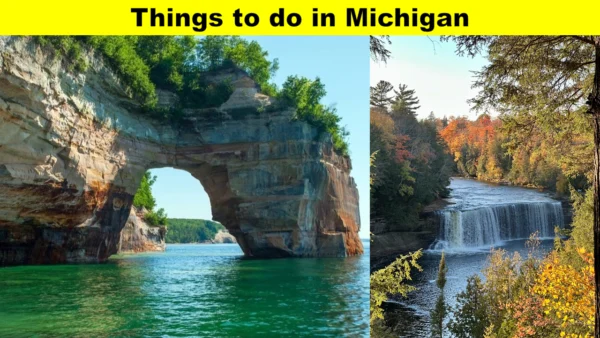
Things to do in Michigan based on NeemTime research from most popular to just popular.
Henry Ford Museum of American Innovation, Michigan
Overview: The Henry Ford Museum of American Innovation in Michigan is a major history and technology museum showcasing American industrial innovation, iconic vehicles, and cultural artifacts.
History: It was founded by Henry Ford to preserve American industrial heritage and inspire future innovation through historical exhibits.
Since when: The museum opened in 1929 and has expanded significantly over the decades into a large innovation complex.
Review: Visitors praise its vast collection, interactive exhibits, and historical significance, though it requires several hours to explore fully.
When to go: The best time to visit is spring or fall weekdays when crowds are lighter.
How to go: It is located in Dearborn near Detroit and is accessible by car, taxi, or guided tours from the city.
What to do: Visitors can explore historic vehicles, aircraft, industrial exhibits, and interactive science displays.
Free or Paid: Entry is paid.
Frederik Meijer Gardens & Sculpture Park, Michigan
Overview: Frederik Meijer Gardens & Sculpture Park is a botanical garden and sculpture park in Michigan featuring themed gardens, outdoor sculptures, and indoor conservatories.
History: It was established through the vision of Frederik Meijer and Lena Meijer to combine art, nature, and education in one space.
Since when: The park opened in 1995 and has grown into one of the most visited cultural attractions in Michigan.
Review: Visitors love its peaceful landscapes, seasonal flowers, and world-class sculptures, though peak seasons can be busy.
When to go: The best time to visit is spring and summer when gardens are in full bloom.
How to go: It is located in Grand Rapids and is best reached by car or local transport.
What to do: Visitors can walk gardens, view sculptures, explore conservatories, and attend seasonal exhibitions.
Free or Paid: Entry is paid.
John Ball Zoo, Michigan
Overview: John Ball Zoo is a family-friendly zoo in Michigan featuring diverse animal exhibits, interactive experiences, and educational programs.
History: It was established in the early 20th century to provide wildlife education and recreation to the Grand Rapids community.
Since when: The zoo has been operating since 1902 and has undergone major expansions and modernization.
Review: Visitors appreciate its well-maintained exhibits, variety of animals, and family-friendly design, though it can be crowded during summer.
When to go: The best time to visit is late spring or early fall for pleasant weather and active animals.
How to go: It is located in Grand Rapids and is accessible by car or local transit.
What to do: Visitors can see animals, attend shows, and participate in educational programs and zoo activities.
Free or Paid: Entry is paid.
Tahquamenon Falls State Park, Michigan
Overview: Tahquamenon Falls State Park is a large natural park in Michigan famous for its powerful waterfalls, forest trails, and scenic wilderness landscapes.
History: It was designated as a protected state park to preserve Michigan’s natural river and forest ecosystems.
Since when: The park has been officially protected since 1947 as part of Michigan’s state park system.
Review: Visitors love its breathtaking waterfalls and hiking trails, though some areas require long walks to access.
When to go: The best time to visit is late spring through autumn when trails are accessible and scenery is at its best.
How to go: It is located in Michigan’s Upper Peninsula and is best reached by car.
What to do: Visitors can hike, view waterfalls, camp, and enjoy nature photography.
Free or Paid: Entry is paid (state park fee).
Belle Isle Park, Michigan
Overview: Belle Isle Park is a large island park in Detroit offering gardens, waterfront views, museums, and recreational spaces.
History: It was designed as a public park in the 19th century and later developed into a major recreational and cultural landmark.
Since when: The park has been open to the public since 1845 and became a state park in 2013.
Review: Visitors enjoy its scenic river views, aquarium, and peaceful escape from the city, though some facilities vary in upkeep.
When to go: The best time to visit is spring and summer for outdoor activities and full park access.
How to go: It is accessible by bridge from Detroit via car, bike, or public transport.
What to do: Visitors can picnic, bike, visit the aquarium, explore gardens, and enjoy waterfront recreation.
Free or Paid: Entry requires a state park pass (paid).
Michigan’s Adventure, Michigan
Overview: Michigan’s Adventure is the largest amusement and water park in Michigan featuring roller coasters, water slides, and family rides in one large outdoor complex.
History: It was originally opened as a small family amusement park and gradually expanded with major roller coasters and a water park section added over time.
Since when: The park has been operating since 1956 and continues to expand seasonal attractions and entertainment offerings.
Review: Visitors enjoy its variety of rides and water attractions, though peak summer days can involve long queues and heavy crowds.
When to go: The best time to visit is June to August when all rides and water park sections are fully open.
How to go: It is located in Muskegon and is best accessed by car from major Michigan cities like Grand Rapids or Detroit.
What to do: Visitors can ride roller coasters, enjoy water slides, attend shows, and spend a full day of family entertainment.
Free or Paid: Entry is paid.
Mackinac Island State Park, Michigan
Overview: Mackinac Island State Park is a historic and scenic park covering much of Mackinac Island featuring limestone formations, forests, and historic landmarks.
History: It was established after the U.S. military fortifications were transferred to civilian protection, preserving the island’s natural and historical heritage.
Since when: The park was officially established in 1895 as one of the first U.S. state parks.
Review: Visitors praise its car-free environment, natural beauty, and historic charm, though travel to the island requires planning.
When to go: The best time to visit is late spring through early fall when ferry services and attractions are fully operational.
How to go: Access is by ferry or small aircraft from mainland Michigan cities such as Mackinaw City or St. Ignace.
What to do: Visitors can bike, hike, explore forts, enjoy horse-drawn carriage tours, and experience scenic lake views.
Free or Paid: Entry is free, but ferry and transport services are paid.
Pictured Rocks National Lakeshore, Michigan
Overview: Pictured Rocks National Lakeshore is a stunning Lake Superior shoreline in Michigan known for colorful sandstone cliffs, waterfalls, and scenic hiking trails.
History: It was designated to protect the unique geological formations and natural shoreline of Lake Superior from development.
Since when: The area has been protected as a national lakeshore since 1966.
Review: Visitors love its breathtaking cliff views and kayaking routes, though weather conditions can change rapidly.
When to go: The best time is summer and early fall for hiking, kayaking, and boat tours.
How to go: It is accessible by car via Munising, Michigan, which serves as the main gateway town.
What to do: Visitors can hike trails, take boat cruises, kayak along cliffs, and photograph waterfalls and rock formations.
Free or Paid: Entry is generally free, but tours and parking may be paid.
Kitch-iti-kipi, Michigan
Overview: Kitch-iti-kipi is Michigan’s largest freshwater spring located in Michigan featuring crystal-clear waters, submerged trees, and a self-operated observation raft.
History: It was preserved as part of a state park to protect its unique natural spring system and cultural significance.
Since when: It has been a protected natural attraction since the early 20th century within Palms Book State Park.
Review: Visitors are amazed by the clarity of the water and unique raft experience, though it is a small site with limited activities.
When to go: The best time is late spring to early fall when weather conditions are comfortable and access is easiest.
How to go: It is located in Michigan’s Upper Peninsula and is best reached by car.
What to do: Visitors can ride the observation raft, view underwater springs, and enjoy photography of the natural scenery.
Free or Paid: Entry is paid as part of state park admission.
Silver Beach County Park, Michigan
Overview: Silver Beach County Park is a popular Lake Michigan beachfront park in Michigan featuring sandy beaches, playgrounds, and lakefront recreation.
History: It was developed as a public recreational beach area to enhance access to Lake Michigan’s shoreline for residents and tourists.
Since when: The park has existed in various forms since the early 20th century as part of St. Joseph’s waterfront development.
Review: Visitors enjoy its clean beach, sunsets, and family-friendly environment, though parking can be crowded during peak season.
When to go: The best time is summer, especially June through August, for swimming and beach activities.
How to go: It is located in St. Joseph and is easily reached by car from southwestern Michigan cities.
What to do: Visitors can swim, sunbathe, picnic, walk the pier, and enjoy Lake Michigan sunsets.
Free or Paid: Entry is paid (parking fee).
Motown Museum, Michigan
Overview: Motown Museum is a world-famous music heritage museum in Detroit preserving the legacy of Motown Records and its legendary artists.
History: It is located in the original “Hitsville U.S.A.” building where Berry Gordy founded Motown Records and recorded iconic soul and pop music.
Since when: The museum has been open to the public since 1985 and continues to expand with ongoing renovation projects.
Review: Visitors highly praise its emotional storytelling, historic recording studio tours, and deep musical significance, though tickets often sell out quickly.
When to go: The best time to visit is weekdays and off-peak seasons when guided tour availability is higher.
How to go: It is located in central Detroit and is accessible by car, taxi, or public transport from downtown areas.
What to do: Visitors can tour recording studios, see original memorabilia, and learn about Motown artists and music history.
Free or Paid: Entry is paid.
SEA LIFE Michigan Aquarium, Michigan
Overview: SEA LIFE Michigan Aquarium is an interactive underwater attraction in Michigan featuring marine species, tunnel walkways, and educational exhibits.
History: It was developed as part of the global SEA LIFE brand to provide immersive marine education experiences for families.
Since when: The aquarium has been operating since 2015 as part of the Great Lakes Crossing entertainment complex.
Review: Visitors enjoy its tunnel aquarium, interactive displays, and family-friendly layout, though it is relatively small compared to large coastal aquariums.
When to go: The best time is weekdays or early mornings to avoid school groups and weekend crowds.
How to go: It is located in Auburn Hills near Detroit and is easily reached by car or highway routes.
What to do: Visitors can view marine life, walk through underwater tunnels, and attend educational presentations.
Free or Paid: Entry is paid.
Binder Park Zoo, Michigan
Overview: Binder Park Zoo is a large natural-style zoo in Michigan featuring African savannas, wildlife habitats, and conservation programs.
History: It was established to promote wildlife education and conservation through immersive animal habitat design.
Since when: The zoo opened in 1977 and has expanded significantly with new themed exhibits over time.
Review: Visitors appreciate its spacious animal habitats and safari-style experience, though walking distances can be long.
When to go: The best time is late spring to early fall when animals are most active and outdoor exhibits are fully open.
How to go: It is located in Battle Creek and is best accessed by car.
What to do: Visitors can see lions, giraffes, elephants, and participate in educational zoo programs.
Free or Paid: Entry is paid.
Detroit Riverwalk, Michigan
Overview: Detroit Riverwalk is a scenic waterfront walkway in Detroit offering parks, bike paths, public art, and views of the Detroit River.
History: It was developed as part of Detroit’s urban revitalization project to reconnect the city with its waterfront.
Since when: The Riverwalk began development in the early 2000s and continues to expand in phases.
Review: Visitors love its clean, modern design, river views, and relaxing atmosphere, especially during sunset walks.
When to go: The best time is spring through fall, especially evenings and weekends.
How to go: It is accessible from downtown Detroit by walking, biking, or public transport.
What to do: Visitors can walk, bike, relax in parks, enjoy events, and dine at nearby restaurants.
Free or Paid: Entry is free.
Windmill Island Gardens, Michigan
Overview: Windmill Island Gardens is a Dutch-themed garden park in Michigan featuring tulip gardens, canals, and a historic windmill.
History: It was created to celebrate Dutch heritage in Michigan and preserve cultural traditions of early settlers in the region.
Since when: The gardens have been open since 1965 as a cultural and botanical attraction.
Review: Visitors enjoy its colorful tulip displays, peaceful gardens, and cultural charm, though it is most vibrant during spring.
When to go: The best time is April to May during the tulip bloom season.
How to go: It is located in Holland, Michigan, and is accessible by car from Grand Rapids or nearby cities.
What to do: Visitors can explore gardens, tour the windmill, take photos, and learn about Dutch culture.
Free or Paid: Entry is paid.
Greenfield Village, Michigan
Overview: Greenfield Village is a historic open-air museum in Michigan showcasing preserved buildings, vintage transport, and living-history exhibits linked to American innovation.
History: It was created by Henry Ford to preserve historic American structures and demonstrate the nation’s industrial and cultural evolution.
Since when: The village opened to the public in 1929 and has expanded into a major heritage tourism destination.
Review: Visitors praise its immersive historical experience, vintage train rides, and authentic reconstructed sites, though it requires several hours to explore fully.
When to go: The best time to visit is spring through fall when outdoor exhibits and demonstrations are fully active.
How to go: It is located in Dearborn near Detroit and is accessible by car, taxi, or organized tours.
What to do: Visitors can explore historic buildings, ride vintage transport, and watch live historical demonstrations.
Free or Paid: Entry is paid.
Potter Park Zoo, Michigan
Overview: Potter Park Zoo is a family-friendly zoo in Michigan featuring diverse wildlife exhibits, conservation programs, and educational experiences.
History: It was established in the early 20th century as a municipal zoo to provide public recreation and animal education in Lansing.
Since when: The zoo has been operating since 1915 and has undergone multiple expansions and modernizations.
Review: Visitors appreciate its manageable size, variety of animals, and educational programs, though it is smaller than major metropolitan zoos.
When to go: The best time is late spring to early fall when animals are more active outdoors.
How to go: It is located in Lansing and is accessible by car or local transport.
What to do: Visitors can see animals, attend educational shows, and explore walking paths and exhibits.
Free or Paid: Entry is paid.
Sleeping Bear Dunes National Lakeshore, Michigan
Overview: Sleeping Bear Dunes National Lakeshore is a stunning natural area in Michigan known for massive sand dunes, Lake Michigan shoreline, forests, and scenic drives.
History: It was designated to protect the unique dune ecosystems and shoreline landscapes from development and preserve natural heritage.
Since when: The area has been protected as a national lakeshore since 1970.
Review: Visitors are amazed by its breathtaking dune views, hiking opportunities, and lake scenery, though climbing dunes can be physically demanding.
When to go: The best time is summer and early fall for warm weather and full trail accessibility.
How to go: It is accessible by car from Traverse City and surrounding northern Michigan towns.
What to do: Visitors can hike dunes, swim, take scenic drives, and enjoy photography and nature exploration.
Free or Paid: Entry is paid (park pass required).
Gilmore Car Museum, Michigan
Overview: Gilmore Car Museum is one of North America’s largest automotive museums in Michigan featuring classic cars, vintage garages, and automotive history exhibits.
History: It was founded by Donald S. Gilmore to preserve classic automobiles and celebrate automotive heritage.
Since when: The museum opened in 1966 and has grown into a major car culture destination.
Review: Visitors love its extensive car collections, nostalgic atmosphere, and themed garages, though it is best visited with ample time.
When to go: The best time is spring through fall when all exhibits and outdoor displays are open.
How to go: It is located in southwestern Michigan and is best reached by car.
What to do: Visitors can explore vintage cars, themed buildings, car shows, and automotive exhibits.
Free or Paid: Entry is paid.
LEGOLAND® Discovery Center Michigan, Michigan
Overview: LEGOLAND Discovery Center Michigan is an indoor LEGO-themed family attraction in Michigan featuring rides, play zones, and interactive building experiences.
History: It was created as part of the global LEGOLAND Discovery Center brand to provide interactive LEGO entertainment for children.
Since when: It opened in 2010 as part of the Great Lakes Crossing entertainment complex.
Review: Families appreciate its creative play areas and child-friendly activities, though it primarily caters to younger children.
When to go: The best time is weekday mornings or afternoons to avoid weekend crowds.
How to go: It is located in Auburn Hills near Detroit and is easily accessible by car.
What to do: Visitors can build LEGO models, enjoy rides, watch 4D movies, and explore themed play zones.
Free or Paid: Entry is paid.
Soo Locks, Michigan
Overview: Soo Locks is a historic engineering lock system in Michigan that allows ships to travel between Lake Superior and the lower Great Lakes through different water levels.
History: It was built to bypass the rapids of the St. Marys River and became one of the most important shipping corridors in North America.
Since when: The first Soo Lock opened in 1855, with modern expanded locks added throughout the 20th century.
Review: Visitors find it fascinating to watch massive freighters pass through the locks, though viewing areas can get crowded during peak shipping season.
When to go: The best time is late spring to early fall when shipping traffic is active and observation centers are open.
How to go: It is located in Sault Ste. Marie and is best reached by car via Michigan’s Upper Peninsula highways.
What to do: Visitors can watch ships pass, visit observation platforms, explore museums, and learn about maritime engineering.
Free or Paid: Entry and viewing areas are generally free.
Saugatuck Dune Rides, Michigan
Overview: Saugatuck Dune Rides is an off-road adventure attraction in Michigan offering guided dune buggy rides across Lake Michigan’s sand dunes.
History: It was established as a family-run attraction to showcase the unique coastal dune landscape of western Michigan.
Since when: The dune rides have operated since 1954 as a long-standing tourist experience.
Review: Visitors enjoy the thrilling rides, scenic dune views, and fun storytelling guides, though it is seasonal and weather-dependent.
When to go: The best time is late spring through early fall when dunes are dry and rides operate regularly.
How to go: It is located in Saugatuck and is best reached by car from Grand Rapids or nearby lake towns.
What to do: Visitors can take guided dune rides, enjoy scenic viewpoints, and explore nearby beaches.
Free or Paid: Entry is paid.
Boulder Ridge Wild Animal Park, Michigan
Overview: Boulder Ridge Wild Animal Park is a wildlife park in Michigan featuring exotic animals, safari-style exhibits, and interactive animal experiences.
History: It was created as a private wildlife park to provide close-up animal encounters and conservation education.
Since when: The park has been operating since the early 2000s and continues to expand its exhibits.
Review: Visitors appreciate the interactive animal experiences and family-friendly atmosphere, though it is smaller than major zoos.
When to go: The best time is summer when all outdoor exhibits and animal activities are open.
How to go: It is located near Grand Rapids and is accessible by car.
What to do: Visitors can feed animals, explore safari trails, and participate in guided animal encounters.
Free or Paid: Entry is paid.
Arch Rock, Michigan
Overview: Arch Rock is a natural limestone arch formation in Michigan offering scenic views of Lake Huron from Mackinac Island’s cliffs.
History: It was formed through thousands of years of natural erosion of limestone rock by wind and water.
Since when: The formation has existed for thousands of years and became a protected landmark within Mackinac Island State Park in the 19th century.
Review: Visitors love its dramatic views and photo opportunities, though reaching it requires biking or walking uphill trails.
When to go: The best time is late spring through early fall when Mackinac Island is fully accessible.
How to go: It can be reached by ferry to Mackinac Island followed by biking, walking, or carriage transport.
What to do: Visitors can hike trails, take photos, and enjoy panoramic views of Lake Huron.
Free or Paid: Entry is free, but ferry transport is paid.
Silver Lake State Park, Michigan
Overview: Silver Lake State Park is a popular recreation area in Michigan known for its massive sand dunes, Lake Michigan shoreline, and off-road vehicle area.
History: It was established to preserve the unique dune ecosystem and provide public access to Lake Michigan’s coastal environment.
Since when: The park has been protected since 1920 as part of Michigan’s state park system.
Review: Visitors enjoy dune riding, beach activities, and scenic views, though some areas require off-road permits or special access.
When to go: The best time is summer for beach activities and dune recreation.
How to go: It is located near Mears and is best reached by car from western Michigan cities.
What to do: Visitors can drive on dunes (permit required), swim, picnic, and explore sandy landscapes.
Free or Paid: Entry is paid (state park pass and permits may apply).
Ann Arbor Hands-On Museum, Michigan
Overview: Ann Arbor Hands-On Museum is an interactive science museum in Michigan designed for hands-on learning through exhibits in physics, engineering, and everyday science.
History: It was established in a historic firehouse building to make science education more engaging and accessible for children and families.
Since when: The museum has been operating since 1982 and has expanded its exhibits over time into multiple interactive floors.
Review: Visitors praise its highly interactive displays and educational value, though it is especially geared toward younger children.
When to go: The best time to visit is weekdays or mornings to avoid school groups and weekend crowds.
How to go: It is located in downtown Ann Arbor and is easily accessible by car, walking, or public transportation.
What to do: Visitors can explore science exhibits, experiment with hands-on stations, and participate in learning activities.
Free or Paid: Entry is paid.
Matthaei Botanical Gardens, Michigan
Overview: Matthaei Botanical Gardens is a large botanical garden in Michigan featuring conservatories, native plant collections, and nature trails.
History: It was developed by the University of Michigan to support botanical research, conservation, and public education.
Since when: The gardens have been open since 1958 and continue to serve as a research and recreational facility.
Review: Visitors enjoy its peaceful trails, diverse plant species, and greenhouse environments, though some areas are seasonal.
When to go: The best time is spring and summer when outdoor gardens are in full bloom.
How to go: It is located in Ann Arbor and is accessible by car or local bus services.
What to do: Visitors can walk trails, explore greenhouses, enjoy nature photography, and attend educational programs.
Free or Paid: Entry is free for outdoor areas, while some conservatory exhibits may be paid.
Ludington State Park and Campgrounds, Michigan
Overview: Ludington State Park is a scenic lakeside park in Michigan featuring beaches, sand dunes, forests, and campgrounds along Lake Michigan.
History: It was established to preserve the natural shoreline, forests, and wildlife habitats of the region.
Since when: The park has been protected since 1927 as part of Michigan’s state park system.
Review: Visitors love its clean beaches, hiking trails, and camping facilities, though reservations are often needed in peak season.
When to go: The best time is summer for camping and beach activities, or fall for hiking and scenery.
How to go: It is located near Ludington and is best reached by car from western Michigan cities.
What to do: Visitors can swim, hike, camp, kayak, and explore dunes and forests.
Free or Paid: Entry is paid (state park pass required).
Shepler’s Mackinac Island Ferry, Michigan
Overview: Shepler’s Mackinac Island Ferry is a major passenger ferry service in Michigan providing transport between the mainland and Mackinac Island.
History: It was established to support tourism and transportation needs for Mackinac Island, where motor vehicles are restricted.
Since when: The service has been operating since 1955 and remains one of the primary island transport providers.
Review: Travelers appreciate its fast service, reliability, and scenic lake crossings, though tickets are required in advance during peak season.
When to go: The best time is late spring through early fall when ferry frequency is highest.
How to go: It departs from Mackinaw City and St. Ignace and is accessible by car or regional transport.
What to do: Visitors can take ferry rides, enjoy Lake Huron views, and travel to Mackinac Island.
Free or Paid: Entry is paid.
Michigan Science Center, Michigan
Overview: Michigan Science Center is an interactive science museum in Michigan featuring STEM exhibits, planetarium shows, and educational demonstrations.
History: It was developed as a modern science education center to promote STEM learning for students and families.
Since when: The center opened in 2012 on the site of the former Detroit Science Center.
Review: Visitors enjoy its engaging exhibits, live demonstrations, and planetarium, though it is best suited for families and school groups.
When to go: The best time is weekdays or mornings to avoid school excursions and weekend crowds.
How to go: It is located in Detroit and is accessible by car, bus, or downtown transit options.
What to do: Visitors can explore science exhibits, watch shows, and participate in interactive STEM activities.
Free or Paid: Entry is paid.