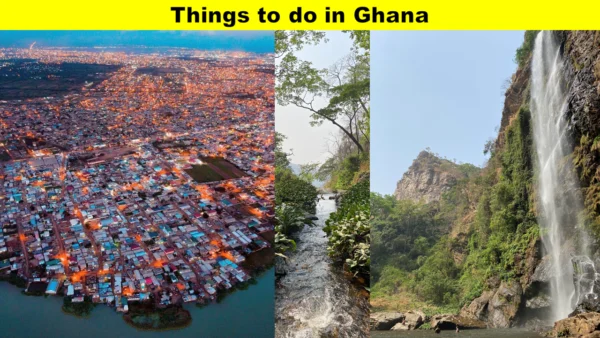
Things to do in Ghana based on NeemTime research from most popular to just popular.
Accra Mall, Ghana
Overview: Accra Mall is a modern retail and leisure center in Accra featuring international brands, restaurants, cinemas, and entertainment spaces in a fully air-conditioned environment.
History: It was developed to modernize shopping culture in Ghana by introducing a large-scale international-standard mall experience in the capital city.
Since when: The mall opened in 2008 and quickly became one of the most popular commercial hubs in Accra.
Review: Visitors appreciate its clean environment, wide shopping variety, and dining options, though it can become crowded on weekends and holidays.
When to go: The best time to visit is weekday mornings or early afternoons for a quieter shopping experience.
How to go: It is located along the Tetteh Quarshie Interchange and is easily accessible by taxi, ride-hailing services, or public transport.
What to do: Visitors can shop for fashion and electronics, watch movies, dine at restaurants, and relax in entertainment zones.
Free or Paid: Entry is free, but shopping, dining, and entertainment are paid.
West Hills Mall, Ghana
Overview: West Hills Mall is one of Ghana’s largest shopping malls located near Accra offering retail stores, supermarkets, cinemas, and family entertainment facilities.
History: It was built to expand modern retail infrastructure beyond central Accra and serve growing suburban populations.
Since when: The mall opened in 2014 and has since become a major shopping destination in the Greater Accra Region.
Review: Visitors like its spacious layout, diverse shops, and relaxed environment, though travel time from central Accra can be long due to traffic.
When to go: The best time to visit is weekday mornings or early evenings before peak traffic hours.
How to go: It is located along the Accra–Cape Coast highway and is accessible by taxi, private car, or ride-hailing services.
What to do: Visitors can shop, dine, watch movies, and enjoy indoor entertainment facilities.
Free or Paid: Entry is free, but shopping and entertainment are paid.
Kaneshie Market Complex, Ghana
Overview: Kaneshie Market Complex is a bustling traditional market in Accra known for clothing, foodstuffs, household goods, and vibrant local trading activity.
History: It was developed as part of Accra’s urban market system to organize informal trading into a structured commercial complex.
Since when: The market has been active since the mid-20th century and continues to be a major trading hub.
Review: Visitors experience an authentic and energetic atmosphere, though it can be crowded and chaotic during peak hours.
When to go: The best time to visit is early morning when goods are fresh and crowds are manageable.
How to go: It is located in central Accra and accessible by tro-tro, taxi, or walking from nearby districts.
What to do: Visitors can shop for textiles, food items, and local goods while experiencing Ghanaian market culture.
Free or Paid: Entry is free, but purchases are paid.
Aburi Gardens, Ghana
Overview: Aburi Botanical Gardens is a scenic botanical garden near Accra featuring exotic plants, tall palm trees, and peaceful walking paths in a cool mountain climate.
History: It was established during the colonial era as a research and conservation center for tropical plants.
Since when: The gardens were opened in 1890 and remain one of Ghana’s oldest botanical institutions.
Review: Visitors praise its tranquility, lush greenery, and scenic views, though maintenance levels can vary.
When to go: The best time to visit is during the dry season when pathways are easier to walk and weather is pleasant.
How to go: It is located about 45–60 minutes from Accra and accessible by private car, taxi, or guided tour.
What to do: Visitors can explore botanical collections, relax in gardens, and enjoy picnics in a natural setting.
Free or Paid: Entry is paid.
Cape Coast Castle, Ghana
Overview: Cape Coast Castle is a historic coastal fortress in Cape Coast and a UNESCO World Heritage Site that played a major role in the transatlantic slave trade.
History: It was built by European colonial powers and served as a major trading post and holding site for enslaved Africans before shipment.
Since when: The castle dates back to the 17th century and underwent multiple expansions under different colonial administrations.
Review: Visitors find it deeply emotional, historically powerful, and educational, though it can be intense due to its tragic history.
When to go: The best time to visit is in the morning or late afternoon to avoid heat and tour group crowds.
How to go: It is about 2–3 hours from Accra and accessible by bus, taxi, or guided historical tours.
What to do: Visitors can tour dungeons, museums, courtyards, and learn about the history of the slave trade.
Free or Paid: Entry is paid with guided tour fees.
Kwame Nkrumah Memorial Park, Ghana
Overview: Kwame Nkrumah Mausoleum and Memorial Park is a national monument in Accra dedicated to Ghana’s first president Kwame Nkrumah, featuring a mausoleum, museum, and landscaped gardens.
History: It was built on the site of the former British colonial polo grounds to honor Nkrumah’s leadership in Ghana’s independence movement and his legacy as a pan-African icon.
Since when: The memorial park was inaugurated in 1992 after Ghana’s return to constitutional rule.
Review: Visitors appreciate its peaceful gardens, informative museum exhibits, and national symbolism, though some sections may feel modest in scale compared to expectations.
When to go: The best time to visit is in the morning or late afternoon when temperatures are cooler and lighting is ideal for photography.
How to go: It is located in central Accra near the Gulf of Guinea and is easily accessible by taxi, ride-hailing services, or public transport.
What to do: Visitors can tour the mausoleum, explore the museum, view artifacts, and walk through commemorative gardens.
Free or Paid: Entry is paid.
Achimota Forest, Ghana
Overview: Achimota Forest Reserve is a protected urban forest in Accra offering biodiversity, walking trails, and a rare green escape within the capital city.
History: It was originally part of a larger colonial-era forest reserve later reduced due to urban expansion but retained for conservation purposes.
Since when: The forest has existed as a protected area since the early 20th century with conservation status evolving over time.
Review: Visitors enjoy its calm environment and wildlife sightings, though accessibility and maintenance can vary in different sections.
When to go: The best time to visit is early morning or late afternoon when wildlife is more active and temperatures are cooler.
How to go: It is located near the Achimota area of Accra and is accessible by taxi or private car.
What to do: Visitors can walk nature trails, observe birds and small wildlife, and enjoy a quiet natural environment.
Free or Paid: Entry is free or may require small conservation fees depending on access points.
Makola Market, Ghana
Overview: Makola Market is one of the busiest traditional markets in Accra known for its vibrant trade in textiles, foodstuffs, spices, and everyday goods.
History: It developed as a major commercial trading hub during colonial times and expanded into a central marketplace for Accra’s urban population.
Since when: The market has been active since the early 20th century and remains a core part of Accra’s informal economy.
Review: Visitors experience a lively, colorful, and authentic market atmosphere, though navigation can be challenging due to crowds and congestion.
When to go: The best time to visit is early morning when goods are fresh and trading activity is at its peak.
How to go: It is located in central Accra and is accessible by tro-tro, taxi, or walking from nearby districts.
What to do: Visitors can shop for fabrics, food items, and local crafts while experiencing Ghanaian street commerce.
Free or Paid: Entry is free, but purchases are paid.
Elmina Castle, Ghana
Overview: Elmina Castle is a historic coastal fortress in Elmina and UNESCO World Heritage Site that played a major role in the transatlantic slave trade.
History: It was built by the Portuguese in the 15th century and later controlled by Dutch and British colonial powers as a slave trading hub.
Since when: The castle was originally constructed in 1482 and is one of the oldest European buildings in sub-Saharan Africa.
Review: Visitors find it powerful, emotional, and educational, though its history is deeply somber and impactful.
When to go: The best time to visit is morning or late afternoon to avoid heat and tour group congestion.
How to go: It is about 3 hours from Accra and accessible by bus, taxi, or guided historical tours.
What to do: Visitors can tour dungeons, courtyards, museums, and learn about the transatlantic slave trade.
Free or Paid: Entry is paid with guided tours included.
Kakum National Park, Ghana
Overview: Kakum National Park is a tropical rainforest reserve in Cape Coast known for its canopy walkway, diverse wildlife, and rich biodiversity.
History: It was established to protect Ghana’s rainforest ecosystem and endangered species from deforestation and habitat loss.
Since when: The park was officially designated in 1992 and has since become one of Ghana’s top ecotourism destinations.
Review: Visitors love the thrilling canopy walk, dense rainforest scenery, and wildlife experience, though heights may be challenging for some.
When to go: The best time to visit is during the dry season when trails are safer and visibility is better.
How to go: It is about 3–4 hours from Accra and accessible by car, bus, or organized tours.
What to do: Visitors can walk the canopy bridge, hike forest trails, and observe birds and forest wildlife.
Free or Paid: Entry is paid.
Manhyia Palace Museum, Ghana
Overview: Manhyia Palace Museum is a historic royal palace museum in Kumasi showcasing Asante royal heritage, regalia, and the legacy of the Ashanti Kingdom.
History: It was originally built as the official residence of the Asantehene (Ashanti king) under British colonial influence and later converted into a museum to preserve royal history.
Since when: The palace was constructed in 1925 and opened as a museum in 1995.
Review: Visitors appreciate its rich cultural artifacts, knowledgeable guides, and deep insight into Ashanti traditions, though photography restrictions apply in some areas.
When to go: The best time to visit is during weekday mornings or festival periods like Akwasidae for cultural ceremonies.
How to go: It is located in central Kumasi and is easily accessible by taxi, tro-tro, or guided tours.
What to do: Visitors can explore royal artifacts, ceremonial regalia, historical exhibits, and palace courtyards.
Free or Paid: Entry is paid.
Akosnachi Enterprise Gh., Ghana
Overview: Akosnachi Enterprise Gh is a local Ghanaian commercial enterprise in Ghana involved in trading and service activities within community-level markets and business networks.
History: It developed as part of Ghana’s growing informal and small business sector supporting local trade and entrepreneurship.
Since when: The enterprise has been operating in recent years as part of modern small-business expansion in Ghana.
Review: Customers generally value its accessibility and local service presence, though detailed public tourism-oriented reviews are limited.
When to go: The best time to visit depends on business hours, typically during weekday working periods.
How to go: It can be reached via local transport such as taxis or tro-tro depending on its specific location within Ghana.
What to do: Visitors or customers can engage in purchasing goods, business services, or local trade interactions.
Free or Paid: Transactions are paid based on services or goods provided.
W.E.B Du Bois Memorial Centre for Pan-African Culture, Ghana
Overview: W.E.B. Du Bois Memorial Centre for Pan-African Culture is a cultural and historical site in Accra dedicated to African-American scholar W.E.B. Du Bois and Pan-African heritage.
History: It was established at the residence where Du Bois spent his final years, transforming his home into a memorial and research center.
Since when: The centre was officially opened in 1985 to promote Pan-African studies and cultural exchange.
Review: Visitors appreciate its historical importance, archives, and peaceful atmosphere, though some facilities may appear modest.
When to go: The best time to visit is during weekday mornings for guided tours and quieter exploration.
How to go: It is located in the Cantonments area of Accra and is accessible by taxi or ride-hailing services.
What to do: Visitors can explore the mausoleum, museum exhibits, library archives, and cultural displays.
Free or Paid: Entry is paid.
Kejetia Market (New), Ghana
Overview: Kejetia Market is one of West Africa’s largest urban markets in Kumasi featuring thousands of stalls selling clothing, food, electronics, and household goods in a massive commercial complex.
History: It was rebuilt as a modern upgrade to the old Kejetia Market to improve trading infrastructure and accommodate growing commercial activity in Kumasi.
Since when: The new market complex opened in 2018 as part of a major urban redevelopment project.
Review: Visitors find it vibrant, massive, and culturally immersive, though navigation can be overwhelming due to its size.
When to go: The best time to visit is early morning or weekdays when crowds are slightly lighter.
How to go: It is centrally located in Kumasi and accessible by taxi, tro-tro, or walking from nearby areas.
What to do: Visitors can shop for textiles, food items, electronics, and experience Ghanaian market culture.
Free or Paid: Entry is free, but purchases are paid.
Legon Botanical Gardens Ghana
Overview: Legon Botanical Gardens is a recreational nature park in Accra offering canopy walkways, kayaking, picnic areas, and lush green landscapes near the University of Ghana.
History: It was developed as a private eco-tourism and recreation initiative to promote outdoor leisure and environmental education.
Since when: The gardens have been operating since the early 2010s as a modern eco-adventure destination.
Review: Visitors enjoy its peaceful environment, adventure activities, and well-maintained facilities, though some activities require extra fees.
When to go: The best time to visit is during weekends or dry season when outdoor activities are fully operational.
How to go: It is located in Legon near the University of Ghana and is accessible by taxi or private car from Accra.
What to do: Visitors can enjoy canopy walks, kayaking, picnics, nature walks, and family activities.
Free or Paid: Entry is paid, and activities are separately charged.
Efua Sutherland Children’s Park, Ghana
Overview: Efua Sutherland Children’s Park is a major urban recreational park in Accra designed for children’s play, outdoor events, and family leisure activities in a central green space.
History: It was created to provide a dedicated recreational area for children in Accra and named after the renowned Ghanaian playwright Efua Sutherland.
Since when: The park was established in 1979 and has served as a key public recreation space in the capital.
Review: Visitors appreciate its open spaces and child-friendly facilities, though some areas may require renovation or improved maintenance.
When to go: The best time to visit is during weekends or school holidays when activities and families bring the park to life.
How to go: It is centrally located in Accra near the National Theatre area and accessible by taxi, tro-tro, or walking.
What to do: Visitors can enjoy playgrounds, outdoor games, events, and family picnics.
Free or Paid: Entry is free or may require small fees for special events.
Accra Arts Centre, Ghana
Overview: Accra Arts Centre is a vibrant cultural marketplace in Accra showcasing traditional crafts, textiles, carvings, and Ghanaian artwork for tourists and locals.
History: It was established to promote Ghanaian cultural heritage and provide artisans with a central marketplace for traditional crafts.
Since when: The centre has been operating since the mid-20th century and remains a key cultural trading hub.
Review: Visitors enjoy its colorful atmosphere, bargaining experience, and authentic handmade crafts, though prices may require negotiation.
When to go: The best time to visit is in the morning when stalls are fully open and crowds are lighter.
How to go: It is located near the National Theatre in Accra and is accessible by taxi, tro-tro, or walking.
What to do: Visitors can shop for crafts, souvenirs, textiles, and observe traditional artisans at work.
Free or Paid: Entry is free, but purchases are paid.
Sandbox Beach Club, Ghana
Overview: Sandbox Beach Club is a modern beachfront leisure venue in Accra offering music, dining, nightlife, and oceanfront relaxation in a stylish social environment.
History: It was developed as part of Accra’s growing beach entertainment culture catering to both locals and international visitors.
Since when: The beach club has been operating since the late 2010s as a premium coastal entertainment spot.
Review: Visitors enjoy its lively atmosphere, music events, and ocean views, though it can be expensive and crowded during peak nights.
When to go: The best time to visit is evenings and weekends when events, DJs, and nightlife activities are active.
How to go: It is located along Accra’s coastline and is accessible by taxi or ride-hailing services.
What to do: Visitors can enjoy beach lounging, music events, cocktails, dining, and nightlife entertainment.
Free or Paid: Entry is paid, often with additional charges for events and services.
Coconut Grove Beach Resort, Ghana
Overview: Coconut Grove Beach Resort is a coastal resort in Elmina offering beachfront accommodation, leisure facilities, and access to nearby historical attractions like Elmina Castle.
History: It was developed to promote tourism along Ghana’s central coast and support heritage tourism near historic forts.
Since when: The resort has been operating since the late 20th century as part of Ghana’s coastal tourism development.
Review: Guests appreciate its scenic ocean views, relaxed atmosphere, and proximity to heritage sites, though facilities may vary seasonally.
When to go: The best time to visit is during the dry season when beach weather is most favorable.
How to go: It is located near Elmina and is accessible by road from Accra via bus, taxi, or private car.
What to do: Visitors can relax on the beach, enjoy resort amenities, and explore nearby castles and historical sites.
Free or Paid: Accommodation and services are paid.
AFRIKIKO RIVER FRONT RESORT, Ghana
Overview: Afrikiko River Front Resort is a riverside leisure and hospitality resort near Accra offering nature views, accommodation, events, and recreational activities.
History: It was developed as an eco-tourism and relaxation destination combining hospitality with natural riverside scenery.
Since when: The resort has been operating since the early 2000s as a popular getaway near Accra.
Review: Visitors enjoy its peaceful environment, outdoor activities, and event spaces, though some facilities may feel rustic.
When to go: The best time to visit is weekends or holidays for events or weekdays for quieter relaxation.
How to go: It is located in Dodowa and is accessible by car or taxi from Accra within about an hour.
What to do: Visitors can enjoy swimming, events, nature walks, team outings, and riverside relaxation.
Free or Paid: Entry and services are paid depending on activities and accommodation.
Labadi Beach, Ghana
Overview: Labadi Beach is one of the most popular public beaches in Accra known for lively music, horse riding, street food, and vibrant weekend entertainment along the Atlantic coast.
History: It developed as a public recreational beach area in Accra and gradually became a cultural hotspot for music, tourism, and local weekend gatherings.
Since when: The beach has been a major public leisure space since the mid-20th century and grew in popularity from the 1980s onward.
Review: Visitors enjoy its energetic atmosphere, live drumming, and ocean views, though cleanliness and crowding can vary depending on the day.
When to go: The best time to visit is weekends and public holidays when performances and activities are at their peak.
How to go: It is located along the La coastal area of Accra and is easily accessible by taxi, tro-tro, or ride-hailing services.
What to do: Visitors can enjoy horse riding, beach sports, live music, street food, and sunset views.
Free or Paid: Entry is usually paid with a small gate fee.
Kumasi Zoological Gardens, Ghana
Overview: Kumasi Zoological Gardens is a small urban zoo in Kumasi featuring native wildlife species such as monkeys, reptiles, and birds in a compact park setting.
History: It was established to provide wildlife education and conservation awareness in the Ashanti Region.
Since when: The zoo has existed since the mid-20th century and remains one of Ghana’s oldest zoological parks.
Review: Visitors find it educational and family-friendly, though animal enclosures and facilities may appear basic.
When to go: The best time to visit is morning hours when animals are more active and the weather is cooler.
How to go: It is located near Kumasi city center and is accessible by taxi, tro-tro, or walking.
What to do: Visitors can view animals, learn about wildlife conservation, and enjoy a short family outing.
Free or Paid: Entry is paid.
Alora Beach Resort, Ghana
Overview: Alora Beach Resort is a modern beachfront leisure resort in Accra offering accommodation, dining, and seaside relaxation in a stylish coastal setting.
History: It was developed as part of Ghana’s expanding hospitality sector catering to beach tourism and weekend leisure escapes.
Since when: The resort has been operating since the 2010s as a relatively new coastal destination.
Review: Visitors appreciate its clean facilities, relaxing atmosphere, and ocean views, though prices can be on the higher side.
When to go: The best time to visit is during weekends or dry season for ideal beach weather.
How to go: It is located along Accra’s coastline and is accessible by taxi or ride-hailing services.
What to do: Visitors can swim, dine, relax by the beach, and enjoy resort amenities.
Free or Paid: Entry and services are paid.
RockzWaakye, Ghana
Overview: Rockz Waakye is a popular local food joint in Accra specializing in traditional Ghanaian waakye served with assorted meats, eggs, and spicy accompaniments.
History: It was established to serve affordable, authentic Ghanaian street food with a focus on the beloved waakye dish.
Since when: The restaurant has been operating since the 2010s as part of Accra’s fast-growing local food scene.
Review: Visitors enjoy its flavorful dishes, generous portions, and authentic taste, though queues can be long during peak hours.
When to go: The best time to visit is early morning or lunchtime when food is freshly prepared.
How to go: It is located in Accra and accessible by taxi, tro-tro, or ride-hailing services depending on branch.
What to do: Visitors can enjoy traditional waakye meals and local Ghanaian street food combinations.
Free or Paid: Dining is paid based on menu selection.
Okomfo Anokye Sword Site, Ghana
Overview: Okomfo Anokye Sword Site is a sacred historical site in Kumasi featuring a legendary sword believed to be immovable and central to Ashanti kingdom mythology.
History: It is associated with Okomfo Anokye, a powerful priest and co-founder of the Ashanti Kingdom, who is said to have planted the sword centuries ago.
Since when: The site dates back to the 17th century during the formation of the Ashanti Empire.
Review: Visitors find it culturally fascinating and spiritually significant, though the site itself is simple with limited infrastructure.
When to go: The best time to visit is during cultural tours or daytime hours for guided explanations.
How to go: It is located in central Kumasi and is easily accessible by taxi or local transport.
What to do: Visitors can view the legendary sword site, learn Ashanti history, and explore nearby cultural landmarks.
Free or Paid: Entry is usually free or requires a small guide fee.
Busua Beach Resort, Ghana
Overview: Busua Beach Resort is a beachfront hospitality destination in Busua known for surfing, relaxed coastal vibes, and scenic Atlantic Ocean views.
History: It was developed to support coastal tourism in Ghana’s Western Region, especially around Busua’s growing reputation as a surfing hotspot.
Since when: The resort has been operating since the late 20th century and became more popular as Ghana’s beach tourism expanded.
Review: Visitors enjoy its laid-back atmosphere, surf-friendly waves, and oceanfront location, though facilities can feel rustic compared to urban hotels.
When to go: The best time to visit is during the dry season when seas are calmer and beach conditions are ideal.
How to go: It is located near Takoradi and is accessible by road from Accra via bus, taxi, or private vehicle followed by a coastal drive.
What to do: Visitors can surf, swim, relax on the beach, enjoy seafood, and explore nearby coastal villages.
Free or Paid: Accommodation and services are paid.
National Museum of Ghana, Ghana
Overview: National Museum of Ghana is a major cultural institution in Accra showcasing Ghanaian archaeology, ethnography, and historical artifacts from prehistoric to modern times.
History: It was established to preserve and display Ghana’s cultural heritage and promote national identity after independence.
Since when: The museum was opened in 1957 as one of Ghana’s earliest national cultural institutions.
Review: Visitors appreciate its educational exhibits, historical depth, and cultural significance, though some galleries may require modernization.
When to go: The best time to visit is weekday mornings for quieter exploration and guided tours.
How to go: It is located near Accra city center and is accessible by taxi, tro-tro, or walking.
What to do: Visitors can explore archaeological exhibits, ethnographic collections, and historical displays.
Free or Paid: Entry is paid.
Safari Valley Resort, Ghana
Overview: Safari Valley Resort is a luxury eco-resort in Adukrom offering wildlife experiences, chalets, nature activities, and high-end relaxation in a forested environment.
History: It was developed as a premium eco-tourism destination combining conservation, luxury hospitality, and wildlife experiences.
Since when: The resort has been operating since the 2020s as one of Ghana’s newest high-end nature retreats.
Review: Visitors praise its luxury chalets, wildlife encounters, and serene environment, though it is relatively expensive.
When to go: The best time to visit is during the dry season when outdoor activities and animal viewing are optimal.
How to go: It is located about 1–2 hours from Accra and is accessible by private car or arranged resort transport.
What to do: Visitors can enjoy safaris, nature walks, spa services, fine dining, and wildlife viewing.
Free or Paid: Entry and accommodation are paid.
Boti Waterfalls, Ghana
Overview: Boti Falls is a scenic twin waterfall in Boti known for its natural beauty, hiking trails, and seasonal “umbrella rock” phenomenon.
History: It has long been a sacred natural site for local communities and later became a popular eco-tourism attraction.
Since when: The site has been known for centuries and developed into a formal tourist attraction in modern times.
Review: Visitors love its refreshing scenery, hiking experience, and photography opportunities, though access involves some walking.
When to go: The best time to visit is during the rainy season when water flow is strongest and most dramatic.
How to go: It is about 2–3 hours from Accra and accessible by car, taxi, or guided tour.
What to do: Visitors can hike, swim in designated areas, explore caves, and enjoy nature photography.
Free or Paid: Entry is paid.
DRC (Deon Recreational Centre), Ghana
Overview: Deon Recreational Centre is a leisure and entertainment facility in Ghana offering recreational activities, event spaces, and family-friendly outdoor experiences.
History: It was developed to provide a local recreational hub for social gatherings, events, and leisure activities.
Since when: The centre has been operating in recent years as part of Ghana’s growing domestic leisure industry.
Review: Visitors enjoy its relaxed environment and group activity options, though facilities may vary depending on events.
When to go: The best time to visit is weekends or event days when activities are fully active.
How to go: It is accessible by local transport or private car depending on its specific location in Ghana.
What to do: Visitors can attend events, enjoy recreational games, host gatherings, and relax in open spaces.
Free or Paid: Entry or activities are usually paid depending on usage.