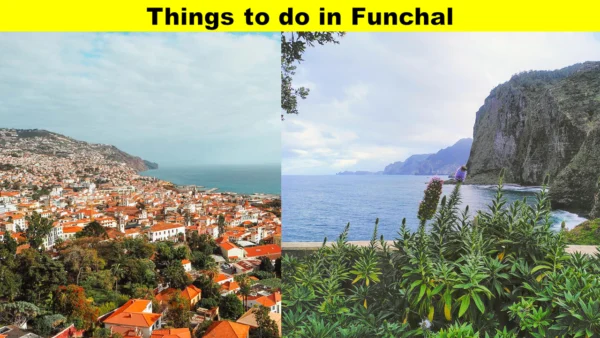
Things to do in Funchal based on NeemTime research from most popular to just popular.
Cabo Girão, Funchal
Overview: Cabo Girão is one of Europe’s highest sea cliffs, featuring a famous glass skywalk with spectacular panoramic views of the Atlantic Ocean, terraced farmland, and Madeira’s southern coastline.
History: The dramatic volcanic cliff has long been an important natural landmark for local communities and became internationally recognized after the addition of its glass-floored viewing platform.
Since when: Cabo Girão has existed for millions of years as a volcanic formation, while the glass skywalk was officially opened in 2012.
Review: Visitors highly praise the breathtaking scenery, thrilling transparent platform, excellent photography opportunities, and unforgettable coastal views.
When to go: The best time is during clear mornings or late afternoons throughout spring and summer for optimal visibility and pleasant weather.
How to go: It is about 20 minutes from Funchal by car, taxi, organized tour, or public bus.
What to do: Visitors can walk on the glass skywalk, admire the coastline, photograph the scenery, and enjoy the surrounding viewpoints.
Free or Paid: Free entry.
Jardim Monte Palace Madeira, Funchal
Overview: Monte Palace Tropical Garden is a magnificent botanical garden featuring exotic plants, lakes, oriental gardens, sculptures, museums, and breathtaking views over Funchal.
History: The gardens were developed around the historic Monte Palace and were extensively redesigned by entrepreneur José Berardo into one of Madeira’s finest tropical gardens.
Since when: The present-day Monte Palace Tropical Garden opened to the public in 1991 following extensive restoration and landscaping.
Review: Visitors appreciate the beautifully landscaped gardens, peaceful atmosphere, impressive art collections, koi ponds, and panoramic city views.
When to go: The best time is during spring and early summer when flowers bloom abundantly and temperatures remain comfortable.
How to go: It can be reached by the Madeira Cable Car from Funchal or by car, taxi, or local bus to Monte.
What to do: Visitors can explore themed gardens, visit museums, feed koi fish, photograph exotic plants, and experience the famous wicker toboggan ride nearby.
Free or Paid: Paid admission required.
Mercado dos Lavradores (Farmers’ Market), Funchal
Overview: Mercado dos Lavradores is Funchal’s iconic farmers’ market offering fresh tropical fruits, vegetables, flowers, seafood, local products, and traditional Madeiran culture.
History: The market was designed by architect Edmundo Tavares and became a landmark reflecting Madeira’s agricultural traditions and local craftsmanship.
Since when: Mercado dos Lavradores officially opened in 1940 and continues to serve residents and visitors today.
Review: Visitors enjoy its colorful atmosphere, fresh produce, traditional flower sellers, local specialties, and vibrant cultural experience.
When to go: The best time is early in the morning, especially Friday and Saturday, when the market is busiest and freshest products are available.
How to go: It is located in central Funchal and can easily be reached on foot, by taxi, bus, or rental car.
What to do: Visitors can shop for local fruits, taste regional delicacies, buy souvenirs, observe fish vendors, and photograph the lively market.
Free or Paid: Free entry (purchases are paid).
Madeira Botanical Garden, Funchal
Overview: Madeira Botanical Garden is a renowned botanical attraction displaying thousands of native and exotic plant species across beautifully landscaped terraces overlooking Funchal.
History: The garden was established to conserve Madeira’s unique flora while educating visitors about the island’s remarkable biodiversity.
Since when: Madeira Botanical Garden officially opened in 1960 and has continued expanding its plant collections ever since.
Review: Visitors praise the colorful flower displays, peaceful walking paths, educational exhibits, bird collections, and spectacular city views.
When to go: The best time is spring and early summer when flowering plants are at their most vibrant.
How to go: It can be reached by car, taxi, local bus, or cable car connections from central Funchal.
What to do: Visitors can explore themed gardens, photograph flowers, observe exotic birds, learn about Madeira’s flora, and enjoy scenic viewpoints.
Free or Paid: Paid admission required.
Cristo Rei, Funchal
Overview: Cristo Rei do Garajau is a scenic clifftop monument featuring a statue of Christ overlooking the Atlantic Ocean, offering panoramic coastal views and access to nearby beaches.
History: The monument was built as a religious symbol overlooking Madeira’s southern coast, inspired by similar Christ statues found in other countries.
Since when: Cristo Rei was inaugurated in 1927, making it older than the famous Christ the Redeemer statue in Rio de Janeiro.
Review: Visitors enjoy the peaceful atmosphere, magnificent ocean scenery, beautiful sunrise views, and nearby cable car access to Garajau Beach.
When to go: The best time is during sunrise, sunset, or clear mornings for the finest coastal photography and comfortable weather.
How to go: It is approximately 15 minutes from Funchal by car, taxi, bus, or organized sightseeing tour.
What to do: Visitors can admire the statue, enjoy panoramic viewpoints, photograph the coastline, ride the cable car, and visit Garajau Beach below.
Free or Paid: Free entry (the nearby cable car requires a paid ticket).
Teleféricos da Madeira, Funchal
Overview: Teleférico do Funchal is a scenic cable car system connecting Funchal’s Old Town with Monte while offering spectacular aerial views of the city, Atlantic Ocean, and surrounding mountains.
History: The cable car was constructed to improve access between Funchal and Monte while creating a memorable sightseeing experience for visitors.
Since when: Teleférico do Funchal officially began operations in 2000 and has become one of Madeira’s most popular tourist attractions.
Review: Visitors highly praise the smooth ride, breathtaking panoramic views, excellent photography opportunities, and convenient access to Monte.
When to go: The best time is on clear mornings or late afternoons throughout spring and summer for the best visibility and comfortable temperatures.
How to go: The lower cable car station is located in Funchal’s Old Town and can easily be reached on foot, by taxi, bus, or rental car.
What to do: Visitors can enjoy the cable car journey, admire panoramic scenery, visit Monte Palace Tropical Garden, and experience the traditional wicker toboggan ride.
Free or Paid: Paid ticket required.
Porto Moniz Natural Swimming Pools, Funchal
Overview: Porto Moniz Natural Swimming Pools are spectacular volcanic lava pools naturally filled with crystal-clear Atlantic seawater, providing one of Madeira’s most famous swimming experiences.
History: The pools were naturally formed by ancient volcanic eruptions and later enhanced with visitor facilities while preserving their natural appearance.
Since when: The lava pools have existed for thousands of years, while the developed bathing complex has welcomed visitors since the late 20th century.
Review: Visitors love the clean seawater, dramatic volcanic scenery, excellent facilities, and unique swimming environment unlike traditional beaches.
When to go: The best time is from late spring through early autumn when sea temperatures are warmer and weather conditions are ideal.
How to go: The pools are about one hour from Funchal by rental car, public bus, taxi, or organized island tour.
What to do: Visitors can swim, sunbathe, photograph volcanic landscapes, enjoy nearby cafés, and explore Porto Moniz village.
Free or Paid: Paid entry to the main natural swimming pool complex (some nearby natural pools are free).
Ponta de São Lourenço, Funchal
Overview: Ponta de São Lourenço is Madeira’s dramatic eastern peninsula known for its volcanic cliffs, rugged hiking trails, unique rock formations, and spectacular ocean views.
History: Formed through volcanic activity millions of years ago, the peninsula has remained largely protected because of its rare geological and ecological significance.
Since when: The peninsula has existed naturally for millions of years and has been protected as part of the Madeira Natural Park since 1982.
Review: Visitors highly recommend the destination for its breathtaking coastal scenery, excellent hiking trails, unique landscapes, and abundant wildlife.
When to go: The best time is during spring and autumn when temperatures are pleasant for hiking and skies are generally clear.
How to go: It is approximately 40 minutes from Funchal by car, public bus, taxi, or guided excursion.
What to do: Visitors can hike the scenic trail, photograph dramatic cliffs, observe seabirds, enjoy viewpoints, and experience Madeira’s wild coastline.
Free or Paid: Free entry.
Praia da Calheta Beach, Funchal
Overview: Praia da Calheta is a beautiful man-made golden sand beach offering calm waters, swimming, water sports, restaurants, and family-friendly seaside facilities.
History: The beach was created by importing golden sand to provide Madeira with a safe swimming destination in an area naturally dominated by rocky shores.
Since when: Praia da Calheta officially opened in 2004 and quickly became one of Madeira’s most popular beaches.
Review: Visitors appreciate its imported golden sand, sheltered waters, clean facilities, and relaxed atmosphere suitable for families.
When to go: The best time is from May through September when warm temperatures make beach activities most enjoyable.
How to go: The beach is about 40 minutes west of Funchal by rental car, bus, taxi, or organized tour.
What to do: Visitors can swim, sunbathe, rent paddleboards, enjoy waterfront restaurants, and relax by the marina.
Free or Paid: Free entry (water sports equipment and rentals are paid).
Funchal Cable Car, Funchal
Overview: Funchal Cable Car is a famous aerial cable car attraction providing breathtaking panoramic journeys between Funchal’s waterfront and the hilltop district of Monte.
History: Built to improve transportation and tourism, the cable car became one of Madeira’s signature attractions by connecting the city with Monte’s historic gardens and viewpoints.
Since when: The Funchal Cable Car has been operating since 2000 and carries thousands of visitors annually.
Review: Visitors consistently praise the smooth ride, spectacular city and ocean views, convenient access to Monte, and memorable sightseeing experience.
When to go: The best time is on sunny mornings or late afternoons when visibility is excellent and lighting is ideal for photography.
How to go: The departure station is located near Funchal’s Old Town and is easily accessible on foot, by bus, taxi, or rental car.
What to do: Visitors can enjoy panoramic views, travel to Monte, visit botanical gardens, explore historic attractions, and photograph the island’s landscapes.
Free or Paid: Paid ticket required.
Forum Madeira, Funchal
Overview: Forum Madeira is a modern open-air shopping center featuring international fashion brands, restaurants, cafés, a supermarket, and entertainment facilities near Funchal’s western waterfront.
History: The shopping center was developed to provide Madeira with a contemporary retail and leisure destination that combines shopping with attractive outdoor architecture.
Since when: Forum Madeira officially opened in 2005 and has become one of the island’s most popular shopping destinations.
Review: Visitors appreciate its wide selection of stores, pleasant open-air design, sea views, dining choices, and family-friendly atmosphere.
When to go: The best time is weekday mornings or early afternoons for a more relaxed shopping experience with fewer crowds.
How to go: It is located about 10 minutes from central Funchal and can be reached by local bus, taxi, rental car, or on foot from nearby hotels.
What to do: Visitors can shop for fashion, enjoy local and international cuisine, relax in cafés, watch movies, and browse specialty stores.
Free or Paid: Free entry (shopping, dining, and entertainment are paid).
Plaza Madeira, Funchal
Overview: La Vie Funchal, formerly known as Plaza Madeira, is a centrally located shopping mall offering retail stores, restaurants, supermarkets, and everyday services.
History: Originally opened as Plaza Madeira, the shopping center was later renovated and rebranded as La Vie Funchal to modernize its facilities and retail offerings.
Since when: The mall first opened in 2004 and was rebranded as La Vie Funchal in 2014.
Review: Visitors enjoy its central location, convenient shopping, variety of stores, food court, and easy access from downtown Funchal.
When to go: The best time is weekday mornings or early afternoons when the mall is generally less crowded.
How to go: It is situated in central Funchal and can easily be reached on foot, by local bus, taxi, or rental car.
What to do: Visitors can shop for clothing, enjoy meals, purchase groceries, relax in cafés, and access various local services.
Free or Paid: Free entry (shopping, dining, and services are paid).
MadeiraShopping, Funchal
Overview: MadeiraShopping is one of Madeira’s largest shopping malls featuring fashion outlets, restaurants, supermarkets, entertainment, and a multiplex cinema.
History: The mall was developed to provide residents and tourists with a comprehensive indoor shopping and entertainment destination.
Since when: MadeiraShopping officially opened in 2001 and remains one of the island’s busiest commercial centers.
Review: Visitors appreciate its wide variety of international brands, comfortable indoor environment, cinema, and convenient parking facilities.
When to go: The best time is weekdays outside lunch hours for a quieter shopping experience.
How to go: It is located northwest of central Funchal and can be reached by bus, taxi, rental car, or private vehicle.
What to do: Visitors can shop, dine, watch movies, enjoy cafés, and purchase local or international products.
Free or Paid: Free entry (shopping, dining, and entertainment are paid).
Monte Palace Madeira, Funchal
Overview: Monte Palace Tropical Garden is an internationally renowned botanical garden featuring exotic plants, oriental gardens, waterfalls, museums, sculptures, and spectacular panoramic views over Funchal.
History: The estate surrounding the historic Monte Palace was transformed by entrepreneur José Berardo into a world-famous tropical garden showcasing rare plants and international art collections.
Since when: Monte Palace Tropical Garden officially opened to the public in 1991 after extensive restoration and landscaping.
Review: Visitors praise its peaceful atmosphere, beautiful gardens, impressive museums, koi ponds, and outstanding photography opportunities.
When to go: The best time is during spring and early summer when flowering plants are at their peak and temperatures are comfortable.
How to go: Visitors can reach Monte by the Funchal Cable Car, local bus, taxi, or rental car.
What to do: Visitors can explore themed gardens, admire sculptures, visit museums, feed koi fish, and enjoy scenic viewpoints overlooking Funchal.
Free or Paid: Paid admission required.
PR11 Levada dos Balcões, Funchal
Overview: PR11 Levada dos Balcões is a short and scenic levada trail leading through the UNESCO-listed Laurisilva Forest to the famous Balcões viewpoint with breathtaking mountain panoramas.
History: The levada path follows Madeira’s historic irrigation channels, which were constructed over centuries to transport water across the island’s mountainous terrain.
Since when: The levadas began to be built during the 15th century, while the PR11 hiking trail was later officially designated as one of Madeira’s recommended walking routes.
Review: Visitors highly recommend the trail for its easy hike, lush forest scenery, birdwatching opportunities, and magnificent views of Madeira’s central peaks.
When to go: The best time is during spring, summer, or clear autumn mornings when visibility is excellent and the trail is most enjoyable.
How to go: The trailhead is located at Ribeiro Frio, approximately 40 minutes from Funchal by rental car, bus, taxi, or guided tour.
What to do: Visitors can hike the levada, observe native birds, photograph mountain landscapes, and enjoy the panoramic Balcões viewpoint.
Free or Paid: Free entry.
Cascata dos Anjos, Funchal
Overview: Cascata dos Anjos is a famous roadside waterfall where fresh mountain water cascades directly over a coastal road before flowing into the Atlantic Ocean.
History: Formed naturally by Madeira’s volcanic landscape and mountain streams, the waterfall has become one of the island’s most photographed natural attractions.
Since when: Cascata dos Anjos has existed naturally for thousands of years and has attracted visitors for generations due to its unique location.
Review: Visitors highly praise the spectacular scenery, refreshing waterfall experience, dramatic coastal setting, and excellent photography opportunities.
When to go: The best time is during spring or after seasonal rainfall when the waterfall flows most strongly and the weather remains pleasant.
How to go: It is located about 30 minutes west of Funchal and can be reached by rental car, taxi, or guided island tour.
What to do: Visitors can photograph the waterfall, drive beneath the cascading water, admire the coastal scenery, and explore nearby viewpoints.
Free or Paid: Free entry.
Funchal Cathedral, Funchal
Overview: Cathedral of Our Lady of the Assumption is Madeira’s historic cathedral, renowned for its Gothic architecture, ornate wooden ceiling, and important religious and cultural heritage.
History: Commissioned by King Manuel I of Portugal, the cathedral became one of the first major churches built outside mainland Portugal during the Age of Discovery.
Since when: Construction was completed in 1514, and the cathedral has served as Funchal’s principal Catholic church ever since.
Review: Visitors appreciate its remarkable architecture, peaceful interior, historical significance, and beautifully preserved craftsmanship.
When to go: The best time is during weekday mornings when the cathedral is quieter for sightseeing and photography.
How to go: It is centrally located in Funchal and can easily be reached on foot, by taxi, bus, or rental car.
What to do: Visitors can admire the historic architecture, attend religious services, explore the interior, and photograph its unique Manueline details.
Free or Paid: Free entry (donations are welcome).
Parque de Santa Catarina, Funchal
Overview: Parque de Santa Catarina is a beautifully landscaped public park offering tropical gardens, lakes, walking paths, monuments, and panoramic views over Funchal Harbor.
History: The park was created to provide residents and visitors with a peaceful green space overlooking the city’s waterfront and surrounding mountains.
Since when: Parque de Santa Catarina was developed as a public park during the 20th century and remains one of Funchal’s most popular recreational areas.
Review: Visitors enjoy its relaxing atmosphere, colorful gardens, scenic viewpoints, and convenient location near the city center.
When to go: The best time is early morning or late afternoon when temperatures are cooler and the lighting is ideal for photography.
How to go: It is located in central Funchal and is easily accessible on foot, by local bus, taxi, or rental car.
What to do: Visitors can stroll through the gardens, relax by the lake, enjoy harbor views, photograph flowers, and have a picnic.
Free or Paid: Free entry.
Fanal Forest, Funchal
Overview: Fanal Forest is a magical ancient laurel forest within the UNESCO-listed Laurisilva Forest, famous for its centuries-old trees, misty atmosphere, and exceptional natural beauty.
History: The forest is part of Madeira’s prehistoric Laurisilva ecosystem, which has survived since the Tertiary period and remains one of Europe’s most valuable natural habitats.
Since when: Fanal Forest has existed for millions of years and became part of the UNESCO World Heritage-listed Laurisilva Forest in 1999.
Review: Visitors highly recommend the forest for its enchanting scenery, peaceful hiking trails, unique biodiversity, and unforgettable mist-covered landscapes.
When to go: The best time is during autumn, winter, or misty mornings when the forest displays its famous mystical atmosphere.
How to go: It is about one hour from Funchal by rental car, taxi, or organized nature excursion.
What to do: Visitors can hike forest trails, photograph ancient trees, observe native wildlife, enjoy picnics, and experience Madeira’s unique natural environment.
Free or Paid: Free entry.
Pico do Arieiro, Funchal
Overview: Pico do Arieiro is Madeira’s third-highest mountain peak, standing at 1,818 meters and offering spectacular sunrise views, dramatic rock formations, and world-famous hiking trails.
History: The mountain has long served as an important natural landmark, while modern roads and viewing platforms have made it one of Madeira’s premier tourist attractions.
Since when: Pico do Arieiro has existed naturally for millions of years, with road access developed during the 20th century to improve visitor accessibility.
Review: Visitors consistently praise the breathtaking mountain panoramas, unforgettable sunrise experiences, scenic hiking routes, and impressive cloud formations.
When to go: The best time is at sunrise or during clear mornings in spring, summer, and early autumn for the best visibility and hiking conditions.
How to go: It is approximately 30 minutes from Funchal by rental car, taxi, shuttle service, or organized guided tour.
What to do: Visitors can watch the sunrise, hike toward Pico Ruivo, enjoy panoramic viewpoints, photograph mountain landscapes, and explore the surrounding nature.
Free or Paid: Free entry (parking and guided tours may require payment).
Marina do Funchal, Funchal
Overview: Marina do Funchal is a vibrant waterfront marina offering berths for yachts, sailing excursions, waterfront restaurants, cafés, and beautiful views of Funchal Bay.
History: The marina was developed as part of Funchal’s waterfront modernization to support recreational boating, tourism, and international yacht traffic visiting Madeira.
Since when: Marina do Funchal has operated as a modern marina since the late 20th century and continues to be an important maritime hub.
Review: Visitors highly appreciate the scenic harbor, lively atmosphere, quality restaurants, sunset views, and convenient departure point for boat tours.
When to go: The best time is during late afternoon or sunset when the harbor is most picturesque and the waterfront comes alive with activity.
How to go: It is located in central Funchal and is easily accessible on foot, by local bus, taxi, or rental car.
What to do: Visitors can stroll along the marina, dine at waterfront restaurants, join dolphin and whale watching tours, enjoy sailing trips, and photograph luxury yachts.
Free or Paid: Free to visit (boat tours, dining, and marina services are paid).
Pico dos Barcelos Viewpoint, Funchal
Overview: Pico dos Barcelos is a panoramic viewpoint situated about 355 meters above sea level, offering sweeping views of Funchal, the Atlantic Ocean, and surrounding mountains.
History: The viewpoint was developed to provide visitors with one of the finest panoramic overlooks of Madeira’s capital while showcasing the island’s dramatic landscape.
Since when: Pico dos Barcelos has served as an official public viewpoint since the 20th century and remains one of Funchal’s most visited scenic locations.
Review: Visitors praise the outstanding panoramic views, peaceful setting, excellent photography opportunities, and convenient accessibility.
When to go: The best time is during sunrise, sunset, or on clear mornings when visibility extends across the city and coastline.
How to go: It is about 10 minutes from central Funchal by car, taxi, local bus, or organized sightseeing tour.
What to do: Visitors can admire panoramic city views, take photographs, relax at the viewpoint, and visit nearby cafés and souvenir stalls.
Free or Paid: Free entry.
True Spirit, Funchal
Overview: True Spirit is a sailing tour operator offering luxury catamaran cruises, dolphin and whale watching trips, sunset cruises, and private charter experiences around Madeira.
History: The company was established to provide high-quality sailing experiences that showcase Madeira’s spectacular coastline and rich marine wildlife.
Since when: True Spirit has been operating in Madeira since the early 2000s, serving both local and international visitors.
Review: Visitors consistently commend the professional crew, comfortable catamarans, marine wildlife sightings, excellent service, and unforgettable ocean experiences.
When to go: The best time is from spring through early autumn when sea conditions are generally calm and marine life is frequently observed.
How to go: Cruises depart from Marina do Funchal, which can easily be reached on foot, by taxi, bus, or rental car.
What to do: Visitors can enjoy sailing, watch dolphins and whales, swim in the Atlantic when conditions permit, and admire Madeira’s coastline from the sea.
Free or Paid: Paid booking required.
Jardim Municipal do Funchal, Funchal
Overview: Jardim Municipal do Funchal is an elegant public garden featuring exotic plants, fountains, sculptures, shaded walkways, and peaceful green spaces in the heart of the city.
History: The garden was established on the grounds of the former Convent of São Francisco, preserving the site’s historical importance while creating a public recreational area.
Since when: Jardim Municipal has served as a public garden since the late 19th century and remains one of Funchal’s favorite urban parks.
Review: Visitors enjoy the well-maintained gardens, colorful flowers, relaxing atmosphere, and convenient central location.
When to go: The best time is during the morning or late afternoon when temperatures are comfortable for leisurely walks.
How to go: It is centrally located in Funchal and is easily accessible on foot, by local bus, taxi, or rental car.
What to do: Visitors can relax among tropical plants, photograph flowers, enjoy shaded seating areas, and attend occasional cultural events held in the garden.
Free or Paid: Free entry.
Miradouro da Eira do Serrado, Funchal
Overview: Miradouro da Eira do Serrado is a spectacular mountain viewpoint overlooking the dramatic Valley of the Nuns (Curral das Freiras), surrounded by towering volcanic peaks.
History: The viewpoint was developed to provide safe public access to one of Madeira’s most breathtaking mountain landscapes while promoting nature tourism.
Since when: Miradouro da Eira do Serrado has welcomed visitors since the 20th century after road access and viewing facilities were established.
Review: Visitors highly recommend the viewpoint for its breathtaking mountain scenery, peaceful atmosphere, and outstanding panoramic photography opportunities.
When to go: The best time is during clear mornings or early afternoons when mountain visibility is at its best and clouds are less likely to obscure the valley.
How to go: It is approximately 25 minutes from Funchal by rental car, taxi, public bus, or guided island tour.
What to do: Visitors can admire panoramic mountain views, photograph Curral das Freiras, walk nearby trails, and enjoy refreshments at the viewpoint café.
Free or Paid: Free entry.