Malcolm X based on NeemTime research
Who is Malcolm X (Biography / Personal Details)
Malcolm X, born Malcolm Little on May 19, 1925, in Omaha, Nebraska, was an American Muslim minister and human rights activist.
He became one of the most influential voices in the struggle for Black empowerment and racial justice in the United States during the 1950s and 1960s.
His early life was shaped by racial violence, including the death of his father Earl Little, a Baptist minister and follower of Marcus Garvey’s Pan-African ideas.
After his father’s death and his mother Louise Little’s institutionalization, Malcolm X was placed in foster care and later moved between relatives in Michigan and Boston.
In his youth, he became involved in street crime in Boston and New York, eventually being arrested and sentenced to prison in 1946 for burglary.
While incarcerated at Charlestown State Prison in Massachusetts, he joined the Nation of Islam and studied under teachings of Elijah Muhammad.
He adopted the surname “X” to symbolize the loss of his African ancestral identity due to slavery.
After his release from prison in 1952, he became a national spokesperson for the Nation of Islam and rapidly expanded its membership.
Malcolm X founded several mosques and helped establish the Organization of Afro-American Unity after leaving the Nation of Islam in 1964.
He was assassinated on February 21, 1965, in the Audubon Ballroom in New York City while preparing to address supporters.
Malcolm X Height / How to Get Body Like Malcolm X
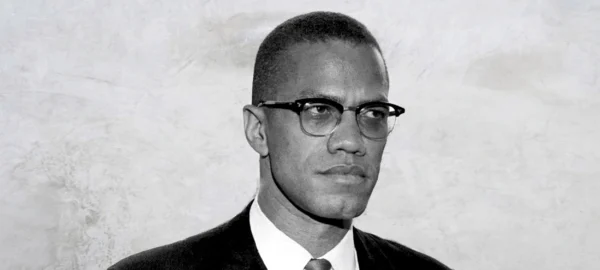
Malcolm X’s height is widely reported to be approximately 6 feet 3 inches, making him noticeably tall and physically imposing.
He had a lean, athletic build during his activism years, especially after leaving prison and dedicating himself to discipline and public speaking.
His physical appearance reflected a lifestyle focused more on intellectual, spiritual, and political development than bodybuilding or athletic training.
Malcolm X maintained a strict personal discipline routine influenced by Nation of Islam practices during the early 1950s.
He often wore formal suits, which emphasized his tall frame and authoritative presence during speeches and public debates.
To achieve a similar physique, a person would typically focus on maintaining low body fat through balanced nutrition and regular physical activity.
His lifestyle included frequent travel, public speaking engagements, and long hours of reading and writing, contributing to an active routine.
Malcolm X did not follow structured fitness programs as seen in modern bodybuilding culture, but his prison years encouraged discipline and routine.
Historical photos show him maintaining upright posture, sharp grooming, and a commanding stage presence rather than muscular bulk.
A modern interpretation of his physique would emphasize endurance, posture control, mental discipline, and consistent daily habits rather than gym-heavy training.
Malcolm X: List of Partners & Dating History
Malcolm X was married to Betty Shabazz, an American educator and civil rights advocate, in 1958.
Their marriage lasted until his assassination in 1965 and produced six daughters together.
Betty Shabazz supported Malcolm X during his transition from the Nation of Islam to Sunni Islam after 1964.
There are no widely verified records of other long-term romantic partners before his marriage to Betty Shabazz.
Malcolm X’s early adult life included periods of incarceration and activism that limited documented personal relationships.
His relationship with Betty Shabazz began after his rise as a prominent minister within the Nation of Islam.
The couple lived in various locations including New York City, particularly in Harlem, where Malcolm X’s activism was centered.
Betty Shabazz later became a prominent public figure advocating for education and civil rights after Malcolm X’s death.
Malcolm X’s family life was deeply connected to his political mission and public activism rather than celebrity-style dating history.
Historical accounts emphasize his commitment to his marriage and family during his most active years as a civil rights leader.
Personal Life Highlights of Malcolm X (List of Family Members)
Malcolm X was born to Earl Little and Louise Norton Little, both strong supporters of Black empowerment movements.
His father, Earl Little, was likely killed in 1931 in a suspicious incident involving white supremacist threats in Lansing, Michigan.
His mother, Louise Little, struggled with mental health challenges after her husband’s death and was institutionalized for many years.
Malcolm X had several siblings, including Wilfred Little, Hilda Little, Philbert Little, and Reginald Little.
His relationship with his siblings was shaped by separation and foster care placements during childhood.
Malcolm X married Betty Shabazz, and together they had six daughters: Attallah, Qubilah, Ilyasah, Gamilah, Malikah, and Malaak Shabazz.
After Malcolm X’s death, Betty Shabazz became the central figure in raising their children and preserving his legacy.
His extended family became widely recognized due to his global influence as a human rights leader.
Malcolm X’s family experienced both public attention and hardship due to his political activism and assassination.
Today, his descendants continue to speak about his legacy in education, civil rights, and historical preservation.
Early Life Highlights of Malcolm X (Background / Childhood)
Malcolm X was born in Omaha, Nebraska, during a period of intense racial segregation and racial violence in the United States.
His father, Earl Little, was an outspoken supporter of Marcus Garvey’s UNIA movement, which advocated Black pride and independence.
The Little family faced repeated threats from white supremacist groups, forcing them to move frequently across the Midwest.
After the suspicious death of his father in 1931, the family’s financial and emotional stability collapsed.
His mother, Louise Little, struggled to support the family alone before being institutionalized in 1939.
Malcolm X and his siblings were separated and placed in foster homes and orphanages across Michigan.
He attended West Junior High School in Lansing, Michigan, where he was an excellent student before facing racial discouragement.
A teacher reportedly told him that becoming a lawyer was “no realistic goal for a Black boy,” influencing his withdrawal from formal education.
He moved to Boston and later New York City as a teenager, where he became involved in street life and petty crime.
His early experiences with systemic racism and family instability deeply shaped his later philosophy on Black empowerment and justice.
Malcolm X Family
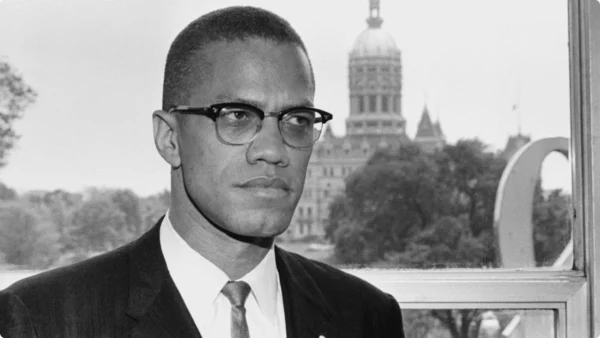
Malcolm X Family 5
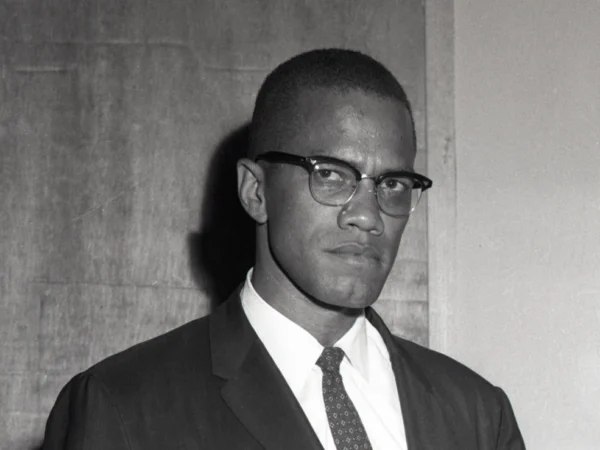
Malcolm X Family 4
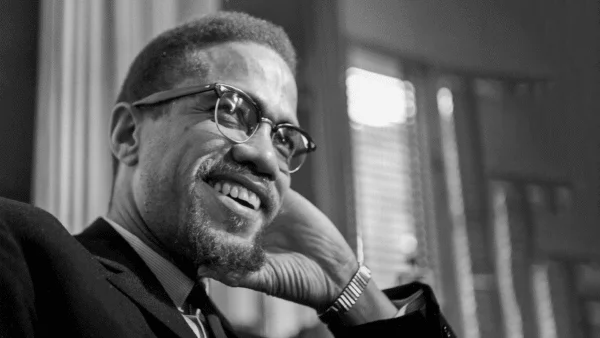
Malcolm X Family 3
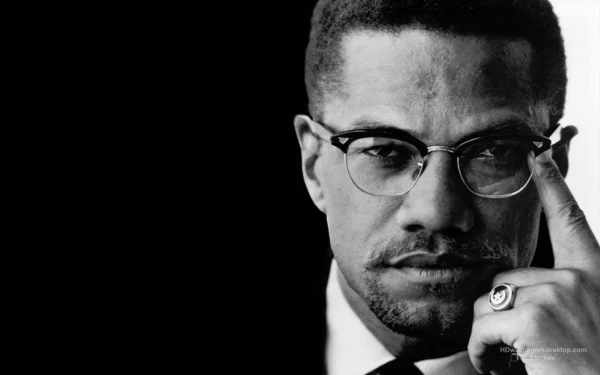
Malcolm X Family 2
Malcolm X Family
Current Life Highlights of Malcolm X (Career / Other Work)
After joining the Nation of Islam in the early 1950s, Malcolm X became one of its most influential ministers, rapidly expanding membership across cities like Detroit, Boston, and New York.
By the late 1950s, he was serving as the chief spokesperson for Elijah Muhammad, delivering speeches that gained national attention in the United States.
In 1960, he helped establish Muhammad Speaks, the Nation of Islam’s official newspaper, which became a major platform for Black nationalist ideas.
Malcolm X frequently appeared in public debates in Harlem, New York City, challenging civil rights leaders and advocating for Black self-determination.
In 1963, tensions grew between Malcolm X and Elijah Muhammad due to ideological differences and internal disputes within the Nation of Islam leadership.
After his suspension from the Nation of Islam in 1964, he founded the Muslim Mosque, Inc. in Harlem to continue religious and political work independently.
In 1964, Malcolm X made his historic pilgrimage to Mecca (Hajj), Saudi Arabia, where he met Muslims of diverse racial and ethnic backgrounds, reshaping his worldview.
Following his return, he established the Organization of Afro-American Unity in New York City to promote global human rights for African Americans.
He traveled extensively in Africa and the Middle East in 1964, meeting leaders in countries such as Egypt, Nigeria, and Ghana to build international support.
In 1965, Malcolm X continued organizing lectures and preparing speeches at the Audubon Ballroom in New York City before his assassination.
Malcolm X Most Popular Media Appearances, Movies, TV Shows
The most famous portrayal of Malcolm X is in the 1992 film Malcolm X, directed by Spike Lee and starring Denzel Washington in the title role.
The film covers his life from his early criminal years to his transformation into a civil rights leader and remains a landmark biographical movie.
Malcolm X is featured in numerous documentaries such as Eyes on the Prize (1987), which chronicles the American civil rights movement.
The 1972 documentary Malcolm X by filmmakers Marvin Worth and Arnold Perl includes archival footage and interviews about his life and ideology.
He appears in The Black Power Mixtape 1967–1975 (2011), which explores Black liberation movements influenced by his ideas.
Malcolm X is frequently referenced in television series such as American Experience and PBS Frontline documentaries on U.S. history.
His speeches are often included in educational programs and historical reenactments broadcast on networks like BBC and History Channel.
The documentary Malcolm X: Make It Plain (1994) presents detailed interviews with associates and family members.
Animated and educational programs about civil rights history often feature dramatized versions of Malcolm X’s speeches and debates.
His legacy is also frequently discussed in modern streaming documentaries on platforms like Netflix and Hulu focusing on racial justice history.
Malcolm X Most Popular News Headlines, Controversies, Scandals
One major controversy surrounding Malcolm X was his split from the Nation of Islam in 1964 after publicly criticizing Elijah Muhammad’s leadership.
His statement “by any means necessary” became widely debated and was often interpreted differently by supporters and critics.
During the early 1960s, mainstream media frequently portrayed him as a radical and extremist figure compared to other civil rights leaders.
Malcolm X faced surveillance by the FBI, which monitored his speeches and organizational activities under J. Edgar Hoover’s leadership.
Internal conflicts within the Nation of Islam were widely reported in newspapers, especially after Malcolm X’s suspension.
His 1964 pilgrimage to Mecca generated international headlines because it changed his views on racial unity and global Islam.
Some newspapers criticized his earlier statements advocating Black separatism, leading to heated public debates in the United States.
His assassination in 1965 became a global news event, sparking controversy over who was responsible and whether all suspects were properly investigated.
Three members of the Nation of Islam were convicted for his murder, though questions about broader involvement have persisted for decades.
Modern news discussions often revisit his legacy in relation to ongoing debates about racial justice, policing, and civil rights in America.
Known Unknown Facts Trivia of Malcolm X
Malcolm X’s original surname “Little” was changed due to his belief that it represented a name imposed by enslavers.
He taught himself to read and write extensively while in prison using dictionaries and books borrowed from the Norfolk Prison Colony library.
He was an exceptionally powerful orator and could speak for hours without notes during public rallies.
Malcolm X’s pilgrimage to Mecca was the turning point that shifted his views toward a more global human rights perspective.
He met influential African leaders such as Kwame Nkrumah of Ghana during his international travels in 1964.
Despite his reputation as a militant figure, he often emphasized discipline, education, and moral reform in speeches.
Malcolm X was one of the first major civil rights leaders to connect African American struggles with global anti-colonial movements.
His autobiography, co-written with Alex Haley, was completed shortly before his assassination and became a major historical text.
He changed his religious identity multiple times, transitioning from Christianity in childhood to Nation of Islam and later Sunni Islam.
His influence extended beyond the United States, inspiring liberation movements in Africa, the Caribbean, and Asia.
Malcolm X: Questions People Also Ask / Search & Answers
Why is Malcolm X important in history?
Malcolm X is important because he was a leading advocate for Black empowerment and human rights during the U.S. civil rights era.
What did Malcolm X believe in?
He initially supported Black separatism through the Nation of Islam but later advocated global human rights after visiting Mecca.
What was Malcolm X’s real name?
His birth name was Malcolm Little.
Who influenced Malcolm X the most?
Elijah Muhammad influenced him deeply during his early Nation of Islam years.
Why did Malcolm X leave the Nation of Islam?
He left due to ideological differences and leadership conflicts in 1964.
Where was Malcolm X assassinated?
He was assassinated at the Audubon Ballroom in New York City in 1965.
Did Malcolm X meet Martin Luther King Jr.?
Yes, they met briefly in 1964 in Washington, D.C., during Senate hearings.
What book did Malcolm X write?
The Autobiography of Malcolm X, written with Alex Haley.
What was Malcolm X’s message?
His message evolved from Black empowerment to broader human rights and global equality.
How is Malcolm X remembered today?
He is remembered as one of the most influential civil rights leaders in American history.