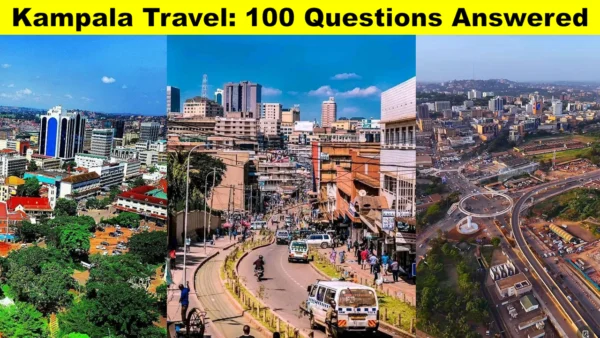
Kampala Travel: 100 Questions Answered based on NeemTime research
Logistics, Money & Arrival
1. Is a visa required before arriving at Entebbe International Airport? Yes, Uganda transitioned to an electronic visa (e-visa) system. You must apply and receive approval online before flying; visas are generally no longer issued on arrival.
2. Can I use US Dollars everywhere in Kampala? No. While large hotels and safari tour operators accept USD, everyday purchases, markets, and transport require Ugandan Shillings (UGX).
3. What is the trick with bringing US Dollar bills? Always bring clean, uncreased bills printed after 2013. Local banks and forex bureaus routinely reject old, torn, or heavily wrinkled bills, or give them a terrible exchange rate.
4. Are credit cards widely accepted? Only in high-end hotels, major supermarkets (like Carrefour), and upscale restaurants. Always have cash handy for everything else.
5. Which international debit cards work best at Kampala ATMs? Visa is universally accepted at almost all ATMs (Stanbic, Absa, Centenary). Mastercard works but has slightly fewer compatible ATMs.
6. Should I exchange money at the airport? Exchange just a small amount ($20–$50) at the airport for immediate transport, then use forex bureaus in Kampala’s major malls (like Acacia Mall or Oasis Mall) for much better rates.
7. How do I get from Entebbe Airport to Kampala? The safest and most reliable method is booking an airport taxi (identifiable by their yellow stripes) or arranging a private transfer through your hotel.
8. Is there an express highway from the airport? Yes, the Entebbe-Kampala Expressway cuts travel time significantly, usually taking around 45 to 60 minutes. Keep cash on hand for the toll booths.
9. Can I use Uber or Bolt right out of the airport? Sometimes drivers are available, but they often negotiate a flat cash rate rather than using the app’s metered price because of the distance and tolls.
10. What is the best local SIM card for internet? MTN and Airtel are the top two networks. Both offer excellent 4G/5G coverage in Kampala. You will need your passport to register the SIM card.
Transportation & Traffic
11. What is a “boda-boda”? A boda-boda is a motorcycle taxi. They are the fastest way to get through Kampala’s infamous traffic gridlocks, though they carry a higher safety risk.
12. How do I ride boda-bodas safely? Download ride-hailing apps like SafeBoda. SafeBoda drivers are trained, trackable, carry an extra helmet for the passenger, and generally drive less recklessly than regular street bodas.
13. What are the shared minibuses called? They are called “matatus” (or just taxis locally). They are white vans with a blue square stripe. They are highly affordable but can be crowded and confusing for first-timers.
14. How do I know where a matatu is going? They don’t have destination signs. Instead, a conductor standing at the door will shout out destinations. If you’re unsure, ask a local or look out for the main parks (Old Taxi Park or New Taxi Park).
15. How do I signal the conductor to stop the matatu? Simply say “Stage” or “Parking” when you approach the spot where you want to get off.
16. Is ride-hailing available for cars? Yes, Uber and Bolt both operate extensively in Kampala. They are safe, comfortable, and affordable options, especially at night.
17. Why do Uber drivers call me immediately after I book? They are usually calling to confirm your exact location and to verify that you are paying with cash, which most local drivers heavily prefer over card payments.
18. How bad is Kampala traffic? It can be severe. Peak hours (7:00 AM – 9:30 AM and 5:00 PM – 8:00 PM) can turn a 15-minute drive into a two-hour standstill, particularly on major arteries like Jinja Road or Entebbe Road.
19. Can I rent a car and drive myself in Kampala? It is not recommended for tourists. Traffic rules are loosely followed, boda-bodas weave rapidly from all directions, and navigation can be incredibly stressful. Hiring a car with a local driver is highly advised.
20. Which side of the road do people drive on? Uganda drives on the left side of the road.
Safety & Health
21. Is Kampala safe for solo female travelers? Yes, the majority of solo female travelers report a welcoming experience. However, standard urban precautions apply: avoid walking alone at night, keep your phone secure, and use trusted transport like SafeBoda or Uber.
22. What is the most common crime in Kampala? Opportunistic petty theft, such as phone-snatching (often by passengers on passing motorcycles) and pickpocketing in crowded markets.
23. Is the Yellow Fever vaccine mandatory? Yes. You must present an official international yellow certificate of vaccination upon arrival at Entebbe Airport.
24. Do I need to take malaria pills for Kampala? Yes, malaria is endemic to Uganda. Consult a travel clinic before your trip for a prescription of profilactics like Malarone or Doxycycline, and use mosquito repellent containing DEET.
25. Can I drink tap water in Kampala? No. Always drink bottled, filtered, or boiled water. Use bottled water even for brushing your teeth to avoid stomach issues.
26. Is Kampala safe to walk around at night? Main, well-lit neighborhoods like Kololo and Nakasero are relatively safe, but it is best to avoid walking after dark anywhere in the city. Use a vehicle or an app-based ride instead.
27. What should I do if a police officer pulls me over or stops me? Be polite, calm, and respectful. Ensure your documents (passport copy, driver’s permit) are handy.
28. Are there good hospitals in Kampala if I fall sick? Yes. Nakasero Hospital, The Surgery Uganda, and International Hospital Kampala (IHK) offer excellent, international-standard medical care.
29. Is it safe to use my phone on the street? Avoid holding your phone out carelessly near busy roads or inside open windows of vehicles, as snatch-and-grab thefts are common. Step inside a shop or restaurant if you need to check directions.
30. What should I do during heavy rainstorms? Seek shelter immediately. Kampala’s drainage system can quickly cause flash flooding on roads, which completely halts traffic and makes navigating on foot dangerous.
Food & Dining
31. What is Kampala’s ultimate street food? The “Rolex.” It is a delicious, budget-friendly wrap made of a fried chapati rolled up with an omelet, tomatoes, cabbage, and onions.
32. Is it safe to eat street food? Yes, provided you choose stalls with high turnover where food is cooked fresh in front of you. The Rolex is generally safe because the eggs and chapati are fried at high heat on the spot.
33. What is “Matooke”? Matooke is a staple Ugandan dish made from green bananas that are peeled, steamed, and mashed. It is typically served with a rich peanut sauce (G-nut sauce) or meat stew.
34. Can I find international cuisine in Kampala? Absolutely. Kampala has a vibrant food scene featuring excellent Indian, Ethiopian, Italian, Chinese, Lebanese, and Turkish restaurants.
35. Is Halal food easily available? Yes, the vast majority of meat served in Kampala’s restaurants and fast-food joints is Halal-certified.
36. What is the tipping culture in Kampala restaurants? Tipping is not strictly mandatory, but it is highly appreciated. Leaving a tip of 5% to 10% for good service in mid-to-upscale restaurants is standard practice.
37. What is “Luwombo”? A traditional Ugandan delicacy where meat (chicken, beef, or goat) or fish is stewed with vegetables and peanut paste, wrapped carefully inside banana leaves, and steamed.
38. What is the local beer to try? Nile Special and Club Premium Lager are the most popular and widely loved local beers.
39. Where can I find good coffee in Kampala? Uganda produces incredible coffee beans. Great local chains and independent cafes include Endiro Coffee, Java House, and Café Javas (CJ’s).
40. Are there vegetarian-friendly options? Yes, especially at Indian restaurants. Traditional Ugandan food also offers vegetarian choices like beans, peas, G-nut sauce, matooke, and cassava.
Culture & Etiquette
41. What is the local language spoken in Kampala? English is the official language and is spoken fluently by most people in the city. Luganda is the dominant local language spoken natively by the local Baganda people.
42. How should I dress to respect local culture? Kampala is relatively modern, but conservative dressing is appreciated. Avoid overly short shorts or revealing clothing when visiting local markets, religious sites, or rural areas.
43. Is it okay to take photos of people? Always ask for permission before taking photos of individuals, particularly in markets or villages. Avoid taking photos of military personnel, police officers, government buildings, or bridges.
44. What is a polite way to greet someone in Kampala? A warm handshake and asking “How are you?” is standard. Taking time to exchange pleasantries before diving into business or asking for directions is highly valued.
45. What does “Mzungu” mean? It is a friendly, non-offensive term used across East Africa to describe a white person or a foreigner. You will hear it called out often, especially by children.
46. How do I bargain in local markets? Bargaining is expected in markets like Owino or when buying souvenirs. Keep it lighthearted and polite. Start by offering roughly half to two-thirds of the initial price and work your way up to a fair compromise.
47. What is the dominant religion in Kampala? Christianity is the majority religion, followed by a sizeable and vibrant Muslim community.
48. Is LGBTQ+ travel safe in Kampala? Uganda has strict laws regarding LGBTQ+ relationships. While everyone is generally safe if they remain discreet, public displays of affection should be completely avoided by all travelers, regardless of orientation.
49. How do Ugandans view time (punctuality)? “African time” is common in casual social settings, where people might arrive 30–60 minutes late. However, professional business meetings and tour operators generally stick strictly to schedule.
50. What is the local attitude toward tourists? Ugandans are widely considered some of the friendliest and most hospitable people in Africa. They are generally incredibly eager to help visitors navigate their city.
Sightseeing & Activities
51. What is the Gaddafi National Mosque? Located on Kampala Hill, it is the largest mosque in East Africa. It offers a stunning 360-degree panoramic view of Kampala from its high minaret tower.
52. Do women need to cover up at the Gaddafi Mosque? Yes. Women are required to cover their shoulders and legs and wear a headscarf. If you do not have one, appropriate wraps and headscarves are provided at the entrance.
53. What are the Kasubi Tombs? The burial grounds for the Kings (Kabakas) of the Buganda Kingdom. It is a major UNESCO World Heritage site rich in traditional cultural history.
54. What can I see at the Uganda Museum? It is the oldest museum in East Africa, showcasing Uganda’s ethnological, natural history, and traditional musical instrument collections.
55. What is the Bahá’í House of Worship? Located on Kikaaya Hill, it is the only Bahá’í temple on the African continent. It features stunning architecture and tranquil, beautifully landscaped gardens perfect for relaxing.
56. Where can I buy authentic local souvenirs? Visit the Exposure Africa Craft Market on Buganda Road, the Friday Craft Market in Nsambya, or the cultural shops at the National Theatre.
57. Can I see wild animals in Kampala? No, Kampala is a bustling metropolis. To see wildlife, you must take a 45-minute trip to the Uganda Wildlife Conservation Education Centre (Entebbe Zoo) or head out to Uganda’s distant national parks.
58. What is the Namugongo Martyrs Shrine? A beautifully designed memorial site dedicated to the Christian martyrs executed there in the late 19th century. It attracts millions of pilgrims every June.
59. Where can I experience traditional Ugandan dance and music? Ndere Cultural Centre runs spectacular evening performances showcasing energetic cultural dances and music from various tribes across Uganda.
60. Is a day trip to Jinja from Kampala worth it? Yes. Jinja is about two to three hours away and is famous as the historic Source of the Nile, offering thrilling world-class whitewater rafting and quad biking.
Neighborhoods & Nightlife
61. What is the safest neighborhood to stay in for tourists? Kololo, Nakasero, and Naguru are upscale, secure, and home to many embassies, high-end hotels, and great restaurants.
62. Where is the center of Kampala’s nightlife? The city is famous for its vibrant nightlife. High-end bars and clubs are concentrated in Kololo, Acacia Avenue, and Muyenga.
63. What time does nightlife peak in Kampala? Bars start filling up around 10:00 PM, but nightclubs don’t get busy until well past midnight, running all the way until sunrise.
64. What is the vibe of the Acacia Avenue strip? It is a lively hub filled with sports bars, lounges, restaurants, and clubs frequented by a dynamic mix of expats, tourists, and upscale locals.
65. Are Kampala bars open every day? Yes, Kampala is famous for having a “24/7” nightlife culture; you can easily find a lively bar or lounge any night of the week.
66. What is the Bugolobi neighborhood known for? Bugolobi is a trendy residential and commercial area popular for its diverse dining spots, craft breweries, and relaxed local bars.
67. Is it safe to bar-hop? Yes, but take an Uber or SafeBoda directly from one venue’s entrance to the next rather than walking along dark side streets between venues.
68. What are “bufundas”? Bufundas are small, casual, open-air local drinking joints found on almost every street corner. They offer affordable drinks and a very authentic local vibe.
69. Can I smoke in public places in Kampala? Uganda has strict anti-smoking laws. Smoking cigarettes or shisha in public indoor spaces or commercial areas is illegal, though designated outdoor smoking zones exist.
70. What should I do with my valuables when going out to a club? Bring only the cash you need for the night, a single card, and your phone. Keep your phone tucked securely in a front pocket or a zipped cross-body bag to prevent pickpocketing on crowded dance floors.
Shopping & Daily Life
71. Where is the best place to buy groceries? Large modern supermarkets like Carrefour (found in Oasis Mall and Acacia Mall) carry a wide variety of both local goods and imported international products.
72. What is Owino Market? It is one of the largest open-air markets in East Africa. It is chaotic, massive, and famous for secondhand clothing, fresh produce, and local medicines. Go with a local guide if you want to explore it comfortably.
73. Where can I buy fresh tropical fruits? Nakasero Market is excellent for high-quality fresh fruits, vegetables, spices, and nuts right in the center of the city.
74. How does the mobile money system work? Mobile Money (MTN MoMo and Airtel Money) is a widely used digital payment system. You can load cash onto your local SIM card at any small roadside kiosk and use it to pay for taxis, bills, and restaurant meals.
75. What are the typical opening hours for shops? Most retail shops open around 8:30 AM and close between 6:00 PM and 8:00 PM. Malls and larger supermarkets remain open until 10:00 PM or later.
76. Can I buy electrical adapters easily in Kampala? Yes. Uganda uses the Type G British standard three-pin plug. Adapters are sold cheaply at any electronics shop or supermarket.
77. What is the standard voltage in Uganda? The standard voltage is 240V with a frequency of 50Hz.
78. Where can I find a good gym or fitness center? Many luxury hotels (like the Serena or Sheraton) offer premium day passes for their gyms and pools. Independent fitness centers can also be found throughout Kololo and Naguru.
79. How do I get my laundry done? Most hotels offer laundry services, though they can be expensive. Alternatively, you can ask your accommodation host to recommend a local dry cleaner or independent housekeeper to wash items by hand.
80. Is public Wi-Fi widely available? Many cafes, restaurants, and hotels offer free Wi-Fi, but speeds can vary. Purchasing a cheap local eSIM or SIM card with data is the best way to ensure a stable connection.
Weather, Environment & Packing
81. When is the best time of year to visit Kampala? The dry seasons are ideal: from June to August, and from December to February.
82. Does Kampala get excessively hot? No. Because of its high altitude (nearly 1,200 meters above sea level) and proximity to Lake Victoria, Kampala enjoys a pleasant, mild tropical climate with temperatures hovering around 25°C to 28°C (77°F to 82°F) year-round.
83. When are the rainy seasons? The long rains typically occur from March to May, while the shorter rainy season runs from October to November.
84. What clothing should I pack? Pack lightweight, breathable cotton clothes for daytime warmth, a light jacket or sweater for cooler evenings, and a sturdy rain poncho or umbrella for sudden downpours.
85. What kind of footwear is best? Comfortable sneakers or sturdy walking shoes are essential. Kampala’s hills and unpaved side streets can be dusty during dry spells and muddy when it rains.
86. Is air conditioning necessary in hotel rooms? It is nice to have, but not strictly necessary. Because the evenings cool down comfortably, a ceiling or standing fan is often more than enough.
87. Are there many mosquitoes in Kampala? Yes, especially near areas with standing water or dense vegetation. Always sleep under a mosquito net and apply bug spray in the evenings.
88. Why is Kampala called the “City of Seven Hills”? Historically, the city was built on seven prominent hills that held great cultural and colonial significance. Today, the metropolis has expanded far beyond to cover dozens more.
89. What is the air quality like? Air quality can get poor in the city center during peak traffic hours due to vehicle emissions and dust from unpaved roads. If you are sensitive to dust, consider carrying a light face mask.
90. Can I swim in Lake Victoria near Kampala? It is highly discouraged due to the risk of contracting Bilharzia (schistosomiasis), a water-borne parasite, as well as hidden currents and wildlife risks. Stick to hotel swimming pools.
Miscellaneous & Hidden Gems
91. What is a common cultural faux pas to avoid? Using your left hand to hand over items, money, or food to someone is traditionally considered disrespectful. Always use your right hand or both hands together for gestures of respect.
92. Are there any good movie theaters? Yes, modern cinemas showing international blockbusters can be found at Acacia Mall (Century Cinemax) and Arena Mall.
93. Where can I get a panoramic city view without entering a mosque? The rooftop bars and restaurants in Kololo and Naguru (such as the Skyz Hotel deck) offer magnificent evening views of the sprawling city lights.
94. What should I do if I lose my passport? Report the loss immediately to the local police to get a police report, then contact your country’s embassy or consulate located in Kampala for an emergency travel document.
95. How early should I arrive at Entebbe Airport for a departing international flight? Arrive at least three hours prior to your flight. Traffic leaving Kampala can be highly unpredictable, and there are multiple security checkpoints to navigate before you enter the terminal.
96. Can I use WhatsApp for communication? Yes, WhatsApp is the primary communication method used by businesses, tour guides, and locals across Uganda.
97. Are there public public restrooms around the city? Public restrooms are rare. The best option when out exploring is to step into a modern café, restaurant, or shopping mall to use their facilities.
98. Can I buy western toiletries easily? Yes, major pharmacies (like Abacus or Guardian) and large supermarkets stock international brands of shampoo, sunscreen, tampons, and skincare items.
99. Is Kampala a kid-friendly destination? While navigating the busy streets with a stroller is difficult due to uneven sidewalks, kids will love destinations like the Entebbe Zoo nearby, the Bahá’í gardens, and family-friendly activity hubs inside major malls.
100. What makes Kampala unique compared to other East African capitals? Travelers frequently note that Kampala stands out for its legendary, high-energy nightlife, its vibrant culinary diversity, and a warm, laid-back local hospitality that makes visitors feel genuinely welcome.