Jesse Owens based on NeemTime research
Who is Jesse Owens (Biography / Personal Details)
Jesse Owens, born James Cleveland Owens on September 12, 1913, in Oakville, Alabama, United States, was an American track and field athlete widely regarded as one of the greatest Olympians in history.
He earned worldwide fame during the 1936 Summer Olympics in Berlin, Germany, where he won four gold medals in the 100 meters, 200 meters, long jump, and 4 × 100 meters relay, challenging Adolf Hitler’s ideology of Aryan supremacy.
Owens attended East Technical High School in Cleveland, Ohio, where his remarkable speed attracted national attention before he enrolled at The Ohio State University.
While competing for Ohio State under coach Larry Snyder, he set three world records and tied another within 45 minutes at the 1935 Big Ten Championships in Ann Arbor, Michigan, one of the greatest achievements in athletics history.
After retiring from elite competition, Owens became a motivational speaker, sports ambassador, businessman, and advocate for youth sports throughout the United States.
In recognition of his extraordinary contributions to athletics and society, he received the Presidential Medal of Freedom in 1976 from President Gerald Ford, followed by the Congressional Gold Medal posthumously in 1990.
Jesse Owens was married to Minnie Ruth Solomon for nearly five decades, and together they built a close-knit family while he balanced public appearances and business ventures.
Throughout his life, Owens promoted equality, perseverance, and sportsmanship, becoming a respected civil rights figure long after his athletic career had ended.
He passed away from lung cancer on March 31, 1980, in Tucson, Arizona, at the age of 66, leaving behind one of the most enduring legacies in Olympic history.
Today, Jesse Owens continues to be celebrated through museums, schools, scholarships, athletic awards, biographies, documentaries, and annual sporting events that honor his historic achievements.
Jesse Owens Height / How to Get Body Like Jesse Owens
Jesse Owens stood approximately 5 feet 10 inches (178 cm) tall, an ideal height that complemented his exceptional speed, balance, and explosive jumping ability.
His lean, muscular physique resulted from years of disciplined sprint and long jump training rather than bodybuilding or weight-focused exercise.
Owens emphasized sprint drills that developed acceleration, stride efficiency, reaction time, and maximum running speed over short distances.
Plyometric exercises such as bounding, jumping, and explosive leg movements helped him generate remarkable power for both sprinting and the long jump.
His training included flexibility routines that maintained mobility and reduced injury risk during intense competition.
He practiced repeated running sessions that built cardiovascular endurance while preserving the fast-twitch muscle performance essential for sprinting.
Owens maintained a healthy body through balanced nutrition consisting of wholesome foods, adequate protein, fruits, vegetables, grains, and sufficient hydration.
Consistent recovery through proper sleep, stretching, and scheduled rest periods allowed him to maintain peak athletic performance throughout the competitive season.
Anyone seeking a physique similar to Jesse Owens should focus on sprint workouts, explosive strength training, agility drills, flexibility, and maintaining a low body-fat percentage rather than pursuing excessive muscle mass.
His athletic success was built upon technical excellence, disciplined coaching, mental determination, and years of consistent training rather than relying on natural talent alone.
Jesse Owens: List of Partners & Dating History
Jesse Owens married Minnie Ruth Solomon on July 5, 1935, after the couple had known each other since their teenage years in Cleveland, Ohio.
Minnie Ruth Solomon remained his only publicly documented romantic partner throughout his entire adult life.
Their marriage lasted for nearly 45 years, continuing until Jesse Owens passed away in 1980.
The couple supported one another through Owens’ Olympic success, business ventures, speaking engagements, and charitable activities.
Historical biographies contain no verified reports of divorce, separation, or long-term relationship difficulties between Jesse Owens and Minnie Ruth Solomon.
There are no credible records indicating that Jesse Owens had publicly confirmed girlfriends before his marriage.
Likewise, no verified evidence exists suggesting he had affairs or highly publicized extramarital relationships during his lifetime.
Minnie Ruth frequently accompanied Owens during public events and remained an important source of family stability.
Their enduring marriage is often highlighted as an example of commitment despite the challenges of fame and extensive travel.
Based on historical records available today, Minnie Ruth Solomon was Jesse Owens’ only confirmed lifelong spouse and romantic partner.
Personal Life Highlights of Jesse Owens (List of Family Members)
Jesse Owens was born to Henry Cleveland Owens and Mary Emma Fitzgerald Owens, who worked as sharecroppers in rural Alabama.
He was the youngest of ten children, growing up in a large family with several brothers and sisters before relocating to Ohio.
Around 1922, the Owens family moved from Alabama to Cleveland, Ohio, seeking better employment opportunities during the Great Migration.
Jesse married Minnie Ruth Solomon in 1935, beginning a lifelong partnership that lasted until his death.
The couple became parents to three daughters: Gloria Owens, Beverly Owens, and Marlene Owens Rankin.
Minnie Ruth played an essential role in managing family responsibilities while Jesse traveled extensively for competitions, business, and public speaking engagements.
Owens remained devoted to his daughters and often emphasized the importance of education, discipline, and family values.
Despite worldwide fame, he maintained close relationships with relatives and frequently credited his parents for teaching him perseverance and humility.
After his death in 1980, members of his family continued participating in educational programs and events celebrating his legacy.
The Owens family remains closely associated with preserving Jesse Owens’ historical achievements through museums, scholarships, documentaries, and athletic commemorations.
Early Life Highlights of Jesse Owens (Background / Childhood)
Jesse Owens was born as James Cleveland Owens on September 12, 1913, in Oakville, Alabama, into a family of hardworking sharecroppers.
His childhood was marked by economic hardship, requiring him to help his family with farming and household responsibilities from an early age.
When he was about nine years old, his family relocated to Cleveland, Ohio, during the Great Migration in search of improved living conditions.
At school in Cleveland, a teacher mistakenly recorded his name as J.C. Owens, which evolved into the nickname Jesse, a name he used throughout his life.
Owens attended Bolton Elementary School, where teachers first recognized his exceptional natural running speed.
During his teenage years at East Technical High School, he became one of the most successful high school athletes in the United States.
Despite athletic success, Owens balanced schoolwork with part-time jobs to help support his family financially during the Great Depression.
His outstanding performances earned him a scholarship opportunity at The Ohio State University, where he continued breaking national and world records.
Under coach Larry Snyder, Owens refined his sprinting technique, jumping mechanics, and competitive mindset, preparing him for international success.
His humble upbringing, disciplined work ethic, and determination to overcome racial and economic barriers became defining characteristics that shaped his legendary Olympic career.
Jesse Owens Shirtless
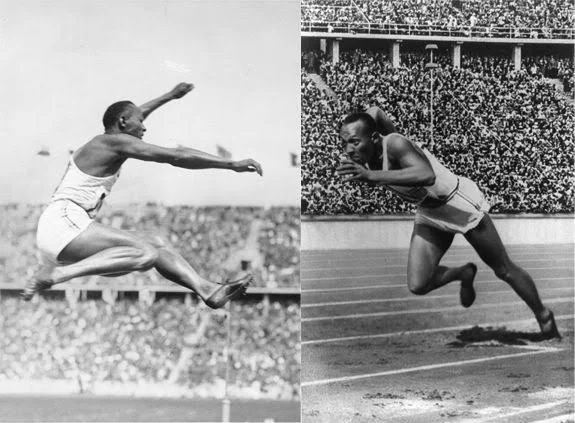
Jesse Owens Shirtless 5
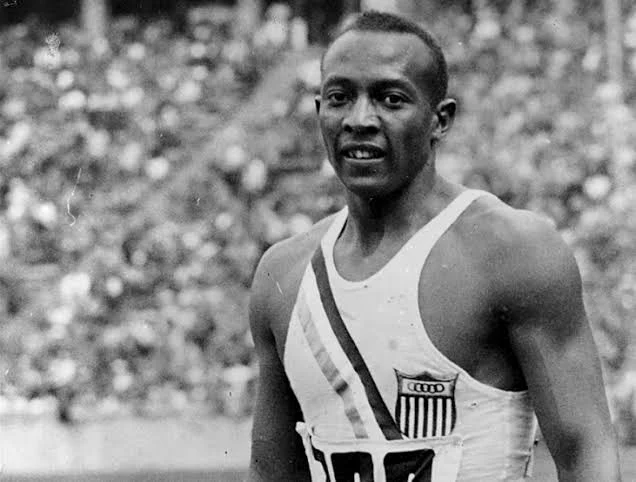
Jesse Owens Shirtless 4
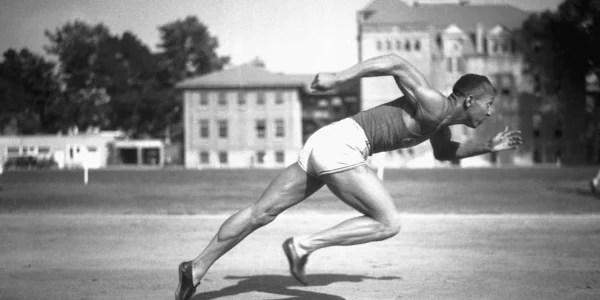
Jesse Owens Shirtless 2
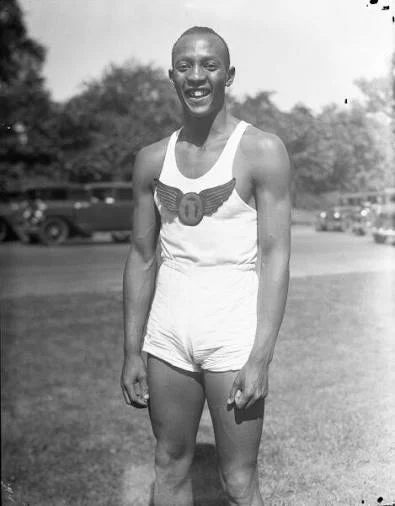
Jesse Owens Shirtless 3
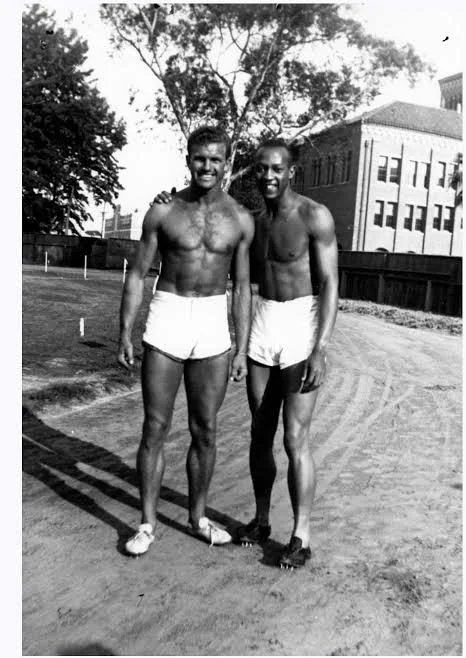
Jesse Owens Shirtless
Current Life Highlights of Jesse Owens (Career / Other Work)
After retiring from competitive athletics, Jesse Owens transitioned into a career as a public speaker, traveling across the United States during the late 1940s and 1950s to share his Olympic experiences and life lessons.
In 1946 in Cleveland, Ohio, he worked with youth sports programs, focusing on mentoring young African American athletes and encouraging participation in track and field.
During the 1950s in Chicago, Illinois, Owens served as a goodwill ambassador for private organizations, promoting physical fitness and sports education in schools.
In 1955, he was appointed as a U.S. Goodwill Ambassador to Asia and Africa by private civic groups, where he traveled internationally to promote friendship through sports.
Owens also worked in corporate public relations, including partnerships with companies such as Ford Motor Company, where he gave motivational talks to employees.
In the 1960s in New York City, he participated in civil rights discussions and attended events connected to leaders of the growing equality movement.
He opened and briefly managed small business ventures, including a public relations firm, although financial stability remained a challenge throughout his post-athletic career.
In 1970 in Washington, D.C., he was honored at multiple national sporting ceremonies recognizing his contributions to Olympic history and American athletics.
Owens worked closely with educational institutions, visiting schools and universities across states like Ohio, California, and Texas to inspire student-athletes.
Until his death in 1980 in Tucson, Arizona, Jesse Owens remained active as a speaker and mentor, continuing to advocate for discipline, education, and racial equality through sports.
Jesse Owens Most Popular Media Appearances, Movies, TV Shows
Jesse Owens was prominently featured in the 1970 documentary “Jesse Owens Returns to Berlin,” which revisited his 1936 Olympic triumph and its historical significance.
He appeared in several American television interviews during the 1950s and 1960s, including sports retrospectives on major U.S. broadcasting networks in New York City.
The 1984 documentary “Jesse Owens: The Olympic Hero” included archival footage and interviews with his family and teammates.
In 2016, the feature film “Race”, directed by Stephen Hopkins, portrayed Owens’ life leading up to the 1936 Berlin Olympics, starring Stephan James as Jesse Owens.
Owens’ legacy was highlighted in NBC Olympic broadcasts during multiple Games, especially in Los Angeles 1984 and Atlanta 1996, where historical segments honored him.
He was featured in educational television programs in Chicago and Los Angeles school broadcasting systems during the 1960s to promote athletics and discipline.
The documentary “Olympia” (1938 archive footage used later) by Leni Riefenstahl includes scenes of Owens competing in Berlin.
Owens appeared on talk shows and public interviews in New York City during the 1970s, often discussing racism, sports, and international diplomacy.
His story was included in multiple ESPN historical sports documentaries, particularly in “30 for 30” style retrospectives produced in the United States.
Various museums, including the U.S. Olympic & Paralympic Museum in Colorado Springs, regularly feature video exhibits and media recreations of Jesse Owens’ Olympic performances.
Jesse Owens Most Popular News Headlines, Controversies, Scandals
In 1936 Berlin, Germany, international headlines focused on Owens defeating German athletes at the Olympic Games, challenging Nazi racial ideology.
American newspapers in 1936 in New York City debated racial inequality even as Owens returned home as a four-time Olympic gold medalist.
In 1946 Cleveland newspapers, controversy arose over Owens struggling financially despite being one of the world’s most famous athletes.
During the 1950s in Chicago, some media criticized the lack of post-career support for Black athletes, using Owens as a prominent example.
In 1955, his appointment as goodwill ambassador sparked debate in some political circles about sports diplomacy during Cold War tensions.
In 1968 U.S. media coverage, Owens commented on the Olympic protests by Black athletes, which sparked mixed public reactions.
Some controversies in sports journalism focused on how Owens was overlooked by mainstream athletic organizations despite his achievements.
In 1970 Washington D.C., discussions in sports media highlighted racial inequality in Olympic recognition and sponsorship opportunities.
Later media retrospectives questioned why Owens did not receive stronger financial backing from athletic institutions after his 1936 success.
After his death in 1980 Tucson, Arizona, headlines across the United States honored him but also reflected on historical neglect of Black sports heroes.
Known Unknown Facts Trivia of Jesse Owens
Jesse Owens originally went by the nickname “J.C.” before a teacher in Cleveland mistakenly recorded his name as “Jesse.”
He set three world records and tied another in less than one hour at the 1935 Big Ten Championships at the University of Michigan.
Owens worked multiple jobs as a teenager, including a shoe repair assistant, to support his family during economic hardship.
Despite Olympic fame, he once worked as a gas station attendant due to financial difficulties after retirement.
Owens’ Olympic shoes for the 1936 Berlin Games were reportedly borrowed from a local German competitor.
He was invited to the White House by President Dwight D. Eisenhower in 1955, recognizing his sports legacy.
Owens often said his greatest achievement was not medals, but inspiring young athletes facing discrimination.
He competed in four events in the 1936 Olympics and won gold in all of them without losing a single race.
Owens’ legacy became a symbol of anti-racism movements decades after his Olympic victories.
A stadium at The Ohio State University is named in his honor, celebrating his collegiate athletic contributions.
Jesse Owens: Questions People Also Ask / Search & Answers
Jesse Owens is best known for what achievement?
He is best known for winning four gold medals at the 1936 Berlin Olympics in track and field events.
Where was Jesse Owens born?
He was born in Oakville, Alabama, United States, in 1913.
What made Jesse Owens historically significant?
He disproved Nazi racial ideology by defeating German athletes on their home ground in 1936.
Did Jesse Owens face financial struggles after retiring?
Yes, despite fame, he worked various jobs including public speaking and service roles to support his family.
What movies are based on Jesse Owens’ life?
The most well-known film is “Race” released in 2016, depicting his Olympic journey.
What was Jesse Owens’ full name?
His birth name was James Cleveland Owens.
Where did Jesse Owens study in college?
He attended The Ohio State University, where he became a record-breaking athlete.
Was Jesse Owens involved in civil rights activities?
Yes, he supported equality and spoke publicly against racial discrimination throughout his life.
When did Jesse Owens die?
He died on March 31, 1980, in Tucson, Arizona.
Why is Jesse Owens still remembered today?
He is remembered for his historic Olympic victories, sportsmanship, and role in challenging racial discrimination globally.