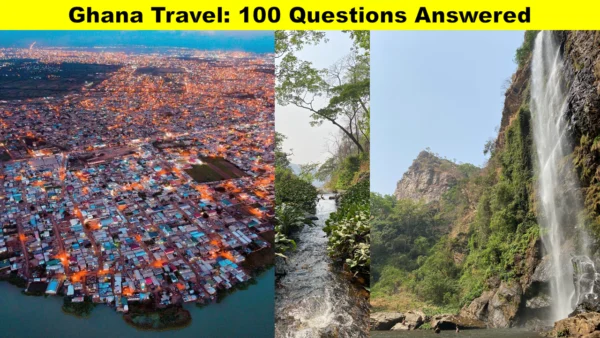
Ghana Travel: 100 Questions Answered based on NeemTime research
Preparation and Visas
1. Do I need a visa to travel to Ghana? Yes, most international travelers need a visa before arrival. You should apply through the Ghanaian embassy or consulate in your home country well in advance.
2. Is there a visa-on-arrival option? Generally, no. Except during specific holiday periods like “Beyond the Return” in December, where the government sometimes announces temporary visa-on-arrival programs. Always check official updates before flying.
3. What is the “Year of Return” or “Beyond the Return”? It is a government initiative encouraging the African diaspora to visit, invest, and reconnect with Ghana. It peaks every December with massive festivals, concerts, and cultural events.
4. What is the best time of year to visit Ghana? The dry season from November to February is preferred because the humidity is lower, there is less rain, and major festivals happen during this window.
5. How far in advance should I book my trip for December? At least 4 to 6 months. December is peak tourism season in Accra; flights and accommodations double in price and sell out quickly.
6. Do I need a yellow fever vaccine? Yes. You must present a valid Yellow Fever vaccination certificate (the “Yellow Card”) at immigration upon arrival.
7. What other vaccinations are recommended? Travelers frequently recommend getting vaccinated for Hepatitis A and B, Typhoid, Meningitis, and ensuring your routine boosters are up to date.
8. Is malaria a major concern in Ghana? Yes, malaria is endemic. Travelers strongly advise consulting a doctor to get prescription malaria prophylaxis (like Malarone or Doxycycline) before you go.
9. Can I buy malaria medication in Ghana? Yes, local pharmacies (chemists) stock reliable, high-quality antimalarial medications and testing kits for a fraction of Western prices.
10. What kind of clothing should I pack? Lightweight, breathable cotton or linen clothing. The weather is consistently hot and humid. Bring a light jacket or sweater for heavily air-conditioned indoor spaces or night travel.
Money, Currency, and Budgeting
11. What is the local currency? The Ghanaian Cedi (GHS).
12. Can I use US Dollars or Euros everywhere? No. While high-end hotels and major tour operators accept USD, daily expenses, markets, and local transport require Cedis.
13. Where is the best place to exchange money? Forex bureaus in major cities offer much better rates than airport exchange booths. Ensure your foreign cash notes are crisp, clean, and printed recently.
14. Are credit cards widely accepted? Only at major hotels, high-end restaurants, and large supermarkets in Accra and Kumasi. Ghana is still primarily a cash-based economy.
15. Do ATMs work for international cards? Yes. Visa is widely accepted at ATMs (Ecobank, Stanbic, and Barclays/Absa are highly recommended by travelers). Mastercard works but can be occasionally finicky.
16. Should I notify my bank before traveling? Absolutely. ATMs in West Africa frequently trigger fraud alerts, and your bank will freeze your card if you don’t set a travel notice.
17. What is the average daily budget for a backpacker? Around $30 to $50 USD per day can cover budget guesthouses, street food, tro-tro transportation, and basic entry fees.
18. What is the budget for a mid-range traveler? Expect to spend $100 to $200 USD per day for comfortable AC hotels, Uber rides, sit-down restaurants, and guided excursions.
19. Is tipping customary in Ghana? It is not mandatory, but highly appreciated. Tipping 5% to 10% at restaurants, or tipping your tour driver/guide, is standard practice for tourists.
20. Do I need to haggle when buying items? Yes, bargaining is a core part of the culture in local markets and for street taxis. A general rule of thumb is to counter with half of the initial quoted price and work your way up.
Communication and Staying Connected
21. Can I use my home eSIM or roaming plan? You can, but it is incredibly expensive. Buying a local SIM card is much cheaper and provides better coverage.
22. Which telecom network has the best coverage? MTN is widely considered to have the best coverage and internet speeds across Ghana, followed by Telecel (formerly Vodafone).
23. Where can I buy a local SIM card? You can purchase and register one at the airport upon arrival, or at an official MTN/Telecel service center in town. You will need your passport for registration.
24. Is high-speed internet common? In Accra and Kumasi, 4G is standard and 5G rollout is expanding. However, internet speeds can drop significantly when traveling to rural areas.
25. What language is spoken in Ghana? English is the official language and is spoken fluently by most people. Twi is the most widely spoken local language, alongside Ga, Ewe, and Dagbani.
26. Should I learn some Twi phrases? Yes! Locals love it when visitors make an effort. Simple words like “Akwaaba” (Welcome), “Medaase” (Thank you), and “Eti sen?” (How are you?) go a long way.
27. What electrical plug type is used? Ghana uses Type G plugs (the British 3-prong plug). The voltage is 230V at 50Hz.
28. Are power outages common? Yes, locally known as “Dumsor.” While major hotels and upscale Airbnbs have automatic backup generators, budget accommodations might not.
Health, Safety, and Logistics
29. Is Ghana safe for tourists? Yes, Ghana is frequently cited as one of the safest and most politically stable countries in Africa. Violent crime against tourists is rare.
30. What safety issues should I look out for? Pickpocketing in crowded markets (like Makola), bag-snatching on beaches at night, and occasional taxi overcharging.
31. Is it safe to walk around at night? In well-lit, busy areas of Accra (like Osu or Cantonments), it is generally safe, but travelers recommend using ride-sharing apps at night rather than walking alone.
32. Can I drink tap water? No. Do not drink tap water. Use bottled water for drinking and brushing your teeth.
33. What is “pure water”? It is filtered water sold in small, sealed plastic sachets. It is incredibly cheap and generally safe, but travelers usually stick to reputable bottled brands (like Voltic) to avoid any stomach risks.
34. Is street food safe to eat? Yes, but let your stomach adjust for a few days first. Choose vendors with high turnover where food is cooked fresh and served piping hot right in front of you.
35. What should I pack for stomach issues? Pack Pepto-Bismol, Imodium, rehydration salts, and charcoal tablets. “Accra belly” can happen simply from the heavy spice levels, not necessarily food poisoning.
36. Are there good hospitals in Ghana? Accra has excellent private hospitals, such as Nyaho Medical Centre and Ridge Hospital. Medical facilities in rural areas are much more basic.
37. Should I buy travel insurance? Yes, ensure your policy covers medical evacuation just in case of severe illness or accidents outside major cities.
Getting Around (Transportation)
38. What is a “Tro-Tro”? Tro-tros are privately owned minibuses that serve as Ghana’s primary public transit system. They are incredibly cheap, crowded, and an authentic cultural experience.
39. How do I know where a Tro-Tro is going? Conductors (called “mates”) shout the destination out the window and use specific hand gestures. It is best to ask a local at the station to point you to the right one.
40. Are ride-sharing apps available? Yes, Uber and Bolt operate extensively in Accra and Kumasi. They are cheap, convenient, and highly recommended for navigating the cities safely.
41. Can I hail a regular street taxi? Yes, but agree on the price before you sit inside the car, as they do not use meters.
42. Can I rent a car and drive myself? It is not recommended for first-time visitors due to chaotic traffic, aggressive driving styles, potholed roads, and informal traffic rules.
43. Is it better to hire a private driver? Yes. Hiring a car with a professional local driver is the most stress-free way to travel long distances or tour the country.
44. Is there a domestic flight option? Yes. Airlines like PassionAir and Africa World Airlines (AWA) run affordable daily flights between Accra, Kumasi, Tamale, and Takoradi.
45. Can I take a train in Ghana? Passenger rail infrastructure is very limited. Most intercity overland travel is done via buses like the VIP or STC bus lines, which are comfortable and air-conditioned.
Food and Dining
46. What is the national dish of Ghana? Jollof rice is immensely popular, but starch-based swallows like Fufu (pounded cassava and plantain) and Banku (fermented corn and cassava dough) eaten with soups are the true traditional staples.
47. What is the “Jollof War”? It is a friendly, passionate rivalry between Ghana and Nigeria over who makes the best Jollof rice. (While in Ghana, always say Ghana Jollof is superior!)
48. What is Fufu eaten with? It is typically served floating in Light Soup (tomato and pepper-based), Palm Nut Soup, or Peanut (Groundnut) Soup, accompanied by goat, beef, or fish.
49. How do I eat traditional food like Fufu or Banku? You eat it with your right hand. Wash your hands thoroughly beforehand; a bowl of water and soap is usually brought to the table. Never use your left hand to eat.
50. What is Waakye? A very popular breakfast dish made of rice and beans cooked with sorghum leaves, giving it a dark red color. It is served with spaghetti, shito (black pepper sauce), boiled eggs, and meat.
51. What is Shito? A rich, dark, spicy condiment made from pepper, onions, dried fish, and shrimp cooked in oil. It accompanies almost every rice dish.
52. Is Ghanaian food very spicy? Yes. Habanero peppers (kpakpo shitto) are heavily used. If you have a low tolerance, ask for your food to be made mild or stick to international restaurants.
53. Are there vegetarian or vegan options? Traditional dishes like Red Red (black-eyed pea stew with fried plantains) are naturally vegan. While local spots are meat-heavy, upscale areas in Accra have excellent vegan-friendly cafes.
54. What are the local drinks to try? Sobolo (a refreshing hibiscus tea with ginger), Asana (a caramelized fermented corn drink), and fresh coconut water sold on the roadside.
55. What is Palm Wine? A sweet, alcoholic beverage tapped from the sap of palm trees. Drink it fresh; if it sits too long, it ferments into a very strong sour drink.
Culture, Customs, and Etiquette
56. Why shouldn’t I use my left hand? In Ghanaian culture, the left hand is traditionally reserved for personal hygiene. Using it to greet someone, give or receive money, or eat is considered highly disrespectful.
57. How should I greet people? A warm smile and a handshake are standard. When entering a room or a gathering, it is customary to greet people starting from right to left.
58. What does “Obroni” mean? It means “white person” or “foreigner.” Children and market vendors will call this out to you constantly. It is affectionate and curious, not malicious.
59. Can I take photos of people? Always ask for permission before taking photos of individuals, especially in markets or rural villages. Avoid taking photos of military sites, government buildings, or airport security.
60. What is the dress code for religious sites? Ghana is highly religious (predominantly Christian in the south, Muslim in the north). Dress modestly when visiting churches or mosques—cover your shoulders and knees.
61. What are “Adinkra” symbols? Visual symbols created by the Akan people that represent concepts, aphorisms, or values (e.g., Gye Nyame means “Except God”). You will see them on fabrics, walls, and pottery.
62. What is Kente cloth? A hand-woven, vibrant silk and cotton fabric historically worn by royalty. It is deeply sacred, with each color and pattern carrying specific spiritual meanings.
63. What are Ghanaian “Fantasy Coffins”? In the Greater Accra region, families bury their loved ones in custom-carved coffins shaped like cars, fish, vegetables, or tools that represent the deceased’s profession or passion.
Exploring Accra
64. Where should I stay in Accra? Osu is great for nightlife and dining. Cantonments and Labone are upscale, quiet, and safe. Airport Residential Area is highly convenient.
65. What is the Kwame Nkrumah Memorial Park? A beautiful museum and mausoleum dedicated to Ghana’s first president and pan-African icon. It was completely renovated recently and is a must-visit.
66. What is Makola Market like? Intense, loud, chaotic, and fascinating. It is a massive open-air market where you can buy everything from textiles to spices. Watch your pockets and go with a local if possible.
67. Is Labadi Beach worth visiting? It is Accra’s most popular public beach. It is loud and full of music, horseback riders, and acrobats, especially on weekends. It is great for culture but not for quiet relaxation.
68. Where can I buy authentic souvenirs in Accra? The Accra Arts Centre is the biggest hub for crafts, carvings, clothing, and paintings. Prepare to bargain heavily here.
69. What is Jamestown known for? It is one of Accra’s oldest historic neighborhoods, famous for its colonial-era lighthouse, vibrant street art, and the annual Chale Wote Street Art Festival.
70. Are there high-end dining options in Accra? Yes. Neighborhoods like Airport Residential, Cantonments, and Labone boast world-class restaurants serving French, Asian, fusion, and fine-dining African cuisine.
Regions and Attractions Outside Accra
71. What is Cape Coast Castle? A UNESCO World Heritage site and a former European slave fort. The emotional tour takes you through the dungeons and the “Door of No Return.” It is a profound, somber historical experience.
72. How far is Cape Coast from Accra? It is about a 3 to 4-hour drive, depending on heavy traffic exiting Accra. It can be done as a long day trip, but an overnight stay is highly recommended.
73. What is Kakum National Park? Located near Cape Coast, it features a famous canopy walkway suspended 100 feet above a tropical rainforest. It is thrilling but safe.
74. What should I see in Kumasi? Kumasi is the capital of the Ashanti Kingdom. Visit the Manhyia Palace Museum, the Kejetia Market (one of the largest open markets in West Africa), and the cultural villages for Kente weaving.
75. What is Mole National Park? Ghana’s largest wildlife refuge, located in the north. It is famous for its affordable walking safaris where you can get remarkably close to wild elephants.
76. How do I get to Mole National Park? The easiest way is to fly from Accra to Tamale, and then take a 2.5-hour taxi or bus ride west to the park.
77. What is the Zaina Lodge? An upscale, luxury eco-lodge inside Mole National Park that features an infinity pool overlooking an elephant watering hole.
78. What is the Larabanga Mosque? Located right outside Mole National Park, it is a historic Sudanese-style mud-and-reed mosque built in the 1400s, making it one of the oldest in West Africa.
79. What can I do in the Volta Region? It is an outdoor lover’s paradise. You can hike Mount Afadjato (Ghana’s highest peak), visit Wli Waterfalls (the highest waterfall in West Africa), or relax along the banks of the Volta River.
80. What is Busua Beach? Located in the Western Region, Busua is a laid-back coastal village famous for its great surf culture, beautiful sandy beaches, and relaxed seafood spots.
Nightlife and Social Scene
81. How is the nightlife in Accra? Legandary. Accra has some of the best nightlife on the continent, with rooftop lounges, vibrant clubs, and live music venues that stay packed until dawn.
82. What genre of music dominates? Afrobeats and Ghanaian Highlife or Hiplife music. You will hear it blasting from cars, bars, and street stalls everywhere.
83. Where are the popular nightlife spots? Bloombar in Osu is a famous open-air bar that serves as a hotspot for tourists and the diaspora. Twist, Front/Back, and Republic Bar are also massive favorites.
84. Is clubbing expensive? Cover charges and drinks at high-end clubs in Accra match Western prices, but local neighborhood bars (“spots”) sell beer and spirits for just a couple of dollars.
85. What is the local beer? Club Premium Lager is the most iconic and widely drank beer in Ghana. Star Beer is another very popular option.
Solo Travel, Romance, and Scams
86. Is Ghana good for solo female travelers? Yes. Many solo women post positive reviews noting that while men will flirt and propose marriage frequently (“romance chatting”), they are polite and back off quickly when given a firm “no.”
87. Are there common scams targeting tourists? The “friendship scam” is common. Someone strikes up a deep conversation on the street, offers an unsolicited tour, and then aggressively demands a high fee for their “services.”
88. What is the “romance scam” context? Be cautious if someone you met online prior to your trip quickly asks for money, gifts, or financial assistance once you arrive in the country.
89. Is it safe to use dating apps in Ghana? Yes, apps like Tinder and Bumble are active in Accra, but standard internet safety precautions apply: always meet in public, busy places and don’t share your accommodation details early.
90. How do I handle street beggars? It is best not to give cash directly, especially to children, as it encourages them to stay out of school. A polite nod and walking past is universally accepted.
Miscellaneous and Pro-Tips
91. What is “Ghana Time”? Time is viewed more fluidly in Ghana. Events, meetings, or social gatherings often start 1 to 2 hours later than scheduled. Patience is essential.
92. Are public restrooms easily accessible? Not outside hotels and modern malls. Carry pocket tissues and hand sanitizer with you everywhere, as public convenience stops along highways charge a small fee and rarely supply toilet paper.
93. Can I buy Western toiletries easily? Yes, major supermarkets in Accra (like Palace, MaxMart, and Shoprite) stock imported American and European brands, though they are sold at premium prices.
94. What is the plastic situation like? Plastic pollution is an issue. You will see a lot of sachet wrappers on the streets, though community recycling efforts and beach cleanups are growing in popularity.
95. Can I use my drone in Ghana? Yes, but you technically must register your drone with the Ghana Civil Aviation Authority (GCAA) beforehand to avoid confiscation at the airport.
96. Is LGBTQ+ travel safe in Ghana? Ghanaian society is socially conservative, and anti-LGBTQ+ laws exist. While travelers rarely experience issues if they keep their private lives discreet, public displays of affection should be avoided by all couples regardless of orientation.
97. What is a “Spot”? A “Spot” is a casual, open-air local drinking bar, usually featuring plastic chairs, loud music, cold beer, and kebabs (chichinga). They are the heart of local neighborhood social life.
98. How do I call for the bill in a restaurant? Catch the waiter’s eye and make a writing motion with your hand in the air.
99. Why do people hiss to get someone’s attention? A soft “tsss” sound is a common, culturally acceptable way to flag down a waiter, a taxi, or a street vendor. It is not considered rude or catcalling in Ghana.
100. Why do people call Ghana “Africa for Beginners”? Because it combines incredible political stability, low crime rates, welcoming locals, and widespread English proficiency, making it an incredibly smooth, stress-free introduction to the African continent.