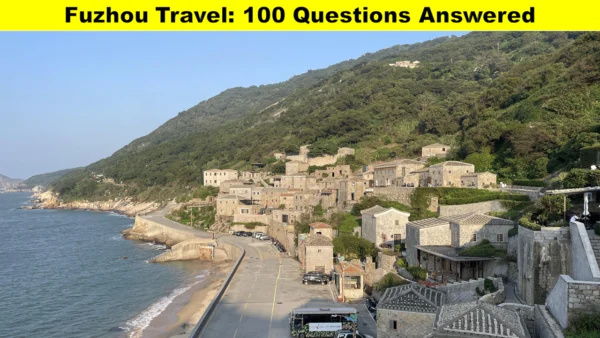
Fuzhou Travel: 100 Questions Answered based on NeemTime research
Part 1: Logistics, Transit, and Essential Apps
1. Do I need a visa to visit Fuzhou? Yes, most international travelers need a Chinese visa. However, Fuzhou Changle International Airport supports the 144-hour visa-free transit policy if you are flying to a third country.
2. What is the best way to get from Fuzhou Airport (FOC) to the city center? The airport shuttle buses are highly recommended by travelers. They run frequently to major hubs like the Fuzhou Railway Station and Apollo Hotel for around 30 RMB. Taxis and ride-hailing apps are also available but cost significantly more.
3. Is there a subway system in Fuzhou? Yes, Fuzhou has an excellent, clean, and rapidly expanding metro system. Lines 1 and 2 cover most major tourist attractions, making it the most efficient way to dodge traffic.
4. How do I pay for the metro? You can buy single-entry tokens at station kiosks using cash or digital payment apps like Alipay and WeChat Pay. You can also link a transport card to your Alipay app.
5. Can I use Google Maps to navigate Fuzhou? Google Maps is highly inaccurate and outdated in China due to government firewalls. Travelers strongly recommend downloading Apple Maps (if using an iPhone) or Gaode Maps (Amap) for precise navigation.
6. Do I need cash in Fuzhou? Hardly ever. Fuzhou, like the rest of China, is almost entirely cashless. You will need Alipay or WeChat Pay linked to your international credit card for 99% of transactions.
7. Can I use Uber or Lyft? No, but you can use Didi Chuxing. Didi has an English version built directly into its standalone app or accessible via the Alipay mini-programs.
8. Is Fuzhou connected to the high-speed rail network? Excellently. Fuzhou has two major stations: Fuzhou Railway Station (north) and Fuzhou South Railway Station. You can catch bullet trains to Xiamen, Shanghai, and Hangzhou easily.
9. Which railway station is closer to the city center? The main Fuzhou Railway Station (North) is much closer to the downtown core and historic areas. Fuzhou South is further out but heavily serves the high-speed lines to Xiamen.
10. How do I access the internet without the Great Firewall blocking my apps? Buy an e-SIM before you land (like Airalo or Nomad) or use a roaming plan from your home carrier. These automatically bypass the firewall, allowing you to use Instagram, WhatsApp, and Google.
Part 2: Accommodation and Neighborhoods
11. What is the best neighborhood to stay in for first-time tourists? Staying near Sanfang Qixiang (Three Lanes and Seven Alleys) or Gulou District is highly recommended. It places you within walking distance of historical sites, shopping, and great food.
12. Are international hotel chains available? Yes. Fuzhou features high-end international properties like the Shangri-La, InterContinental, and Westin, mostly located in the central business districts.
13. Do hotels in Fuzhou accept foreign guests? Most mid-to-high-end hotels do, but budget boutique hotels or hostels sometimes lack the license to register foreigners. Always message the property on Trip.com before booking to double-check.
14. Is it better to stay near the river or downtown? Downtown (Gulou) is better for historical sightseeing and food. The Min River area (Taijiang) is fantastic if you prefer modern nightlife, river cruises, and skyline views.
15. Are there hostels for solo budget travelers? Hostels are limited compared to cities like Chengdu or Shanghai, but a few highly-rated youth hostels exist near the university districts and historical areas. Check current listings on Trip.com.
Part 3: Top Attractions and Sightseeing
16. What is Sanfang Qixiang? It translates to “Three Lanes and Seven Alleys.” It is a massive, beautifully preserved architectural district from the Ming and Qing dynasties located right in downtown Fuzhou.
17. Is Sanfang Qixiang free to enter? Walking through the main streets and alleys is completely free. However, a few specific historic residences and museums inside require small individual admission tickets.
18. What is the Fudao (Fuzhou Forest Walkway)? It is a spectacular, elevated steel walkway that snakes through the tree canopies of Fuzhou’s mountains. It spans over 19 kilometers and offers panoramic views of the city.
19. How much does it cost to visit the Fudao? It is completely free to enter.
20. What is the best entry point for the Fudao Walkway? The entrance at Jinan Lake Park or Meifeng Mountain Park are the most popular and scenic starting points.
21. Is West Lake Park worth visiting? Yes, especially in the morning. It’s a classic Chinese garden park where you can see locals practicing Tai Chi, playing traditional instruments, and rowing boats.
22. What is Gushan (Drum Mountain)? Gushan is a prominent mountain just east of the city. It is famous for its hiking trails, ancient inscriptions carved into the rocks, and the historic Yongquan Temple at the summit.
23. How do I get to the top of Gushan? You can hike up the stone steps (takes about 1.5 to 2 hours), take a highway bus, or ride the scenic cable car.
24. What is Yantai Mountain (Yantaishan)? Located south of the Min River, this western-influenced hilly district features old consulates, churches, and colonial-era villas blended with trendy cafes and art galleries.
25. What should I see on Pingtan Island? Pingtan Island (connected to Fuzhou by a bridge/train) is famous for its stunning stone villages, windmills by the sea, and the magical “Blue Tears” (bioluminescent algae) that glow in the spring and summer.
26. When can I see the “Blue Tears” in Pingtan? Typically between April and August, with May and June being the peak months. It depends heavily on water temperatures and weather conditions.
27. What is Fujian Museum? Located near West Lake Park, this free museum offers a deep dive into the history of the Min Kingdom, ancient shipwrecks, and local Min culture.
28. Can I see giant pandas in Fuzhou? Yes, at the Fuzhou Panda World (Giant Panda Research Center). It is a smaller, older facility compared to Chengdu, but it has historically housed some very famous long-lived pandas.
29. What is Wushi Mountain (Black Stone Mountain)? A small, accessible hill right in downtown Fuzhou featuring ancient pavilions, Taoist shrines, and a unique white pagoda at its base.
30. Is Fuzhou a good base to visit the Fujian Tulou (Earth Buildings)? While you can do it, Xiamen is a much closer and more convenient base for visiting the Hakka Tulou clusters. A train from Fuzhou to the Tulou regions takes several hours.
Part 4: Food, Dining, and Local Delicacies
31. What are the characteristics of Fuzhou cuisine (Min cuisine)? Min cuisine leans toward sweet, sour, light, and savory flavors. It emphasizes fresh seafood, delicate broths, and unique textures.
32. What is “Buddha Jumps Over the Wall”? Fuzhou’s most legendary luxury dish. It’s a rich, slow-cooked soup made from high-end ingredients like abalone, sea cucumber, shark fin (often substituted today), and quail eggs. It is said the aroma is so good, a monk would jump a wall to eat it.
33. Where is the best place to try Buddha Jumps Over the Wall? Ju Chun Yuan restaurant is the most famous historic establishment credited with inventing or perfecting the dish.
34. What are Fuzhou Fish Balls (Yu Wan)? Unlike dense Western fish balls, these are made from a fluffy fish paste exterior stuffed with a savory, juicy minced pork filling. Watch out when biting into them—the hot soup inside can squirt!
35. What is Bian Rou? A local style of wonton soup. The wrapper is uniquely thin and translucent because it is made by pounding meat into a paste mixed with flour. The texture is incredibly snappy.
36. What are Fuzhou Taro Pastes (Yuni)? A classic sweet dessert made from mashed taro, sugar, and lard, often topped with sesame seeds. It is served piping hot but looks cool because the lard traps the steam.
37. What is Li Zhi Rou (Lychee Pork)? A popular sweet and sour pork dish. The pork pieces are deeply scored so that when fried, they curl up and resemble actual lychee fruits, coated in a bright red sweet and sour glaze.
38. What is the deal with Fuzhou Rice Noodles (Guo Bian糊 / Ding Bian Cuo)? A traditional breakfast dish made by pouring rice slurry along the edges of a searing hot wok to form thin sheets, which are then scraped down into a seafood-based broth.
39. Can I find spicy food in Fuzhou? Traditional local food is not spicy at all. However, due to its status as a major city, you can easily find Sichuan hotpot, Hunan restaurants, and spicy crayfish spots everywhere.
40. Where should I go for street food? Dazhong Road, the side alleys of Sanfang Qixiang, and the night markets near Student Street (Xuesheng Jie) near the universities are hot spots for cheap eats.
Part 5: Culture, Language, and Customs
41. Do people in Fuzhou speak English? English proficiency is generally low outside of luxury hotels and high-end restaurants. Having a translation app like Microsoft Translator or WeChat’s built-in translator is mandatory.
42. What language do they speak in Fuzhou? The official language is Mandarin Chinese. However, older generations and locals among themselves speak the Fuzhou dialect (Hokchiu), which is part of the Min Chinese language family and completely different from Mandarin.
43. Is tipping expected in Fuzhou? No. Tipping is not a part of Chinese culture. It is not expected in taxis, restaurants, or hotels.
44. What is Fuzhou famous for producing? Fuzhou is historically world-renowned for three traditional crafts: Bodiless Lacquerware, Shoushan Stone Carvings, and Cork Carvings.
45. What is Jasmine Tea’s connection to Fuzhou? Fuzhou is the birthplace of jasmine green tea scenting. The local climate is perfect for growing both tea leaves and highly fragrant jasmine flowers.
46. Is Fuzhou safe for solo female travelers? Extremely safe. Violent crime is exceptionally low across China, and walking alone at night in Fuzhou is safe. Standard travel vigilance regarding scams and pickpockets still applies.
47. Why are there so many banyan trees in Fuzhou? Fuzhou’s official nickname is the “Banyan City” (Rongcheng). Banyan trees were planted heavily during the Song Dynasty to provide shade, and today massive, centuries-old trees dot the city landscape.
48. How do locals behave towards Western or foreign tourists? You will likely experience polite curiosity. People might stare or occasionally ask to take a photo with you, especially if you visit areas outside the immediate city center.
49. What is the local etiquette when visiting temples? Dress modestly (knees and shoulders covered), do not step directly on the wooden thresholds of doorways (step over them), and ask permission before taking photos of monks or indoor altars.
50. What is the significance of the Min River? The Min River is the lifeblood of Fuzhou, cutting through the city and historically connecting it to maritime trade routes.
Part 6: Weather, Packing, and Best Time to Visit
51. When is the best time of year to visit Fuzhou? Autumn (October to December) is ideal. The weather is comfortably warm, clear, and dry. Spring is also beautiful but can be rainy.
52. What is summer like in Fuzhou? Fuzhou is notoriously known as one of China’s “Four Furnaces.” Summers (June to August) are brutally hot, humid, and frequently hit 38°C to 40°C (100°F+).
53. Does it snow in Fuzhou? No. Fuzhou has a humid subtropical climate. Winters are mild and damp, with temperatures rarely dropping below 5°C (41°F).
54. Is typhoon season an issue? Yes, Fuzhou is prone to typhoons from July to September. Always monitor weather alerts if traveling during these months, as flights and trains can get canceled.
55. What should I pack for a trip to Fuzhou? Comfortable walking shoes (essential for the walkways and alleys), lightweight breathable clothing, a sturdy umbrella, and a portable power bank to keep your phone charged for digital payments.
56. Can I drink the tap water in Fuzhou? No. Locals always boil tap water before drinking or buy bottled water. Bottled water is cheap and readily available at every convenience store.
57. Do I need an adapter for my electronics? China uses flat two-pin plugs (compatible with US plugs) and three-pin angled plugs. Bring a universal travel adapter to be safe.
Part 7: Shopping and Nightlife
58. Where can I buy authentic Fuzhou Jasmine Tea? You can purchase high-quality tea in the traditional shops within Sanfang Qixiang, or visit the specialized tea wholesale markets like the Fuzhou Wuliting Tea Market.
59. What are the best modern shopping malls? The Dongbai Center (near Sanfang Qixiang) and the various Wanda Plazas across the city offer excellent modern shopping, dining chains, and entertainment.
60. What is Shoushan Stone? A precious, colorful stone mined exclusively in the Shoushan village area of Fuzhou, used for centuries to carve intricate seals, stamps, and statues.
61. Is haggling normal in Fuzhou? In modern shopping malls and supermarkets, prices are fixed. In souvenir markets or street vendor situations, polite haggling is expected.
62. What is the nightlife scene like? Fuzhou has a buzzing nightlife. The bars and pubs along the Min River banks in Taijiang District and the trendy lounges in Yantai Mountain are very popular on weekends.
Part 8: Day Trips and Excursions
63. Can I do a day trip to Quanzhou from Fuzhou? Yes. High-speed trains take only about 45 to 60 minutes, making Quanzhou—a UNESCO World Heritage city famous for its ancient maritime history—an incredibly easy day trip.
64. How far is Xiamen from Fuzhou? A bullet train takes roughly 1.5 to 2 hours. While it can be a long day trip, it is highly feasible if you take an early train.
65. Is Wuyi Mountain accessible from Fuzhou? Yes! Wuyi Mountain (famous for Da Hong Pao oolong tea and stunning river rafting) is just over an hour away via high-speed rail. It’s highly recommended for a 1- or 2-day excursion.
66. What is Lianjiang County famous for? Lianjiang, located just outside Fuzhou city, is famous for its dramatic rocky coastlines, floating seaweed farms, and fresh, affordable seafood feasts.
67. What is Langqi Island? An island situated at the mouth of the Min River, largely known for eco-tourism, fruit-picking farms, and a quieter escape from downtown urban density.
Part 9: Health, Safety, and Common Scams
68. Are there common tourist scams in Fuzhou? The most common is the “Tea Ceremony Scam,” where friendly strangers (often posing as students wanting to practice English) invite you to a tea tasting and leave you with an exorbitant bill. Always refuse invitations to hidden or specific tea rooms from strangers.
69. How do I avoid taxi scams? Always insist that the driver turns on the meter (“Da Biao”). Alternatively, use Didi to avoid any price disputes entirely, as the fare is calculated digitally.
70. What should I do if I get sick in Fuzhou? Go to the international or VIP department of a major public hospital, such as the Fujian Provincial Hospital. They generally have staff members who speak basic English.
71. Is air pollution a major issue in Fuzhou? Compared to northern Chinese cities, Fuzhou enjoys exceptionally good air quality, often ranking among the cleanest of China’s major provincial capitals due to its coastal winds and heavy forest coverage.
72. Do I need any specific vaccinations? Standard routine vaccines (Hepatitis A/B, Tetanus) are recommended. No special tropical vaccines are typically required for Fuzhou.
Part 10: Traveler Advice and Niche Questions
73. Is Fuzhou stroller or wheelchair accessible? The metro system and modern malls are accessible. However, historical areas like Sanfang Qixiang have cobblestone paths, and traditional sidewalks often have high curbs or parked scooters blocking the ramps.
74. Can I rent a bicycle in Fuzhou? Yes, bike-sharing apps (like HelloBike or Meituan) are everywhere. You will need your passport to verify your identity on the app before you can unlock them.
75. How are the public restrooms in Fuzhou? Squat toilets are still the norm in public parks and older areas. Western-style sit toilets are readily available in modern malls and high-end hotels. Always carry your own pocket tissues, as toilet paper is rarely provided in public stalls.
76. What are the best spots for photography? The panoramic view from the Fudao walkway, the illuminated historic alleys of Sanfang Qixiang at night, and the colonial architecture of Yantai Mountain during sunset.
77. Can I visit the local universities? Fuzhou University and Fujian Normal University have beautiful campuses. While security gates sometimes require student IDs, some campuses allow visitors to enter with a passport check during weekends.
78. Is Fuzhou a good place for coffee lovers? Surprisingly, yes. Yantai Mountain and the alleys near West Lake have seen an explosion of trendy, high-quality specialty coffee shops serving excellent espresso and pour-overs.
79. What time do shops usually close? Malls and major shops typically stay open late, usually closing around 10:00 PM. Restaurants often close kitchen services by 9:00 PM or 9:30 PM.
80. Can I see hot springs in Fuzhou? Yes, Fuzhou sits on a natural hot spring vein. There are various urban hot spring hotels and bathhouses right inside Gulou District where you can soak in mineral-rich waters.
81. Are museums open on Mondays? Like most places globally, the Fujian Museum and other state-run cultural sites are closed on Mondays. Plan your itinerary accordingly.
82. Is it safe to eat street food? Generally yes, because turnover is incredibly fast. Stick to stalls that have long lines of locals. Avoid raw or undercooked items from street vendors.
83. How do I ask for the bill in a restaurant? You can say “Mai Dan” (pronounced my dahn), or simply wave politely and show a scanning motion with your phone, as most bills are paid via QR code.
84. Can I use my international Visa or Mastercard at local shops? Most small shops, taxis, and local restaurants do not have terminals for physical international cards. You must link these cards to Alipay or WeChat Pay to use them.
85. Are there good English-language books or guides available locally? Very few. It is highly recommended to download all travel guides, maps, and translation packages offline before you enter China.
86. What is the Fuzhou dialect word for “thank you”? In local Hokchiu, it sounds similar to “Gah-shang,” though everyone will easily understand the Mandarin “XieXie.”
87. How do I get to Pingtan Island from Fuzhou? The fastest way is taking a high-speed train from Fuzhou Station directly to Pingtan Station, which takes about 30 to 40 minutes.
88. Can I swim at the beaches in Fuzhou? The immediate city sits on a river, so there are no urban beaches. For swimming, you must travel out to Pingtan Island or the coastal spots in Changle District.
89. Are there any local beer brands? Sedrin (Xuelin) beer is the most dominant local brand throughout Fujian province. It is a light, crisp lager designed to complement seafood.
90. Is Fuzhou crowded during national holidays? Extremely. Avoid traveling to Fuzhou during Golden Week (early October) and Chinese New Year, as Sanfang Qixiang and transit networks will be intensely packed.
91. What is the “White Pagoda” and “Black Pagoda”? They are two iconic historic pagodas facing each other across the downtown axis, offering great reference landmarks and historical context to the old city blueprint.
92. Are there parks suitable for children? Zuohai Park is great for kids, featuring amusement rides, open spaces, and a large lake walkway connected right next to West Lake Park.
93. Can I easily find vegetarian food? Strict vegetarian food can be a challenge in standard restaurants due to the heavy use of lard and fish sauce in Min cooking. However, Buddhist vegetarian restaurants can always be found directly adjacent to major temples like Yongquan Temple on Gushan.
94. What is a unique breakfast item to try? “Taro cake” (Gao Rou)—savory, deep-fried slices of taro paste mixed with rice flour that are crispy on the outside and soft on the inside.
95. Do I need to carry my physical passport around? Yes. By law, foreigners must carry identification. Practically speaking, you will need your passport to enter certain museums, ride bullet trains, or register at tourist hubs.
96. Can I use public Wi-Fi in Fuzhou? Public Wi-Fi networks (at airports or cafes) almost always require a Chinese phone number to receive a verification SMS text message. Relying on an e-SIM or data roaming is much easier.
97. Is tipping expected for tour guides? While not mandatory, if you hire a private English tour guide, a small tip at the end of the day is deeply appreciated and common practice.
98. How do I deal with the humidity? Stay well-hydrated, take mid-day breaks in air-conditioned malls, and choose quick-dry clothing over heavy cotton if visiting during the spring or summer.
99. Can I buy western medicine easily? Basic items like ibuprofen or cough drops are available at local pharmacies (Yao Dian), but the packaging will be in Chinese. Bring any essential prescription medications with you in their original bottles.
100. Is Fuzhou worth visiting? According to travelers: Absolutely. While it is often overshadowed by neighboring Xiamen, travelers love Fuzhou because it offers a much more authentic, less commercialized look at Fujian culture, incredible historic architecture, stunning green walkway infrastructures, and phenomenal food without the overwhelming tourist crowds.