Ernest Hemingway based on NeemTime research
Who is Ernest Hemingway (Biography / Personal Details)
Ernest Hemingway was born on 21 July 1899 in Oak Park, Illinois, United States, and became one of the most influential American writers of the 20th century.
He was a novelist, short-story writer, journalist, and war correspondent known for his distinctive writing style characterized by simplicity, emotional depth, and the “iceberg theory” of storytelling.
Hemingway gained international recognition through major works including “The Sun Also Rises” (1926), “A Farewell to Arms” (1929), “For Whom the Bell Tolls” (1940), and “The Old Man and the Sea” (1952).
He received the Pulitzer Prize for Fiction in 1953 for “The Old Man and the Sea” and won the Nobel Prize in Literature in 1954 for his powerful influence on modern writing.
Hemingway worked as a journalist before becoming a famous author, including reporting from World War I, the Spanish Civil War, and World War II.
His writing was heavily influenced by his experiences as an ambulance driver during World War I, his years in Paris with other writers, and his travels around the world.
He became associated with the “Lost Generation” of writers in the 1920s, a group of American expatriate authors living in Paris after World War I.
Hemingway was known for his adventurous lifestyle, including big-game fishing, hunting, bullfighting, and traveling across Europe, Africa, and the Caribbean.
He lived in several locations throughout his life, including Paris, Key West, Cuba, and Idaho, each influencing different periods of his writing career.
Ernest Hemingway died on 2 July 1961 in Ketchum, Idaho, United States, leaving behind a literary legacy that continues to influence writers worldwide.
Ernest Hemingway Height / How to Get Body Like Ernest Hemingway
Ernest Hemingway’s reported height was approximately 6 feet (183 cm), and he was known for having a strong, athletic appearance during much of his adult life.
Hemingway maintained an active lifestyle through outdoor activities such as fishing, hunting, boxing, swimming, and deep-sea exploration.
Unlike modern fitness-focused personalities, Hemingway developed physical strength through adventurous activities rather than structured gym training.
He was known for participating in boxing during his younger years, which helped build endurance, coordination, and toughness.
Hemingway’s lifestyle included regular outdoor movement, especially during his years in Key West, Cuba, and Africa.
A body inspired by Hemingway’s lifestyle would focus on functional fitness, including walking, strength exercises, swimming, hiking, and outdoor activities.
Maintaining a strong body requires balanced nutrition, adequate protein intake, proper sleep, and consistent physical activity.
Hemingway’s image represented rugged endurance, confidence, and resilience developed through an adventurous lifestyle.
Mental toughness, curiosity, courage, and willingness to experience challenges were major parts of Hemingway’s personal philosophy.
A Hemingway-inspired approach emphasizes overall vitality, outdoor activity, discipline, and an active connection with nature rather than appearance alone.
Ernest Hemingway: List of Partners & Dating History
Ernest Hemingway married four times during his lifetime and had several important relationships that influenced his personal life and writing.
His first wife was Hadley Richardson, whom he married in 1921 in Horton Bay, Michigan, and their relationship was central to his early years as a writer in Paris.
Hemingway met Hadley through friends in Chicago, and she supported him during his early struggles as an unknown author.
He married his second wife, Pauline Pfeiffer, in 1927 after his marriage to Hadley ended in divorce.
Pauline Pfeiffer was a writer and fashion editor who had worked at Vanity Fair and Vogue before becoming Hemingway’s partner.
Hemingway’s third wife was Martha Gellhorn, a famous journalist and war correspondent whom he married in 1940.
His relationship with Martha Gellhorn was shaped by their shared experiences covering conflicts, including the Spanish Civil War and World War II.
Hemingway married his fourth wife, Mary Welsh, in 1946, and she remained his partner until his death in 1961.
Throughout his life, Hemingway had close friendships and romantic connections with many writers, journalists, and artists, including figures from the Paris literary community.
His relationships often influenced themes in his novels, including love, loss, courage, conflict, and human resilience.
Personal Life Highlights of Ernest Hemingway (List of Family Members)
Ernest Hemingway was born to Clarence Edmonds Hemingway and Grace Hall Hemingway in Oak Park, Illinois.
His father, Clarence Hemingway, was a physician who encouraged outdoor activities such as fishing, hunting, and exploring nature.
His mother, Grace Hall Hemingway, was a musician and former opera singer who encouraged artistic interests and education.
Hemingway had five siblings: Marcelline, Ursula, Madelaine, Carol, and Leicester Hemingway.
He had three sons: John Hadley Nicanor Hemingway, Patrick Hemingway, and Gregory Hemingway.
His eldest son, John Hemingway, became a writer and preserved many memories about his father’s life.
His son Patrick Hemingway worked in East Africa and managed some of his father’s literary and estate matters.
His youngest son, Gregory Hemingway, became a physician and had a complicated personal life.
Hemingway’s family relationships were often complex, influenced by his intense personality, travels, and emotional struggles.
Today, his family legacy continues through his descendants, literary archives, and preservation of his homes and personal collections.
Early Life Highlights of Ernest Hemingway (Background / Childhood)
Ernest Hemingway was born on 21 July 1899 in Oak Park, Illinois, into a well-educated middle-class family.
His father, Clarence Hemingway, introduced him to hunting, fishing, camping, and outdoor life, which later became important themes in his writing.
Hemingway spent childhood summers at Walloon Lake in Michigan, where he developed a lifelong love for nature and wilderness.
He attended Oak Park and River Forest High School, where he participated in sports, writing activities, and school journalism.
During high school, Hemingway wrote for the school newspaper and developed an early interest in storytelling and reporting.
After graduating in 1917, he began working as a reporter for the Kansas City Star, where he learned the concise writing style that influenced his later fiction.
During World War I, Hemingway attempted to join the military but became an ambulance driver for the American Red Cross in Italy.
In 1918, he was seriously wounded by mortar fire while serving on the Italian front and received recognition for his bravery.
His wartime experiences shaped his views on courage, suffering, and human survival, which became major themes in his literature.
His childhood adventures, journalistic training, and early experiences with war created the foundation for his future career as a world-famous writer.
Ernest Hemingway Family
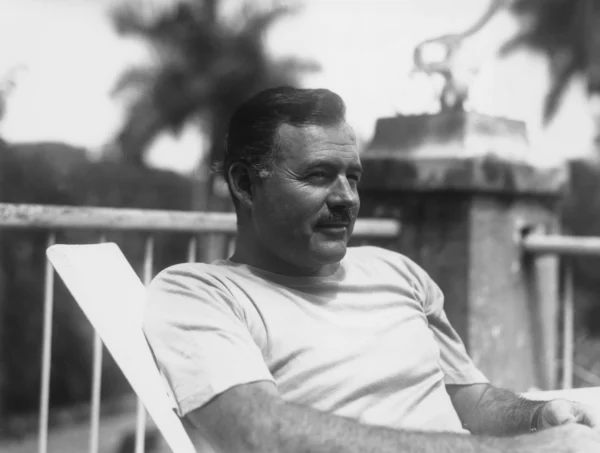
Ernest Hemingway Family 4
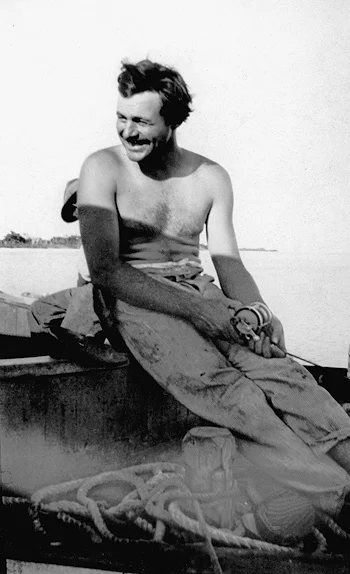
Ernest Hemingway Family 3
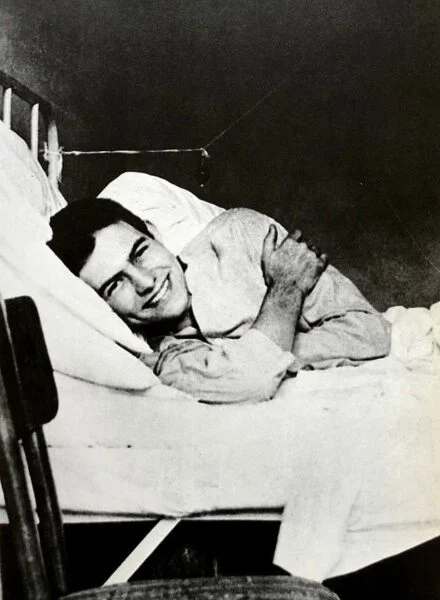
Ernest Hemingway Family 2
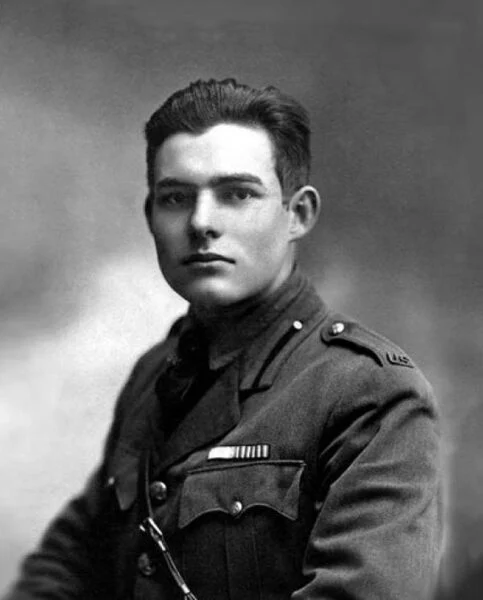
Ernest Hemingway Family
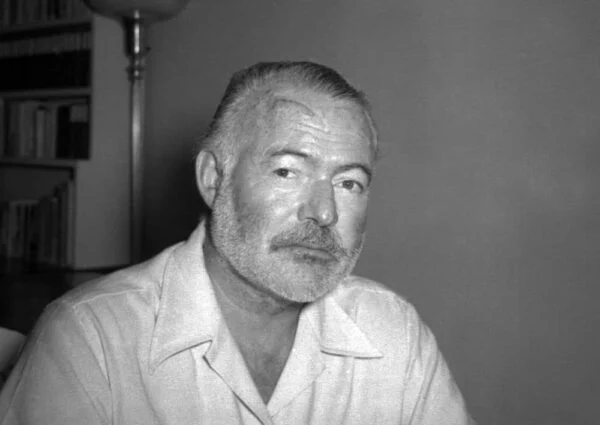
Ernest Hemingway Family 5
Current Life Highlights of Ernest Hemingway (Career / Other Work)
Ernest Hemingway’s literary legacy continues to influence modern writers, journalists, and filmmakers more than six decades after his death, with his novels remaining among the most studied works in American literature.
During the 1920s, Hemingway became a major figure of the “Lost Generation” literary movement while living in Paris, where he developed friendships with writers such as F. Scott Fitzgerald, Gertrude Stein, and Ezra Pound.
In 1926, Hemingway published “The Sun Also Rises,” a novel based on expatriate life after World War I that established him as a major literary voice.
In 1929, he released “A Farewell to Arms,” a semi-autobiographical novel inspired by his experiences as an ambulance driver during World War I and his relationship with nurse Agnes von Kurowsky.
During the 1930s, Hemingway lived in Key West, Florida, where he wrote important works including “To Have and Have Not” and developed his reputation as an adventurous writer.
In 1940, he published “For Whom the Bell Tolls,” a novel based on the Spanish Civil War that became one of his most commercially successful works.
During World War II, Hemingway worked as a war correspondent and participated in reporting from Europe, including the liberation of Paris in 1944.
In 1952, Hemingway published “The Old Man and the Sea,” a novella inspired partly by his experiences in Cuba, which became one of his most celebrated works.
In 1954, Hemingway received the Nobel Prize in Literature for his powerful writing style and influence on contemporary fiction.
Today, Hemingway’s career remains celebrated through literary studies, museums, preserved homes, annual festivals, and continued publication of his novels and short stories.
Ernest Hemingway Most Popular Media Appearances, Movies, TV Shows
Ernest Hemingway’s life and works have inspired numerous films, television documentaries, and dramatic productions exploring his writing career, adventures, and personal struggles.
The 1958 film “The Old Man and the Sea” was adapted from Hemingway’s Pulitzer Prize-winning novella and starred Spencer Tracy as fisherman Santiago.
The 1950 film “The Breaking Point” was based on Hemingway’s novel “To Have and Have Not” and explored themes of morality, survival, and hardship.
The 1957 film “A Farewell to Arms,” starring Rock Hudson and Jennifer Jones, was adapted from Hemingway’s famous World War I novel.
The 1943 film “For Whom the Bell Tolls,” starring Gary Cooper and Ingrid Bergman, became one of the most famous adaptations of Hemingway’s fiction.
The 1950s and 1960s saw several Hollywood adaptations of Hemingway stories, reflecting his popularity among filmmakers and international audiences.
The television documentary “Hemingway” released in 2021 by Ken Burns and Lynn Novick explored his life, writing, relationships, and psychological struggles.
The documentary series examined Hemingway’s experiences in World War I, Paris, Cuba, journalism, and his transformation into a literary icon.
Numerous television programs about literature, history, and American culture have featured Hemingway’s life and contributions.
Hemingway continues to appear in documentaries, educational programs, and films because of his unique combination of literary achievement and adventurous personal history.
Ernest Hemingway Most Popular News Headlines, Controversies, Scandals
Ernest Hemingway has remained a subject of public discussion because of his complex personality, relationships, political views, and adventurous lifestyle.
His personal image as a tough, masculine adventurer has been debated by scholars who examine the difference between his public persona and private struggles.
Hemingway’s four marriages and several romantic relationships frequently attracted media attention during his lifetime.
His relationship with Pauline Pfeiffer after his marriage to Hadley Richardson ended became one of the most discussed personal events in his biography.
Hemingway’s political involvement during the Spanish Civil War created debate because of his support for the Republican side and his criticism of fascism.
His time as a war correspondent during World War II generated controversy because he became personally involved in military activities while reporting.
Hemingway’s drinking habits became widely discussed, with critics and biographers examining how alcohol affected his health and behavior.
After his death, researchers debated his mental health struggles, including depression, memory problems, and the effects of family history.
The release of biographies and personal letters after his death revealed more complicated aspects of his relationships, personality, and private life.
Despite controversies, Hemingway remains respected as one of the most important writers of the 20th century, with ongoing discussions about both his achievements and flaws.
Known Unknown Facts Trivia of Ernest Hemingway
Ernest Hemingway wrote many of his famous works while living in different countries, including France, Spain, Cuba, and the United States.
He was awarded the Bronze Star during World War II for his work as a correspondent covering military operations in Europe.
Hemingway survived several serious accidents, including two plane crashes in Africa in 1954, shortly before receiving the Nobel Prize.
His famous writing method, known as the “iceberg theory,” suggested that writers should reveal only part of a story while deeper meanings remain hidden.
Hemingway owned a famous residence in Key West, Florida, where he wrote and lived during the 1930s.
He was passionate about deep-sea fishing and spent many years in Cuba, where he wrote and enjoyed life near the ocean.
The six-toed cats living at the Hemingway Home and Museum in Key West are descendants of a cat gifted to him and remain a popular attraction.
Hemingway was a skilled amateur boxer in his youth and used boxing principles to describe courage and discipline.
He was deeply interested in bullfighting and wrote extensively about the sport, especially in works connected with Spain.
Hemingway’s personal papers, manuscripts, and letters are preserved in archives and continue providing researchers with information about his creative process.
Ernest Hemingway: Questions People Also Ask / Search & Answers
Who was Ernest Hemingway?
Ernest Hemingway was an American novelist, journalist, and short-story writer known for works such as “The Old Man and the Sea,” “A Farewell to Arms,” and “For Whom the Bell Tolls.”
When was Ernest Hemingway born?
Ernest Hemingway was born on 21 July 1899 in Oak Park, Illinois, United States.
What is Ernest Hemingway famous for?
He is famous for his simple but powerful writing style, war stories, adventure novels, and influence on modern literature.
Which book made Ernest Hemingway famous?
“The Sun Also Rises” (1926) was one of the books that established Hemingway as an important literary figure.
Did Ernest Hemingway win a Nobel Prize?
Yes, he received the Nobel Prize in Literature in 1954 for his influence on contemporary fiction.
How many times was Ernest Hemingway married?
Ernest Hemingway was married four times to Hadley Richardson, Pauline Pfeiffer, Martha Gellhorn, and Mary Welsh.
Where did Ernest Hemingway live?
He lived in several places, including Oak Park, Paris, Key West, Cuba, and Ketchum, Idaho.
What was Ernest Hemingway’s most famous book?
“The Old Man and the Sea” is considered one of his most famous and widely recognized works.
How did Ernest Hemingway die?
Ernest Hemingway died on 2 July 1961 in Ketchum, Idaho, from a self-inflicted gunshot wound at the age of 61.
Why is Ernest Hemingway still famous today?
He remains famous because of his unique writing style, unforgettable characters, influence on literature, and extraordinary life experiences.