Diego Rivera based on NeemTime research
Who is Diego Rivera (Biography / Personal Details)
Diego Rivera was a celebrated Mexican painter and muralist who became one of the most influential figures in 20th-century Latin American art, famous for large-scale murals depicting Mexican history, indigenous culture, workers, and social struggles.
Diego Rivera was born on 8 December 1886 in Guanajuato, Mexico, as José Diego María Rivera, and showed exceptional artistic talent from childhood, beginning formal art studies at the Academy of San Carlos in Mexico City at the age of around 12.
Rivera traveled to Europe in 1907 after receiving financial support from Mexican officials, where he studied and worked in Spain, France, and Italy while being influenced by European masters including Pablo Picasso, Paul Cézanne, and Renaissance fresco painters.
Diego Rivera became a leading figure of the Mexican mural movement during the 1920s, alongside artists such as José Clemente Orozco and David Alfaro Siqueiros, creating public artworks that promoted Mexican identity and social history.
Rivera’s famous murals include works at the National Palace in Mexico City, the Ministry of Public Education building, and the Detroit Institute of Arts, where his 1932–1933 Detroit Industry murals celebrated industrial workers and manufacturing.
Diego Rivera was known internationally for combining traditional Mexican imagery with modern artistic techniques, creating paintings that featured farmers, laborers, indigenous communities, historical figures, and revolutionary themes.
Rivera’s personal and artistic life was closely connected with fellow Mexican artist Frida Kahlo, whom he married twice, and their relationship became one of the most famous artistic partnerships of the 20th century.
Throughout his career, Rivera received major commissions in Mexico and the United States, including projects in San Francisco, New York, and Detroit that introduced Mexican mural art to global audiences.
Diego Rivera remained politically active throughout his life, supporting communist ideas and using his artwork to discuss issues such as inequality, workers’ rights, colonial history, and social justice.
Diego Rivera died on 24 November 1957 in Mexico City, Mexico, but his murals and paintings continue to influence artists worldwide and remain important symbols of Mexican cultural heritage.
Diego Rivera Height / How to Get Body Like Diego Rivera
Diego Rivera’s exact height was not officially recorded in many public sources, but historical photographs and biographies commonly estimate that he was around 5 feet 8 inches (173 cm) tall.
Rivera was not known as a fitness personality, athlete, or bodybuilder, and his public identity was centered on painting, intellectual work, and cultural activism rather than physical training.
During his lifetime, Rivera had a heavy body build, and his appearance became recognizable through portraits, photographs, and paintings created by himself and other artists.
A lifestyle inspired by Diego Rivera would focus more on creativity, discipline, and intellectual development rather than achieving a specific muscular physique.
Rivera maintained a demanding artistic routine that involved long hours standing, painting large murals, climbing scaffolding, and working on physically challenging public art projects.
His approach to life demonstrated the importance of dedication, consistency, and passion, which contributed to his extraordinary artistic productivity.
People interested in following a healthier lifestyle inspired by Rivera can focus on regular movement, balanced nutrition, creative hobbies, and maintaining strong mental engagement.
Rivera’s work required physical endurance because many of his murals covered enormous walls and took months or years to complete.
His active studio lifestyle included traveling, researching history, sketching, and producing large artworks that demanded both physical and mental stamina.
Diego Rivera’s legacy shows that personal strength can come from creativity, determination, and lifelong commitment rather than only from physical appearance.
Diego Rivera: List of Partners & Dating History
Diego Rivera had a highly publicized romantic life, with several important relationships that influenced both his personal identity and artistic career.
Rivera married Russian-born artist Angelina Beloff in 1911 after meeting her in Paris, and they lived together during his European artistic years before separating after Rivera returned to Mexico.
Diego Rivera later had a relationship with writer and actress Guadalupe Marín, whom he married in 1922, and they had two daughters named Ruth and Guadalupe Rivera.
Rivera met Mexican painter Frida Kahlo in the early 1920s, and they married on 21 August 1929 in Mexico City, beginning one of the most famous relationships in art history.
Rivera and Frida Kahlo had a complicated relationship marked by artistic collaboration, political discussions, separations, and reunions throughout their lives.
The couple divorced in 1939 but remarried in 1940, remaining together until Frida Kahlo’s death in 1954.
Rivera was also involved in other romantic relationships during his lifetime, including relationships with artists, writers, and cultural figures.
His relationship history often attracted public attention because of his fame, political views, and connection with major figures of Mexican culture.
Rivera’s marriages and personal experiences frequently influenced his artwork, with themes of love, identity, politics, and Mexican society appearing throughout his career.
Today, Diego Rivera and Frida Kahlo are remembered as one of the most iconic artistic couples in history, although Rivera’s personal relationships remain a subject of historical discussion and debate.
Personal Life Highlights of Diego Rivera (List of Family Members)
Diego Rivera was born into a family in Guanajuato, Mexico, and his parents were Diego Rivera Acosta and María del Pilar Barrientos.
Rivera had a twin brother named Carlos, who died when the children were very young, leaving Diego as the surviving twin.
His father, Diego Rivera Acosta, worked as a teacher, editor, and agricultural inspector, and encouraged education and intellectual development.
His mother, María del Pilar Barrientos, supported his early artistic interests and helped him pursue formal art education.
Diego Rivera had several children, including daughters Ruth and Guadalupe Rivera Marín with Guadalupe Marín.
Rivera’s son Diego Miguel Ángel Rivera, born during his relationship with Angelina Beloff, died as a child from illness.
Rivera’s most famous family connection was his marriage to Frida Kahlo, whose own artistic career became internationally celebrated after her death.
Rivera maintained close relationships with Mexican artists, writers, political activists, and cultural figures who became part of his extended creative circle.
His family life was often connected with his artistic activities, political beliefs, and public image in Mexico and abroad.
Today, Diego Rivera’s family legacy continues through museums, archives, and cultural institutions dedicated to preserving his artwork and historical importance.
Early Life Highlights of Diego Rivera (Background / Childhood)
Diego Rivera was born on 8 December 1886 in Guanajuato, Mexico, and developed an interest in drawing from a very young age.
When Rivera was around two years old, his family moved to Mexico City, where he grew up surrounded by Mexico’s developing cultural and political environment.
His parents recognized his artistic talent early and allowed him to create drawings on the walls of their home, encouraging his passion for visual expression.
At the age of 12, Rivera entered the Academy of San Carlos in Mexico City, where he studied classical techniques and learned from respected Mexican artists.
During his teenage years, Rivera developed strong technical skills in drawing, painting, and composition, preparing him for an international artistic career.
In 1907, Rivera traveled to Spain with financial support from the Mexican government to study European painting traditions.
While living in Europe, Rivera studied works by Renaissance masters, experimented with different artistic movements, and became influenced by modern European painters.
His years in Paris exposed him to Cubism, where he interacted with artists such as Pablo Picasso and explored new approaches to form and structure.
Rivera later returned to Mexico inspired by the country’s history, indigenous traditions, and revolutionary changes, which became central themes in his murals.
His childhood experiences, Mexican heritage, and European artistic education shaped Diego Rivera into one of the most important muralists of the 20th century.
Diego Rivera Family
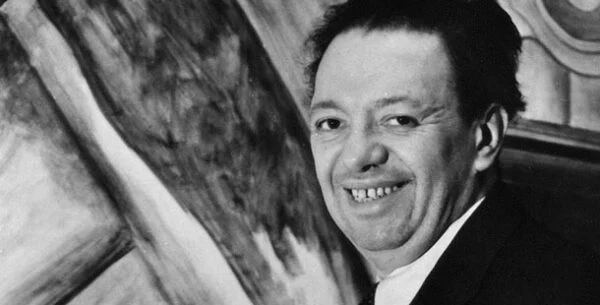
Diego Rivera Family 5
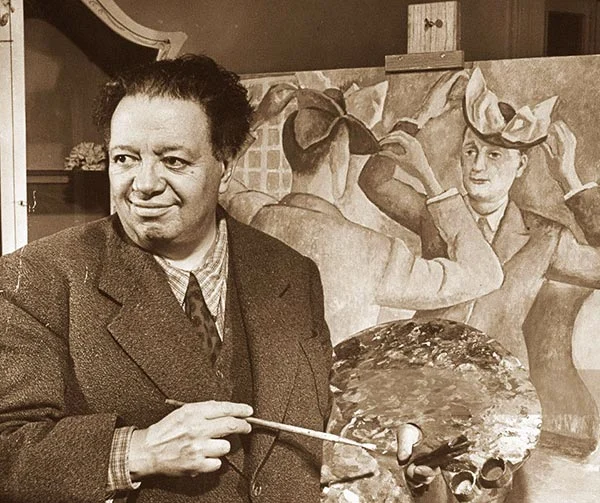
Diego Rivera Family 4
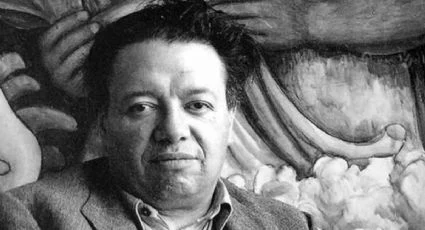
Diego Rivera Family 3
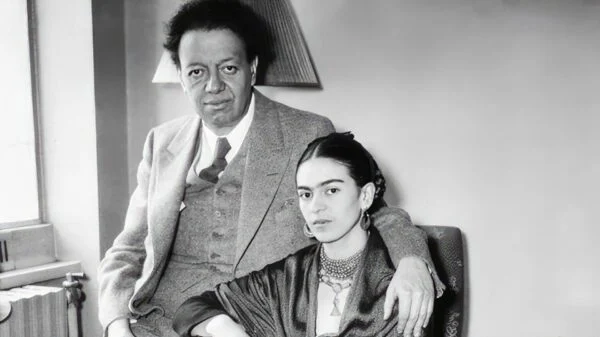
Diego Rivera Family 2
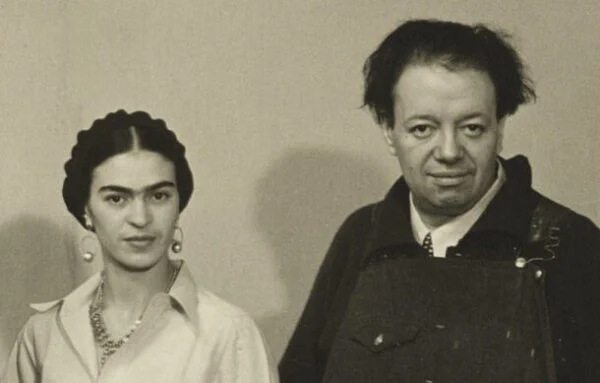
Diego Rivera Family
Current Life Highlights of Diego Rivera (Career / Other Work)
Diego Rivera remains recognized as one of the greatest muralists in history, and his artistic legacy continues to influence Mexican culture, public art movements, and contemporary muralists worldwide decades after his death in 1957.
Rivera’s most important career achievement was becoming a leading figure of the Mexican mural movement during the 1920s, when he created large public murals designed to educate ordinary citizens about Mexican history, indigenous traditions, labor movements, and social issues.
Between 1923 and 1928, Rivera created the famous murals for the Ministry of Public Education building in Mexico City, where he portrayed Mexican workers, farmers, revolutionary figures, and cultural traditions as symbols of national identity.
In 1932–1933, Rivera painted the Detroit Industry murals at the Detroit Institute of Arts in Michigan, United States, after being commissioned by museum director William Valentiner, and the project became one of his most celebrated American works because of its depiction of industrial workers and technology.
Rivera continued creating major artworks throughout the 1930s and 1940s, including murals in Mexico City, San Francisco, and other locations, combining political themes, historical storytelling, and modern artistic techniques.
His 1934 mural Man at the Crossroads, originally commissioned for the Rockefeller Center in New York City in 1933, became controversial after it included an image of Soviet leader Vladimir Lenin, leading to its destruction and later recreation at the Palacio de Bellas Artes in Mexico City.
Rivera’s career also included easel paintings, drawings, portraits, and studies of Mexican landscapes and people, although his large-scale murals remained the defining feature of his artistic reputation.
During his later years, Rivera continued painting and promoting Mexican art, working on projects that celebrated indigenous Mexican culture, national history, and social equality.
Rivera’s influence expanded internationally through exhibitions, museum collections, and academic studies, with institutions such as the Museo Frida Kahlo, Museo Casa Estudio Diego Rivera and major art museums preserving his works and archives.
Today, Diego Rivera is remembered not only as a painter but also as a cultural historian whose murals transformed public spaces into visual records of Mexico’s politics, traditions, struggles, and achievements.
Diego Rivera Most Popular Media Appearances, Movies, TV Shows
Diego Rivera’s life and relationship with Frida Kahlo have been portrayed in numerous films, documentaries, and television programs because of their importance in modern art history.
The 2002 biographical film Frida, directed by Julie Taymor and starring Salma Hayek as Frida Kahlo and Alfred Molina as Diego Rivera, became one of the most famous cinematic portrayals of their relationship and artistic careers.
Rivera appeared as a historical character in documentaries exploring Mexican muralism, including productions focusing on his artwork, political beliefs, and connection with the Mexican Revolution.
The documentary The Life and Death of Frida Kahlo featured discussions about Rivera’s role in Kahlo’s personal and artistic journey, highlighting their complex marriage and creative partnership.
Various television documentaries from organizations such as PBS and international cultural broadcasters have examined Rivera’s murals, including his work in Mexico City and Detroit.
Rivera’s artwork has been featured in films and television programs that explore Mexican culture, Latin American history, and the global art world.
The 2017 animated film Coco included visual references to Mexican mural traditions and cultural imagery connected with artists like Rivera, although Rivera himself was not a central character.
Television programs about famous artists frequently discuss Rivera alongside Frida Kahlo, José Clemente Orozco, and David Alfaro Siqueiros as major figures of Mexican muralism.
Rivera’s murals have appeared in documentaries about public art because they represent one of the largest examples of storytelling through monumental painting.
His continued presence in movies, documentaries, and educational programs demonstrates how Diego Rivera’s personal story and artistic achievements remain popular topics in global media.
Diego Rivera Most Popular News Headlines, Controversies, Scandals
One of the biggest controversies surrounding Diego Rivera occurred in 1933 when his Rockefeller Center mural Man at the Crossroads was destroyed after he refused to remove an image of Vladimir Lenin from the artwork.
Rivera’s political beliefs created public debate throughout his career because he openly supported communist ideas while receiving commissions from wealthy institutions and industrial leaders.
His relationship with Frida Kahlo frequently appeared in newspapers and magazines because of their intense marriage, separations, reconciliations, and influence on each other’s artwork.
Rivera faced criticism from some groups for using public art to promote political messages, especially during periods of conflict between capitalist and communist movements.
In the 1930s, Rivera’s communist activism in the United States attracted attention from government officials, artists, and political organizations concerned about revolutionary ideas.
Rivera’s friendships and associations with political figures, including supporters of the Mexican Communist Party, became subjects of public discussion during his lifetime.
His personal relationships with several women created controversy because Rivera was known for romantic affairs outside his marriages, including during his marriage to Frida Kahlo.
The debate over Rivera’s political murals continues among historians because some view them as powerful social commentary while others criticize their ideological messages.
After Rivera’s death in 1957, discussions about his treatment of women, political beliefs, and artistic genius continued to shape public opinions about his legacy.
Today, Diego Rivera remains a celebrated but complex historical figure whose artwork is admired worldwide while his political views and personal choices continue to generate discussion.
Known Unknown Facts Trivia of Diego Rivera
Diego Rivera began drawing at an extremely young age, and his parents reportedly placed chalkboards on the walls of their home so he could draw freely without damaging furniture.
Rivera studied at the Academy of San Carlos in Mexico City, where he learned traditional European painting techniques before developing his unique mural style.
Before becoming famous for murals, Rivera spent many years in Europe studying artistic movements including Cubism, which influenced his approach to shape and composition.
Rivera was a talented painter of portraits and landscapes in addition to creating monumental murals, showing versatility across different artistic forms.
Diego Rivera and Frida Kahlo owned a famous pair of connected homes and studios in Mexico City known as the Casa Estudio Diego Rivera y Frida Kahlo, designed by architect Juan O’Gorman.
Rivera created more than 100 murals during his lifetime, many of which documented Mexican history, indigenous traditions, workers, and political events.
His Detroit Industry murals are considered among the greatest examples of industrial-themed artwork because they combine machinery, science, workers, and social commentary.
Rivera had a strong interest in Mexican indigenous cultures and collected thousands of pre-Columbian artifacts, which influenced his artistic themes.
An asteroid named 4452 Rivera was later named in honor of Diego Rivera, recognizing his contribution to world culture and art.
Rivera’s artwork continues to attract millions of visitors, with his murals remaining important cultural landmarks in Mexico, the United States, and other countries.
Diego Rivera: Questions People Also Ask / Search & Answers
Who was Diego Rivera?
Diego Rivera was a Mexican painter and muralist born in 1886 who became one of the most influential artists of the 20th century through his large public murals depicting Mexican history, culture, workers, and social struggles.
What is Diego Rivera famous for?
Diego Rivera is famous for creating monumental murals in Mexico, the United States, and other countries, especially works that combined Mexican heritage, political themes, and realistic portrayals of ordinary people.
When was Diego Rivera born and when did he die?
Diego Rivera was born on 8 December 1886 in Guanajuato, Mexico, and died on 24 November 1957 in Mexico City at the age of 70.
Who was Diego Rivera married to?
Diego Rivera was most famously married to Mexican artist Frida Kahlo, with whom he had a passionate and complicated relationship that became one of the most recognized partnerships in art history.
What are Diego Rivera’s most famous paintings?
Some of Diego Rivera’s most famous works include Detroit Industry murals, Man at the Crossroads, History of Mexico murals at the National Palace, and The Flower Carrier.
Why was Diego Rivera’s Rockefeller Center mural destroyed?
Diego Rivera’s Man at the Crossroads mural was destroyed in 1934 because the Rockefeller family objected to the inclusion of Soviet leader Vladimir Lenin in the artwork and the political message it represented.
What art movement was Diego Rivera part of?
Diego Rivera was a leading figure of the Mexican muralism movement, which emerged after the Mexican Revolution and aimed to make art accessible to the public through large-scale murals.
Was Diego Rivera a communist?
Yes, Diego Rivera supported communist ideas and was involved with political movements connected to communism, which influenced many themes in his artwork.
Where can people see Diego Rivera’s murals today?
Diego Rivera’s murals can be viewed in locations including the National Palace and Palacio de Bellas Artes in Mexico City, the Detroit Institute of Arts in the United States, and several other museums and public buildings.
Why is Diego Rivera still important today?
Diego Rivera remains important because his murals transformed public art, preserved Mexican cultural history, influenced generations of artists, and demonstrated how art can address social and political issues.