Alexander The Great based on NeemTime research
Who is Alexander the Great (Biography / Personal Details)
Alexander the Great was a king of the ancient Greek kingdom of Macedon and one of history’s most successful military commanders.
He was born in 356 BCE in Pella, the capital of Macedon, to King Philip II and Queen Olympias.
His father Philip II unified much of Greece, creating the military foundation that Alexander would later expand across Asia.
Alexander was educated by the philosopher Aristotle at the Temple of Nymphs in Mieza, where he studied philosophy, science, medicine, and literature.
At the age of 20, he became king after the assassination of his father in 336 BCE.
He quickly consolidated power in Greece before launching his famous invasion of the Persian Empire in 334 BCE.
He never lost a battle and built one of the largest empires in ancient history, stretching from Greece to Egypt and into India.
He founded more than 20 cities, many named Alexandria, the most famous being Alexandria in Egypt.
He died in Babylon in 323 BCE at the age of 32 under uncertain circumstances, possibly due to illness or poisoning.
His legacy reshaped the ancient world through the spread of Hellenistic culture across three continents.
Alexander the Great Height / How to Get Body Like Alexander the Great
Historical estimates suggest Alexander the Great was likely around 5 feet 6 inches to 5 feet 7 inches tall.
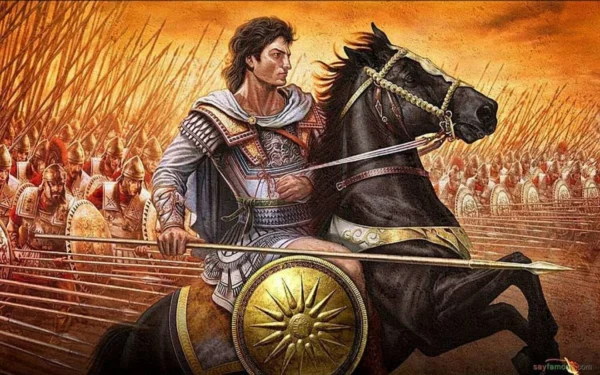
Ancient descriptions portray him as physically athletic, with a lean but muscular warrior build typical of Macedonian cavalry training.
He trained from childhood in horseback riding, hunting, and military drills under the guidance of Philip II’s officers.
His lifestyle involved constant marching, combat training, and battlefield leadership rather than structured fitness routines.
He followed a warrior’s diet of simple foods like bread, meat, fruit, and wine diluted with water, common in ancient Macedonia.
To approximate his physique today, historians suggest a focus on endurance training, strength conditioning, and agility-based movement.
Modern equivalents would include running, bodyweight training, and combat sports like wrestling or boxing.
He spent much of his life on military campaigns, often marching thousands of kilometers across harsh terrain.
His physique was shaped more by survival and warfare than aesthetics or gym-based training.
Any modern “body transformation” comparisons are symbolic rather than medically or historically precise.
Alexander the Great: List of Partners & Dating History
Alexander the Great had several well-documented relationships linked to political alliances and royal customs.
His most historically significant wife was Roxana, a Bactrian princess, whom he married in 327 BCE after conquering Sogdiana.
He also married Stateira II, daughter of Persian King Darius III, during the mass wedding at Susa in 324 BCE.
Another wife was Parysatis II, also of Persian royal lineage, reflecting his strategy of merging Greek and Persian elites.
Ancient sources also mention close personal relationships with companions such as Hephaestion, his lifelong friend and general.
Hephaestion’s death in 324 BCE deeply affected Alexander, suggesting an intense emotional bond.
Macedonian royal culture allowed multiple marriages, often for political consolidation rather than romance alone.
Roxana bore him a son, Alexander IV, who became a claimant to his empire after his death.
There is limited reliable evidence of romantic relationships outside these political marriages.
His relationships were deeply intertwined with diplomacy, empire-building, and succession planning.
Personal Life Highlights of Alexander the Great (List of Family Members)
Alexander the Great was the son of King Philip II of Macedon.
His mother was Queen Olympias of Epirus, known for her strong influence on his early life and education.
He had several half-siblings through Philip II’s multiple marriages, including Philip III Arrhidaeus.
His sister Cleopatra of Macedon later became involved in dynastic politics after Philip II’s death.
His grandfather was King Amyntas III, an earlier ruler of Macedon.
His wife Roxana gave birth to his son Alexander IV shortly after his death.
Another wife, Stateira II, was the daughter of Persian King Darius III, linking him to the Achaemenid dynasty.
His extended royal family was deeply involved in political struggles after his death, known as the Wars of the Diadochi.
Olympias later played a major role in protecting his legacy and his son’s claim to the throne.
His family connections shaped both his rise to power and the fragmentation of his empire after his death.
Early Life Highlights of Alexander the Great (Background / Childhood)
Alexander the Great was born in 356 BCE in Pella, the Macedonian capital.
According to legend, his birth coincided with the burning of the Temple of Artemis in Ephesus, seen as an omen.
From childhood, he was raised in a royal court where military discipline and politics were central to daily life.
His mother Olympias strongly influenced his identity, often linking him to divine ancestry through Zeus-Ammon.
At age 13, he was taught by Aristotle, who shaped his interest in philosophy, ethics, and science.
He quickly gained fame for taming the horse Bucephalus, showing early leadership and confidence.
He participated in military campaigns with his father Philip II as a teenager, learning battlefield tactics.
He was known for his ambition, intelligence, and competitive nature even in early adolescence.
He grew up during Macedon’s rise to dominance over Greece, witnessing political expansion firsthand.
His early education and environment directly prepared him for kingship and conquest.
Alexander The Great Family
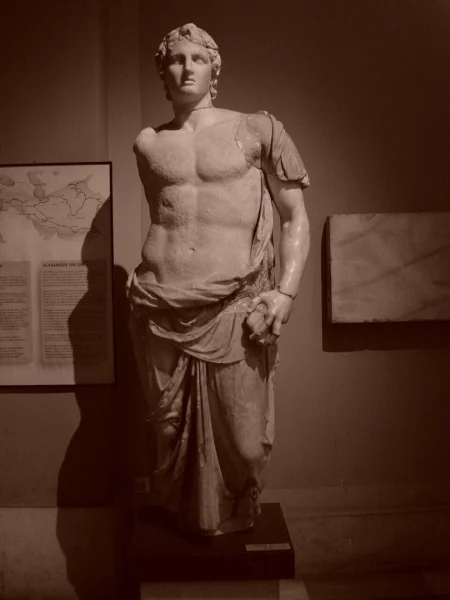
Alexander The Great Family 5
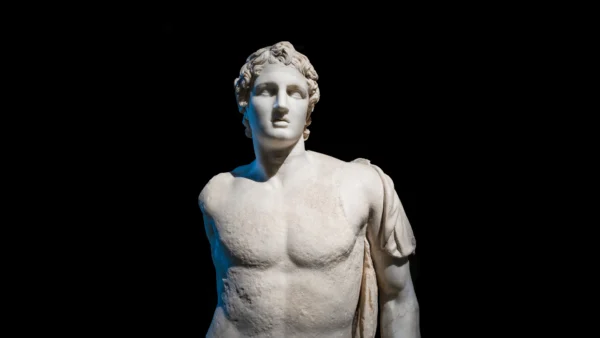
Alexander The Great Family 4
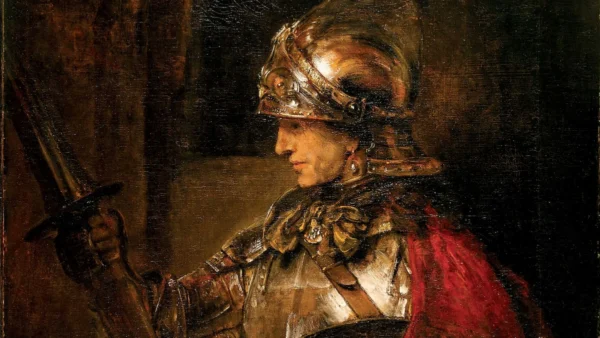
Alexander The Great Family 3
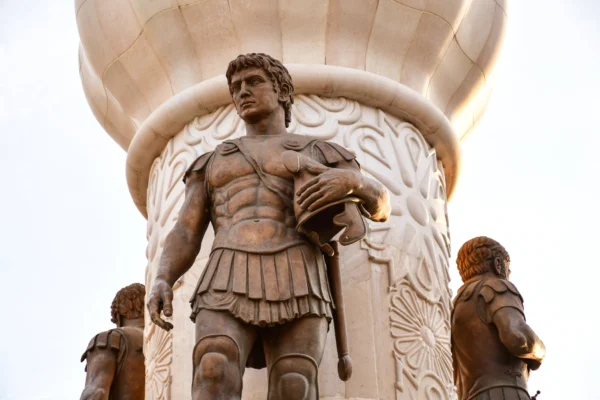
Alexander The Great Family 2
Alexander The Great Family
Current Life Highlights of Alexander the Great (Career / Other Work)
Alexander the Great expanded his rule from Macedon into a vast empire beginning in 334 BCE with his invasion of the Persian Empire.
In 334 BCE, he crossed the Hellespont into Asia Minor at Abydos, launching his campaign against King Darius III of Persia.
He won his first major battle against the Persians at the Battle of the Granicus River in modern-day Turkey in 334 BCE.
In 333 BCE, he defeated Darius III again at the Battle of Issus near modern-day Iskenderun, capturing members of the Persian royal family.
In 332 BCE, he captured Egypt without resistance and was declared Pharaoh in Memphis, where he founded Alexandria.
In 331 BCE, he achieved a decisive victory at the Battle of Gaugamela in Mesopotamia, effectively ending the Achaemenid Persian Empire’s dominance.
He continued eastward into Central Asia, fighting in regions such as Bactria and Sogdiana between 329–327 BCE.
In 326 BCE, he invaded the Indian subcontinent, defeating King Porus at the Battle of the Hydaspes River in present-day Punjab.
His army mutinied at the Hyphasis River in 326 BCE, forcing him to turn back from further eastern expansion.
He died in Babylon in 323 BCE while planning new campaigns, leaving behind a fragmented empire divided among his generals.
Alexander the Great Most Popular Media Appearances, Movies, TV Shows
Alexander the Great has been portrayed in numerous historical films, documentaries, and television dramas across the world.
The 1956 Hollywood film Alexander the Great starring Richard Burton is one of the earliest major cinematic portrayals of his life.
The 2004 film Alexander, directed by Oliver Stone and starring Colin Farrell, dramatized his campaigns from Macedon to India.
He is frequently featured in BBC and History Channel documentaries covering ancient warfare and classical history.
Educational programs such as National Geographic specials highlight his battles like Gaugamela and Issus.
Animated history series often depict him in episodes about ancient Greece and the rise of empires.
Video games such as Assassin’s Creed: Odyssey reference his legacy and Macedonian expansion.
He appears in documentary reenactments focusing on his relationship with Aristotle and Philip II.
Museums such as the British Museum and Louvre include multimedia exhibits referencing his conquests.
His life is also dramatized in global streaming platforms through historical docuseries on ancient civilizations.
Alexander the Great Most Popular News Headlines, Controversies, Scandals
Alexander the Great is often discussed in historical controversy regarding the true circumstances of his death in Babylon in 323 BCE.
Ancient sources debate whether he died from fever, poisoning, or complications from alcohol consumption.
Some historians argue his sudden death may have been caused by malaria or typhoid fever during military planning.
His destruction of the city of Thebes in 335 BCE remains controversial due to its brutality and mass enslavement of survivors.
His killing of close companions, including Cleitus the Black in a drunken dispute in 328 BCE, is frequently cited in historical accounts.
Modern scholars debate his treatment of conquered Persian elites, balancing cultural integration with imperial control.
His decision to adopt Persian customs and dress caused unrest among some Macedonian officers.
The execution of Philotas and Parmenion during internal conspiracies remains a debated political purge.
Some historians question the accuracy of ancient chroniclers like Arrian and Plutarch regarding his moral character.
Despite controversies, he is still widely regarded as one of history’s most effective military leaders.
Known Unknown Facts Trivia of Alexander the Great
Alexander the Great reportedly believed he was descended from the Greek god Zeus through his mother Olympias.
He named more than 20 cities after himself, with Alexandria in Egypt becoming the most famous.
He never lost a single battle in his entire military career.
His horse Bucephalus was so famous that he founded the city of Bucephala in its honor after its death.
He was deeply influenced by Aristotle’s teachings on philosophy, ethics, and governance.
He carried a copy of Homer’s Iliad annotated by Aristotle during his military campaigns.
He often slept with one copy of the Iliad and a dagger under his pillow according to ancient accounts.
He was only 32 years old when he died, yet ruled one of the largest empires in ancient history.
He integrated Persian nobles into his administration to stabilize his empire after conquest.
His legacy influenced Hellenistic culture across Europe, Asia, and North Africa for centuries.
Alexander the Great: Questions People Also Ask / Search & Answers
How did Alexander the Great become so powerful?
He inherited a strong military from his father Philip II and expanded it through rapid, disciplined conquest across Asia.
Why did Alexander the Great invade Persia?
He aimed to avenge earlier Persian invasions of Greece and expand Macedonian dominance.
What was Alexander the Great’s biggest battle?
The Battle of Gaugamela in 331 BCE was his most decisive victory over Persia.
Did Alexander the Great ever lose a battle?
No, historical records show he never lost a military engagement.
What happened to Alexander the Great’s empire after his death?
It was divided among his generals, known as the Diadochi.
Was Alexander the Great Greek or Macedonian?
He was Macedonian, though culturally linked to ancient Greek traditions.
What languages did Alexander the Great speak?
He primarily spoke Ancient Greek, particularly the Macedonian dialect.
Did Alexander the Great reach India?
Yes, he reached northwestern India and fought King Porus at the Hydaspes River.
Why did his soldiers stop advancing in India?
They mutinied due to exhaustion after years of continuous campaigning.
Where is Alexander the Great buried?
His exact burial site is unknown, though ancient sources suggest Egypt, possibly Alexandria.