Gurdas Maan based on NeemTime research
Who is Gurdas Maan (Biography / Personal Details)
Gurdas Maan is one of Punjabi music’s most influential performers, known for turning folk melodies, thoughtful lyrics and powerful live performances into a lasting cultural legacy.
Born on 4 January 1957 in Giddarbaha, Punjab, India, he became widely admired for songs that explore love, identity, social responsibility and the Punjabi way of life.
Unlike singers celebrated primarily for romantic hits, Maan built a distinctive reputation through storytelling that connects everyday experiences with larger social and cultural themes.
His breakthrough arrived in 1980 with the song “Dil Da Mamla Hai,” which brought him national attention after an early television performance.
He subsequently became known for songs such as “Challa,” “Apna Punjab Hove” and “Ki Banu Duniya Da,” each reflecting a different dimension of Punjabi musical expression.
Maan is recognised for combining traditional Punjabi folk influences with contemporary arrangements while retaining the importance of lyrics and emotional delivery.
His career has extended beyond music into acting, television, songwriting and film production, making him a multifaceted figure in Punjabi entertainment.
He has performed for audiences across India and the Punjabi diaspora, particularly in the United Kingdom, Canada and other countries with substantial Punjabi communities.
In 2009, he won the Best International Album award at the UK Asian Music Awards for Boot Polishan.
His influence rests not only on popular songs but also on his role in bringing Punjabi-language music and cultural themes to wider audiences.
Gurdas Maan Height, Appearance, Fitness & How to Get a Body Like Gurdas Maan
Gurdas Maan’s athletic background is one of the lesser-known parts of his story, predating the musical fame that made him a household name.
His height is commonly reported as approximately 5 feet 9 inches, although a definitive official measurement is not readily available.
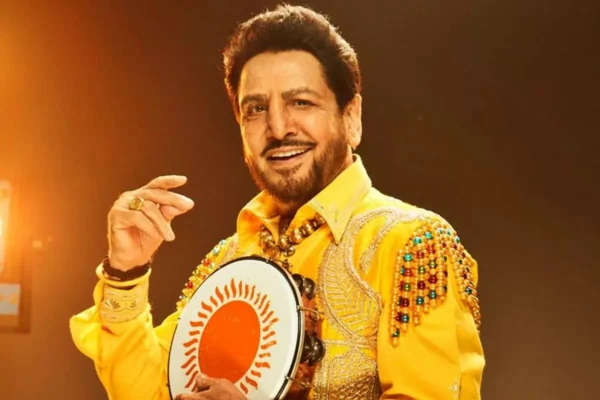
He is recognised for his expressive face, distinctive moustache, energetic stage movements and traditional Punjabi-inspired clothing.
His performance style often combines rhythmic footwork, sweeping arm movements and animated gestures that make his concerts feel theatrical.
Before concentrating fully on entertainment, Maan studied physical education and participated in athletics, developing an interest in physical activity during his younger years.
Biographical accounts also describe him as a black belt holder in judo, reflecting his involvement in martial arts.
However, there is insufficient reliable public information to establish his current workout schedule, exact diet or a specific fitness programme.
People inspired by his athletic appearance can begin with regular walking, age-appropriate strength training and flexibility exercises.
A balanced eating pattern, sufficient sleep and consistent activity are more sustainable foundations for fitness than attempting to imitate a celebrity’s presumed diet.
Maan’s example highlights how physical confidence, coordination and expressive movement can complement a long career built around live performance.
Gurdas Maan Family
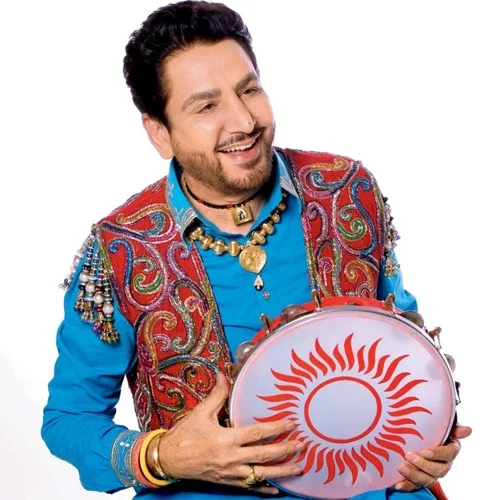
Gurdas Maan Family
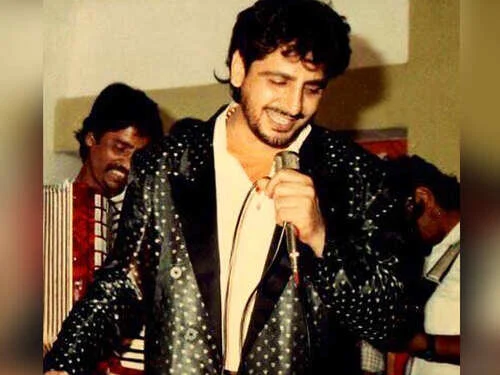
Gurdas Maan Family 5
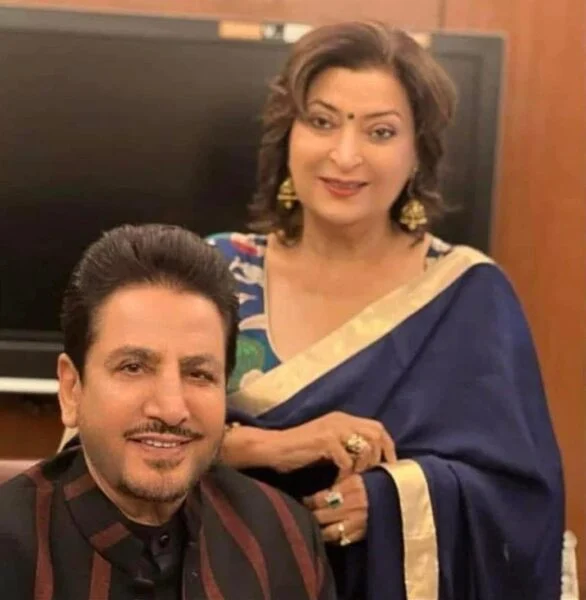
Gurdas Maan Family 4
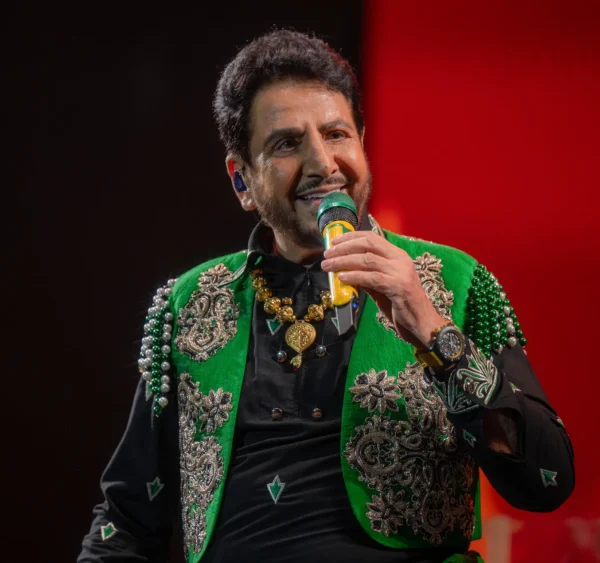
Gurdas Maan Family 3
Gurdas Maan Family 2
Early Life, Childhood, Education & Family Background of Gurdas Maan
Long before Gurdas Maan became an internationally recognised Punjabi performer, his interests included athletics, acting and the expressive traditions of his home region.
He was born on 4 January 1957 in Giddarbaha, a town in Punjab that shaped his early connection with Punjabi language and culture.
His parents were Gurdev Singh and Tej Kaur, who supported his upbringing before his music career brought him widespread recognition.
Maan attended school in Giddarbaha before continuing his education at DAV College in Malout.
He subsequently studied physical education at the National Institute of Sports in Patiala, according to published biographical accounts.
His interest in sport was serious enough for him to participate in athletic events and pursue judo training.
He reportedly earned a black belt in judo, an unusual detail in the biography of a singer best known for folk music.
Alongside sport, he developed an interest in singing, performance and mimicry, skills that later contributed to his engaging stage personality.
His first major opportunity came through “Dil Da Mamla Hai,” a song that brought him national attention in 1980.
That breakthrough helped turn a young man with interests extending beyond music into one of the most influential figures in Punjabi entertainment.
Personal Life Highlights of Gurdas Maan (Family Members)
Gurdas Maan’s family life has remained comparatively private despite his decades of fame and frequent public appearances.
His parents, Gurdev Singh and Tej Kaur, are central figures in published accounts of his early life and family background.
He is married to Manjeet Maan, who has also worked in the entertainment industry as a filmmaker and producer.
Their marriage has endured through the demands of recording, touring, acting and maintaining a public career.
The couple have one son, Gurickk G Maan, who has pursued work as an actor and producer.
Gurickk appeared in the Punjabi film Sukhmani: Hope for Life (2010), a production associated with his father’s film career.
Manjeet Maan has been associated with projects connected to Punjabi cinema, giving the family professional links beyond Gurdas Maan’s singing.
Gurdas has often been recognised publicly for his attachment to Punjabi culture, language and traditions, themes that also influence his artistic identity.
Although the family occasionally attracts entertainment-media coverage, reliable information about their private routines and personal disagreements remains limited.
Their best-documented public story is a long-standing marriage and a shared connection with the Punjabi entertainment world.
Gurdas Maan Partners, Relationships & Dating History
Gurdas Maan’s documented relationship history is centred on his marriage to Manjeet Maan rather than a publicly established series of celebrity romances.
Manjeet is known for her work in Punjabi entertainment and has been associated with filmmaking and production.
The couple have maintained a relatively private personal life while Gurdas built an extensive career as a singer, songwriter and actor.
Their son, Gurickk G Maan, has also pursued entertainment work, extending the family’s professional connection with Punjabi cinema.
Unlike some performers whose romantic lives frequently dominate headlines, Gurdas has generally been publicly identified through his music and cultural contributions.
No reliably established public record supports a detailed list of former romantic partners that should be presented as fact.
Occasional celebrity-profile claims should therefore not be treated as verified dating history without credible reporting or direct confirmation.
His marriage has also existed alongside a career involving international touring, film appearances and long periods of professional activity.
Manjeet’s own work in entertainment means their relationship connects two people familiar with the demands of the creative industry.
For readers seeking an accurate account of his relationships, his marriage and family are better documented than rumours about alleged past partners.
Gurdas Maan Career Journey, Breakthroughs, Achievements & Awards
Gurdas Maan’s career took an important turn in 1980 when “Dil Da Mamla Hai” introduced his distinctive voice and performance style to a national audience.
The song established a foundation for a career that would combine Punjabi folk influences, original songwriting and emotionally expressive storytelling.
His subsequent recordings helped popularise songs such as “Challa,” which became closely associated with his musical identity.
He expanded into acting, earning recognition for performances in Punjabi films that explored social issues, migration, love and cultural identity.
His role in Waris Shah: Ishq Daa Waaris (2006) earned particular recognition, and the film received the National Film Award for Best Feature Film in Punjabi.
In 2009, he won Best International Album at the UK Asian Music Awards for Boot Polishan.
India awarded him the Padma Shri in 2017 in recognition of his contribution to the arts.
His international reputation grew through performances for Punjabi communities across Britain, Canada, the United States and other destinations.
A notable later collaboration came in 2015 when he performed “Ki Banu Duniya Da” with Diljit Dosanjh on MTV Coke Studio India.
Together, his recordings, screen performances, awards and cross-generational collaborations established him as a major figure in Punjabi music and entertainment.
Current Life Highlights of Gurdas Maan (Career / Other Work)
Gurdas Maan remains active in music, with recent releases showing that his recording career continues beyond his best-known classics.
His 2025 releases included “Je Tu Ashiq Banya Hai” and “Ek Onkar Ko Simriye,” reflecting his continuing interest in both romantic and devotional material.
In 2026, he released new music including “Punjabiye Jubane” and “Ek Tu Hove,” alongside the single “Nachdi Di Photo Khich Mundiya.”
These releases demonstrate his continued engagement with Punjabi-language music rather than a career limited to nostalgia performances.
His concert work also remains important, connecting long-time admirers with listeners who discovered Punjabi music through newer artists.
A scheduled performance listing for 25 October 2026 at Khalsa College of Engineering and Technology in Amritsar indicates continued live activity, although event details can change.
Maan’s career also includes acting, songwriting and contributions to Punjabi cinema, giving him several avenues for future projects.
His longstanding association with Punjabi language and cultural expression continues to shape the themes audiences expect from his work.
He remains an influential reference point for younger performers whose music draws on Punjabi folk traditions.
As of October 2026, his latest singles and ongoing performance activity provide the clearest evidence that he continues to work professionally.
Gurdas Maan Most Popular Movies, TV Shows, Media Appearances & Other Work
Gurdas Maan has built a career across music and cinema, using the same emotional storytelling that distinguishes his songs to shape his screen performances.
His early musical success with “Dil Da Mamla Hai” in 1980 established the foundation for his subsequent work in films and television.
Waris Shah: Ishq Daa Waaris (2006) remains one of his most significant film projects, presenting the legendary Punjabi poet’s story through a tragic romantic narrative.
The film earned major recognition, including the National Film Award for Best Feature Film in Punjabi.
In Shaheed-e-Mohabbat Boota Singh (1999), Maan portrayed Boota Singh in a historical drama inspired by a tragic love story set around the Partition of India.
Des Hoyaa Pardes (2004) explored the turmoil of Punjab during a period of political violence, highlighting the human consequences of conflict.
He also appeared in Veer-Zaara (2004), the Hindi romantic drama directed by Yash Chopra, contributing to a production that reached audiences beyond Punjabi cinema.
His songs “Aisa Des Hai Mera” and “Lodi” featured on the Veer-Zaara soundtrack, bringing his voice into a major Hindi-film musical production.
On television, his appearances and musical performances have helped introduce Punjabi folk traditions to audiences who might not regularly watch Punjabi-language films.
His collaboration with Diljit Dosanjh on “Ki Banu Duniya Da” for MTV Coke Studio India in 2015 remains a notable meeting of established and contemporary Punjabi musical talent.
Gurdas Maan Most Popular News, Controversies, Career Debates / Why Gurdas Maan Is Popular
Gurdas Maan’s cultural influence has occasionally placed him at the centre of sensitive debates about Punjabi identity, language and Sikh religious traditions.
In 2019, comments supporting the idea of “One Nation, One Language” during a discussion in Canada drew criticism from people who believed Punjabi deserved stronger protection.
The debate gained further attention when protesters opposed his appearance at the farmers’ protest site at Singhu in December 2020.
In August 2021, another controversy followed remarks at an event in Nakodar concerning Sai Laddi Shah and the third Sikh Guru, Guru Amar Das.
Some Sikh organisations challenged the statement, arguing that it was religiously inappropriate and lacked historical support.
Maan apologised publicly on 24 August 2021, saying he had not intended to hurt religious sentiments or compare a dera leader with a Sikh Guru.
Jalandhar police subsequently registered a case under Section 295A of the Indian Penal Code, making the incident a legal as well as a public controversy.
The Punjab and Haryana High Court granted him interim anticipatory bail in September 2021 while the matter proceeded through the legal process.
In September 2024, ahead of a United States tour, he again apologised for past incidents that had unintentionally hurt people’s sentiments.
These controversies illustrate why Maan’s public reputation involves both his musical legacy and debates over how prominent performers discuss language, religion and cultural identity.
Gurdas Maan Known Unknown Facts, Trivia + People Also Ask / Search & Answers
Gurdas Maan’s career includes several details that reveal why he is regarded as more than a singer of popular Punjabi songs.
He studied physical education before achieving musical fame, making his original professional interests quite different from the career that eventually defined him.
His reported black belt in judo is another unusual aspect of his background, reflecting his interest in martial arts and athletic training.
His breakthrough song, “Dil Da Mamla Hai,” became nationally recognised in 1980 and helped launch his decades-long career.
Maan has worked as a songwriter and actor in addition to performing as a singer, allowing him to contribute to multiple aspects of his productions.
His film Waris Shah: Ishq Daa Waaris received the National Film Award for Best Feature Film in Punjabi, highlighting the wider cultural importance of his screen work.
He received the Padma Shri in 2017, one of India’s major civilian honours, for his contribution to the arts.
His collaboration with Diljit Dosanjh on MTV Coke Studio India introduced his musical style to audiences across different generations.
How old is Gurdas Maan? Gurdas Maan was born on 4 January 1957 and is 69 years old as of October 2026.
What is Gurdas Maan’s real name? He is professionally known as Gurdas Maan, the name under which he built his career as a Punjabi singer and actor.
How tall is Gurdas Maan? His height is commonly reported as approximately 5 feet 9 inches, although an officially verified measurement is not readily available.
Who is Gurdas Maan’s wife? He is married to Manjeet Maan, a filmmaker and producer associated with Punjabi entertainment.
What is Gurdas Maan’s most famous song? “Dil Da Mamla Hai” is widely associated with his breakthrough, while “Challa” and “Apna Punjab Hove” remain among his best-known songs.
Which award did Gurdas Maan receive in 2017? He received the Padma Shri in 2017 in recognition of his contribution to the arts.
Is Gurdas Maan still active in music? Yes, he continued releasing music in 2025 and 2026, including new singles and material that reflects his ongoing connection with Punjabi music.