Arvind Kejriwal based on NeemTime research
Who is Arvind Kejriwal (Biography / Personal Details)
Arvind Kejriwal rose from a career in India’s tax administration to become one of the country’s most recognisable anti-corruption campaigners and opposition politicians.
Born on 16 August 1968 in Siwani, Haryana, he is the founding leader of the Aam Aadmi Party (AAP), launched in 2012.
He became Delhi’s chief minister in December 2013 after AAP’s first assembly election, but resigned just 49 days later when his proposed anti-corruption legislation failed to secure the support he sought.
His party returned with a historic majority in 2015, winning 67 of Delhi’s 70 assembly seats, and he served as chief minister for three consecutive terms.
Before entering politics, Kejriwal studied mechanical engineering at the Indian Institute of Technology Kharagpur and joined the Indian Revenue Service.
His work on the Right to Information movement and grassroots accountability earned him the Ramon Magsaysay Award for Emergent Leadership in 2006.
In 2024, his arrest in the Delhi excise-policy case became a major national political story and kept him away from campaigning for part of that year’s general election.
He resigned as chief minister in September 2024 after receiving bail, saying he wanted voters to decide his political legitimacy.
AAP lost the 2025 Delhi assembly election to the Bharatiya Janata Party, ending its decade-long control of the capital’s government.
As of October 2026, Kejriwal remains AAP’s national convener and an active opposition figure, with his political standing shaped by the party’s electoral setbacks and ongoing legal proceedings.
Arvind Kejriwal Height, Appearance, Fitness & How to Get a Body Like Arvind Kejriwal
Arvind Kejriwal is known for his understated public appearance, which contrasts with the carefully styled image often associated with high-profile politicians.
His height is commonly reported at approximately 5 feet 5 inches, or 165 centimetres, although this figure is not consistently confirmed in authoritative official profiles.
He is frequently recognised by his moustache, rectangular glasses and simple shirts, especially the checked shirts that became a familiar part of his political image.
During his early anti-corruption campaigns, he often appeared in modest clothing rather than the formal suits associated with many senior politicians.
His public appearance changed little during his rise from activist to chief minister, helping reinforce an image of an ordinary citizen challenging established political power.
Kejriwal has publicly discussed health concerns, including diabetes, and has at times adjusted his schedule around treatment and medical advice.
There is no reliable public record establishing a specific personal bodybuilding routine or a complete daily fitness programme that readers could reproduce.
Anyone seeking better general fitness can start with regular walking, moderate strength exercises, mobility work and a routine adapted to individual health needs.
Balanced meals, adequate sleep and consistent activity are more useful foundations than attempting to copy a public figure’s appearance.
Kejriwal’s recognisable look is primarily a matter of personal style and political branding, not evidence of a particular workout, diet or physique-building method.
Arvind Kejriwal Family
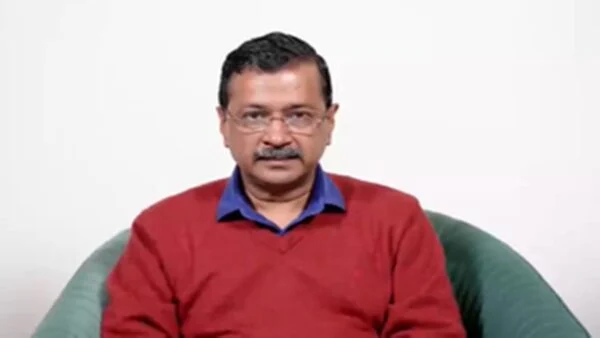
Arvind Kejriwal Family 5
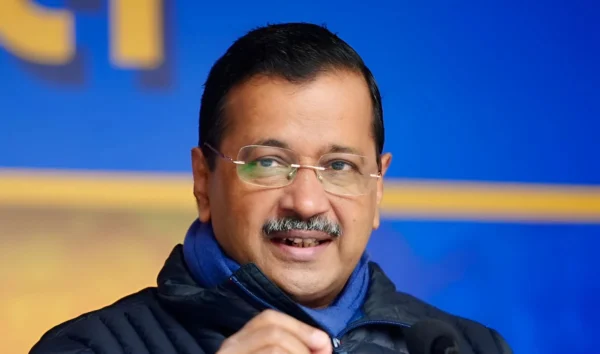
Arvind Kejriwal Family 4
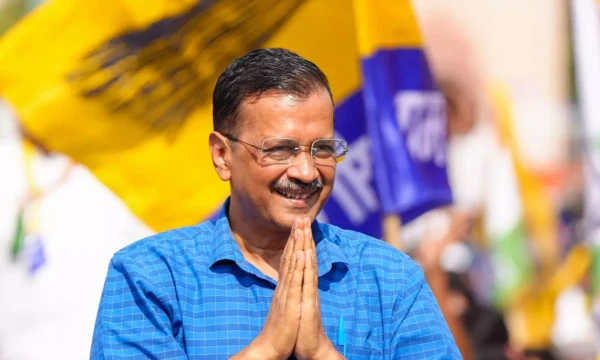
Arvind Kejriwal Family 3
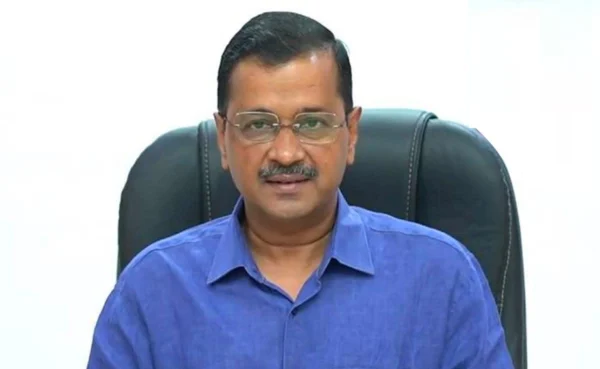
Arvind Kejriwal Family 2
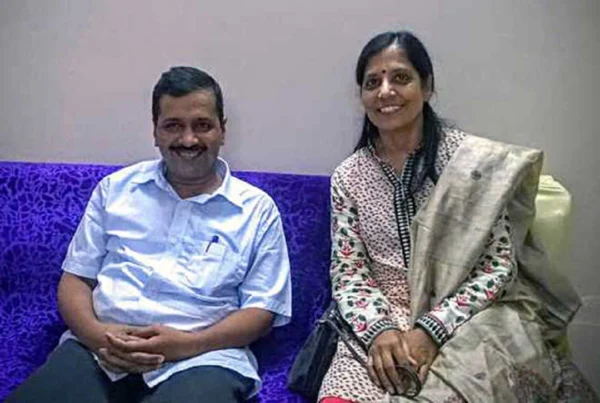
Arvind Kejriwal Family
Early Life, Childhood, Education & Family Background of Arvind Kejriwal
Arvind Kejriwal was born in Siwani, a town in Haryana’s Bhiwani district, and grew up in a family that valued education and professional achievement.
His father, Gobind Ram Kejriwal, was an electrical engineer, and his mother, Gita Devi, looked after the family.
Because of his father’s work, the family moved between towns, and Kejriwal spent parts of his childhood in northern India.
He attended Campus School in Hisar, Haryana, before pursuing engineering studies.
In 1985, he entered the Indian Institute of Technology Kharagpur, where he studied mechanical engineering and graduated in 1989.
Although he trained as an engineer, he became interested in public service and chose to prepare for India’s civil services examinations.
He joined the Indian Revenue Service in 1995 after clearing the civil services examination and worked in the Income Tax Department.
His early professional experience exposed him to tax administration and the everyday difficulties citizens could face when dealing with government offices.
He later took time away from government service to work on public accountability, transparency and access to information.
These experiences helped shape his later political message that public services should be accessible, corruption should be challenged and government institutions should answer to ordinary citizens.
Personal Life Highlights of Arvind Kejriwal (Family Members)
Arvind Kejriwal has generally kept his family out of the political spotlight, although his wife and children have occasionally appeared during major public moments.
He married Sunita Kejriwal in 1995, after both had entered India’s civil services.
Sunita is a former Indian Revenue Service officer who later took voluntary retirement and became more visible during her husband’s periods of legal and political uncertainty.
The couple have two children, daughter Harshita Kejriwal and son Pulkit Kejriwal.
Harshita studied at the Indian Institute of Technology Delhi, following an academic path that echoed her father’s engineering background.
Kejriwal’s parents, Gobind Ram Kejriwal and Gita Devi, were also part of the family environment that encouraged education and professional service.
Sunita became especially prominent in 2024, when she read out messages from her husband during his detention and addressed AAP supporters.
Her public role drew attention because she had previously maintained a comparatively low profile despite Kejriwal’s growing political career.
The family has continued to face intense media attention during election campaigns, court proceedings and changes in Kejriwal’s political position.
Beyond these documented details, the couple generally keep their children’s personal lives private, and unverified claims about family matters should not be treated as fact.
Arvind Kejriwal Partners, Relationships & Dating History
Arvind Kejriwal’s publicly documented relationship history centres on his marriage to Sunita Kejriwal, a fellow former civil servant.
They married in 1995, during the period when both were associated with India’s civil services.
Sunita served in the Indian Revenue Service, the same broad service in which Kejriwal began his career before turning to activism.
Their shared professional background meant that she understood the demands of government service long before he became a nationally known political leader.
The couple have two children, Harshita and Pulkit, and have generally kept their family life away from routine political publicity.
Sunita’s public visibility increased during Kejriwal’s arrest in March 2024, when she delivered messages on his behalf and spoke to supporters.
She later participated in AAP’s public campaigning and became a recognisable figure at party events.
Kejriwal has not built a public image around celebrity-style dating stories or romantic disclosures.
There is no reliable, well-documented public record establishing other romantic partners before or during his marriage.
His personal life is therefore best described through his long-standing marriage and family rather than rumours or unsupported claims about relationships.
Arvind Kejriwal Career Journey, Breakthroughs, Achievements & Awards
Arvind Kejriwal’s career took an unusual route from engineering and tax administration to grassroots activism and electoral politics.
After graduating from IIT Kharagpur in 1989, he joined the Indian Revenue Service in 1995 and worked in the Income Tax Department.
He helped establish Parivartan, a citizens’ movement that used public information laws to challenge corruption and improve access to government services.
His work on transparency and the Right to Information movement earned him the Ramon Magsaysay Award for Emergent Leadership in 2006.
He later helped build India Against Corruption, the campaign associated with the 2011 protests demanding a stronger anti-corruption ombudsman.
In November 2012, he launched the Aam Aadmi Party, translating a protest movement into a political organisation.
AAP’s first Delhi election in 2013 brought him to the chief minister’s office, although he resigned after 49 days amid a dispute over the Jan Lokpal Bill.
His party won 67 of 70 seats in Delhi in 2015 and 62 seats in 2020, giving him two further terms as chief minister.
Under his leadership, AAP promoted policies involving government schools, neighbourhood clinics, electricity subsidies and water services, which became central to its Delhi campaigns.
His political record also includes the party’s 2025 Delhi defeat and the legal controversy surrounding the excise policy, both of which now form important parts of his career story.
Current Life Highlights of Arvind Kejriwal (Career / Other Work)
Arvind Kejriwal remains active in Indian politics despite AAP’s defeat in Delhi and the legal battles that disrupted his earlier career.
On 9 September 2026, he was unanimously re-elected national convener of the Aam Aadmi Party at its National Council meeting.
His immediate political focus includes strengthening AAP beyond Delhi and preparing for the next Punjab assembly election, where the party governs under Chief Minister Bhagwant Mann.
In June 2026, Kejriwal publicly named Mann as AAP’s chief ministerial candidate for the next Punjab election and urged party workers to begin preparations.
In October, Kejriwal criticised the BJP over a CBI action at Mann’s camp office, describing it as politically motivated; that characterisation was his allegation, not an established finding.
He also recently criticised the Centre over drug-related crime and security issues in Punjab, continuing AAP’s confrontational approach to national political disputes.
The Delhi excise-policy case remains a major legal issue: a trial court discharged Kejriwal and 22 other accused in the CBI case on 27 February 2026.
The CBI challenged that decision, and the Delhi High Court scheduled substantive arguments for October; the latest reporting reviewed does not establish a final appellate ruling.
Kejriwal’s present political position is therefore different from his years as Delhi chief minister, with party organisation, opposition campaigning and court proceedings central to his public life.
His future influence will depend on AAP’s electoral performance, the progress of the legal appeal and whether the party can broaden its support beyond its strongest areas.
Arvind Kejriwal Most Popular Movies, TV Shows, Media Appearances & Other Work
Arvind Kejriwal is a politician and former civil servant rather than a film or television actor, so his most notable media appearances concern public affairs.
His televised addresses during the 2011 India Against Corruption movement helped turn the demand for a stronger anti-corruption ombudsman into a national political issue.
His 2013 resignation announcement as Delhi chief minister became one of the defining moments of AAP’s early history and received extensive television coverage.
Kejriwal’s election speeches during the 2015 Delhi assembly campaign were widely followed after AAP won 67 of the capital’s 70 seats.
His annual government briefings and press conferences on schools, neighbourhood clinics, electricity and water became important parts of AAP’s public communication strategy.
He also appeared regularly in televised debates and interviews about the Right to Information movement, public-service delivery and corruption allegations.
His arrest in March 2024 generated extensive national coverage, especially because it occurred during India’s general-election campaign.
During his detention, his wife Sunita Kejriwal read out messages attributed to him at public briefings, creating an unusual media role for a politician’s family member.
After his release on bail, his public statements focused on the legal case, his resignation as chief minister and his argument that voters should judge his leadership.
Today, his press conferences, campaign speeches, interviews and court-related statements form the main media record of his public career rather than films or scripted television appearances.
Arvind Kejriwal Most Popular News, Controversies, Career Debates / Why Arvind Kejriwal Is Popular
Arvind Kejriwal’s reputation has been shaped by an unusual mix of anti-corruption activism, welfare politics, electoral breakthroughs and major legal disputes.
His first major controversy as chief minister came in February 2014, when he resigned after 49 days because he could not secure the support needed to pass the Jan Lokpal Bill.
Supporters viewed the resignation as a refusal to compromise on anti-corruption promises, while critics called it an avoidable surrender of government responsibility.
In March 2024, the Enforcement Directorate arrested him in connection with alleged irregularities in Delhi’s excise policy, which he and AAP denied were criminal.
The Central Bureau of Investigation subsequently arrested him in the same broader case, and he spent months in custody before receiving relief from the courts.
On 27 February 2026, a Delhi trial court discharged Kejriwal and 22 others in the CBI case, saying the prosecution material did not justify proceeding to trial.
The CBI challenged the discharge, so the ruling should not be described as the end of all proceedings while the appeal remains unresolved.
AAP’s defeat in the February 2025 Delhi election was another major turning point, ending the party’s ten-year control of the capital’s government.
Debate over his governance includes both praise for public schools, neighbourhood clinics and subsidised utilities and criticism over fiscal costs, political messaging and implementation.
Kejriwal remains popular among supporters who see him as an outsider challenging established parties, while critics question his party’s consistency and its response to allegations against senior leaders.
His story continues to attract attention because his political movement has changed Indian city politics, yet now faces the challenge of rebuilding electoral momentum while navigating legal scrutiny.
Arvind Kejriwal Known Unknown Facts, Trivia + People Also Ask / Search & Answers
Before entering politics, Arvind Kejriwal worked as an Indian Revenue Service officer, giving him first-hand experience of government administration.
He studied mechanical engineering at IIT Kharagpur, an institution better known for producing engineers than political leaders.
His 2006 Ramon Magsaysay Award recognised grassroots work that helped ordinary citizens use information laws to challenge corruption.
Kejriwal helped establish Parivartan, a citizens’ initiative that addressed public-service complaints involving areas such as ration distribution, electricity and government administration.
His first term as Delhi chief minister lasted only 49 days, but his resignation became a defining moment in AAP’s early political identity.
His wife, Sunita Kejriwal, also served in the Indian Revenue Service and became more publicly visible during his detention in 2024.
AAP’s 2015 Delhi election victory gave the party 67 of 70 assembly seats, one of the most decisive results in the capital’s recent electoral history.
Kejriwal’s political identity combines anti-corruption activism with a focus on government schools, neighbourhood health clinics and subsidised basic services.
How old is Arvind Kejriwal? He was born on 16 August 1968 and turned 58 in August 2026.
Who is Arvind Kejriwal’s wife? He is married to Sunita Kejriwal, a former Indian Revenue Service officer, and they have two children, Harshita and Pulkit.
What is Arvind Kejriwal famous for? He is known for founding AAP, leading Delhi’s government for three terms and receiving the 2006 Ramon Magsaysay Award for his work on transparency and public accountability.
Is Arvind Kejriwal still the AAP national convener? Yes, he was unanimously re-elected to the position on 9 September 2026.
What happened in Arvind Kejriwal’s excise-policy case? A trial court discharged him in the CBI case in February 2026, but the CBI appealed, leaving the appellate proceedings unresolved in the latest reporting reviewed.