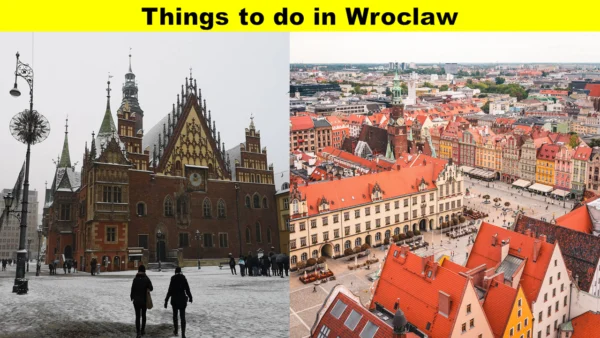
Things to do in Wroclaw based on NeemTime research from most popular to just popular.
ZOO, Wroclaw
Overview: Wrocław Zoo is one of Poland’s largest and oldest zoological gardens, featuring thousands of animals, modern habitats, an African-themed oceanarium, and educational conservation exhibits.
History: The zoo was established during the German period of Wrocław and later rebuilt and expanded after World War II to become a major Polish wildlife institution.
Since when: Wrocław Zoo was founded in 1865, making it one of the oldest continuously operating zoos in Poland.
Review: Visitors praise its impressive animal collection, well-designed enclosures, family-friendly atmosphere, and especially the unique Africarium showcasing aquatic ecosystems.
When to go: The best time to visit is from spring to early autumn when the weather is pleasant and animals are generally more active outdoors.
How to go: The zoo is located near Szczytnicki Park in Wrocław and can be reached by tram, bus, taxi, bicycle, or private vehicle from the city center.
What to do: Visitors can explore animal zones, visit the Africarium, attend educational displays, take photographs, and enjoy a full-day family outing.
Free or Paid: Paid entry required.
Wroclavia, Wroclaw
Overview: Wroclavia is a modern shopping and entertainment center in central Wrocław featuring hundreds of stores, restaurants, a cinema, and an architectural design inspired by the city’s history.
History: The mall was developed as a major urban regeneration project replacing the former PKS bus station area and creating a new commercial landmark.
Since when: Wroclavia officially opened in 2017 and quickly became one of Wrocław’s largest shopping destinations.
Review: Visitors enjoy its stylish interiors, wide range of brands, dining choices, convenient transport connections, and family-friendly entertainment facilities.
When to go: The best time is during weekdays or mornings when the mall is less crowded and shopping is more comfortable.
How to go: Wroclavia is located next to Wrocław Main Railway Station and can be reached easily by train, tram, bus, taxi, or walking.
What to do: Visitors can shop, dine, watch movies, relax in cafés, explore events, and enjoy indoor entertainment.
Free or Paid: Free entry (shopping, cinema, and activities are paid).
Sky Tower, Wroclaw
Overview: Sky Tower is a landmark skyscraper complex in Wrocław featuring offices, apartments, shopping areas, restaurants, and one of the highest observation viewpoints in Poland.
History: The tower was built as a symbol of modern Wrocław’s development and transformed the city skyline with its distinctive contemporary architecture.
Since when: Sky Tower was completed and opened in 2012 after construction began in 2007.
Review: Visitors appreciate the panoramic city views, modern facilities, unique architecture, and observation deck experience.
When to go: The best time is around sunset or clear days when visitors can enjoy wide views over Wrocław and the surrounding region.
How to go: Sky Tower is located in central Wrocław and can be reached by tram, bus, taxi, or walking from nearby districts.
What to do: Visitors can visit the observation deck, shop, dine, photograph the skyline, and explore the modern complex.
Free or Paid: Free entry to the complex (observation deck and some attractions require payment).
Aquapark Wrocław, Wroclaw
Overview: Aquapark Wrocław is a large indoor and outdoor water recreation center offering swimming pools, slides, saunas, wellness areas, and family attractions.
History: The aquapark was developed to provide Wrocław residents and visitors with a modern leisure facility combining sports, relaxation, and entertainment.
Since when: Aquapark Wrocław opened in 2008 and has since become one of Poland’s most popular urban water parks.
Review: Visitors enjoy its variety of pools, clean facilities, exciting slides, wellness zones, and suitability for both children and adults.
When to go: The best time is during colder months for indoor activities or weekday mornings to avoid larger crowds.
How to go: The aquapark is located near the city center and can be reached by tram, bus, taxi, bicycle, or car.
What to do: Visitors can swim, use water slides, relax in saunas, enjoy wellness treatments, and spend time with family.
Free or Paid: Paid entry required.
Szczytnicki Park, Wroclaw
Overview: Szczytnicki Park is one of Wrocław’s largest and most beautiful public parks featuring landscaped gardens, walking paths, historic monuments, and peaceful green spaces.
History: The park was created in the 18th century on former hunting grounds and later expanded with English-style landscape design and botanical features.
Since when: Szczytnicki Park dates back to 1783 and has developed over centuries into a major recreational area of Wrocław.
Review: Visitors appreciate its natural beauty, calm atmosphere, historic charm, seasonal flowers, and proximity to attractions such as Centennial Hall and the Japanese Garden.
When to go: The best time is during spring and summer when gardens are blooming and outdoor walks are most enjoyable.
How to go: The park is located in eastern Wrocław and can be reached by tram, bus, bicycle, or taxi from the city center.
What to do: Visitors can walk through gardens, relax outdoors, visit nearby attractions, take photographs, and enjoy nature.
Free or Paid: Free entry.
Racławice Panorama, Wroclaw
Overview: Racławice Panorama is a monumental circular painting presenting the 1794 Battle of Racławice, allowing visitors to experience a realistic 360-degree historical scene.
History: The artwork was created by Polish painters Jan Styka and Wojciech Kossak with a team of artists to commemorate the Polish victory over Russian forces during the Kościuszko Uprising.
Since when: The Racławice Panorama was completed and first displayed in 1894 in Lviv before being moved to Wrocław after World War II and reopened in 1985.
Review: Visitors admire its enormous scale, detailed artwork, immersive presentation, historical importance, and unique combination of painting and exhibition technology.
When to go: The best time to visit is during weekday mornings or outside peak tourist hours to enjoy the panorama with fewer crowds.
How to go: The museum is located near Wrocław’s Old Town and can be reached by tram, bus, taxi, walking, or bicycle.
What to do: Visitors can view the panoramic painting, learn about the battle’s history, explore exhibitions, and take guided tours.
Free or Paid: Paid entry required.
Ogród Japoński, Wroclaw
Overview: Japanese Garden Wrocław is a beautifully landscaped traditional Japanese garden featuring ponds, bridges, plants, waterfalls, and peaceful walking paths.
History: The garden was originally created for the 1913 Centennial Exhibition and later restored with cooperation from Japanese garden specialists.
Since when: The Japanese Garden was first opened in 1913 and reopened after restoration in 1997.
Review: Visitors enjoy its peaceful atmosphere, authentic Japanese design elements, seasonal beauty, photography opportunities, and relaxing environment.
When to go: The best time is from late spring to early autumn when flowers, greenery, and water features are at their most attractive.
How to go: The garden is located near Szczytnicki Park and can be reached by tram, bus, bicycle, taxi, or walking from nearby attractions.
What to do: Visitors can stroll through the garden, photograph landscapes, relax near ponds, observe plants, and enjoy nature.
Free or Paid: Paid entry required during the open season.
Kolejkowo Wrocław, Wroclaw
Overview: Kolejkowo Wrocław is a miniature model exhibition featuring detailed trains, buildings, streets, landscapes, and everyday scenes recreating Polish cities and life in small scale.
History: The attraction was created by model-building enthusiasts to showcase artistic miniature worlds combining architecture, transport, storytelling, and local culture.
Since when: Kolejkowo Wrocław opened in 2016 and became one of the city’s popular family attractions.
Review: Visitors praise its incredible attention to detail, moving models, interactive elements, and entertainment value for children and adults.
When to go: The best time is on weekdays or early mornings when visitors can explore the displays more comfortably.
How to go: Kolejkowo is located in the Sky Tower complex area and can be reached by tram, bus, taxi, or walking.
What to do: Visitors can observe miniature trains, discover hidden scenes, take photographs, and enjoy educational entertainment.
Free or Paid: Paid entry required.
Most Tumski, Wroclaw
Overview: Tumski Bridge, also known as the Lovers’ Bridge, is a historic iron bridge connecting Wrocław’s Cathedral Island with the rest of the city.
History: The bridge has existed in different forms for centuries and was rebuilt in the late 19th century as part of Wrocław’s urban development.
Since when: The current steel structure of Most Tumski was completed in 1889, replacing earlier wooden bridges on the site.
Review: Visitors love its romantic atmosphere, historic charm, views of the Oder River, and tradition of couples attaching love locks.
When to go: The best time is during evening hours when the illuminated Cathedral Island creates a beautiful atmosphere.
How to go: The bridge is located near Wrocław Cathedral and can be reached by walking, tram, bus, bicycle, or taxi.
What to do: Visitors can walk across the bridge, enjoy river views, photograph historic surroundings, and explore nearby churches and streets.
Free or Paid: Free entry.
Wrocław Multimedia Fountain, Wroclaw
Overview: Wrocław Multimedia Fountain is one of Europe’s largest multimedia fountains combining water displays, lights, music, projections, and seasonal performances.
History: The fountain was created as part of the city’s improvements around Centennial Hall and was designed to provide a modern public entertainment attraction.
Since when: Wrocław Multimedia Fountain opened in 2009 during celebrations connected with the city’s cultural and architectural heritage.
Review: Visitors enjoy the spectacular evening shows, synchronized music, colorful lights, family-friendly atmosphere, and impressive scale of performances.
When to go: The best time is from spring to autumn, especially evenings when multimedia shows are regularly presented.
How to go: The fountain is located beside Centennial Hall in Szczytnicki Park and can be reached by tram, bus, taxi, or bicycle.
What to do: Visitors can watch fountain shows, enjoy music performances, take photographs, relax outdoors, and explore nearby attractions.
Free or Paid: Free entry for fountain shows.
Dworzec Kolejowy Wrocław Główny PKP, Wroclaw
Overview: Wrocław Główny Railway Station is the main railway station of Wrocław and one of Poland’s busiest transport hubs, combining historic architecture with modern passenger facilities.
History: The station was built during the 19th-century expansion of railway networks in the region and became an important connection point between major European cities.
Since when: Wrocław Główny Railway Station was officially opened in 1857 and has been rebuilt and modernized several times throughout its history.
Review: Visitors appreciate its impressive historic façade, large concourse, convenient transport connections, shopping facilities, and easy access to the city center.
When to go: The best time to visit is during daylight hours when travelers can better appreciate the architecture and surrounding attractions.
How to go: The station is located in central Wrocław and can be reached by train, tram, bus, taxi, bicycle, or walking.
What to do: Visitors can catch trains, explore the historic building, use cafés and shops, and begin sightseeing around Wrocław.
Free or Paid: Free entry (transport tickets and services are paid).
Centennial Hall, Wroclaw
Overview: Centennial Hall is a UNESCO World Heritage Site and a pioneering reinforced concrete structure used for exhibitions, concerts, cultural events, and conferences.
History: The hall was designed by architect Max Berg as a celebration of the centenary of the Battle of Leipzig and represented groundbreaking early 20th-century engineering.
Since when: Centennial Hall was completed in 1913 and has remained one of Wrocław’s most significant architectural landmarks.
Review: Visitors admire its innovative design, historical importance, impressive interior space, and role as a venue for major cultural events.
When to go: The best time is during scheduled exhibitions, concerts, or guided tours, while spring and summer are ideal for exploring the surrounding area.
How to go: The hall is located near Szczytnicki Park and can be reached by tram, bus, taxi, bicycle, or walking.
What to do: Visitors can tour the building, attend events, explore nearby attractions, photograph the architecture, and visit the Multimedia Fountain.
Free or Paid: Exterior access is free (museum visits, tours, and events are paid).
Botanical Garden of the University of Wrocław, Wroclaw
Overview: Botanical Garden of the University of Wrocław is a historic botanical garden featuring thousands of plant species, themed collections, ponds, walking paths, and educational displays.
History: The garden was created as a scientific facility for the University of Wrocław to support botanical research, teaching, and plant conservation.
Since when: The Botanical Garden was founded in 1811 and is one of the oldest botanical gardens in Poland.
Review: Visitors enjoy its peaceful atmosphere, beautiful flowers, rare plants, historic layout, and relaxing environment close to the Old Town.
When to go: The best time is from late spring to early autumn when flowers bloom and outdoor areas are most attractive.
How to go: The garden is located near Ostrów Tumski and can be reached by tram, bus, taxi, bicycle, or walking.
What to do: Visitors can walk through plant collections, photograph landscapes, relax outdoors, learn about plants, and explore seasonal exhibitions.
Free or Paid: Paid entry required during the visiting season.
Market Hall, Wroclaw
Overview: Wrocław Market Hall is a historic indoor marketplace known for its distinctive architecture, fresh produce, local products, flowers, and traditional shopping atmosphere.
History: The hall was constructed during Wrocław’s rapid urban development to create a modern covered marketplace with improved trading conditions.
Since when: Wrocław Market Hall opened in 1908 and has remained an important commercial landmark of the city.
Review: Visitors appreciate its beautiful historic interior, local food stalls, unique atmosphere, and combination of shopping and architectural sightseeing.
When to go: The best time is weekday mornings when vendors are active and the selection of fresh products is greatest.
How to go: The market is located near the Old Town and can be reached by tram, bus, taxi, bicycle, or walking.
What to do: Visitors can buy local foods, flowers, souvenirs, explore the architecture, and experience everyday Wrocław life.
Free or Paid: Free entry (purchases are paid).
Port Lotniczy Wrocław S.A., Wroclaw
Overview: Wrocław Airport is the international airport serving Wrocław and Lower Silesia, offering domestic and international flights with modern passenger facilities.
History: The airport developed from earlier military aviation facilities and was transformed into a major civilian transport hub supporting regional tourism and business.
Since when: Wrocław Airport began civilian operations in 1945 and moved to its current modern terminal facilities in later decades.
Review: Travelers appreciate its clean terminal, efficient services, convenient size, international connections, and easy access from the city.
When to go: The best time is based on flight schedules, with early arrival recommended during busy holiday periods.
How to go: The airport is located southwest of Wrocław and can be reached by bus, taxi, rental car, or airport transfer services.
What to do: Visitors can catch flights, use restaurants and shops, access travel services, and begin or end their Wrocław journey.
Free or Paid: Free entry (flights, parking, and airport services are paid).
Park Południowy, Wroclaw
Overview: Park Południowy is a historic urban park in southern Wrocław featuring landscaped gardens, walking paths, ponds, monuments, playgrounds, and peaceful green spaces.
History: The park was designed as part of Wrocław’s 19th-century expansion to create a recreational green area inspired by English landscape park traditions.
Since when: Park Południowy was established in 1892 and has remained one of the city’s popular relaxation areas for more than a century.
Review: Visitors appreciate its beautiful scenery, calm atmosphere, well-maintained paths, seasonal flowers, and suitability for families and outdoor activities.
When to go: The best time to visit is during spring and summer when trees, flowers, and gardens are at their most attractive.
How to go: The park is located in southern Wrocław and can be reached by tram, bus, bicycle, taxi, or private vehicle.
What to do: Visitors can walk, jog, relax near ponds, enjoy picnics, photograph nature, and explore historic park features.
Free or Paid: Free entry.
GOjump MEGApark Długosza – Park Atrakcji, Wroclaw
Overview: GOjump MEGApark Długosza is a large indoor trampoline and activity park offering jumping zones, obstacle courses, climbing attractions, and entertainment for children and adults.
History: The park was developed as part of the growing indoor entertainment industry in Poland, providing active recreation regardless of weather conditions.
Since when: GOjump MEGApark Długosza opened as one of Wrocław’s modern family entertainment attractions in the late 2010s.
Review: Visitors enjoy its variety of activities, energetic atmosphere, safety features, and suitability for birthdays, groups, and family outings.
When to go: The best time is on weekdays or mornings when the attraction is usually less crowded.
How to go: The park is located in Wrocław and can be reached by tram, bus, taxi, bicycle, or car.
What to do: Visitors can jump on trampolines, try obstacle courses, participate in activities, organize parties, and enjoy active entertainment.
Free or Paid: Paid entry required.
Cinema City IMAX Wroclavia, Wroclaw
Overview: Cinema City IMAX Wroclavia is a modern cinema complex inside Wroclavia shopping center featuring IMAX technology, premium screens, comfortable seating, and the latest film releases.
History: The cinema was developed as part of Wroclavia’s entertainment facilities to provide Wrocław with advanced movie experiences.
Since when: Cinema City IMAX Wroclavia opened in 2017 alongside the opening of the Wroclavia shopping and entertainment complex.
Review: Visitors appreciate the large IMAX screen, high-quality sound, comfortable environment, wide movie selection, and convenient mall location.
When to go: The best time is during weekday evenings or outside peak weekend hours for a more relaxed cinema experience.
How to go: The cinema is located inside Wroclavia near Wrocław Main Railway Station and can be reached by train, tram, bus, taxi, or walking.
What to do: Visitors can watch blockbuster movies, enjoy snacks, experience IMAX technology, and combine cinema visits with shopping and dining.
Free or Paid: Paid entry required for movies.
Bridge of Penitents, Wroclaw
Overview: Bridge of Penitents is a historic footbridge on the towers of St. Mary Magdalene Church offering panoramic views of Wrocław’s Old Town and a unique architectural experience.
History: The bridge is connected with legends about repentant women and was built as part of the medieval church complex, later becoming a famous city viewpoint.
Since when: The current bridge dates from the 15th century period of development around St. Mary Magdalene Church.
Review: Visitors enjoy its historic atmosphere, city views, romantic legends, and opportunity to see Wrocław from an unusual perspective.
When to go: The best time is during clear weather, especially near sunset when the Old Town views are most impressive.
How to go: The bridge is located in central Wrocław near Market Square and can be reached by walking, tram, bus, taxi, or bicycle.
What to do: Visitors can climb the tower, admire city panoramas, learn local history, and photograph historic architecture.
Free or Paid: Paid entry required for the viewpoint.
Wrocław Cathedral, Wroclaw
Overview: Wrocław Cathedral, officially the Cathedral of St. John the Baptist, is a magnificent Gothic church on Ostrów Tumski known for its towers, religious art, and historic importance.
History: The cathedral has been rebuilt and restored many times after fires and World War II damage while preserving centuries of religious and architectural heritage.
Since when: The origins of Wrocław Cathedral date back to the 10th century, while the present Gothic structure developed mainly from the 13th century onward.
Review: Visitors admire its impressive architecture, peaceful interior, historic chapels, religious artworks, and panoramic tower views.
When to go: The best time is during spring and summer for sightseeing or during evening hours when Ostrów Tumski has a beautiful atmosphere.
How to go: The cathedral is located on Ostrów Tumski and can be reached by walking, tram, bus, taxi, or bicycle from central Wrocław.
What to do: Visitors can explore the interior, view historic chapels, attend services, climb the tower, and photograph the surrounding area.
Free or Paid: Free entry to the main church area (tower and some attractions require payment).
National Museum in Wrocław, Wroclaw
Overview: National Museum in Wrocław is one of Poland’s most important art museums, featuring extensive collections of Silesian art, medieval sculptures, paintings, crafts, and modern artworks.
History: The museum developed from earlier German museum collections and became a major Polish cultural institution after Wrocław became part of Poland following World War II.
Since when: The National Museum in Wrocław was officially established in 1947 and opened its main exhibition building in 1948.
Review: Visitors appreciate its impressive Gothic art collection, beautiful historic building, peaceful galleries, educational exhibitions, and importance for Polish cultural heritage.
When to go: The best time to visit is on weekdays or during mornings when exhibitions are quieter and easier to explore.
How to go: The museum is located near the Oder River and can be reached by tram, bus, taxi, bicycle, or walking from the Old Town.
What to do: Visitors can explore permanent collections, view temporary exhibitions, learn about regional art history, and enjoy the museum gardens.
Free or Paid: Paid entry required (some free admission days may be available).
Hydropolis, Wroclaw
Overview: Hydropolis is an interactive water education center located in a historic underground reservoir, combining science, technology, multimedia displays, and environmental education.
History: The center was created by transforming a former clean-water reservoir into a modern exhibition space dedicated to explaining the importance and mysteries of water.
Since when: Hydropolis opened in 2015 and became one of Wrocław’s most innovative educational attractions.
Review: Visitors enjoy its immersive exhibitions, interactive technology, artistic installations, family-friendly displays, and creative approach to science education.
When to go: The best time is during weekdays or early hours when visitors can explore exhibits with fewer crowds.
How to go: Hydropolis is located near Wrocław’s city center and can be reached by tram, bus, taxi, bicycle, or walking.
What to do: Visitors can explore water-themed zones, watch multimedia presentations, interact with displays, and learn about oceans, rivers, and climate.
Free or Paid: Paid entry required.
Sky Tower Viewpoint, Wroclaw
Overview: Sky Tower Viewpoint is a high-level observation platform offering panoramic views of Wrocław’s skyline, historic districts, and surrounding landscapes.
History: The viewpoint was created as part of Sky Tower, a modern skyscraper designed to become one of Wrocław’s most recognizable landmarks.
Since when: Sky Tower Viewpoint opened in 2012 when the Sky Tower complex was completed and opened to the public.
Review: Visitors enjoy breathtaking city views, especially at sunset, along with the modern building experience and unique perspective over Wrocław.
When to go: The best time is on clear days near sunset when visibility is excellent and the city lights begin appearing.
How to go: The viewpoint is located inside Sky Tower and can be reached by tram, bus, taxi, bicycle, or car.
What to do: Visitors can take panoramic photographs, admire the skyline, learn about city landmarks, and enjoy the viewing experience.
Free or Paid: Paid entry required.
Nicolaus Copernicus Park, Wroclaw
Overview: Nicolaus Copernicus Park is a charming urban park in central Wrocław featuring green spaces, walking paths, monuments, fountains, and relaxing areas.
History: The park was developed as part of Wrocław’s historic city planning and has evolved as a recreational space surrounded by important cultural landmarks.
Since when: The park has existed in different forms since the 19th century and was later named after astronomer Nicolaus Copernicus.
Review: Visitors appreciate its peaceful atmosphere, central location, beautiful landscaping, and suitability for short walks and relaxation.
When to go: The best time is during spring and summer when greenery, flowers, and outdoor spaces are most enjoyable.
How to go: The park is located in central Wrocław and can be reached easily by walking, tram, bus, taxi, or bicycle.
What to do: Visitors can relax, walk through pathways, enjoy nature, view monuments, and take photographs.
Free or Paid: Free entry.
Pixel XL, Wroclaw
Overview: Pixel XL is an interactive entertainment attraction in Wrocław offering immersive digital experiences, games, and group activities inspired by modern technology.
History: Pixel XL was developed as part of the growing trend of technology-based entertainment venues combining physical activity, teamwork, and digital gameplay.
Since when: Pixel XL has operated in Wrocław as a modern entertainment attraction since the late 2010s, with its exact opening year depending on venue records.
Review: Visitors enjoy its innovative concept, engaging challenges, teamwork elements, and suitability for friends, families, and corporate groups.
When to go: The best time is during weekdays or by advance booking when groups can enjoy a more personalized experience.
How to go: The attraction is located in Wrocław and can be reached by tram, bus, taxi, bicycle, or private vehicle.
What to do: Visitors can participate in interactive games, complete challenges, compete with friends, and experience digital entertainment.
Free or Paid: Paid entry required.
Grunwald Bridge, Wroclaw
Overview: Grunwald Bridge is one of Wrocław’s most recognizable suspension bridges spanning the Oder River and serving as an important transport link and city landmark.
History: The bridge was designed during the early 20th century as part of Wrocław’s urban expansion and was considered an innovative engineering achievement for its time.
Since when: Grunwald Bridge was opened in 1910 and has remained one of the city’s most important river crossings for more than a century.
Review: Visitors appreciate its impressive structure, river views, historical importance, and beautiful appearance when illuminated at night.
When to go: The best time to visit is during sunrise, sunset, or evening hours when the bridge and surrounding scenery are especially attractive.
How to go: The bridge is located near central Wrocław and can be reached by tram, bus, bicycle, taxi, or walking.
What to do: Visitors can walk across the bridge, photograph the architecture, enjoy Oder River views, and explore nearby attractions.
Free or Paid: Free entry.
Hard Rock Cafe Wrocław, Wroclaw
Overview: Hard Rock Cafe Wrocław is a themed restaurant combining international cuisine, rock music memorabilia, live entertainment, and a lively dining atmosphere.
History: The restaurant is part of the global Hard Rock Cafe brand known for celebrating music history through food, memorabilia collections, and entertainment venues worldwide.
Since when: Hard Rock Cafe Wrocław opened in 2014 as part of the brand’s expansion into Poland’s major cultural cities.
Review: Visitors enjoy its burgers, cocktails, music-themed décor, friendly service, and central location near Wrocław’s Old Town.
When to go: The best time is during evenings or weekends when the atmosphere is livelier and special events may take place.
How to go: The restaurant is located near Market Square and can be reached by walking, tram, bus, taxi, or bicycle.
What to do: Visitors can enjoy meals, listen to music, view memorabilia, buy merchandise, and experience the rock-themed environment.
Free or Paid: Free entry (food, drinks, and merchandise are paid).
Pub Pod Trzema Miotłami, Wroclaw
Overview: Pub Pod Trzema Miotłami is a Harry Potter-inspired themed pub in Wrocław offering magical décor, creative drinks, food, and a fantasy atmosphere.
History: The pub was created as part of the city’s growing themed entertainment scene, attracting visitors with a concept inspired by popular fantasy culture.
Since when: Pub Pod Trzema Miotłami has operated in Wrocław since the late 2010s as a unique themed dining attraction.
Review: Visitors enjoy its immersive decorations, themed drinks, playful atmosphere, and appeal to fantasy fans and families.
When to go: The best time is during evenings or weekends when the pub atmosphere is most active and entertaining.
How to go: The pub is located in central Wrocław and can be reached by walking, tram, bus, taxi, or bicycle.
What to do: Visitors can try themed beverages, enjoy meals, take photographs, and experience the fantasy-inspired setting.
Free or Paid: Free entry (food and drinks are paid).
Wrocław Główny, Wroclaw
Overview: Wrocław Główny Railway Station is the main railway station of Wrocław and a historic transport hub connecting the city with Polish and European destinations.
History: The station was built during the expansion of railway networks in the 19th century and became a major gateway for passengers and commerce.
Since when: Wrocław Główny opened in 1857 and has been modernized several times while preserving its historic architectural character.
Review: Visitors appreciate its grand architecture, convenient services, excellent connections, shopping options, and central location.
When to go: The best time to visit is during daylight hours when travelers can appreciate the building’s historic details.
How to go: The station is located in central Wrocław and can be reached by train, tram, bus, taxi, bicycle, or walking.
What to do: Visitors can catch trains, explore the historic halls, use cafés and shops, and begin city sightseeing.
Free or Paid: Free entry (tickets and transport services are paid).
Park Grabiszyński, Wroclaw
Overview: Park Grabiszyński is a large green recreational area in Wrocław featuring forests, walking trails, open spaces, memorial areas, and places for relaxation.
History: The park developed from former woodland and cemetery areas and became an important green space within Wrocław’s urban landscape.
Since when: Park Grabiszyński has existed in its current recreational form since the 20th century, with parts of the area having older historical origins.
Review: Visitors enjoy its peaceful environment, natural landscapes, walking routes, cycling paths, and escape from the busy city center.
When to go: The best time is during spring, summer, and early autumn when the greenery and outdoor conditions are most enjoyable.
How to go: The park is located in western Wrocław and can be reached by tram, bus, bicycle, taxi, or car.
What to do: Visitors can walk, jog, cycle, relax in nature, enjoy picnics, and explore memorial sites.
Free or Paid: Free entry.