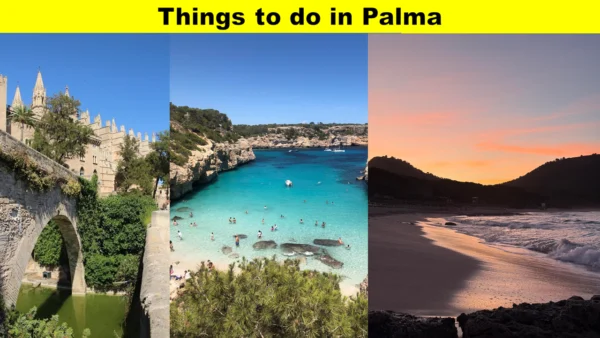
Things to do in Palma based on NeemTime research from most popular to just popular.
Coves del Drach, Palma
Overview: Coves del Drach is one of Mallorca’s most famous natural attractions, featuring spectacular underground caves, stalactites, stalagmites, and the impressive Lake Martel.
History: The caves were formed over millions of years through natural erosion and were explored and documented by scientists and explorers in the 19th century.
Since when: The caves have been open to visitors since 1935 after improvements were made for guided tours and musical performances.
Review: Visitors admire the dramatic rock formations, underground lake, and classical music experience, making it one of Mallorca’s most memorable attractions.
When to go: The best time is spring and autumn when visitor numbers are lower and temperatures are comfortable.
How to go: The caves are located in Porto Cristo, about 65 km from Palma, and can be reached by car, bus, or organized tour.
What to do: Visitors can explore the cave chambers, enjoy a boat ride on Lake Martel, and attend underground music performances.
Free or Paid: Paid entry required.
Catedral-Basílica de Santa María de Mallorca, Palma
Overview: Palma Cathedral is a magnificent Gothic cathedral overlooking the sea, famous for its enormous stained-glass windows, architectural design, and historic importance.
History: The cathedral was built after the Christian conquest of Mallorca on the site of a former mosque and became a symbol of the island’s religious heritage.
Since when: Construction began in 1229 and continued for several centuries before major parts were completed in the 17th century.
Review: Visitors praise its impressive Gothic architecture, artistic details, and peaceful interior, making it Palma’s most iconic landmark.
When to go: The best time is morning or late afternoon when lighting enhances the cathedral’s interior and exterior beauty.
How to go: It is located in Palma’s historic center and can be reached by walking, bus, taxi, or car from different parts of the city.
What to do: Visitors can explore the cathedral interior, admire artworks, visit exhibitions, and enjoy views from the surrounding historic area.
Free or Paid: Paid entry for sightseeing areas; worship access may differ.
Palma Aquàrium, Palma
Overview: Palma Aquarium is a large marine park featuring Mediterranean and tropical ecosystems, marine species, underwater habitats, and educational exhibits.
History: The aquarium was created to promote marine conservation, environmental education, and awareness of ocean ecosystems.
Since when: Palma Aquarium opened in 2007 and has become one of Mallorca’s leading family attractions.
Review: Visitors enjoy its diverse marine life, shark tanks, interactive areas, and educational displays suitable for all ages.
When to go: The best time is during spring and autumn or on weekdays to avoid peak crowds.
How to go: It is located near Palma Airport and can be reached by bus, taxi, car, or organized transport.
What to do: Visitors can explore aquariums, watch marine animals, learn about conservation, and enjoy family activities.
Free or Paid: Paid entry required.
Mercado del Olivar, Palma
Overview: Mercado del Olivar is a traditional indoor market in Palma known for fresh seafood, local produce, meats, gourmet foods, and authentic Mallorcan flavors.
History: The market was established to modernize Palma’s food trading system while preserving the island’s traditional market culture.
Since when: Mercado del Olivar opened in 1951 and has remained one of Palma’s most important food markets.
Review: Visitors enjoy its lively atmosphere, fresh products, tapas bars, and opportunity to experience local cuisine.
When to go: The best time is morning when stalls are fully stocked and local activity is at its peak.
How to go: It is located in central Palma and can be reached easily by walking, bus, taxi, or bicycle.
What to do: Visitors can buy local foods, taste tapas, explore stalls, and experience everyday Mallorcan life.
Free or Paid: Free entry (food and purchases are paid).
Mallorca Fashion Outlet, Palma
Overview: Mallorca Fashion Outlet is a modern outlet shopping destination near Palma featuring international brands, restaurants, entertainment, and discounted fashion products.
History: The outlet was developed to create a large shopping and leisure destination serving both locals and tourists visiting Mallorca.
Since when: Mallorca Fashion Outlet opened in 2002 and has expanded with more stores and facilities over the years.
Review: Visitors appreciate its wide range of brands, discounts, dining options, and convenient location, especially for shopping enthusiasts.
When to go: The best time is weekday mornings or evenings when crowds are smaller and shopping is more comfortable.
How to go: It is located in Marratxí near Palma and can be reached by car, bus, train, or taxi.
What to do: Visitors can shop for clothing, accessories, sportswear, gifts, enjoy restaurants, and spend leisure time.
Free or Paid: Free entry (shopping and dining are paid).
Castillo de Bellver, Palma
Overview: Bellver Castle is a unique circular Gothic castle located on a hill above Palma, offering panoramic views of the city, bay, and surrounding landscape.
History: The castle was built as a royal fortress for King James II of Mallorca and later served as a military prison and historical monument.
Since when: Construction began around 1300 and the castle was completed in the early 14th century.
Review: Visitors admire its unusual circular design, medieval atmosphere, museum exhibits, and spectacular views over Palma.
When to go: The best time is spring and autumn when temperatures are pleasant for walking around the hilltop site.
How to go: It is located about 3 km from Palma center and can be reached by bus, taxi, car, or walking.
What to do: Visitors can explore the castle rooms, visit the museum, photograph the views, and learn about Mallorca’s history.
Free or Paid: Paid entry required (free on certain days or for specific visitors).
Catedral de Mallorca, Palma
Overview: Cathedral of Santa Maria of Palma is a magnificent Gothic cathedral known for its enormous rose window, grand interior, historic chapels, and location beside the Mediterranean waterfront.
History: The cathedral was built after King James I ordered the construction of a Christian church following the conquest of Mallorca from Muslim rule.
Since when: Construction started in 1229 and continued for several centuries, with major completion achieved in the 17th century.
Review: Visitors consider it one of Spain’s most impressive Gothic landmarks because of its architecture, artistic treasures, and spiritual atmosphere.
When to go: The best time is early morning or late afternoon when crowds are smaller and sunlight enhances the interior details.
How to go: It is located in Palma’s historic center and can be reached by walking, bus, taxi, or bicycle.
What to do: Visitors can explore the cathedral interior, admire artworks, view stained glass, and visit nearby historic streets.
Free or Paid: Paid entry for tourist visits (religious access may vary).
Porto Pi Centre Comercial, Palma
Overview: Porto Pi Centro Comercial is one of Palma’s major shopping malls featuring fashion stores, restaurants, supermarkets, entertainment, and sea views near the harbor.
History: The shopping center was developed to provide Mallorca with a modern retail and leisure destination serving both residents and tourists.
Since when: Porto Pi Centre Comercial opened in 1995 and has remained one of Palma’s leading shopping locations.
Review: Visitors appreciate its variety of shops, convenient location, dining options, and indoor comfort, especially on hot or rainy days.
When to go: The best time is weekday mornings or evenings when shopping areas are less crowded.
How to go: It is located near Palma Port and can be reached by bus, taxi, car, or walking from nearby areas.
What to do: Visitors can shop for fashion, enjoy restaurants, buy groceries, watch entertainment, and relax indoors.
Free or Paid: Free entry (shopping, dining, and entertainment are paid).
Train Sóller Station (Palma de Mallorca), Palma
Overview: Palma Sóller Railway Station is a historic railway station famous as the departure point for the vintage train journey through Mallorca’s mountains to Sóller.
History: The station was built as part of the historic railway project connecting Palma with the isolated Sóller valley through the Serra de Tramuntana mountains.
Since when: The railway service began in 1912 and has operated for more than a century using traditional wooden carriages.
Review: Visitors love the nostalgic train experience, scenic mountain views, tunnels, and historic charm, making it one of Mallorca’s iconic attractions.
When to go: The best time is spring and autumn when landscapes are green and temperatures are ideal for sightseeing.
How to go: The station is located in central Palma and can be reached by walking, bus, taxi, or car.
What to do: Visitors can take the historic train ride, explore Sóller town, photograph scenery, and enjoy a unique island experience.
Free or Paid: Paid train ticket required.
Cala Major, Palma
Overview: Cala Major is a popular urban beach near Palma known for golden sand, clear Mediterranean water, hotels, restaurants, and easy access from the city.
History: The beach area developed from a traditional coastal location into a popular tourist destination during Mallorca’s tourism expansion.
Since when: Cala Major became widely developed as a tourist beach area during the mid-20th century.
Review: Visitors enjoy its convenient location, swimming conditions, and seaside facilities, although it can become crowded during peak summer months.
When to go: The best time is from May to October when the sea is warm and beach conditions are excellent.
How to go: It is located about 5 km from Palma center and can be reached by bus, taxi, car, or bicycle.
What to do: Visitors can swim, sunbathe, enjoy water activities, relax at beach cafés, and explore the coastline.
Free or Paid: Free access (sunbeds, umbrellas, and activities are paid).
Hams’ Caves, Palma
Overview: Hams’ Caves is a spectacular underground cave system near Palma featuring impressive stalactites, stalagmites, illuminated chambers, and an underground lake.
History: The caves were discovered by Pedro Caldentey Santandreu while searching for onyx deposits and were later developed as a tourist attraction.
Since when: Hams’ Caves opened to visitors in 1910 and became one of Mallorca’s earliest organized cave attractions.
Review: Visitors enjoy the colorful lighting, unique rock formations, and musical performances, making it a memorable natural experience.
When to go: The best time is spring and autumn when the weather is pleasant and visitor crowds are smaller.
How to go: The caves are located in Porto Cristo, about 65 km from Palma, and can be reached by car, bus, or organized tours.
What to do: Visitors can explore underground chambers, watch light shows, learn about geology, and enjoy guided tours.
Free or Paid: Paid entry required.
Marineland Mallorca, Palma
Overview: Marineland Mallorca is a marine and animal park featuring dolphin shows, sea lions, tropical birds, aquariums, and family entertainment.
History: The park was developed as part of Mallorca’s tourism industry to provide marine education and entertainment for visitors.
Since when: Marineland Mallorca opened in 1970 and has become one of the island’s long-running animal attractions.
Review: Visitors enjoy dolphin performances, interactive exhibits, and family activities, although opinions vary regarding animal shows.
When to go: The best time is from spring to early autumn when all outdoor activities and shows operate fully.
How to go: It is located near Palma in Costa d’en Blanes and can be reached by bus, taxi, car, or tour transport.
What to do: Visitors can watch marine shows, explore aquariums, see exotic animals, and enjoy family attractions.
Free or Paid: Paid entry required.
Hard Rock Cafe Mallorca, Palma
Overview: Hard Rock Cafe Mallorca is a music-themed restaurant offering American-style cuisine, cocktails, live entertainment, and rock memorabilia.
History: The restaurant is part of the international Hard Rock Cafe brand known for combining dining with music culture and memorabilia displays.
Since when: Hard Rock Cafe Mallorca opened in 2014 and became a popular dining venue in Palma.
Review: Visitors appreciate the lively atmosphere, themed décor, friendly service, and classic menu options.
When to go: The best time is evening when the music atmosphere and dining experience are most enjoyable.
How to go: It is located in Palma city center and can be reached by walking, bus, taxi, or car.
What to do: Visitors can enjoy meals, drinks, music, collect souvenirs, and view rock memorabilia.
Free or Paid: Free entry (food, drinks, and merchandise are paid).
Aqualand S’Arenal, Palma
Overview: Aqualand El Arenal is a large water park near Palma featuring slides, pools, children’s areas, and aquatic attractions for families and adventure seekers.
History: The park was developed as part of Mallorca’s tourism infrastructure to provide summer entertainment for visitors and residents.
Since when: Aqualand El Arenal opened in 1986 and has remained one of Mallorca’s best-known water parks.
Review: Visitors enjoy its variety of slides, family facilities, and fun atmosphere, though it can be crowded during peak summer days.
When to go: The best time is June to September when temperatures are warm and all water attractions are available.
How to go: It is located in El Arenal, about 15 km from Palma, and can be reached by bus, taxi, car, or tour transport.
What to do: Visitors can enjoy water slides, swimming pools, children’s zones, relaxation areas, and water games.
Free or Paid: Paid entry required.
Iberostar Waves Cristina, Palma
Overview: Iberostar Waves Cristina is a beachfront hotel near Palma offering comfortable accommodation, pools, wellness facilities, restaurants, and family-friendly services.
History: The hotel was developed as part of Mallorca’s expanding beach tourism industry and later became part of the Iberostar hotel group.
Since when: Iberostar Waves Cristina has welcomed guests since the 1980s and has undergone renovations to maintain modern facilities.
Review: Visitors appreciate its excellent location near Playa de Palma, friendly service, cleanliness, and range of amenities.
When to go: The best time is from May to October for beach activities and warm Mediterranean weather.
How to go: It is located near Playa de Palma and can be reached from Palma Airport or city center by bus, taxi, or car.
What to do: Visitors can relax by pools, enjoy the beach, use wellness facilities, dine, and explore nearby attractions.
Free or Paid: Hotel accommodation and services are paid.
Platja de Santa Ponça, Palma
Overview: Santa Ponsa Beach is a popular sandy beach near Palma known for clear Mediterranean waters, family-friendly facilities, restaurants, and a relaxing coastal atmosphere.
History: The area has ancient historical connections, including the landing site of King James I of Aragon during the Christian conquest of Mallorca in 1229.
Since when: Santa Ponça developed into a major tourist beach destination during Mallorca’s tourism expansion in the mid-20th century.
Review: Visitors enjoy its spacious beach, calm waters, beautiful views, and convenient services, making it suitable for families and couples.
When to go: The best time is from May to October when the weather is warm and swimming conditions are excellent.
How to go: Santa Ponça is located southwest of Palma and can be reached by bus, taxi, rental car, or organized transport.
What to do: Visitors can swim, sunbathe, enjoy water sports, walk along the promenade, and explore nearby restaurants.
Free or Paid: Free access (sunbeds, umbrellas, and water activities are paid).
Royal Palace of La Almudaina, Palma
Overview: Royal Palace of La Almudaina is a historic royal residence beside Palma Cathedral featuring Gothic architecture, medieval halls, royal rooms, and cultural exhibitions.
History: The palace originated as an Islamic fortress and was transformed into a Christian royal residence after the conquest of Mallorca.
Since when: Its origins date back to the 10th century, with major Gothic renovations completed during the 14th century.
Review: Visitors appreciate its royal atmosphere, historic architecture, and impressive location overlooking Palma Bay.
When to go: The best time is morning or late afternoon when the palace is less crowded and sightseeing is more comfortable.
How to go: It is located in Palma’s historic center and can be reached by walking, bus, taxi, or car.
What to do: Visitors can explore royal chambers, admire artworks, learn history, and visit nearby landmarks.
Free or Paid: Paid entry required (some special access days may be free).
Tren De Soller, Palma
Overview: Sóller Railway is a historic wooden train journey connecting Palma with Sóller through the scenic Serra de Tramuntana mountains.
History: The railway was built to connect the isolated Sóller valley with Palma and support transport of agricultural products and passengers.
Since when: The train service began in 1912 and continues using traditional electric locomotives and wooden carriages.
Review: Visitors consider it one of Mallorca’s most charming experiences because of its historic character, mountain scenery, and tunnels.
When to go: The best time is spring and autumn when landscapes are especially beautiful and temperatures are comfortable.
How to go: The journey begins at Palma’s historic station, which is accessible by walking, bus, taxi, or car.
What to do: Visitors can ride the vintage train, enjoy mountain views, explore Sóller town, and continue to the port area.
Free or Paid: Paid ticket required.
Jardins d’Alfàbia, Palma
Overview: Jardins d’Alfàbia are historic botanical gardens featuring fountains, exotic plants, palm trees, traditional architecture, and peaceful landscapes near Palma.
History: The gardens reflect a blend of Moorish and Mallorcan traditions created around a historic estate in the Tramuntana foothills.
Since when: The estate has roots dating back to the Islamic period of Mallorca, with gardens developed over several centuries.
Review: Visitors enjoy its tranquil atmosphere, beautiful plants, historic house, and cultural importance as a hidden gem of Mallorca.
When to go: The best time is spring when flowers bloom and the gardens are at their most attractive.
How to go: The gardens are located near Bunyola, about 17 km from Palma, and can be reached by car, bus, or tour.
What to do: Visitors can walk through gardens, visit the historic house, photograph landscapes, and enjoy nature.
Free or Paid: Paid entry required.
Barca Samba, Palma
Overview: Barca Samba is a sailing and boat excursion experience offering Mediterranean cruises, sea views, swimming opportunities, and leisure activities from Palma.
History: The service was developed as part of Mallorca’s maritime tourism industry, providing visitors with ways to explore the island’s coastline by boat.
Since when: Barca Samba has operated as a tourist boat experience during Mallorca’s modern tourism era.
Review: Visitors enjoy the relaxing sea atmosphere, coastal scenery, music, and unique perspective of Palma from the water.
When to go: The best time is from May to September when the sea conditions and weather are ideal for cruises.
How to go: Visitors can reach the departure point in Palma by taxi, bus, walking, or private vehicle.
What to do: Visitors can enjoy boat trips, swimming stops, sightseeing, sunbathing, and Mediterranean views.
Free or Paid: Paid activity with ticket prices depending on the cruise package.
Palma Aquarium, Palma
Overview: Palma Aquarium is a major marine attraction in Mallorca featuring Mediterranean ecosystems, tropical seas, sharks, coral habitats, and educational ocean exhibits.
History: The aquarium was developed to combine marine conservation, environmental education, and tourism by showcasing diverse underwater ecosystems.
Since when: Palma Aquarium opened in 2007 and has become one of Mallorca’s leading family-friendly attractions.
Review: Visitors appreciate its impressive marine displays, interactive experiences, large tanks, and educational programs suitable for children and adults.
When to go: The best time is spring and autumn or weekday mornings when crowds are smaller and visits are more comfortable.
How to go: It is located near Playa de Palma and can be reached from Palma by bus, taxi, car, or bicycle.
What to do: Visitors can explore marine habitats, watch sharks, discover sea life, enjoy interactive activities, and learn about conservation.
Free or Paid: Paid entry required.
Katmandu Park, Palma
Overview: Katmandu Park is a family entertainment park featuring interactive attractions, 4D experiences, mini golf, water activities, and adventure zones.
History: The park was created as a unique themed entertainment destination combining technology, fantasy, and family attractions for Mallorca visitors.
Since when: Katmandu Park opened in 2007 and became one of Mallorca’s most popular amusement parks.
Review: Visitors enjoy its creative attractions, family-friendly activities, and immersive experiences, especially for children and teenagers.
When to go: The best time is from spring to early autumn when outdoor attractions operate fully.
How to go: It is located in Magaluf, around 15 km from Palma, and can be reached by bus, taxi, or car.
What to do: Visitors can enjoy interactive games, mini golf, water attractions, 4D shows, and themed adventures.
Free or Paid: Paid entry required (some areas may have separate charges).
Banys Àrabs, Palma
Overview: Arab Baths of Palma are ancient Islamic-era bathhouses featuring preserved stone chambers, columns, gardens, and a rare glimpse of Muslim heritage in Mallorca.
History: The baths were part of the medieval Islamic city of Medina Mayurqa and represent one of Palma’s few remaining examples of Arab architecture.
Since when: The baths date back to around the 10th century during the Islamic period of Mallorca.
Review: Visitors enjoy its historical atmosphere, peaceful garden, and unique architecture, although the site is relatively small.
When to go: The best time is morning or late afternoon when the historic area is quieter.
How to go: They are located in Palma’s old town and can be reached by walking, bus, taxi, or bicycle.
What to do: Visitors can explore the ancient rooms, photograph architecture, relax in the garden, and learn about Islamic history.
Free or Paid: Paid entry required.
Taxi Pmi, Palma
Overview: Taxi PMI provides taxi transportation services in Palma and Mallorca, including airport transfers, city journeys, and tourist transportation.
History: Taxi services in Palma developed alongside the growth of the city and Mallorca’s international tourism industry.
Since when: Professional taxi transportation has operated in Palma since the early development of modern urban transport, expanding significantly during the 20th century.
Review: Visitors value taxi services for convenience, direct routes, and easy airport transfers, especially when carrying luggage or traveling in groups.
When to go: Taxi services are available year-round, with summer being the busiest tourist period.
How to go: Visitors can book a taxi by phone, app, taxi stands, airport points, or hotel reception.
What to do: Visitors can use taxis for airport transfers, sightseeing trips, hotel transfers, and exploring Palma.
Free or Paid: Paid service based on distance, time, and destination.
Anima Beach Palma, Palma
Overview: Anima Beach Palma is a beachfront restaurant and leisure venue offering Mediterranean dining, drinks, sea views, music, and a relaxed coastal atmosphere.
History: The venue was developed as part of Palma’s modern beachfront lifestyle scene, combining gastronomy with seaside entertainment.
Since when: Anima Beach Palma has operated as a contemporary beach club and restaurant during Mallorca’s recent tourism era.
Review: Visitors enjoy its waterfront location, stylish setting, food, cocktails, and sunset atmosphere, especially for social occasions.
When to go: The best time is late afternoon and evening when guests can enjoy sea views and sunset dining.
How to go: It is located near Palma’s seafront and can be reached by walking, bus, taxi, or car.
What to do: Visitors can enjoy Mediterranean meals, drinks, music, seaside relaxation, and coastal views.
Free or Paid: Free entry (food, drinks, and services are paid).
Cala de Deià, Palma
Overview: Cala Deià is a picturesque rocky cove on Mallorca’s northwest coast known for turquoise waters, dramatic cliffs, traditional restaurants, and natural beauty.
History: The cove has long been associated with the fishing traditions of Deià village and became internationally recognized through artists and writers who visited the area.
Since when: Cala de Deià has been a natural coastal site for centuries and became a popular tourist destination during Mallorca’s artistic and tourism growth in the 20th century.
Review: Visitors love its scenic landscape, clear water, peaceful atmosphere, and authentic Mediterranean charm, although the beach area can be crowded in summer.
When to go: The best time is late spring and early autumn when the weather is pleasant and visitor numbers are lower.
How to go: It is located about 35 km from Palma and can be reached by car, taxi, or bus connections through Deià village.
What to do: Visitors can swim, relax by the sea, enjoy seafood restaurants, hike nearby trails, and photograph the coastal scenery.
Free or Paid: Free access (parking, food, and some services are paid).
Rafa Nadal Museum, Palma
Overview: Rafa Nadal Museum Xperience is an interactive sports museum showcasing trophies, memorabilia, technology-based exhibits, and the career achievements of tennis champion Rafa Nadal.
History: The museum was created by Rafa Nadal to share his sporting journey and inspire visitors through exhibitions about sports values and achievement.
Since when: Rafa Nadal Museum opened in 2016 in Nadal’s hometown of Manacor, Mallorca.
Review: Visitors enjoy the interactive displays, famous trophies, sports simulators, and behind-the-scenes look at Nadal’s career.
When to go: The best time is weekdays or mornings when visitor numbers are usually lower.
How to go: It is located in Manacor, around 55 km from Palma, and can be reached by car, train, bus, or taxi.
What to do: Visitors can explore tennis exhibits, try interactive sports games, view trophies, and learn about Nadal’s achievements.
Free or Paid: Paid entry required.
Museu de La Seu de Mallorca, Palma
Overview: Museum of the Cathedral of Mallorca is a cultural museum inside Palma Cathedral displaying religious artworks, historical treasures, manuscripts, and sacred objects.
History: The museum was created to preserve and display important religious collections connected to the cathedral’s centuries-old history.
Since when: The museum developed as part of the cathedral’s cultural preservation activities during the modern era, with collections built over centuries.
Review: Visitors appreciate its impressive artworks, historic atmosphere, and connection with the magnificent cathedral interior.
When to go: The best time is morning or late afternoon when the cathedral area is less crowded.
How to go: It is located inside Palma’s historic center and can be reached by walking, bus, taxi, or bicycle.
What to do: Visitors can view religious art, explore historical collections, and combine the visit with a cathedral tour.
Free or Paid: Paid entry generally required as part of cathedral sightseeing.
Sa Llotja, Palma
Overview: Sa Llotja is a magnificent Gothic building in Palma that served as a medieval maritime trading exchange and is now a cultural landmark.
History: The building was constructed by architect Guillem Sagrera for merchants of Mallorca during the island’s prosperous trading period.
Since when: Construction began in 1426 and was completed around 1452 during the height of Mallorca’s medieval maritime commerce.
Review: Visitors admire its elegant Gothic architecture, impressive columns, and historical importance in Palma’s old town.
When to go: The best time is spring and autumn when walking around Palma’s historic district is most comfortable.
How to go: Sa Llotja is located near Palma Cathedral and can be reached by walking, bus, taxi, or bicycle.
What to do: Visitors can admire architecture, attend cultural exhibitions, photograph the interior, and explore nearby streets.
Free or Paid: Often free entry when open (special exhibitions may require payment).
Pueblo Español de Mallorca, Palma
Overview: Pueblo Español de Mallorca is an open-air architectural museum recreating traditional Spanish streets, buildings, squares, and cultural styles from different regions of Spain.
History: The attraction was created to showcase Spain’s diverse architectural heritage through carefully recreated examples of historic buildings and landscapes.
Since when: Pueblo Español de Mallorca opened in 1965 as a cultural and tourism attraction in Palma.
Review: Visitors enjoy its charming streets, photography opportunities, cultural displays, and unique representation of Spanish architecture.
When to go: The best time is spring and autumn when the outdoor setting is comfortable for walking and exploring.
How to go: It is located in the Son Dureta area of Palma and can be reached by bus, taxi, car, or walking.
What to do: Visitors can explore recreated streets, admire architecture, take photos, attend events, and learn about Spanish culture.
Free or Paid: Paid entry required.