Audrey Hepburn based on NeemTime research
Who Is Audrey Hepburn (Biography / Personal Details)
Audrey Hepburn was a British actress, fashion icon, humanitarian, and one of the most admired figures in the history of cinema, born on 4 May 1929 in Ixelles, Brussels, Belgium, and later becoming a global Hollywood star.
Her birth name was Audrey Kathleen Ruston, and she adopted the professional surname Hepburn from her father’s family background when she began building her acting career in Europe and the United States.
Audrey Hepburn became internationally famous after starring as Princess Ann in the 1953 romantic comedy film Roman Holiday, a role that earned her the Academy Award for Best Actress and established her as a major film personality.
During the 1950s and 1960s, Audrey Hepburn appeared in several classic films including Sabrina, Breakfast at Tiffany’s, My Fair Lady, Charade, and Wait Until Dark, becoming known for her elegance, expressive acting style, and distinctive screen presence.
She worked with some of the most respected filmmakers and actors of her era, including director Blake Edwards, actor Gregory Peck, actor Cary Grant, actor Humphrey Bogart, and actor Fred Astaire.
Audrey Hepburn was also recognized as a fashion symbol through her long creative partnership with French designer Hubert de Givenchy, who created many of her most famous looks, including the iconic black dress from Breakfast at Tiffany’s in 1961.
Beyond acting, Audrey Hepburn dedicated much of her later life to humanitarian work, becoming a Goodwill Ambassador for UNICEF in 1989 and supporting children affected by poverty, hunger, and conflict around the world.
She received numerous honors during and after her lifetime, including the Presidential Medal of Freedom, the Jean Hersholt Humanitarian Award, and recognition as one of the greatest female screen legends by major film organizations.
Audrey Hepburn passed away on 20 January 1993 at her home in Tolochenaz, Switzerland, after battling cancer, but her influence continued through her films, fashion legacy, and humanitarian contributions.
Today, Audrey Hepburn remains remembered as a timeless cultural icon whose combination of talent, grace, compassion, and humanitarian dedication continues to inspire generations worldwide.
Audrey Hepburn Height / How To Get Body Like Audrey Hepburn
Audrey Hepburn was approximately 5 feet 7 inches (170 cm) tall, with a naturally slim and graceful body structure that became one of her most recognizable physical characteristics.
Her famous slender appearance was influenced by her naturally lean frame, ballet training, active lifestyle, and disciplined approach to maintaining fitness rather than extreme dieting or bodybuilding routines.
During her youth in the Netherlands and Belgium, Audrey Hepburn studied ballet and trained under teachers such as Sonia Gaskell, which helped develop her posture, flexibility, balance, and elegant movement style.
To achieve a body style similar to Audrey Hepburn, a person can focus on regular low-impact exercises such as ballet-inspired workouts, Pilates, stretching, walking, and mobility training.
Audrey’s physique was associated with healthy habits including portion-controlled meals, fresh foods, vegetables, fruits, lean proteins, and maintaining an active daily routine.
Her signature appearance came not only from her height and weight but also from her posture, confidence, graceful walking style, and fashion choices designed by designers like Hubert de Givenchy.
A modern approach inspired by Audrey Hepburn’s lifestyle would include consistent exercise, good posture practice, flexibility training, adequate sleep, and balanced nutrition rather than trying to copy a specific body measurement.
Audrey Hepburn’s ballet background helped her develop long, elegant movements that became a defining feature of her performances in films such as Roman Holiday and Funny Face.
Her style emphasized natural beauty, simple elegance, and confidence, showing that body image was connected with personality, health, and self-expression rather than only physical appearance.
People inspired by Audrey Hepburn’s figure can focus on creating a healthy, flexible, and balanced lifestyle combining fitness, mindful eating, and graceful body movement.
Audrey Hepburn: List Of Partners & Dating History
Audrey Hepburn’s romantic life attracted significant public interest throughout her career, with several relationships involving actors, producers, and influential personalities from the entertainment industry.
Her first major marriage was with American actor Mel Ferrer, whom she met in 1954 while working on the Broadway production Ondine, and they married in Switzerland in 1954.
Audrey Hepburn and Mel Ferrer had one son, Sean Hepburn Ferrer, born in 1960, but their marriage ended in divorce in 1968 after years of personal and professional challenges.
After her divorce from Mel Ferrer, Audrey Hepburn married Italian psychiatrist Andrea Dotti in 1969, and the couple had a son named Luca Andrea Dotti in 1970.
Audrey Hepburn’s marriage to Andrea Dotti ended in divorce in 1982, following reports of difficulties caused by their different lifestyles and personal circumstances.
Before and during her marriages, Audrey Hepburn was linked romantically with several famous figures, including actor William Holden and actor Robert Wolders.
Audrey Hepburn began a long-term relationship with Dutch actor Robert Wolders after her separation from Andrea Dotti, and they remained together until her death in 1993.
She was also briefly engaged to industrialist James Hanson in the early 1960s, but the engagement ended before they married because of their demanding lifestyles and schedules.
Audrey Hepburn often preferred privacy regarding her personal relationships and focused much of her later life on family, humanitarian work, and a quieter lifestyle in Switzerland.
Her relationships remain part of her biography, but Audrey Hepburn’s legacy is primarily remembered for her acting achievements, humanitarian efforts, and cultural influence.
Personal Life Highlights Of Audrey Hepburn (List Of Family Members)
Audrey Hepburn was born to Joseph Victor Anthony Ruston, an English businessman, and Ella van Heemstra, a Dutch baroness from an aristocratic family background.
Her parents separated during her childhood, and Audrey experienced a difficult early life during World War II while living in the Netherlands under German occupation.
Audrey Hepburn had two sons, Sean Hepburn Ferrer with Mel Ferrer and Luca Andrea Dotti with Andrea Dotti, who became important parts of her personal life.
Her son Sean Hepburn Ferrer later worked as a producer, author, and advocate for preserving his mother’s legacy through various projects.
Her younger son Luca Dotti became involved in managing and promoting aspects of Audrey Hepburn’s humanitarian and artistic legacy.
Audrey Hepburn’s longtime partner Robert Wolders remained with her during the final years of her life and supported her humanitarian activities.
She maintained a close connection with her family and spent much of her later years at her home in Tolochenaz, Switzerland, away from Hollywood’s constant attention.
Audrey Hepburn was known for valuing family life, especially after reducing her film career to spend more time raising her children.
Her family has continued to preserve her memory through charitable initiatives, exhibitions, and projects celebrating her work with UNICEF and cinema.
Audrey Hepburn’s family background, personal relationships, and experiences during wartime strongly influenced her compassionate personality and dedication to helping others.
Early Life Highlights Of Audrey Hepburn (Background / Childhood)
Audrey Hepburn was born on 4 May 1929 in Brussels, Belgium, and spent her early years between Belgium, England, and the Netherlands because of her family’s international background.
Her father Joseph Ruston and mother Ella van Heemstra separated when Audrey was young, creating a childhood marked by emotional challenges and family changes.
During World War II, Audrey lived in Arnhem, Netherlands, where she experienced food shortages, fear, and hardship during the Nazi occupation.
The severe conditions of the war years affected Audrey’s health, and she later credited those experiences with shaping her compassion toward children suffering from poverty and conflict.
As a teenager, Audrey studied ballet in Amsterdam and later trained in London, where she dreamed of becoming a professional dancer.
Her ballet ambitions were affected by her height and the physical impact of wartime malnutrition, leading her toward acting as a more realistic career path.
Audrey began appearing in small European film roles in the late 1940s before gaining international attention through her stage performance in Ondine.
Her breakthrough came when director William Wyler selected her for the lead role in Roman Holiday in 1953, transforming her from a European performer into a Hollywood star.
Audrey Hepburn’s childhood experiences, including war, displacement, and artistic training, played a major role in shaping her humility, discipline, and humanitarian values.
The combination of her challenging childhood, ballet background, and determination helped create the unique personality that later made Audrey Hepburn one of the most beloved figures of the 20th century.
Audrey Hepburn Family
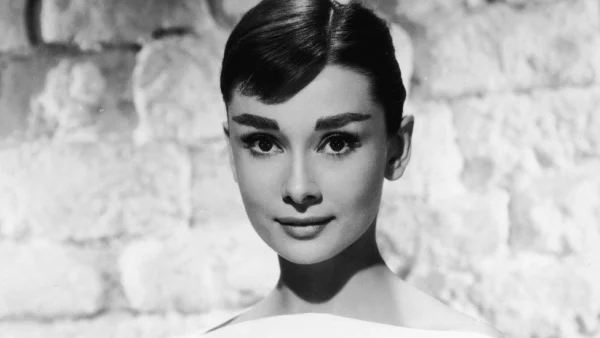
Audrey Hepburn Family 5
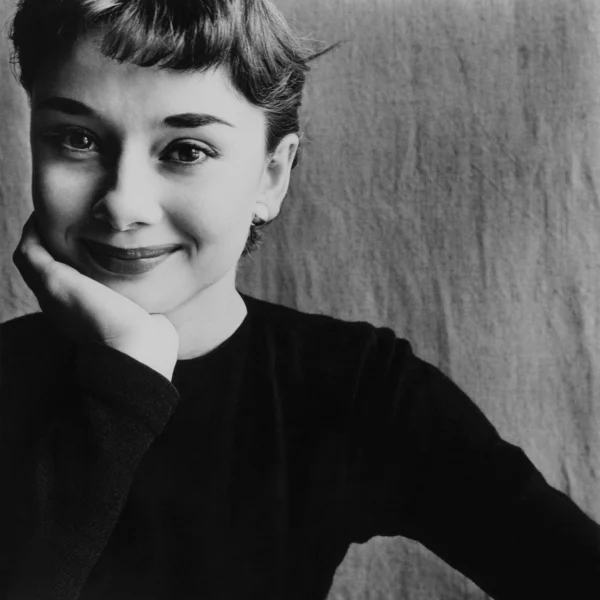
Audrey Hepburn Family 4
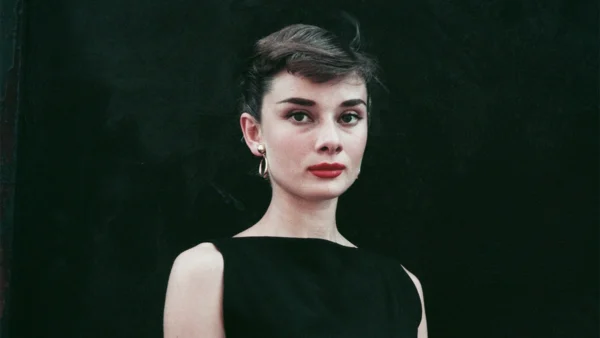
Audrey Hepburn Family 3

Audrey Hepburn Family 2
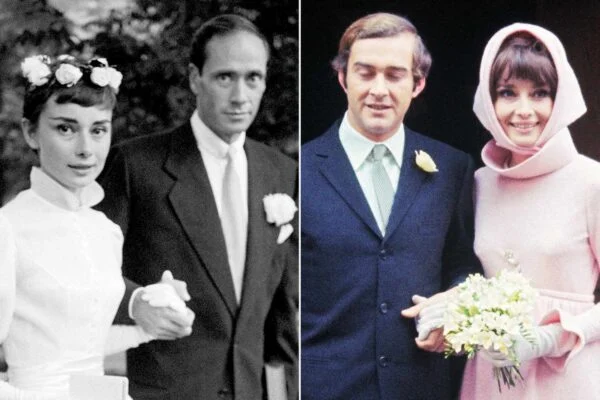
Audrey Hepburn Family
Current Life Highlights of Audrey Hepburn (Career / Other Work)
Audrey Hepburn remains one of the most admired figures in cinema history, and although she passed away on January 20, 1993, her artistic influence, humanitarian legacy, and fashion impact continue to be celebrated worldwide through films, exhibitions, documentaries, and charity initiatives.
After achieving global fame during Hollywood’s Golden Age, Audrey Hepburn focused much of her later career on humanitarian work with UNICEF, becoming a Goodwill Ambassador in 1989 and travelling to countries including Ethiopia, Sudan, Vietnam, and Bangladesh to support children affected by poverty, hunger, and conflict.
Audrey Hepburn’s final major film role was in Steven Spielberg’s fantasy comedy film “Always” in 1989, where she played an angelic character named Hap, marking her return to the screen after several years focused on family life and humanitarian activities.
In the late 1980s and early 1990s, Audrey Hepburn became recognized more for her humanitarian achievements than her acting career, receiving international recognition including the Presidential Medal of Freedom in 1992 from United States President George H. W. Bush for her dedication to helping vulnerable children.
The Audrey Hepburn Children’s Fund was established after her death to continue her humanitarian mission, supporting organizations and projects focused on children’s health, education, and welfare around the world.
Audrey Hepburn’s fashion legacy remains influential decades after her death, with her iconic collaborations with French designer Hubert de Givenchy continuing to inspire modern fashion designers, especially through the timeless styles seen in “Breakfast at Tiffany’s” from 1961.
Her film legacy continues through restored versions of classics such as “Roman Holiday” (1954), “Sabrina” (1954), “Funny Face” (1957), “Breakfast at Tiffany’s” (1961), and “My Fair Lady” (1964), which remain popular among new generations of movie audiences.
In 1993, shortly after her death in Tolochenaz, Switzerland, Audrey Hepburn received a posthumous Academy Award humanitarian recognition through the Jean Hersholt Humanitarian Award, honoring her extensive charitable contributions.
Museums, film organizations, and cultural institutions continue to celebrate Audrey Hepburn’s work, including exhibitions dedicated to her costumes, photographs, personal letters, and humanitarian activities in locations such as New York, London, and Brussels.
Today, Audrey Hepburn is remembered not only as an Oscar-winning actress but also as a global humanitarian symbol whose combination of artistic excellence, elegance, kindness, and dedication to children’s causes continues to influence people worldwide.
Audrey Hepburn Most Popular Media Appearances, Movies, TV Shows
Audrey Hepburn became an international star with her breakthrough performance as Princess Ann in “Roman Holiday” (1954), a role that earned her the Academy Award for Best Actress and established her as one of Hollywood’s leading actresses.
Her performance as Holly Golightly in “Breakfast at Tiffany’s” (1961), directed by Blake Edwards, became one of the most recognizable portrayals in film history and transformed Audrey Hepburn into a global fashion and cultural icon.
In “Sabrina” (1954), Audrey Hepburn starred alongside Humphrey Bogart and William Holden, playing a chauffeur’s daughter whose transformation into a sophisticated woman became one of her most celebrated romantic comedy performances.
Audrey Hepburn appeared as Eliza Doolittle in “My Fair Lady” (1964), a musical drama directed by George Cukor that won multiple Academy Awards and remains one of the most famous films of her career.
Her role as Natasha Rostova in “War and Peace” (1956), based on Leo Tolstoy’s classic novel, showcased her ability to perform in large-scale historical dramas alongside actors including Henry Fonda.
Audrey Hepburn starred in “Funny Face” (1957) with Fred Astaire, combining fashion, music, and comedy while featuring designs by Hubert de Givenchy that strengthened her reputation as a style icon.
Her psychological thriller “Wait Until Dark” (1967), directed by Terence Young, earned Audrey Hepburn an Academy Award nomination for Best Actress for her portrayal of a blind woman facing dangerous criminals.
Audrey Hepburn’s television appearances included the 1990 documentary-style production “Gardens of the World with Audrey Hepburn,” where she presented her love of flowers, gardens, and nature shortly before her death.
Numerous documentaries have explored her life and career, including “Audrey” (2020), which examined her childhood, Hollywood success, humanitarian work, and enduring cultural influence.
Audrey Hepburn’s image continues to appear in documentaries, fashion retrospectives, biographies, and tribute programs worldwide because of her lasting influence as an actress, fashion figure, and humanitarian.
Audrey Hepburn Most Popular News Headlines, Controversies, Scandals
Audrey Hepburn’s personal life frequently attracted media attention during her lifetime, particularly her marriages, relationships, and the challenges she experienced balancing international fame with family responsibilities.
In 1954, Audrey Hepburn married actor and director Mel Ferrer in Switzerland, and their relationship became widely covered by international newspapers because both were major figures in the entertainment industry.
Audrey Hepburn’s second marriage to Italian psychiatrist Andrea Dotti in 1969 received significant media attention, especially after reports about difficulties in their relationship and their eventual divorce in 1982.
Rumors about Audrey Hepburn’s romantic relationships with famous figures, including actors and artists, appeared regularly in tabloids, although many claims were never confirmed by Hepburn herself.
Her decision to step away from Hollywood during parts of the 1970s and 1980s generated headlines because many fans wondered why one of the world’s biggest movie stars reduced her acting appearances.
Audrey Hepburn’s humanitarian work with UNICEF received both praise and scrutiny, especially during her visits to countries affected by poverty and conflict where journalists followed her efforts closely.
Some media discussions focused on her extremely slim figure and beauty standards created by Hollywood during her career, with later commentators examining how her image influenced fashion and body ideals.
Audrey Hepburn faced public discussion regarding her childhood experiences during World War II in Nazi-occupied Netherlands, including the hardships she endured while living in Arnhem during the war years.
After her death in 1993, debates occasionally appeared about portrayals of her life in films and biographies, especially regarding how accurately they represented her relationships, career decisions, and private struggles.
Despite occasional controversies, Audrey Hepburn’s public reputation remains largely associated with elegance, professionalism, humanitarian service, and one of the most respected careers in entertainment history.
Known Unknown Facts Trivia of Audrey Hepburn
Audrey Hepburn was born Audrey Kathleen Ruston on May 4, 1929, in Ixelles, Brussels, Belgium, and later adopted the surname Hepburn after discovering her father’s connection to the Hepburn family name.
During World War II, Audrey Hepburn lived in the Netherlands and experienced food shortages during the Nazi occupation, experiences that influenced her later dedication to humanitarian causes.
Before becoming a Hollywood actress, Audrey Hepburn trained as a ballet dancer in Amsterdam and London, studying under respected teachers including Marie Rambert.
Audrey Hepburn was one of the few performers to win an Academy Award, Emmy Award, Grammy Award, and Tony Award, achieving recognition across film, television, music, and theatre.
Her famous little black dress from “Breakfast at Tiffany’s” was designed by Hubert de Givenchy and became one of the most iconic costumes in cinema history.
Audrey Hepburn had a deep love for animals and nature, and she owned several dogs throughout her life while often spending time in the countryside of Switzerland.
She was fluent in several languages, including English, French, Dutch, Italian, Spanish, and German, which helped her work internationally throughout her career.
Audrey Hepburn originally wanted to become a ballet dancer rather than an actress, but her height and physical limitations after the war influenced her decision to pursue acting.
Her final public appearance was connected to UNICEF work, where she continued raising awareness about children’s issues despite suffering from serious health problems.
Audrey Hepburn’s legacy continues through the Audrey Hepburn Children’s Fund, which preserves her humanitarian mission and supports programs helping children around the world.
Audrey Hepburn: Questions People Also Ask / Search & Answers
Q: Who was Audrey Hepburn?
A: Audrey Hepburn was a Belgian-born British actress, fashion icon, and humanitarian who became one of Hollywood’s most famous stars through films such as “Roman Holiday,” “Breakfast at Tiffany’s,” and “My Fair Lady.”
Q: When did Audrey Hepburn die?
A: Audrey Hepburn died on January 20, 1993, at her home in Tolochenaz, Switzerland, after battling cancer, leaving behind a legacy in cinema and humanitarian work.
Q: What was Audrey Hepburn famous for?
A: Audrey Hepburn was famous for her elegant acting style, iconic film performances, partnership with designer Hubert de Givenchy, and humanitarian work with UNICEF.
Q: How many Oscars did Audrey Hepburn win?
A: Audrey Hepburn won one Academy Award for Best Actress for her role as Princess Ann in “Roman Holiday” in 1954 and later received the Jean Hersholt Humanitarian Award.
Q: What was Audrey Hepburn’s most famous movie?
A: “Breakfast at Tiffany’s” (1961) is often considered Audrey Hepburn’s most famous movie because her character Holly Golightly became a worldwide cultural symbol.
Q: Was Audrey Hepburn married?
A: Yes, Audrey Hepburn was married twice, first to actor Mel Ferrer from 1954 to 1968 and later to Italian psychiatrist Andrea Dotti from 1969 to 1982.
Q: Did Audrey Hepburn have children?
A: Audrey Hepburn had two sons, Sean Hepburn Ferrer with Mel Ferrer and Luca Dotti with Andrea Dotti.
Q: What height was Audrey Hepburn?
A: Audrey Hepburn was approximately 5 feet 7 inches tall, with her slim figure and graceful appearance becoming part of her iconic image.
Q: Why is Audrey Hepburn still famous today?
A: Audrey Hepburn remains famous because of her timeless movies, distinctive fashion style, humanitarian efforts, and influence on generations of actors and designers.
Q: What humanitarian work did Audrey Hepburn do?
A: Audrey Hepburn worked with UNICEF as a Goodwill Ambassador, visiting countries affected by poverty and conflict to advocate for children’s health, nutrition, and education.