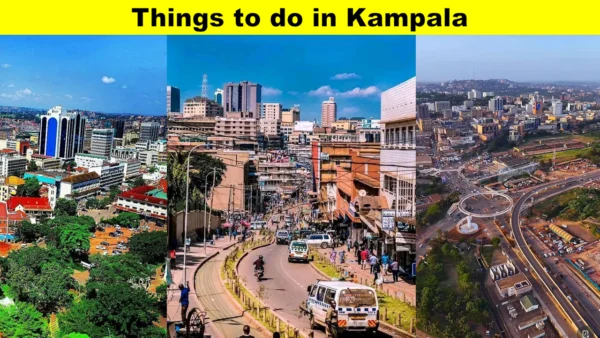
Things to do in Kampala based on NeemTime research from most popular to just popular.
Kampala Old Taxi Park, Kampala
Overview: Kampala Old Taxi Park is a dense and bustling transport hub in Kampala where thousands of minibuses (taxis) operate daily across the city and beyond.
History: It developed as Kampala’s central public transport interchange during the rapid urban growth of the capital in the mid-20th century.
Since when: The park has been in active use since the 1950s–1960s as Kampala’s primary taxi terminal.
Review: Visitors find it chaotic yet fascinating for its energy and real local life experience, though it can be overwhelming for first-time travelers.
When to go: The best time is early morning or midday to avoid peak congestion and afternoon rush hours.
How to go: It is located in central Kampala and is accessible by boda-boda (motorcycle taxis), taxi, or walking from downtown.
What to do: Visitors can observe local transport systems, take taxis to different parts of the city, and experience Kampala’s urban hustle.
Free or Paid: Free to enter, but transport fares are paid.
Owino Market / Kampala, Kampala
Overview: Owino Market is one of the largest open-air markets in Kampala known for second-hand clothes, food stalls, and general merchandise.
History: It emerged as a major trading center supporting Kampala’s growing urban population and informal economy.
Since when: The market has been active since the late 20th century and expanded significantly in the 1980s–1990s.
Review: Visitors enjoy its affordability and vibrant atmosphere, though navigation can be confusing due to its crowded layout.
When to go: The best time is morning hours on weekdays when goods are freshly displayed and crowds are moderate.
How to go: It is located near downtown Kampala and is accessible by boda-boda, taxi, or walking.
What to do: Visitors can shop for clothing, fabrics, shoes, and local goods while exploring busy market lanes.
Free or Paid: Free entry (shopping is paid).
Acacia Mall, Kampala
Overview: Acacia Mall is a modern shopping center in Kampala featuring international brands, restaurants, cinemas, and supermarkets.
History: It was developed to introduce a modern retail and leisure lifestyle experience in Kampala’s upscale neighborhood.
Since when: The mall opened in 2014 and quickly became one of Kampala’s premier shopping destinations.
Review: Visitors appreciate its cleanliness, security, and variety of shops, though prices are higher compared to local markets.
When to go: The best time is afternoons or weekends for shopping, dining, and entertainment.
How to go: It is located in Kololo and is easily accessible by taxi, boda-boda, or private car.
What to do: Visitors can shop, dine, watch movies, and relax in cafés.
Free or Paid: Free entry (shopping and services are paid).
Centenary Park Kampala, Kampala
Overview: Centenary Park is a recreational green space in Kampala offering gardens, nightlife venues, and event spaces in the city center.
History: It was developed as part of Kampala’s urban beautification and recreational infrastructure improvements.
Since when: The park has been in use since the late 20th century and became a nightlife hotspot in the 2000s.
Review: Visitors enjoy its central location and entertainment options, though parts of the park are more commercial than natural.
When to go: The best time is evening for nightlife or daytime for relaxation.
How to go: It is located in central Kampala and is accessible by taxi, boda-boda, or walking.
What to do: Visitors can relax, attend events, visit bars, and enjoy outdoor activities.
Free or Paid: Free entry (some venues inside are paid).
Garden City Shopping Mall, Kampala
Overview: Garden City Mall is a mixed-use shopping and entertainment complex in Kampala featuring shops, restaurants, offices, and recreational facilities.
History: It was developed as one of Kampala’s earliest modern malls to introduce organized retail and leisure spaces.
Since when: The mall opened in the early 2000s and played a key role in Kampala’s urban commercial development.
Review: Visitors appreciate its central location and variety of services, though some areas feel older compared to newer malls.
When to go: The best time is afternoons and weekends for shopping and dining activities.
How to go: It is located in the city center and is easily accessible by taxi, boda-boda, or walking.
What to do: Visitors can shop, dine, use banking services, and relax in cafés.
Free or Paid: Free entry (shopping and services are paid).
Freedom City Mall, Kampala
Overview: Freedom City Mall is a large commercial and entertainment complex in Kampala featuring shops, cinemas, restaurants, and event spaces for families and youth.
History: It was developed as part of Kampala’s suburban retail expansion to serve the growing population along the Entebbe Road corridor.
Since when: The mall began operations in the early 2000s and quickly became a major social and shopping hub.
Review: Visitors appreciate its lively atmosphere and variety of services, though it can become crowded during weekends and events.
When to go: The best time is weekday afternoons or early evenings for a more relaxed experience.
How to go: It is located along Entebbe Road and is accessible by taxi, boda-boda, or private car from central Kampala.
What to do: Visitors can shop, watch movies, dine, and attend concerts or public events.
Free or Paid: Free entry (shopping and entertainment are paid).
Ndere Cultural Centre, Kampala
Overview: Ndere Cultural Centre is a cultural performance venue in Kampala showcasing traditional Ugandan music, dance, storytelling, and cuisine.
History: It was founded to preserve and promote Uganda’s diverse cultural heritage through live performances and education.
Since when: The centre was established in 1986 and has grown into a leading cultural tourism attraction.
Review: Visitors love its energetic performances and authentic cultural experience, though shows are scheduled on specific days only.
When to go: The best time is evening performances, especially weekends when full cultural shows are held.
How to go: It is located in Ntinda and is accessible by taxi or boda-boda from central Kampala.
What to do: Visitors can watch dance performances, enjoy traditional food, and learn about Ugandan cultures.
Free or Paid: Paid entry for performances.
The Oasis Mall, Kampala
Overview: Oasis Mall is a compact urban shopping center in Kampala offering retail shops, restaurants, offices, and service outlets in a central location.
History: It was developed as part of Kampala’s growing commercial infrastructure to provide convenient shopping in the city center.
Since when: The mall has been operating since the early 2000s.
Review: Visitors find it convenient for quick shopping and dining, though it is smaller compared to newer malls.
When to go: The best time is daytime or early evening for shopping and dining.
How to go: It is located in central Kampala and is easily accessible by taxi or walking.
What to do: Visitors can shop, dine, and access services like banks and offices.
Free or Paid: Free entry (purchases are paid).
Vegan Foods Uganda, Kampala
Overview: Vegan Foods Uganda is a plant-based food outlet in Kampala specializing in vegan and vegetarian Ugandan-inspired dishes.
History: It was created to promote healthy, plant-based eating options within Uganda’s growing wellness food culture.
Since when: The business has been active since the late 2010s as vegan awareness increased in Kampala.
Review: Visitors appreciate its healthy meals and local vegan adaptations, though menu variety may be more limited than conventional restaurants.
When to go: The best time is lunchtime or early evening for freshly prepared meals.
How to go: It is located in Kampala and is accessible by taxi or boda-boda depending on branch location.
What to do: Visitors can enjoy vegan Ugandan dishes, smoothies, and healthy snacks.
Free or Paid: Paid dining.
Uganda Wildlife Conservation Education Centre, Kampala
Overview: Uganda Wildlife Conservation Education Centre is a wildlife conservation and education facility near Kampala showcasing rescued animals and native Ugandan wildlife.
History: It was established to rehabilitate injured wildlife and educate the public about conservation.
Since when: The centre was founded in 1952 and later evolved into a modern conservation and tourism facility.
Review: Visitors enjoy seeing lions, giraffes, and chimpanzees up close, though it functions more as a conservation center than a traditional zoo.
When to go: The best time is morning hours when animals are most active.
How to go: It is located in Entebbe and is accessible by taxi or car from Kampala via the Entebbe highway.
What to do: Visitors can see wildlife, take guided tours, and learn about conservation efforts.
Free or Paid: Paid entry.
St. Balikuddembe Market, Kampala
Overview: St. Balikuddembe Market (Owino Market) is one of the busiest open-air markets in Kampala known for second-hand clothes, household goods, fresh produce, and intense commercial activity.
History: It developed as a major informal trading hub serving Kampala’s growing urban population and regional cross-border traders.
Since when: The market has been active since the mid-20th century and expanded significantly from the 1980s onward.
Review: Visitors find it vibrant and authentic but extremely crowded and sometimes difficult to navigate for first-time visitors.
When to go: The best time is early morning on weekdays when goods are freshly displayed and crowds are slightly lighter.
How to go: It is located in central Kampala and is accessible by taxi, boda-boda, or walking from downtown.
What to do: Visitors can shop for clothes, fabrics, electronics, and experience Kampala’s busiest trading environment.
Free or Paid: Free entry (shopping is paid).
Forest Mall, Kampala
Overview: Forest Mall is a mid-sized commercial complex in Kampala offering retail shops, restaurants, banks, and entertainment services.
History: It was developed to provide modern shopping and service facilities in Kampala’s Naguru–Bukoto area.
Since when: The mall has been operating since the early 2000s.
Review: Visitors appreciate its convenient location and practical services, though it is less upscale compared to newer malls.
When to go: The best time is afternoon or early evening for shopping and dining.
How to go: It is located in Naguru and is accessible by taxi or boda-boda from central Kampala.
What to do: Visitors can shop, dine, visit banks, and access essential services.
Free or Paid: Free entry (purchases and services are paid).
Kampala Boulevard, Kampala
Overview: Kampala Boulevard is a central commercial street in Kampala lined with offices, shops, restaurants, and financial institutions.
History: It developed as part of Kampala’s central business district expansion during urban modernization.
Since when: The boulevard has been an active commercial zone since the late 20th century.
Review: Visitors find it busy and energetic, though traffic congestion can be high during peak hours.
When to go: The best time is weekday mornings or early afternoons for business access and shopping.
How to go: It is located in central Kampala and is easily accessible by taxi, boda-boda, or walking.
What to do: Visitors can shop, dine, access offices, and explore the downtown business area.
Free or Paid: Free access.
Murchison Falls National Park, Kampala
Overview: Murchison Falls National Park is Uganda’s largest national park known for the powerful Nile River waterfall, wildlife safaris, and diverse ecosystems.
History: It was established to protect wildlife and the dramatic Murchison Falls along the Nile River.
Since when: The park was officially established in 1952 as part of Uganda’s conservation system.
Review: Visitors love its dramatic scenery and wildlife diversity, though travel time from Kampala is long.
When to go: The best time is the dry seasons from December to February and June to September for easier game viewing.
How to go: It is located north of Kampala and is accessible by road or domestic flights to nearby airstrips.
What to do: Visitors can go on safaris, boat cruises on the Nile, and view Murchison Falls.
Free or Paid: Paid entry and safari activities.
Uganda Museum, Kampala
Overview: Uganda Museum is the oldest museum in Kampala showcasing Uganda’s cultural heritage, ethnography, archaeology, and historical artifacts.
History: It was established during the colonial era to preserve Uganda’s cultural and historical heritage.
Since when: The museum was founded in 1908 and remains the country’s main national museum.
Review: Visitors appreciate its educational exhibits and cultural depth, though some displays feel traditional compared to modern museums.
When to go: The best time is weekday mornings for a quieter and more detailed visit.
How to go: It is located in Kitante and is accessible by taxi or boda-boda from central Kampala.
What to do: Visitors can explore cultural exhibits, musical instruments, and historical artifacts.
Free or Paid: Paid entry.
Uganda Equator, Kampala
Overview: Uganda Equator is a famous landmark marking the Earth’s equatorial line in Uganda, where visitors can stand in both the Northern and Southern Hemispheres.
History: It became a popular tourist stop after road development connected Kampala to western Uganda safari routes.
Since when: The landmark has been recognized and promoted for tourism since the mid-20th century.
Review: Visitors enjoy taking photos and participating in water swirl demonstrations, though it is mainly a quick stop attraction.
When to go: The best time is during daytime for clear photography and guided demonstrations.
How to go: It is located along the Kampala–Masaka highway and is accessible by car or tour bus.
What to do: Visitors can take photos, shop for souvenirs, and experience equator experiments.
Free or Paid: Free entry (shopping and guided activities may be paid).
Queen Elizabeth National Park, Kampala
Overview: Queen Elizabeth National Park is one of Uganda’s most famous wildlife reserves known for tree-climbing lions, elephants, hippos, and scenic crater lakes.
History: It was formed by merging earlier game reserves to protect biodiversity in western Uganda.
Since when: The park was established in 1952 and renamed in honor of Queen Elizabeth II.
Review: Visitors praise its rich wildlife diversity and scenic beauty, though travel from Kampala takes several hours.
When to go: The best time is during dry seasons (June–September and December–February) for easier wildlife viewing.
How to go: It is located in western Uganda and is accessible by road or domestic flights from Entebbe.
What to do: Visitors can enjoy game drives, boat safaris on the Kazinga Channel, and bird watching.
Free or Paid: Paid entry and safari activities.
Kabaka’s Palace, Kampala
Overview: Lubiri (Kabaka’s Palace) is the official royal residence of the King (Kabaka) of Buganda located in Kampala and holds cultural and historical significance.
History: It has served as the traditional seat of Buganda Kingdom leadership for decades and witnessed key historical events in Uganda’s colonial and post-colonial history.
Since when: The palace complex dates back to the early 20th century under the Buganda monarchy.
Review: Visitors find it historically important and culturally rich, though access is sometimes restricted due to royal functions.
When to go: The best time is during guided tours or cultural event days when access is permitted.
How to go: It is located on Mengo Hill in Kampala and is accessible by taxi or boda-boda.
What to do: Visitors can explore historical sections, royal artifacts, and the infamous underground prison site.
Free or Paid: Paid entry for guided tours.
Senana Shopping Centre, Kampala
Overview: Senana Shopping Centre is a local commercial complex in Kampala offering retail shops, groceries, and small service outlets.
History: It was developed to serve the growing residential population with convenient neighborhood shopping facilities.
Since when: The centre has been operating since the early 2000s.
Review: Visitors find it practical for daily needs, though it is smaller and less modern than major malls.
When to go: The best time is daytime or early evening for shopping convenience.
How to go: It is accessible by taxi or boda-boda depending on its neighborhood location.
What to do: Visitors can shop for groceries, clothing, and essential household items.
Free or Paid: Free entry (shopping is paid).
Entebbe Botanical Garden, Kampala
Overview: Entebbe Botanical Gardens is a lush tropical garden near Kampala featuring diverse plant species, birdlife, and Lake Victoria shoreline views.
History: It was established during the colonial era for botanical research and plant conservation.
Since when: The gardens were founded in 1898, making them one of East Africa’s oldest botanical sites.
Review: Visitors enjoy its peaceful nature and birdwatching opportunities, though some areas require maintenance.
When to go: The best time is morning or late afternoon for cooler temperatures and active wildlife.
How to go: It is located in Entebbe and is accessible by taxi or car from Kampala via Entebbe Road.
What to do: Visitors can walk nature trails, observe birds, and relax by Lake Victoria.
Free or Paid: Paid entry.
Kampala Rugby Grounds, Kampala
Overview: Kampala Rugby Grounds is a major sports venue in Kampala used primarily for rugby matches, training sessions, and local sporting events.
History: It developed as part of Uganda’s growing rugby culture supported by schools, universities, and national leagues.
Since when: The grounds have been actively used since the late 20th century as rugby gained popularity in Uganda.
Review: Visitors enjoy the energetic match atmosphere, though seating and facilities are relatively basic compared to modern stadiums.
When to go: The best time is during scheduled match days or weekend tournaments for the full experience.
How to go: It is located in Kampala and is accessible by taxi or boda-boda from most parts of the city.
What to do: Visitors can watch rugby matches, attend training events, and enjoy local sports culture.
Free or Paid: Mostly free or low-cost entry depending on the event.
Akamwesi Shopping Mall, Kampala
Overview: Akamwesi Shopping Mall is a modern retail complex in Kampala offering supermarkets, restaurants, offices, and lifestyle services.
History: It was built to serve the growing commercial and residential population along the northern Kampala corridor.
Since when: The mall has been operational since the mid-2010s.
Review: Visitors appreciate its clean environment and convenient shopping options, though it is smaller than major city malls.
When to go: The best time is afternoon or early evening for shopping and dining.
How to go: It is located along Gayaza Road and is accessible by taxi or boda-boda.
What to do: Visitors can shop, dine, use banking services, and relax in cafés.
Free or Paid: Free entry (shopping is paid).
Forest Park Resort Buloba, Kampala
Overview: Forest Park Resort Buloba is a leisure and hospitality resort near Kampala offering swimming pools, accommodation, and outdoor recreation in a natural setting.
History: It was developed as a suburban relaxation and events destination outside the busy city center.
Since when: The resort has been operating since the early 2010s.
Review: Visitors enjoy its peaceful environment and family-friendly facilities, though it can become crowded on weekends.
When to go: The best time is weekends or holidays for full recreational services.
How to go: It is located in Buloba along the Kampala–Mityana road and is accessible by taxi or private car.
What to do: Visitors can swim, relax, attend events, and enjoy outdoor activities.
Free or Paid: Paid entry and services.
Uganda National Mosque, Kampala
Overview: Uganda National Mosque is one of the largest mosques in East Africa located on Kampala Hill offering religious services and panoramic city views.
History: It was commissioned to serve Uganda’s Muslim community and became a major architectural landmark in the capital.
Since when: The mosque was completed in 2006 after years of construction.
Review: Visitors admire its grand architecture and rooftop views, though entry is restricted during prayer times.
When to go: The best time is non-prayer hours and guided tour periods for visitors.
How to go: It is located in Old Kampala and is accessible by taxi or boda-boda.
What to do: Visitors can explore the mosque, learn about Islamic culture, and view Kampala from the minaret.
Free or Paid: Paid entry for tourists (donations appreciated).
Hanifa Towers, Kampala
Overview: Hanifa Towers is a commercial high-rise building in Kampala housing offices, retail spaces, and business services.
History: It was developed as part of Kampala’s modern business district expansion to accommodate commercial growth.
Since when: The tower has been in operation since the early 2000s.
Review: Visitors find it functional and business-oriented, though it is not a tourist attraction.
When to go: The best time is during weekday business hours.
How to go: It is located in central Kampala and is accessible by taxi, boda-boda, or walking.
What to do: Visitors can attend offices, meetings, or business-related activities.
Free or Paid: Free entry to building premises (business services are paid).
Kisementi Area (Kisementi Locale), Kampala
Overview: Kisementi is a lively entertainment and business neighborhood in Kampala known for nightlife spots, restaurants, offices, and social hangouts.
History: It developed as an upscale urban zone as Kampala expanded northward and commercial leisure spaces began clustering in the Kololo–Kamwokya corridor.
Since when: The area became widely recognized as an entertainment hub in the early 2000s with rapid urban commercial growth.
Review: Visitors enjoy its energetic nightlife and dining options, though it can be noisy and crowded during evenings and weekends.
When to go: The best time is evening and night hours for nightlife and restaurant experiences.
How to go: It is located near Kololo in central Kampala and is accessible by taxi or boda-boda.
What to do: Visitors can dine, enjoy bars, attend events, and explore Kampala’s nightlife scene.
Free or Paid: Free to access (food, drinks, and entertainment are paid).
The Alchemist Kitchen and Bar, Kampala
Overview: The Alchemist Kitchen and Bar is a trendy dining and nightlife venue in Kampala offering fusion cuisine, cocktails, and live entertainment.
History: It was established as part of Kampala’s modern lifestyle dining culture influenced by global food and bar trends.
Since when: The venue has been operating since the late 2010s.
Review: Visitors enjoy its stylish ambiance and social vibe, though it can be expensive compared to local eateries.
When to go: The best time is evening and weekends for full nightlife and entertainment experience.
How to go: It is located in central Kampala and is accessible by taxi or boda-boda.
What to do: Visitors can dine, drink cocktails, and enjoy music or social events.
Free or Paid: Paid dining and services.
Kampala Forest Resort (KFR Lodge), Kampala
Overview: Kampala Forest Resort is a nature-inspired accommodation and leisure facility in Kampala offering lodging, gardens, and outdoor relaxation spaces.
History: It was developed to provide a peaceful escape within the city surrounded by greenery and forest-like landscapes.
Since when: The resort has been operating since the early 2010s.
Review: Visitors appreciate its calm environment and greenery, though some facilities may feel modest compared to luxury hotels.
When to go: The best time is weekends or short stays for relaxation and nature escape.
How to go: It is located in Kampala and is accessible by taxi or boda-boda.
What to do: Visitors can stay overnight, relax in gardens, and enjoy nature walks.
Free or Paid: Paid accommodation and services.
Kingdom Kampala, Kampala
Overview: Kingdom Kampala is a modern mixed-use commercial complex in Kampala featuring offices, retail shops, restaurants, and entertainment spaces.
History: It was developed as part of Kampala’s central business district modernization and urban redevelopment projects.
Since when: The complex has been operational since the early 2020s.
Review: Visitors appreciate its modern architecture and central location, though some areas are still being fully developed.
When to go: The best time is daytime for shopping and business activities or evenings for dining.
How to go: It is located in central Kampala and is easily accessible by taxi, boda-boda, or walking.
What to do: Visitors can shop, dine, attend meetings, and explore commercial spaces.
Free or Paid: Free entry (services and purchases are paid).
Kampala National Theatre, Kampala
Overview: National Theatre of Uganda is a cultural performance venue in Kampala hosting drama, music, dance, and artistic events.
History: It was established to promote Uganda’s performing arts and provide a national stage for cultural expression.
Since when: The theatre has been active since 1959 and remains a key cultural institution.
Review: Visitors enjoy its live performances and cultural richness, though facilities are relatively simple compared to modern theatres.
When to go: The best time is evenings during scheduled performances or festival events.
How to go: It is located in central Kampala and is accessible by taxi or boda-boda.
What to do: Visitors can watch plays, concerts, and cultural performances.
Free or Paid: Paid entry for shows (some events may be free).