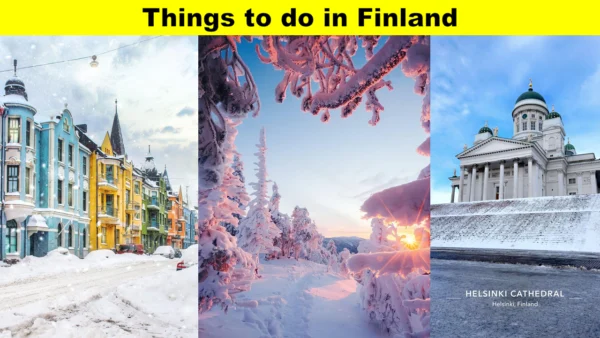
Things to do in Finland based on NeemTime research from most popular to just popular.
Santa Claus Village, Finland
Overview: Santa Claus Village is a Christmas-themed attraction in Rovaniemi located on the Arctic Circle where visitors can meet Santa Claus year-round.
History: It was developed to promote Finnish Lapland tourism and the global “Santa Claus” cultural identity.
Since when: The village began attracting visitors in the 1980s and has grown into a major winter tourism hub.
Review: Visitors love its festive atmosphere, Santa meetings, and Arctic Circle experience, though it can be crowded and commercialized in peak winter.
When to go: The best time is December to March for snow experiences and Christmas ambiance.
How to go: It is located near Rovaniemi Airport and is accessible by flight, train, or car from Helsinki.
What to do: Visitors can meet Santa, cross the Arctic Circle, visit gift shops, and enjoy winter activities.
Free or Paid: Entry is free, but activities and photos are paid.
Helsinki Market Square, Finland
Overview: Helsinki Market Square is a vibrant waterfront market in Helsinki offering local food, crafts, and ferry access to nearby islands.
History: It has historically served as a central trading hub for fishermen, farmers, and merchants in Helsinki.
Since when: The market has existed since the 19th century and remains an active public marketplace today.
Review: Visitors enjoy its lively atmosphere, fresh food stalls, and harbor views, though prices can be higher in tourist season.
When to go: The best time is late spring to early autumn when outdoor stalls are fully open.
How to go: It is located in central Helsinki and is easily accessible by tram, bus, or walking.
What to do: Visitors can shop for local food, try Finnish delicacies, and take ferry rides to nearby islands.
Free or Paid: Free to enter, purchases are paid.
Linnanmäki, Finland
Overview: Linnanmäki is a popular amusement park in Helsinki featuring roller coasters, rides, games, and entertainment attractions.
History: It was founded by a children’s welfare organization to raise funds for social causes through entertainment.
Since when: The park has been operating since 1950 and remains Finland’s oldest amusement park.
Review: Visitors enjoy its fun rides, free entry concept, and family-friendly atmosphere, though ride queues can be long in summer.
When to go: The best time is June to August when all rides and attractions are fully open.
How to go: It is located in central Helsinki and is accessible by tram and bus.
What to do: Visitors can ride roller coasters, play games, and enjoy food stalls and events.
Free or Paid: Entry is free, but rides are paid.
Suomenlinna, Finland
Overview: Suomenlinna Sea Fortress is a UNESCO World Heritage sea fortress in Helsinki spread across several islands with museums, tunnels, and coastal views.
History: It was built by Sweden in the 18th century to protect against Russian expansion in the Baltic Sea.
Since when: Construction began in 1748, and it later became part of Finnish heritage after independence.
Review: Visitors praise its scenic beauty, historical significance, and peaceful walking paths, though ferry travel is required.
When to go: The best time is late spring to early autumn for pleasant weather and ferry access.
How to go: It is reached by a short ferry ride from Helsinki Market Square.
What to do: Visitors can explore fort walls, museums, tunnels, and picnic areas.
Free or Paid: Entry is free, but ferry and museums are paid.
Senate Square, Finland
Overview: Senate Square is a historic neoclassical square in Helsinki surrounded by iconic landmarks such as Helsinki Cathedral and government buildings.
History: It was designed in the 19th century during Russian rule as the administrative and cultural center of Helsinki.
Since when: The square was completed in the early 1800s and remains one of the city’s main public spaces.
Review: Visitors appreciate its architectural beauty and cultural importance, though it is mainly an open public square with limited activities.
When to go: The best time is year-round, especially during festivals and Christmas markets.
How to go: It is located in central Helsinki and is easily accessible by tram, bus, or walking.
What to do: Visitors can admire architecture, attend events, and explore nearby cathedral and cafés.
Free or Paid: Free.
Esplanadi, Finland
Overview: Esplanadi Park is a central urban park in Helsinki known for its tree-lined promenade, cafés, street performances, and cultural atmosphere.
History: It was designed as part of Helsinki’s 19th-century city planning to create a stylish public promenade for citizens and visitors.
Since when: The park was established in 1818 and has remained a key social gathering space ever since.
Review: Visitors enjoy its relaxing vibe, live performances, and central location, though it can become crowded during summer events.
When to go: The best time is late spring to early autumn when outdoor cafés and performances are active.
How to go: It is located in central Helsinki and is easily reachable by tram, bus, or walking from major landmarks.
What to do: Visitors can stroll, enjoy live music, sit in cafés, and relax in a green urban setting.
Free or Paid: Free.
Helsinki Cathedral, Finland
Overview: Helsinki Cathedral is a iconic white neoclassical cathedral in Helsinki dominating Senate Square with its green domes and grand staircase.
History: It was built as a tribute to Grand Duke Nicholas I of Russia when Finland was under Russian rule.
Since when: The cathedral was completed in 1852 and remains one of Finland’s most recognizable landmarks.
Review: Visitors admire its striking architecture and panoramic views, though the interior is relatively simple compared to its exterior grandeur.
When to go: The best time is year-round, especially in summer for outdoor photography and winter for snowy scenery.
How to go: It is located at Senate Square and is easily accessible by tram or walking in central Helsinki.
What to do: Visitors can explore the cathedral interior, climb nearby steps, and enjoy city views.
Free or Paid: Free.
Turku Castle, Finland
Overview: Turku Castle is a medieval fortress in Turku offering exhibitions on Finnish history, royal life, and medieval architecture.
History: It was built as a military stronghold during Sweden’s rule over Finland to defend the southwestern coast.
Since when: Construction began in the late 13th century and it remains one of Finland’s oldest surviving buildings.
Review: Visitors enjoy its immersive medieval exhibits and restored chambers, though some areas involve extensive walking.
When to go: The best time is summer when all exhibitions and guided tours are fully available.
How to go: It is located near Turku city center and is accessible by bus, taxi, or walking.
What to do: Visitors can explore dungeons, royal halls, and historical exhibitions.
Free or Paid: Entry is paid.
Temppeliaukio Church, Finland
Overview: Temppeliaukio Church is a unique rock-hewn Lutheran church in Helsinki known for its natural granite walls and copper dome architecture.
History: It was designed by architects Timo and Tuomo Suomalainen as part of modern Finnish architectural innovation.
Since when: The church was completed and opened to the public in 1969.
Review: Visitors admire its acoustics, peaceful atmosphere, and unique design, though it can be crowded during concerts.
When to go: The best time is weekday mornings or non-concert hours for a quieter experience.
How to go: It is located in central Helsinki and is accessible by tram, bus, or walking.
What to do: Visitors can explore the interior, attend concerts, and appreciate architectural design.
Free or Paid: Entry is paid (small fee for visitors, services may vary).
Sea Fortress Suomenlinna, Finland
Overview: Suomenlinna Sea Fortress is a UNESCO World Heritage fortress spread across islands in Helsinki featuring museums, tunnels, and coastal walking paths.
History: It was built by Sweden in the 18th century to protect against Russian naval expansion in the Baltic Sea.
Since when: Construction began in 1748, and it remains a historic military and cultural site today.
Review: Visitors love its scenic island atmosphere and historical depth, though ferry travel is required to reach it.
When to go: The best time is late spring to early autumn for pleasant weather and full museum access.
How to go: It is reached by ferry from Helsinki Market Square.
What to do: Visitors can explore fort walls, museums, tunnels, and enjoy island walking routes.
Free or Paid: Entry is free, but ferry and museum visits may be paid.
Sibelius Monument, Finland
Overview: Sibelius Monument is an abstract steel sculpture in Helsinki dedicated to composer Jean Sibelius, designed to resemble organ pipes in a flowing artistic form.
History: It was created to honor Finland’s most famous classical composer and reflects modern Finnish artistic identity.
Since when: The monument was unveiled in 1967 shortly after Sibelius’s death.
Review: Visitors appreciate its unique design and peaceful park setting, though some find it abstract and minimal compared to traditional monuments.
When to go: The best time is late spring to early autumn when the surrounding park is green and pleasant.
How to go: It is located in Sibelius Park in Helsinki and is easily reachable by tram, bus, or walking.
What to do: Visitors can take photos, walk in the park, and reflect on Finnish music heritage.
Free or Paid: Free.
Viking Line, Suomen osasto, Finland
Overview: Viking Line operates passenger ferry services in Finland connecting Helsinki with Sweden and Estonia across the Baltic Sea.
History: It was established to support regional maritime travel and tourism across Nordic countries.
Since when: Viking Line has been operating since 1959 and remains a major Baltic ferry operator.
Review: Travelers enjoy its comfortable ships, duty-free shopping, and scenic sea routes, though journeys can be long depending on destination.
When to go: The best time is year-round, with summer offering smoother seas and better visibility.
How to go: Ferries depart from Helsinki Port and other Baltic terminals depending on the route.
What to do: Passengers can travel between countries, shop onboard, dine, and enjoy sea views.
Free or Paid: Paid service.
Ranua Zoo, Finland
Overview: Ranua Wildlife Park is a northern wildlife park in Finland specializing in Arctic animals such as polar bears, lynxes, and reindeer.
History: It was developed to showcase Arctic wildlife in natural-like forest environments for education and conservation.
Since when: The zoo opened in 1983 and has become a key Lapland tourist attraction.
Review: Visitors love its natural forest enclosures and rare Arctic species, though winter conditions can be extremely cold.
When to go: The best time is winter for snow scenery and summer for easier walking conditions.
How to go: It is located in Ranua and is accessible by car or guided tours from Rovaniemi.
What to do: Visitors can see Arctic animals, explore walking trails, and visit educational exhibits.
Free or Paid: Entry is paid.
Löyly Helsinki, Finland
Overview: Löyly Helsinki is a modern seaside sauna and restaurant in Helsinki combining traditional Finnish sauna culture with contemporary architecture and dining.
History: It was built as part of Helsinki’s waterfront redevelopment to promote Finnish sauna heritage globally.
Since when: Löyly opened in 2016 and quickly became an iconic design and wellness destination.
Review: Visitors praise its sea-view saunas, relaxing atmosphere, and stylish design, though booking is often required in advance.
When to go: The best time is winter for ice swimming experiences or summer for sunset sauna sessions.
How to go: It is located in Hernesaari and is accessible by tram, taxi, or bicycle from central Helsinki.
What to do: Visitors can enjoy sauna bathing, swim in the Baltic Sea, and dine at the restaurant.
Free or Paid: Paid experience.
SEA LIFE Helsinki, Finland
Overview: SEA LIFE Helsinki is an interactive aquarium in Helsinki showcasing marine life through tunnels, tanks, and educational exhibits.
History: It was created as part of the global SEA LIFE network to promote marine education and conservation awareness.
Since when: The aquarium has been operating since 2002 in Helsinki’s Linnanmäki amusement park area.
Review: Visitors enjoy its family-friendly exhibits and underwater tunnel, though it is smaller compared to large international aquariums.
When to go: The best time is weekdays or mornings to avoid school groups and weekend crowds.
How to go: It is located next to Linnanmäki and is easily accessible by tram and bus.
What to do: Visitors can explore marine exhibits, walk through tunnels, and attend feeding sessions.
Free or Paid: Entry is paid.
Ähtäri Zoo, Finland
Overview: Ähtäri Zoo is a large natural-style wildlife park in Finland known for spacious forest enclosures featuring bears, lynxes, wolves, and pandas.
History: It was created to promote wildlife conservation and provide animals with habitats that closely resemble Finnish wilderness conditions.
Since when: The zoo opened in 1973 and has since expanded into one of Finland’s major wildlife attractions.
Review: Visitors appreciate its natural forest setting and animal welfare focus, though walking distances between enclosures can be long.
When to go: The best time is summer for active animals and easy walking conditions, while winter offers a snowy Arctic experience.
How to go: It is located in Ähtäri and is reachable by car or train with a short transfer from nearby stations.
What to do: Visitors can see Arctic animals, walk forest trails, and visit the panda house.
Free or Paid: Paid entry.
Museokeskus Vapriikki, Finland
Overview: Vapriikki Museum Centre is a multifunctional museum complex in Tampere featuring exhibitions on history, natural sciences, games, and technology.
History: It was developed in a former industrial factory building as part of Tampere’s cultural redevelopment.
Since when: The museum center opened in 1996 and has grown into one of Finland’s most diverse museum hubs.
Review: Visitors enjoy its variety of exhibitions and interactive displays, though it requires several hours to fully explore.
When to go: The best time is year-round, especially on rainy or cold days when indoor attractions are ideal.
How to go: It is located in central Tampere and is accessible by tram, bus, or walking.
What to do: Visitors can explore history museums, game exhibitions, and science displays.
Free or Paid: Entry is paid (often bundled exhibitions).
Koli National Park, Finland
Overview: Koli National Park is a scenic natural park in Finland famous for its forested hills, lake views, and iconic Finnish landscapes.
History: It has long been a cultural symbol in Finnish art and national identity, inspiring painters and writers.
Since when: The area was designated a national park in 1991 to preserve its natural and cultural heritage.
Review: Visitors love its breathtaking viewpoints and hiking trails, though weather conditions can change quickly.
When to go: The best time is summer for hiking and autumn for colorful foliage or winter for snowy landscapes.
How to go: It is located near Lieksa and is accessible by car or train plus bus transfer.
What to do: Visitors can hike trails, view Lake Pielinen, and explore observation points.
Free or Paid: Free entry to the park (some services may be paid).
Suomen Kansallismuseo, Finland
Overview: Finnish National Museum is a major history museum in Helsinki showcasing Finnish cultural heritage from prehistoric times to modern independence.
History: It was established to preserve and present Finland’s national history and archaeological discoveries.
Since when: The museum opened in 1916 and remains the country’s central historical institution.
Review: Visitors appreciate its rich collections and storytelling exhibitions, though some areas may feel traditional compared to modern interactive museums.
When to go: The best time is weekday mornings or off-season periods to avoid school groups.
How to go: It is located in central Helsinki and is accessible by tram or walking.
What to do: Visitors can explore artifacts, historical exhibits, and Finnish cultural displays.
Free or Paid: Entry is paid.
Sibelius Park, Finland
Overview: Sibelius Park is a peaceful urban park in Helsinki best known for housing the Sibelius Monument and its green seaside surroundings.
History: It was developed as part of Helsinki’s public park system and later became famous due to the installation of the Sibelius Monument.
Since when: The park area has existed since the early 20th century and became internationally known after 1967.
Review: Visitors enjoy its calm atmosphere and artistic landmark, though it is relatively small compared to larger city parks.
When to go: The best time is spring and summer for greenery and photography.
How to go: It is located in the Töölö district and is accessible by tram, bus, or walking.
What to do: Visitors can relax, take photos of the monument, and enjoy seaside walks.
Free or Paid: Free.
Nuuksio National Park, Finland
Overview: Nuuksio National Park is a forested wilderness area in southern Finland known for lakes, hiking trails, and the possibility of spotting rare wildlife like the Siberian flying squirrel.
History: It was established to protect Finland’s natural forest ecosystems near the capital region and preserve traditional lakeland landscapes.
Since when: The park was officially founded in 1994 as part of Finland’s national park conservation system.
Review: Visitors love its peaceful nature, easy hiking access from Helsinki, and scenic lakes, though some trails can be muddy after rain.
When to go: The best time is late spring to early autumn for hiking and berry picking, while winter offers snowshoeing experiences.
How to go: It is located near Espoo and is accessible by train to Espoo followed by bus connections to park entrances.
What to do: Visitors can hike forest trails, kayak on lakes, camp, and explore nature viewpoints.
Free or Paid: Free entry (guided services may be paid).
Särkänniemi, Finland
Overview: Särkänniemi Adventure Park is a multi-attraction entertainment complex in Tampere featuring rides, an aquarium, planetarium, and observation tower.
History: It was developed to provide a family-friendly leisure destination combining education and entertainment.
Since when: The park opened in 1975 and has since expanded into one of Finland’s top amusement destinations.
Review: Visitors enjoy its variety of attractions and lake views, though some rides may be seasonal or weather-dependent.
When to go: The best time is summer when all rides and outdoor attractions are open.
How to go: It is located near central Tampere and is accessible by bus, tram, or walking.
What to do: Visitors can ride roller coasters, visit the aquarium, and enjoy panoramic city views.
Free or Paid: Entry is partially free, but attractions require paid tickets.
Old Rauma, Finland
Overview: Old Rauma is a UNESCO World Heritage wooden town in Finland known for its colorful wooden houses, cobblestone streets, and artisan shops.
History: It developed as a medieval trading town and has preserved its unique wooden architecture through centuries.
Since when: The town dates back to the 15th century and remains one of the best-preserved wooden towns in the Nordic region.
Review: Visitors love its charming atmosphere and historical authenticity, though parking can be limited in the old town center.
When to go: The best time is summer when shops and cafés are fully open and weather is pleasant.
How to go: It is located in southwestern Finland and is accessible by car or bus from Turku or Helsinki.
What to do: Visitors can walk historic streets, shop handicrafts, and explore museums.
Free or Paid: Free to explore (museums may be paid).
Puijo Tower, Finland
Overview: Puijo Tower is an observation tower in Kuopio offering panoramic views of lakes, forests, and the Finnish Lakeland region.
History: It was built to promote tourism and provide a viewing point over the surrounding natural landscape.
Since when: The current tower was completed in 1963, replacing earlier versions dating back to the 19th century.
Review: Visitors enjoy its stunning views and rotating restaurant, though visibility depends on weather conditions.
When to go: The best time is clear days in summer or autumn for maximum visibility.
How to go: It is located on Puijo Hill and is accessible by car, bus, or hiking trails from Kuopio.
What to do: Visitors can enjoy panoramic views, dine in the tower restaurant, and hike nearby trails.
Free or Paid: Entry is paid for the tower observation deck.
Moomin World, Finland
Overview: Moomin World is a family theme park in Finland based on the beloved Moomin characters created by Tove Jansson.
History: It was created to bring the Moomin stories to life through interactive environments and performances.
Since when: The park opened in 1993 on an island near Naantali.
Review: Visitors especially families love its magical storytelling atmosphere, though it primarily targets younger children.
When to go: The best time is summer when all characters, shows, and activities are available.
How to go: It is located near Turku and is accessible by car or bus with a short walk or ferry connection.
What to do: Visitors can meet Moomin characters, watch shows, and explore themed houses.
Free or Paid: Paid entry.
Näsinneula, Finland
Overview: Näsinneula Tower is an iconic observation tower in Tampere offering panoramic views of lakes, forests, and the city skyline.
History: It was built as part of the Särkänniemi leisure complex to enhance tourism and provide a landmark viewing experience over the region.
Since when: The tower was completed in 1971 and has since become one of the tallest observation towers in the Nordic region.
Review: Visitors appreciate its breathtaking views and revolving restaurant, though visibility depends heavily on weather conditions.
When to go: The best time is clear summer or autumn days when visibility over Lake Näsijärvi is at its best.
How to go: It is located within Särkänniemi Park and is easily accessible by bus or a short walk from central Tampere.
What to do: Visitors can enjoy panoramic viewing, dine in the rotating restaurant, and explore the surrounding amusement park.
Free or Paid: Paid entry for observation deck access.
Spa & Resort Peurunka, Finland
Overview: Spa & Resort Peurunka is a large wellness and holiday resort in Finland featuring spa facilities, water parks, sports activities, and lakefront relaxation.
History: It was developed to promote health tourism and recreational wellness experiences in central Finland.
Since when: The resort began operations in the 1970s and has expanded into a major spa destination.
Review: Visitors enjoy its wide range of pools and family-friendly activities, though some facilities are dated in certain sections.
When to go: The best time is year-round, especially winter for indoor spa relaxation and summer for lake activities.
How to go: It is located in Laukaa near Jyväskylä and is accessible by car or bus.
What to do: Visitors can swim in spa pools, enjoy treatments, and participate in sports and outdoor activities.
Free or Paid: Paid entry and accommodation.
Santa Claus Holiday Village, Finland
Overview: Santa Claus Holiday Village is a Christmas-themed resort in Rovaniemi located directly on the Arctic Circle offering cabins, Santa experiences, and winter activities.
History: It was created to expand Arctic tourism by combining accommodation with Santa Claus experiences in Lapland.
Since when: The village began operations in the early 2000s as tourism in Rovaniemi rapidly grew.
Review: Visitors love its festive atmosphere and convenient Santa experiences, though it can be expensive during peak season.
When to go: The best time is December to March for snow activities and full Christmas ambiance.
How to go: It is located near Rovaniemi Airport and is accessible by taxi, bus, or transfer services.
What to do: Visitors can meet Santa, cross the Arctic Circle, and enjoy winter activities like husky rides.
Free or Paid: Entry is free, but services and activities are paid.
Old Market Hall, Finland
Overview: Old Market Hall Helsinki is a historic indoor food market in Helsinki offering Finnish delicacies, seafood, and artisanal products.
History: It was built to centralize food trade and improve hygiene standards in Helsinki’s marketplace system.
Since when: The hall has been operating since 1889 and remains one of the city’s oldest markets.
Review: Visitors enjoy its authentic food stalls and cozy atmosphere, though prices are slightly higher due to its tourist popularity.
When to go: The best time is lunchtime or early afternoon for fresh food experiences.
How to go: It is located near the harbor and is easily accessible by tram or walking from central Helsinki.
What to do: Visitors can taste Finnish dishes, buy local products, and enjoy indoor market culture.
Free or Paid: Free entry (food and purchases are paid).
Tykkimäki, Finland
Overview: Tykkimäki Amusement Park is a family-friendly amusement park in Finland featuring rides, water attractions, and entertainment zones.
History: It was established to provide recreational activities and support regional tourism in southeastern Finland.
Since when: The park opened in 1986 and has grown into one of Finland’s popular summer attractions.
Review: Visitors enjoy its fun rides and relaxed atmosphere, though it is smaller compared to larger European amusement parks.
When to go: The best time is June to August when all rides and water attractions are open.
How to go: It is located in Kouvola and is accessible by train and bus connections from Helsinki.
What to do: Visitors can enjoy roller coasters, water slides, and family entertainment activities.
Free or Paid: Entry is paid.