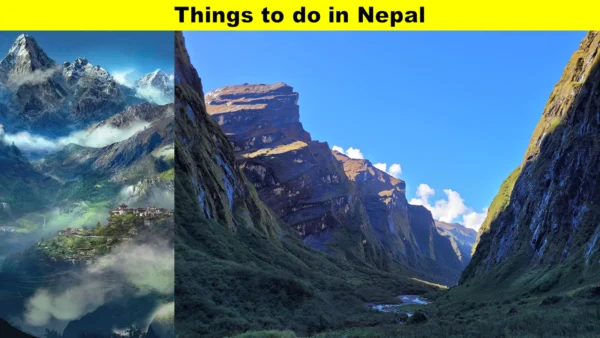
Things to do in Nepal based on NeemTime research from most popular to just popular.
Kathmandu Durbar Square, Nepal
Overview: Kathmandu Durbar Square is a UNESCO World Heritage royal palace complex in Kathmandu featuring temples, courtyards, and historic Newar architecture at the heart of the old city.
History: It served as the royal residence of the Malla and later Shah kings and became a key political and cultural center of Nepal for centuries.
Since when: The earliest structures date back to the 12th–18th centuries, with major expansion under the Malla dynasty.
Review: Visitors admire its intricate wood carvings, living heritage atmosphere, and cultural richness, though some areas were damaged in the 2015 earthquake.
When to go: The best time to visit is October to March when weather is clear and suitable for walking and sightseeing.
How to go: It is located in central Kathmandu and is accessible by taxi, rickshaw, or walking from Thamel.
What to do: Visitors can explore temples, museums, courtyards, and observe traditional rituals and architecture.
Free or Paid: Entry is paid for foreign visitors, with fees contributing to heritage preservation.
Patan Durbar Square, Nepal
Overview: Patan Durbar Square is a historic palace square in Lalitpur known for exquisite Newar craftsmanship, temples, and the former royal palace complex.
History: It was the royal residence of the Malla kings of Patan and a major center of art, culture, and religion.
Since when: The square developed significantly between the 16th and 18th centuries during the Malla era.
Review: Visitors praise its detailed stone and wood carvings, peaceful courtyards, and museum exhibits, making it less crowded than Kathmandu Durbar Square.
When to go: The best time to visit is autumn and spring when weather is pleasant and visibility is clear.
How to go: It is located in Lalitpur and is easily reached by taxi or local transport from Kathmandu.
What to do: Visitors can explore temples, courtyards, Patan Museum, and traditional artisan workshops.
Free or Paid: Entry is paid for foreign visitors.
Bhaktapur Durbar Square, Nepal
Overview: Bhaktapur Durbar Square is a well-preserved medieval royal square in Bhaktapur showcasing ancient temples, palaces, and traditional Newari city life.
History: It was the seat of the Bhaktapur kingdom during the Malla period and a major hub of culture and trade.
Since when: The square’s main structures were built between the 12th and 18th centuries.
Review: Visitors love its authentic medieval atmosphere, fewer modern distractions, and rich cultural heritage, though entry fees are higher than other squares.
When to go: The best time to visit is early morning or late afternoon in the dry season for ideal photography.
How to go: It is located in Bhaktapur city and is accessible by bus, taxi, or private car from Kathmandu.
What to do: Visitors can explore temples, courtyards, pottery square, and traditional Newari streets.
Free or Paid: Entry is paid for foreign visitors.
Buddha Stupa, Nepal
Overview: Boudhanath Stupa is one of the largest Buddhist stupas in Nepal located in Kathmandu and serves as a major pilgrimage site for Tibetan Buddhism.
History: It was built to enshrine relics of the Buddha and became a key center for Tibetan Buddhist culture in Nepal.
Since when: The stupa dates back to around the 5th century CE and was rebuilt several times over history.
Review: Visitors appreciate its peaceful spiritual atmosphere, prayer wheel rituals, and vibrant monasteries surrounding it.
When to go: The best time to visit is morning or evening when monks and pilgrims perform rituals.
How to go: It is located in Boudha area of Kathmandu and is accessible by taxi or local bus.
What to do: Visitors can walk around the stupa, spin prayer wheels, visit monasteries, and observe Buddhist rituals.
Free or Paid: Entry is paid for foreign visitors.
Devi’s Fall Pokhara, Nepal
Overview: Devi’s Fall is a dramatic underground waterfall in Pokhara where water disappears into a deep tunnel system creating a unique natural attraction.
History: It is named after a Swiss tourist who tragically fell into the waterfall’s underground tunnel in the 1960s.
Since when: The site became a recognized tourist attraction from the mid-20th century onward as Pokhara tourism developed.
Review: Visitors enjoy its powerful water flow and geological uniqueness, though viewing areas are relatively small.
When to go: The best time to visit is during monsoon and post-monsoon seasons when water flow is strongest.
How to go: It is located in Pokhara and is easily accessible by taxi, scooter, or local bus from Lakeside.
What to do: Visitors can view the waterfall, explore nearby caves, and take photographs.
Free or Paid: Entry is paid.
Swayambhu Mahachaitya, Nepal
Overview: Swayambhunath Stupa is an ancient hilltop Buddhist stupa in Kathmandu famous for its monkey population, panoramic valley views, and sacred religious significance.
History: It is one of Nepal’s oldest religious sites, blending Buddhist and Hindu traditions over centuries of worship and pilgrimage.
Since when: The origins are believed to date back over 1,500 years, with major development during the Licchavi period.
Review: Visitors admire its spiritual atmosphere, sweeping views of Kathmandu Valley, and cultural symbolism, though climbing stairs can be tiring.
When to go: The best time to visit is early morning or sunset for cooler weather and beautiful light conditions.
How to go: It is located on a hill west of Kathmandu and is accessible by taxi followed by a short uphill walk or stair climb.
What to do: Visitors can explore stupas, spin prayer wheels, watch rituals, and enjoy panoramic photography of the city.
Free or Paid: Entry is paid for foreign visitors.
Ratna Park, Nepal
Overview: Ratna Park is a central urban park in Kathmandu serving as a public green space and major transport hub surrounded by busy city life.
History: It was developed during the monarchy period and named after Queen Ratna of Nepal as a recreational area for the public.
Since when: The park has existed since the mid-20th century as part of Kathmandu’s urban development.
Review: Visitors see it as lively but crowded, offering local daily life views rather than a tourist-focused experience.
When to go: The best time to visit is early morning or late afternoon for a calmer atmosphere.
How to go: It is located in central Kathmandu and is easily accessible by bus, taxi, or walking from major city areas.
What to do: Visitors can relax, observe local life, and use it as a transit point for city travel.
Free or Paid: Entry is free.
Garden of Dreams, Nepal
Overview: Garden of Dreams is a restored neoclassical garden in Kathmandu featuring fountains, pavilions, and peaceful landscaped greenery.
History: It was originally built in the early 20th century by Kaiser Shumsher Rana as a private garden inspired by European design.
Since when: The garden was constructed around 1920 and later restored for public access in the early 2000s.
Review: Visitors appreciate its calm atmosphere, clean design, and romantic setting, though it is relatively small.
When to go: The best time to visit is morning or late afternoon for quiet relaxation.
How to go: It is located near Thamel in Kathmandu and is accessible by walking or taxi.
What to do: Visitors can relax, read, take photos, and enjoy café facilities inside the garden.
Free or Paid: Entry is paid.
Chandragiri Cable Car Top Station, Nepal
Overview: Chandragiri Cable Car is a scenic cable car system in Kathmandu leading to Chandragiri Hills offering panoramic Himalayan and valley views.
History: It was developed to promote religious tourism and provide easier access to Chandragiri Hill and its temple.
Since when: The cable car has been operational since 2016 as a modern tourism infrastructure project.
Review: Visitors praise the stunning views of the Himalayas, smooth ride, and well-maintained facilities, though it can be crowded on weekends.
When to go: The best time to visit is October to March for clear mountain visibility.
How to go: It is located in Thankot area and is accessible by taxi or private vehicle from Kathmandu.
What to do: Visitors can ride the cable car, visit the Bhaleshwor Mahadev Temple, and enjoy panoramic viewpoints.
Free or Paid: Cable car ride and access are paid.
Manakamana Temple, Nepal
Overview: Manakamana Temple is a sacred Hindu temple in Gandaki Province dedicated to Goddess Bhagwati, believed to fulfill devotees’ wishes.
History: The temple is rooted in ancient Hindu traditions and became a major pilgrimage site after being associated with royal and local devotion.
Since when: It has been an important pilgrimage site since at least the 17th century.
Review: Visitors value its spiritual significance, scenic hilltop location, and peaceful environment, though reaching it involves a cable car or hike.
When to go: The best time to visit is during festivals like Dashain or in spring and autumn for pleasant weather.
How to go: It is accessible via cable car from Kurintar followed by a short uphill walk to the temple.
What to do: Visitors can offer prayers, observe rituals, enjoy mountain views, and experience local culture.
Free or Paid: Cable car ride is paid, temple entry is free.
Central Zoo, Nepal
Overview: Central Zoo is Nepal’s only official zoo located in Lalitpur featuring native and exotic animals, a lake, and family-friendly recreational spaces.
History: It originated as a private zoo in the early 20th century under Rana rulers and was later converted into a public institution managed by the government.
Since when: It has been open to the public since the mid-20th century and remains the country’s main zoological park.
Review: Visitors enjoy its variety of animals and boating lake, though some facilities are considered dated compared to modern international zoos.
When to go: The best time to visit is winter or spring when animals are more active and weather is comfortable for walking.
How to go: It is located in Jawalakhel, Lalitpur and is easily accessible by taxi or local bus from Kathmandu.
What to do: Visitors can view animals, enjoy boating, walk around gardens, and spend time in family picnic areas.
Free or Paid: Entry is paid.
Boudhanath Stupa, Nepal
Overview: Boudhanath Stupa is one of the largest spherical stupas in the world located in Kathmandu and serves as a major center of Tibetan Buddhist worship.
History: It was built to enshrine sacred relics of Buddha and later became a focal point for Tibetan refugee communities in Nepal.
Since when: The stupa dates back to around the 5th century CE with major restorations after historical damages.
Review: Visitors praise its spiritual ambiance, prayer rituals, and vibrant monasteries surrounding the stupa, especially at sunset.
When to go: The best time to visit is early morning or evening when monks perform kora (circumambulation) rituals.
How to go: It is located in Boudha, Kathmandu and is accessible by taxi or local transport from major city areas.
What to do: Visitors can walk around the stupa, spin prayer wheels, visit monasteries, and observe Buddhist ceremonies.
Free or Paid: Entry is paid for foreign visitors.
Swayambhu Buddha Park – Ring Road, Nepal
Overview: Swayambhu Buddha Park is a peaceful green area near Ring Road in Kathmandu offering views of Swayambhunath hill and a quiet environment for relaxation.
History: It was developed as a modern urban park to complement nearby religious and cultural landmarks in Kathmandu.
Since when: The park has existed since the late 20th century as part of city beautification efforts.
Review: Visitors appreciate its calm environment and views of the stupa hill, though it is less developed than major tourist parks.
When to go: The best time to visit is morning or evening for cooler temperatures and fewer crowds.
How to go: It is located along Ring Road and is accessible by taxi, bus, or walking from nearby areas.
What to do: Visitors can walk, relax, enjoy views, and take photographs of Swayambhunath surroundings.
Free or Paid: Entry is generally free.
World Peace Pagoda, Pokhara, Nepal
Overview: World Peace Pagoda is a white Buddhist stupa located on a hill above Pokhara offering panoramic views of Phewa Lake, mountains, and the city.
History: It was built by Japanese Buddhist monks to promote global peace and harmony after World War II.
Since when: Construction began in the 1970s and the pagoda was completed in the early 21st century.
Review: Visitors love its serene atmosphere, breathtaking views, and peaceful trekking experience, though reaching it requires a hike or drive.
When to go: The best time to visit is October to April when skies are clear and mountain views are visible.
How to go: It is accessible by boat across Phewa Lake followed by a hike or by road via taxi and walking.
What to do: Visitors can meditate, enjoy views, hike trails, and explore the stupa surroundings.
Free or Paid: Entry is free.
Chitwan National Park, Nepal
Overview: Chitwan National Park is Nepal’s first national park in Bagmati Province known for dense jungles, rhinos, tigers, elephants, and rich biodiversity.
History: It was established to protect endangered wildlife and conserve the unique Terai ecosystem of Nepal.
Since when: The park was officially established in 1973 as Nepal’s first protected national park.
Review: Visitors highly praise its jungle safaris, wildlife sightings, and cultural Tharu experiences, though guided tours are essential for safety.
When to go: The best time to visit is October to March for wildlife viewing and pleasant weather.
How to go: It is accessible from Kathmandu or Pokhara via bus, private vehicle, or domestic flight to Bharatpur followed by road travel.
What to do: Visitors can enjoy jungle safaris, elephant watching, canoe rides, bird watching, and cultural village tours.
Free or Paid: Entry and safari activities are paid.
Swayambhunath, Nepal
Overview: Swayambhunath Stupa is a sacred hilltop Buddhist complex in Kathmandu known for its iconic “Monkey Temple,” prayer flags, and panoramic views of the Kathmandu Valley.
History: It is one of the oldest religious sites in Nepal, blending Buddhist and Hindu traditions and serving as a major pilgrimage center for centuries.
Since when: The origins are believed to date back more than 1,500 years, with significant development during the Licchavi period.
Review: Visitors appreciate its spiritual atmosphere, cultural richness, and scenic views, though the climb of many stairs can be physically demanding.
When to go: The best time to visit is early morning or sunset for cooler weather and beautiful lighting over the valley.
How to go: It is located west of central Kathmandu and is accessible by taxi or a short uphill walk from nearby roads.
What to do: Visitors can explore stupas, spin prayer wheels, observe rituals, and enjoy panoramic photography.
Free or Paid: Entry is paid for foreign visitors.
Shivapuri Nagarjun National Park, Nepal
Overview: Shivapuri Nagarjun National Park is a protected forest reserve on the northern edge of Kathmandu offering hiking trails, biodiversity, and Himalayan viewpoints.
History: It was established to protect the watershed and forest ecosystem surrounding Kathmandu Valley.
Since when: The park was officially declared in 2002 as a protected national park.
Review: Visitors enjoy its peaceful trekking routes, birdlife, and natural environment, though permits are required for entry.
When to go: The best time to visit is October to April when trails are dry and visibility is clear.
How to go: It is accessible from Budhanilkantha or Sundarijal by taxi followed by park entry and hiking.
What to do: Visitors can hike, birdwatch, explore forests, and enjoy mountain viewpoints.
Free or Paid: Entry is paid with permit requirements.
Ason Bazar, Nepal
Overview: Asan Bazaar is a bustling traditional marketplace in Kathmandu known for spices, textiles, handicrafts, and vibrant local street life.
History: It has served as a major trade hub for centuries along ancient trading routes connecting Tibet and India.
Since when: The bazaar has existed for several hundred years as one of Kathmandu’s oldest commercial centers.
Review: Visitors enjoy its authentic atmosphere and cultural chaos, though it can be very crowded and narrow.
When to go: The best time to visit is early morning for wholesale activity or late afternoon for vibrant street life.
How to go: It is located in central Kathmandu and is easily accessible by walking or short taxi rides.
What to do: Visitors can shop for spices, souvenirs, textiles, and experience local daily commerce.
Free or Paid: Entry is free.
Thamel, Nepal
Overview: Thamel is Kathmandu’s main tourist district in Kathmandu known for hotels, restaurants, trekking shops, nightlife, and vibrant street culture.
History: It developed as a tourist hub in the 1970s during the rise of Nepal’s trekking and mountaineering industry.
Since when: Thamel has been a major tourist center since the late 20th century.
Review: Visitors love its energy, variety of services, and convenience, though it can feel crowded and noisy.
When to go: The best time to visit is evening for nightlife or daytime for shopping and travel arrangements.
How to go: It is centrally located in Kathmandu and accessible by taxi or walking from nearby areas.
What to do: Visitors can shop, dine, book treks, enjoy music bars, and explore local culture.
Free or Paid: Entry is free, but shopping and services are paid.
Narayanhiti Palace Museum, Nepal
Overview: Narayanhiti Palace Museum is a former royal palace in Kathmandu now converted into a museum showcasing Nepal’s monarchy history and royal artifacts.
History: It served as the residence of Nepal’s kings until the monarchy was abolished in 2008 following political transformation.
Since when: The palace was built in the 1960s and opened as a museum in 2009.
Review: Visitors find it historically fascinating and well-preserved, though photography restrictions apply inside.
When to go: The best time to visit is morning hours on weekdays to avoid crowds.
How to go: It is located in central Kathmandu and is accessible by taxi or walking from Durbar Marg.
What to do: Visitors can explore royal rooms, exhibits, artifacts, and learn about Nepal’s monarchy history.
Free or Paid: Entry is paid.
Mahendra Cave, Nepal
Overview: Mahendra Cave is a natural limestone cave in Pokhara known for its dark chambers, stalactites, and religious shrine inside.
History: It was named after King Mahendra after its exploration and development as a tourist attraction in the mid-20th century.
Since when: The cave became a recognized tourist site in the 1950s–1960s following its discovery and promotion.
Review: Visitors find it adventurous and unique but note that it can be slippery, dark, and requires careful movement inside.
When to go: The best time to visit is during daytime in dry seasons when paths are safer and less slippery.
How to go: It is located in Batulechaur, Pokhara and can be reached by taxi, scooter, or local bus from Lakeside.
What to do: Visitors can explore cave chambers, see rock formations, and visit the small shrine inside.
Free or Paid: Entry is paid.
Pashupatinath Temple, Nepal
Overview: Pashupatinath Temple is a sacred Hindu temple complex in Kathmandu dedicated to Lord Shiva and one of the most important pilgrimage sites for Hindus worldwide.
History: It has been a major Shiva temple complex for centuries and was rebuilt and expanded by various rulers over time.
Since when: The temple’s origins date back to at least the 5th century CE with continuous religious significance since then.
Review: Visitors describe it as spiritually powerful and culturally rich, though certain areas are restricted to Hindu devotees only.
When to go: The best time to visit is during Maha Shivaratri festival or early mornings for rituals along the Bagmati River.
How to go: It is located in eastern Kathmandu and is accessible by taxi or local bus from city centers.
What to do: Visitors can view temple architecture, observe cremation rituals from designated areas, and explore surrounding shrines.
Free or Paid: Entry is paid for foreign visitors in most areas.
Kathmandu Fun Park, Nepal
Overview: Kathmandu Fun Park is a family amusement park in Kathmandu offering rides, games, and entertainment activities for children and visitors.
History: It was developed as part of Kathmandu’s urban recreation facilities to provide local entertainment options.
Since when: The park has been operating since the early 2000s as a city-based amusement destination.
Review: Visitors enjoy its affordable fun activities, though maintenance and ride variety may be limited compared to international parks.
When to go: The best time to visit is weekends and holidays when all rides are operational.
How to go: It is located in Kathmandu and is accessible by taxi, bus, or private vehicle.
What to do: Visitors can enjoy rides, games, and family entertainment attractions.
Free or Paid: Entry and rides are paid.
Tal Barahi Mandir, Nepal
Overview: Tal Barahi Temple is a small Hindu temple located on an island in Phewa Lake in Pokhara dedicated to the goddess Barahi.
History: It was established as a sacred shrine and gradually became one of Pokhara’s most visited religious sites.
Since when: The temple has existed for several centuries, with modern development increasing tourism access in recent decades.
Review: Visitors appreciate its peaceful lake setting and spiritual atmosphere, though it requires a short boat ride to reach.
When to go: The best time to visit is morning or sunset for calm lake conditions and scenic views.
How to go: It is accessible by boat from Phewa Lake in Pokhara.
What to do: Visitors can offer prayers, enjoy boat rides, and take scenic photographs.
Free or Paid: Boat ride is paid; temple entry is free.
Gupteshwor Mahadev Cave, Nepal
Overview: Gupteshwor Mahadev Cave is a sacred limestone cave in Pokhara housing a Shiva shrine and extending near the famous Davis Falls.
History: It has long been considered a holy site where Lord Shiva is worshipped in natural underground formations.
Since when: The cave has been a religious site for centuries, with tourism development beginning in the late 20th century.
Review: Visitors find it spiritually meaningful and adventurous, though pathways can be wet and dark inside.
When to go: The best time to visit is during dry seasons and daytime for safer exploration.
How to go: It is located near Davis Falls in Pokhara and is accessible by taxi or local transport.
What to do: Visitors can explore cave tunnels, view the Shiva shrine, and connect it with Davis Falls visit.
Free or Paid: Entry is paid.
Ace the Himalaya, Nepal
Overview: Ace the Himalaya is a leading trekking and adventure travel company based in Kathmandu offering guided Himalayan expeditions, cultural tours, and peak climbing experiences.
History: It was founded to promote safe, organized trekking tourism in Nepal with professional guides and responsible travel practices.
Since when: The company has been operating since the early 2000s as Nepal’s adventure tourism industry expanded globally.
Review: Travelers praise its experienced guides, safety standards, and well-organized itineraries, though prices are higher than budget operators.
When to go: The best time to use their services is during spring and autumn trekking seasons for clear Himalayan views.
How to go: It is based in Thamel, Kathmandu and can be contacted directly or through online booking before arrival.
What to do: Visitors can book trekking packages, mountaineering expeditions, and cultural tours across Nepal.
Free or Paid: Paid tours and services.
Whoopee Land Amusement Water Park, Nepal
Overview: Whoopee Land Water Park is a family water and amusement park in Kathmandu featuring water slides, pools, and recreational rides for all age groups.
History: It was developed to provide modern water-based entertainment within Kathmandu Valley for local families and tourists.
Since when: The park has been operating since the 2010s as part of Nepal’s growing urban recreation sector.
Review: Visitors enjoy its fun water rides and family-friendly environment, though facilities can become crowded on weekends.
When to go: The best time to visit is summer months when water activities are most enjoyable.
How to go: It is located in Kathmandu and can be reached by taxi or local bus.
What to do: Visitors can enjoy water slides, swimming pools, and amusement rides.
Free or Paid: Entry is paid.
Phewa Tal, Nepal
Overview: Phewa Lake is a scenic freshwater lake in Pokhara known for boating, reflection views of the Annapurna range, and the Tal Barahi Temple island.
History: It has long been a natural landmark supporting local fishing communities and later became a major tourism attraction.
Since when: The lake has existed for thousands of years as part of Pokhara Valley’s natural ecosystem.
Review: Visitors love its peaceful boating experience and Himalayan reflections, though weather can affect visibility.
When to go: The best time to visit is October to April for clear mountain views.
How to go: It is located in central Pokhara and is accessible by walking, taxi, or rickshaw.
What to do: Visitors can boat, relax by the shore, visit the island temple, and enjoy sunset views.
Free or Paid: Boat rides are paid; lake access is free.
Bat Cave (Chamero Gufa), Nepal
Overview: Bat Cave (Chamero Gufa) is a natural limestone cave in Pokhara famous for its bat population, dark tunnels, and adventurous exploration experience.
History: It has been known locally for generations and later developed as a tourist cave attraction in Pokhara.
Since when: It became a recognized tourist site in the late 20th century.
Review: Visitors find it exciting and slightly challenging due to darkness and bats, making it ideal for adventure seekers.
When to go: The best time to visit is daytime in dry seasons for safer entry and exit.
How to go: It is located near Lakeside, Pokhara and is accessible by taxi or walking.
What to do: Visitors can explore tunnels, see bats hanging from ceilings, and experience cave adventure.
Free or Paid: Entry is paid.
Nepal Hiking Team, Nepal
Overview: Nepal Hiking Team is a well-known trekking agency in Kathmandu offering guided treks, cultural tours, and Himalayan adventure packages.
History: It was established to provide professional trekking services with experienced guides and personalized travel planning.
Since when: The company has been active since the late 2000s in Nepal’s tourism industry.
Review: Travelers appreciate its reliability, knowledgeable guides, and strong customer service, though pricing is mid to premium range.
When to go: The best time to book treks is during spring and autumn for stable weather and clear mountain views.
How to go: It operates from Kathmandu and bookings can be made online or through travel offices in Thamel.
What to do: Visitors can join trekking routes, cultural tours, and mountaineering expeditions across Nepal.
Free or Paid: Paid tour services.