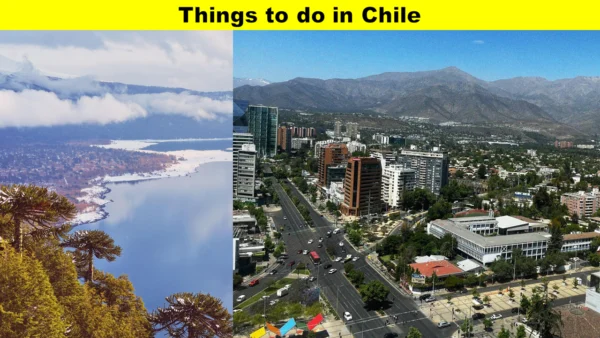
Things to do in Chile based on NeemTime research from most popular to just popular.
Bicentennial Park, Chile
Overview: Parque Bicentenario is a modern urban park in Santiago featuring lagoons, walking trails, gardens, and open recreational spaces designed for relaxation and outdoor leisure.
History: It was developed as part of Santiago’s urban renewal projects to increase green public spaces and improve quality of life in residential districts.
Since when: The park has been open since 2007 and has quickly become one of the city’s most popular contemporary green spaces.
Review: Visitors appreciate its clean design, scenic water features, and peaceful environment, though it can be busy on weekends and holidays.
When to go: The best time to visit is early morning or late afternoon when temperatures are pleasant and lighting is ideal for photography.
How to go: It is accessible by Santiago Metro, bus, taxi, or private car from central districts like Las Condes and Providencia.
What to do: You can walk along lagoons, watch black-necked swans, picnic on lawns, and enjoy cycling or jogging paths.
Free or Paid: Entry is completely free.
Santiago Metropolitan Park, Chile
Overview: Parque Metropolitano de Santiago is one of the largest urban parks in Latin America located in Santiago featuring Cerro San Cristóbal, cable cars, gardens, and panoramic city viewpoints.
History: The park was established to preserve natural hills and green space while offering public recreation and tourism infrastructure in the capital.
Since when: It has been open since the early 20th century and has continuously expanded into Santiago’s most iconic green landmark.
Review: Visitors love its breathtaking city views, hiking trails, and cable car rides, though some areas require physical effort to explore.
When to go: The best time to visit is spring or summer mornings when skies are clear and visibility over the Andes is best.
How to go: It is accessible via metro stations like Baquedano followed by funicular, cable car, or walking routes into the park.
What to do: You can hike Cerro San Cristóbal, ride cable cars, visit the zoo, and enjoy panoramic viewpoints over Santiago.
Free or Paid: Entry is free in many areas, but cable cars, funiculars, and attractions are paid.
Araucano Park, Chile
Overview: Parque Araucano is a landscaped urban park in Las Condes, Santiago known for its gardens, playgrounds, cultural events, and proximity to modern commercial districts.
History: It was created to serve the rapidly developing Las Condes area as a green recreational space for families and office workers.
Since when: The park has existed since the late 20th century and has been upgraded with modern facilities over time.
Review: Visitors appreciate its cleanliness, family-friendly facilities, and seasonal events, though it is smaller compared to other major parks.
When to go: The best time to visit is during daytime hours or evenings when cultural activities and events are often held.
How to go: It is easily reachable by Santiago Metro (Manquehue station) or by bus and taxi from nearby commercial areas.
What to do: You can walk, picnic, attend festivals, enjoy playgrounds, and visit nearby shopping centers like Parque Arauco Mall.
Free or Paid: Entry is completely free.
Petrohué Waterfalls, Chile
Overview: Petrohué Waterfalls are stunning turquoise cascades located within Vicente Pérez Rosales National Park in southern Chile surrounded by volcanic landscapes and lush forests.
History: The waterfalls were formed by ancient volcanic lava flows from Osorno Volcano shaping the Petrohué River’s dramatic course.
Since when: They have existed for thousands of years and became a protected natural attraction within the national park system in the 20th century.
Review: Visitors admire the vivid blue water, dramatic rock formations, and scenic backdrop of volcanoes, though weather can be unpredictable.
When to go: The best time to visit is summer (December to March) when trails are accessible and weather conditions are stable.
How to go: It is reachable by car or guided tours from Puerto Varas or Puerto Montt, followed by short walking paths inside the park.
What to do: You can walk along viewing platforms, photograph waterfalls, explore trails, and enjoy views of Osorno Volcano.
Free or Paid: Entry is paid as part of the national park admission fee.
Patio Bellavista, Chile
Overview: Patio Bellavista is a vibrant dining and entertainment complex in Santiago offering restaurants, bars, shops, and cultural spaces in a lively open-air environment.
History: It was developed to revitalize the Bellavista neighborhood as a cultural and nightlife hub for locals and tourists.
Since when: The complex has been operating since the early 2000s and has become a key social destination in Santiago.
Review: Visitors enjoy its energetic nightlife, diverse cuisine options, and artistic atmosphere, though prices are higher than average city restaurants.
When to go: The best time to visit is evenings and weekends when live music, events, and nightlife are most active.
How to go: It is accessible by Santiago Metro (Baquedano station) followed by a short walk into the Bellavista district.
What to do: You can dine in restaurants, enjoy bars, attend live performances, shop for crafts, and experience nightlife.
Free or Paid: Entry is free, but food, drinks, and entertainment are paid.
Cerro Santa Lucia, Chile
Overview: Cerro Santa Lucía is a historic urban hill park in Santiago featuring gardens, fountains, viewpoints, and colonial-era architecture offering scenic city panoramas.
History: The site was originally a strategic lookout point used during the Spanish colonial period before being transformed into a landscaped public park in the 19th century.
Since when: It has existed as a formal public park since 1872 when it was redesigned under urban development initiatives in Santiago.
Review: Visitors appreciate its central location, beautiful viewpoints, and romantic stairways, though some areas can feel crowded during peak tourist hours.
When to go: The best time to visit is early morning or late afternoon when temperatures are cooler and lighting enhances photography.
How to go: It is easily accessible by Santiago Metro (Santa Lucía station) followed by a short walk to the park entrance.
What to do: You can climb scenic stairways, explore historic fortifications, enjoy city views, and relax in landscaped gardens.
Free or Paid: Entry is completely free.
Cerro San Cristóbal, Chile
Overview: Parque Metropolitano de Santiago (Cerro San Cristóbal) is a major hilltop park in Santiago offering panoramic views, hiking trails, cable cars, and the iconic Virgin Mary statue.
History: The hill has long been a cultural and spiritual landmark, later developed into a public recreational park with transport systems and attractions.
Since when: It has been part of the city’s protected park system since the early 20th century and expanded steadily over time.
Review: Visitors love the breathtaking city and Andes views, cable car experience, and hiking routes, though climbs can be physically demanding.
When to go: The best time to visit is clear mornings or sunset hours when visibility and lighting are at their best.
How to go: It is accessible via metro (Baquedano station) followed by funicular, cable car, or walking routes into the park.
What to do: You can hike, ride the cable car, visit viewpoints, explore gardens, and see the Virgin Mary monument.
Free or Paid: Entry is free, but cable car, funicular, and some services are paid.
Sky Costanera, Chile
Overview: Sky Costanera is the tallest observation deck in South America located in Santiago offering 360-degree panoramic views of the city and Andes mountains.
History: It was developed as part of the Costanera Center skyscraper complex to enhance tourism and commercial appeal in Santiago.
Since when: The observation deck has been open since 2015 and quickly became one of the city’s top tourist attractions.
Review: Visitors praise its unmatched views, modern elevators, and sunset experiences, though ticket prices are relatively high.
When to go: The best time to visit is sunset or clear evenings for dramatic skyline and mountain visibility.
How to go: It is accessible via Santiago Metro (Tobalaba station) followed by a short walk to the Costanera Center mall.
What to do: You can take high-speed elevators to the top, enjoy panoramic views, and photograph Santiago’s skyline.
Free or Paid: Entry is paid with ticket-based access.
Parque Nacional Tierra del Fuego, Chile
Overview: Tierra del Fuego National Park is a remote and scenic protected area in southern Chile featuring forests, lakes, mountains, and sub-Antarctic wildlife.
History: The park was established to preserve the unique ecosystem and cultural heritage of the Tierra del Fuego region.
Since when: It has been officially protected since 1960 as part of Chile’s national park system.
Review: Visitors admire its untouched wilderness, dramatic landscapes, and peaceful hiking trails, though weather conditions can be harsh and unpredictable.
When to go: The best time to visit is summer (December to March) when trails are more accessible and weather is milder.
How to go: It is reachable from Punta Arenas by ferry or from Ushuaia area access points followed by guided transport.
What to do: You can hike, observe wildlife, explore coastal trails, and experience pristine Patagonian nature.
Free or Paid: Entry is paid as part of national park conservation fees.
Los Dominicos Craft Centre, Chile
Overview: Pueblito Los Dominicos is a traditional artisan craft village in Santiago featuring handmade souvenirs, local art, jewelry, and cultural exhibits.
History: It was developed around an old colonial chapel area and later transformed into a cultural marketplace for Chilean artisans.
Since when: It has operated as a craft center since the late 20th century, preserving traditional artisan culture in Santiago.
Review: Visitors enjoy its authentic crafts, peaceful atmosphere, and cultural charm, though prices can be higher for handmade goods.
When to go: The best time to visit is weekends when more artisans are present and cultural activity is lively.
How to go: It is accessible via Santiago Metro (Los Dominicos station) with direct access to the craft village entrance.
What to do: You can shop for handicrafts, watch artisans at work, explore galleries, and enjoy traditional Chilean culture.
Free or Paid: Entry is free, but purchases of crafts and souvenirs are paid.
Cenco Costanera, Chile
Overview: Costanera Center is a massive commercial complex in Santiago featuring a shopping mall, offices, restaurants, and entertainment spaces anchored by South America’s tallest tower.
History: It was developed as part of a large-scale urban modernization project to create a world-class commercial and business hub in Santiago.
Since when: The complex has been gradually opened since 2012, with full operations including retail and observation areas expanding over time.
Review: Visitors appreciate its vast shopping options, modern infrastructure, and connectivity, though it can feel crowded and overwhelming during weekends.
When to go: The best time to visit is weekday mornings or afternoons when crowds are lighter and shopping is more comfortable.
How to go: It is easily accessible via Santiago Metro (Tobalaba station) and connected directly to the mall via pedestrian access.
What to do: You can shop international brands, dine in restaurants, visit the observation tower, and enjoy entertainment facilities.
Free or Paid: Entry to the mall is free, but shopping and observation deck access are paid.
Estación Pío Nono Funicular Santiago by Turistik, Chile
Overview: Funicular de Santiago is a historic funicular railway in Santiago that transports visitors up Cerro San Cristóbal, offering scenic rides and panoramic city views.
History: It was built to provide easier access to the hilltop park and has become both a transport system and a tourist attraction.
Since when: The funicular has been operating since 1925 and remains an iconic part of Santiago’s urban transport heritage.
Review: Visitors enjoy its vintage charm, scenic ascent, and unique experience, though queues can be long during peak tourist seasons.
When to go: The best time to visit is early morning or late afternoon for shorter waits and better lighting during the ride.
How to go: It is accessible via Santiago Metro (Baquedano station) followed by a short walk to the Pío Nono entrance.
What to do: You can ride the funicular, enjoy city views, and connect to cable cars or hiking trails in Cerro San Cristóbal.
Free or Paid: Entry is paid with ticket-based access.
Torres del Paine National Park, Chile
Overview: Torres del Paine National Park is a world-famous natural reserve in southern Chile known for dramatic granite peaks, glaciers, lakes, and diverse Patagonian wildlife.
History: The park was established to protect Patagonia’s unique ecosystems and has become one of the most iconic trekking destinations in the world.
Since when: It has been officially protected since 1959 and later declared a UNESCO Biosphere Reserve.
Review: Visitors describe it as breathtaking and unforgettable with world-class hiking trails, though weather conditions can be extreme and unpredictable.
When to go: The best time to visit is during the southern summer (November to March) when trails are open and weather is more stable.
How to go: It is reachable via flights to Punta Arenas or Puerto Natales followed by bus or guided transfers to the park.
What to do: You can trek the W and O circuits, view glaciers, spot wildlife, and explore lakes and mountain landscapes.
Free or Paid: Entry is paid as part of national park conservation fees.
Metropolitan Cathedral (Catedral Metropolitana), Chile
Overview: Metropolitan Cathedral of Santiago is a historic Catholic cathedral in Santiago located in Plaza de Armas and serving as the spiritual center of the Archdiocese of Santiago.
History: It was built and rebuilt over centuries due to earthquakes and renovations, reflecting colonial and neoclassical architectural influences.
Since when: The current structure dates back to the 18th century with continuous restorations into modern times.
Review: Visitors admire its grand interiors, religious artwork, and historical significance, though it can be crowded during services.
When to go: The best time to visit is weekdays or non-service hours for quiet exploration and photography.
How to go: It is easily accessible via Santiago Metro (Plaza de Armas station) directly in the city center.
What to do: You can explore the cathedral interior, attend mass, view religious art, and visit nearby historic landmarks.
Free or Paid: Entry is free, though donations are encouraged.
Casa Museo La Chascona, Chile
Overview: La Chascona is a unique house museum in Santiago dedicated to Nobel Prize-winning poet Pablo Neruda, showcasing his personal life, art collections, and eccentric architecture.
History: It was originally built as a secret residence for Neruda and his partner and later transformed into a museum preserving his legacy.
Since when: The museum has been open to the public since 1992, managed by the Pablo Neruda Foundation.
Review: Visitors appreciate its artistic design, poetic atmosphere, and intimate glimpse into Neruda’s life, though tours are often guided and timed.
When to go: The best time to visit is weekday mornings when tours are less crowded and more informative.
How to go: It is accessible via Santiago Metro (Baquedano station) followed by a short walk into the Bellavista neighborhood.
What to do: You can take guided tours, explore Neruda’s personal artifacts, and learn about Chilean literary history.
Free or Paid: Entry is paid with guided tour tickets required.
Valle De La Luna, Chile
Overview: Valle de la Luna is a surreal desert landscape in the Atacama region of Chile known for its lunar-like rock formations, salt caves, and dramatic sunset views.
History: The valley was shaped over millions of years by wind erosion, salt deposits, and tectonic activity that created its otherworldly terrain.
Since when: It has been recognized as a protected natural attraction within the Los Flamencos National Reserve since the late 20th century.
Review: Visitors describe it as one of the most unique landscapes on Earth, especially during sunset, though daytime heat can be extreme.
When to go: The best time to visit is late afternoon for sunset views or early morning to avoid intense desert temperatures.
How to go: It is accessible from San Pedro de Atacama by car, bicycle, or guided tour into the Atacama Desert.
What to do: You can explore salt caves, hike desert trails, photograph rock formations, and watch sunset over the valley.
Free or Paid: Entry is paid as part of the national reserve access fee.
El Tatio, Chile
Overview: El Tatio Geysers is a high-altitude geothermal field in northern Chile featuring active geysers, steam vents, and boiling mud pools in a dramatic Andean setting.
History: The geyser field formed due to volcanic activity beneath the Andes creating geothermal pressure that surfaces as hot springs and geysers.
Since when: It has been active for thousands of years and has been visited by indigenous communities long before modern tourism developed.
Review: Visitors find it breathtaking at sunrise with rising steam and cold mountain air, though altitude sickness can be a concern.
When to go: The best time to visit is early morning at sunrise when geyser activity and steam visibility are strongest.
How to go: It is reachable from San Pedro de Atacama via guided tours due to remote location and high-altitude conditions.
What to do: You can observe geysers, walk designated trails, photograph steam vents, and enjoy natural hot spring landscapes.
Free or Paid: Entry is paid as part of protected geothermal park access and guided tour packages.
Concha y Toro, Chile
Overview: Viña Concha y Toro is one of the largest and most famous wineries in Chile located near Santiago, known globally for its Cabernet Sauvignon and vineyard tours.
History: It was founded as a family vineyard and expanded into an international wine producer exporting Chilean wines worldwide.
Since when: The winery has been operating since 1883 and remains a leading name in global wine production.
Review: Visitors enjoy guided vineyard tours, wine tastings, and scenic vineyard views, though tours can be crowded during peak seasons.
When to go: The best time to visit is during harvest season (March–May) or spring when vineyards are green and active.
How to go: It is accessible by car or guided tour from Santiago with organized transport from city hotels.
What to do: You can tour vineyards, visit wine cellars, taste premium wines, and learn about winemaking processes.
Free or Paid: Entry and tours are paid, with different packages depending on tasting options.
Barrio Lastarria, Chile
Overview: Barrio Lastarria is a vibrant cultural district in Santiago known for its cafes, museums, theaters, art galleries, and bohemian atmosphere.
History: The neighborhood developed as a cultural hub with historic architecture that later became revitalized into an artistic and gastronomic center.
Since when: It has been recognized as a cultural district since the late 20th century following urban renewal projects.
Review: Visitors appreciate its lively ambiance, street art, dining options, and nightlife, though it can be busy on weekends.
When to go: The best time to visit is evenings or weekends when restaurants, bars, and cultural venues are most active.
How to go: It is accessible via Santiago Metro (Universidad Católica station) followed by a short walk into the district.
What to do: You can dine in cafes, visit museums, watch theater performances, and explore art galleries.
Free or Paid: Entry to the area is free, but dining, entertainment, and museum visits are paid.
Geyser del Tatio, Chile
Overview: El Tatio Geysers is one of the world’s highest geothermal geyser fields located in northern Chile featuring erupting steam columns and boiling thermal pools.
History: The geyser system was formed by volcanic underground activity in the Andes creating natural geothermal pressure systems.
Since when: It has been naturally active for thousands of years and has long been part of indigenous cultural landscapes.
Review: Visitors are impressed by the dramatic sunrise steam eruptions and surreal high-altitude environment, though cold temperatures are intense.
When to go: The best time to visit is pre-dawn to early morning when geyser activity is most visible and atmospheric conditions are ideal.
How to go: It is accessible only by guided tours from San Pedro de Atacama due to remote terrain and safety requirements.
What to do: You can walk among geysers, watch steam eruptions, photograph landscapes, and visit nearby hot springs.
Free or Paid: Entry is paid as part of national park or tour package fees.
Bicentenario de la Infancia Park, Chile
Overview: Parque Bicentenario de la Infancia is a modern family-focused park in Santiago featuring interactive play structures, green spaces, and educational outdoor installations designed for children.
History: It was developed as part of urban renewal initiatives to create inclusive recreational spaces specifically tailored for children and families.
Since when: The park has been open since 2012 and has become a key family recreation spot in the city.
Review: Visitors appreciate its creative play areas, safety, and clean environment, though it is primarily geared toward younger children.
When to go: The best time to visit is weekday mornings or late afternoons when temperatures are comfortable and crowds are smaller.
How to go: It is accessible by Santiago Metro and bus routes with short taxi rides from nearby residential districts.
What to do: Children can enjoy interactive playgrounds, climbing structures, water features, and educational play zones.
Free or Paid: Entry is completely free.
Bellavista, Chile
Overview: Barrio Bellavista is a vibrant cultural and nightlife district in Santiago known for its street art, restaurants, bars, theaters, and bohemian atmosphere.
History: The neighborhood developed as an artistic hub influenced by writers, musicians, and bohemian communities over several decades.
Since when: It has been recognized as a cultural hotspot since the late 20th century and continues evolving today.
Review: Visitors love its lively nightlife, colorful murals, and diverse dining scene, though it can be noisy at night.
When to go: The best time to visit is evenings and weekends when entertainment venues are most active.
How to go: It is accessible via Santiago Metro (Baquedano station) followed by a short walk into the district.
What to do: You can enjoy nightlife, dine in restaurants, explore street art, and visit cultural venues.
Free or Paid: Entry is free, but food, drinks, and entertainment are paid.
Parque Nacional Los Glaciares, Chile
Overview: Los Glaciares National Park is a vast Patagonian glacier park located near the Chilean border in Chile region access routes, known for massive ice fields, lakes, and dramatic mountain scenery.
History: The park was established to protect one of the largest continental ice fields and surrounding Patagonian ecosystems.
Since when: It has been a protected area since 1937 under Argentina’s national park system and is part of UNESCO World Heritage recognition.
Review: Visitors describe it as breathtaking with unforgettable glacier views, though weather conditions are highly unpredictable.
When to go: The best time to visit is during the southern summer (November–March) for safer trails and better access.
How to go: It is reachable via El Calafate in Argentina with cross-border travel options from southern Chile by guided tours or road connections.
What to do: You can view glaciers like Perito Moreno, hike trails, take boat tours, and explore Patagonian landscapes.
Free or Paid: Entry is paid as part of national park conservation fees.
Museum of Memory and Human Rights, Chile
Overview: Museum of Memory and Human Rights is a major museum in Santiago dedicated to documenting human rights violations during Chile’s dictatorship and preserving historical memory.
History: It was created to honor victims of political repression and promote awareness of human rights through education and exhibitions.
Since when: The museum has been open since 2010 and has become an important national memorial institution.
Review: Visitors find it deeply moving, educational, and powerful, though emotionally intense due to its historical content.
When to go: The best time to visit is weekday mornings for a quieter and more reflective experience.
How to go: It is accessible via Santiago Metro (Quinta Normal station) followed by a short walk.
What to do: You can explore exhibitions, view archival materials, and learn about Chile’s modern political history.
Free or Paid: Entry is completely free.
Centro Artesanal Santa Lucia, Chile
Overview: Centro Artesanal Santa Lucía is a traditional handicraft market in Santiago located near Cerro Santa Lucía, offering souvenirs, artisan goods, and local crafts.
History: It developed as a tourist-oriented artisan market supporting local craftspeople and traditional Chilean handicrafts.
Since when: The market has been operating since the late 20th century alongside Santiago’s tourism development.
Review: Visitors enjoy its variety of handmade goods and convenient location, though prices may be higher than local street markets.
When to go: The best time to visit is daytime hours when most stalls are open and active.
How to go: It is accessible via Santiago Metro (Santa Lucía station) followed by a short walk to the market.
What to do: You can shop for souvenirs, handmade crafts, jewelry, and traditional Chilean items.
Free or Paid: Entry is free, but shopping is paid.
Craft Fair Saint Lucía, Chile
Overview: Centro Artesanal Santa Lucía is a traditional artisan craft fair in Santiago located near Cerro Santa Lucía, offering handmade souvenirs, textiles, jewelry, and cultural crafts for visitors.
History: It developed as part of Santiago’s tourism and cultural preservation efforts to support local artisans and showcase Chilean handicrafts.
Since when: The craft fair has been active since the late 20th century as tourism in central Santiago expanded.
Review: Visitors enjoy the variety of authentic handmade items and convenient location, though prices are sometimes higher than street markets.
When to go: The best time to visit is during daytime hours when most artisan stalls are open and fully stocked.
How to go: It is accessible via Santiago Metro (Santa Lucía station) followed by a short walk to the craft area.
What to do: You can shop for souvenirs, browse handmade crafts, meet local artisans, and explore nearby Cerro Santa Lucía.
Free or Paid: Entry is free, but purchases are paid.
Lagunas Miscanti y Miniques, Chile
Overview: Miscanti Lake and Miñiques Lake are high-altitude Andean lagoons in northern Chile known for their deep blue waters, volcanic backdrop, and surreal desert landscapes.
History: The lakes were formed by volcanic and glacial activity in the Andes, creating isolated ecosystems at extreme altitude.
Since when: They have existed for thousands of years and are now protected within the Los Flamencos National Reserve.
Review: Visitors describe them as breathtaking and peaceful with dramatic scenery, though altitude and cold winds can be challenging.
When to go: The best time to visit is during the dry season (April–October) for clearer skies and safer road conditions.
How to go: They are accessible from San Pedro de Atacama via guided tours due to remote location and high-altitude terrain.
What to do: You can admire lagoons, spot vicuñas and flamingos, take photography, and explore high Andean landscapes.
Free or Paid: Entry is paid as part of protected reserve access and guided tour packages.
Museo Chileno de Arte Precolombino, Chile
Overview: Chilean Museum of Pre-Columbian Art is a major museum in Santiago showcasing ancient Indigenous art and artifacts from across the Americas.
History: It was founded to preserve and exhibit pre-Columbian cultural heritage spanning thousands of years before European colonization.
Since when: The museum has been open since 1981 and is housed in a historic colonial building in central Santiago.
Review: Visitors praise its world-class collection, educational exhibits, and cultural depth, though signage may be limited in some languages.
When to go: The best time to visit is weekday mornings when galleries are quiet and easier to explore in detail.
How to go: It is located near Plaza de Armas and accessible via Santiago Metro with a short walk.
What to do: You can explore ancient artifacts, pottery, textiles, sculptures, and learn about Indigenous civilizations of the Americas.
Free or Paid: Entry is paid, with occasional free-entry days.
Saltos del Petrohue, Chile
Overview: Petrohué Waterfalls are striking turquoise waterfalls located in Vicente Pérez Rosales National Park in southern Chile surrounded by volcanic landscapes and lush forests.
History: They were formed by lava flows from Osorno Volcano, which shaped the riverbed and created unique rock formations and rapids.
Since when: The waterfalls have existed for thousands of years and were later protected within the national park system.
Review: Visitors admire the vivid blue water and dramatic scenery, though weather can change quickly in the region.
When to go: The best time to visit is summer (December–March) when trails are accessible and weather is stable.
How to go: They are accessible from Puerto Varas or Puerto Montt by car or guided tour with short walking paths inside the park.
What to do: You can walk viewing trails, take photographs, and enjoy views of Osorno Volcano and surrounding landscapes.
Free or Paid: Entry is paid as part of national park admission.
Hand of the Desert, Chile
Overview: La Mano del Desierto is a massive outdoor sculpture in the Atacama Desert of Chile depicting a giant hand emerging from the sand as a symbolic artistic landmark.
History: It was created by sculptor Mario Irarrázabal to represent human vulnerability and isolation in the harsh desert environment.
Since when: The monument has stood since 1992 and has become an iconic photographic landmark in northern Chile.
Review: Visitors find it surreal, powerful, and photogenic, though its remote desert location requires travel planning.
When to go: The best time to visit is early morning or sunset when lighting enhances the sculpture’s dramatic effect.
How to go: It is accessible by car or guided tour from Antofagasta with desert road travel required.
What to do: You can take photographs, explore desert surroundings, and enjoy the stark Atacama landscape.
Free or Paid: It is completely free to visit.