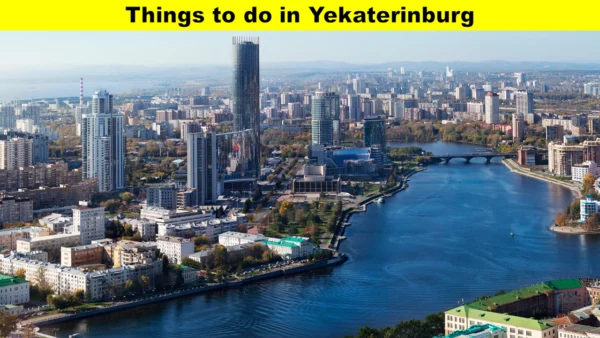
Things to do in Yekaterinburg based on NeemTime research from most popular to just popular.
Mega, Yekaterinburg
Overview: Mega Yekaterinburg is a large modern shopping and entertainment complex in Yekaterinburg featuring retail stores, dining outlets, and leisure spaces designed for family-friendly urban experiences.
History: Mega Yekaterinburg was developed as part of a broader retail expansion strategy in the region to introduce international-standard shopping centers to the city’s growing consumer base.
Since when: Mega Yekaterinburg has been operating since the late 2000s, becoming one of the key commercial hubs in the area.
Review: Visitors generally rate Mega positively for its spacious layout, variety of brands, and convenient amenities, though it can feel crowded during weekends and holidays.
When to go: The best time to visit is weekdays or mornings to avoid peak crowds and enjoy a relaxed shopping experience.
How to go: It is easily accessible by taxi, bus, or private car from central Yekaterinburg via major highways connecting the city districts.
What to do: You can shop for fashion and electronics, dine in restaurants, watch movies, or spend leisure time in entertainment zones.
Free or Paid: Entry is free, but shopping, dining, and entertainment inside are paid.
Yel’tsin Center, Yekaterinburg
Overview: Yel’tsin Center is a cultural and political complex dedicated to Boris Yeltsin, combining a museum, exhibition spaces, and public events in Yekaterinburg.
History: The center was created to preserve and interpret the legacy of Russia’s first president and to document the country’s political transformation in the post-Soviet era.
Since when: It has been open to the public since 2015, quickly becoming a major cultural landmark in the city.
Review: Visitors praise its modern interactive museum, educational exhibits, and well-curated historical content, though some find certain political perspectives subjective.
When to go: Visit during weekdays or early afternoons for quieter museum exploration and better engagement with exhibits.
How to go: It is centrally located and reachable by tram, bus, taxi, or a short walk from nearby city center landmarks.
What to do: Explore museum galleries, attend exhibitions, join lectures, and participate in cultural or political events hosted at the center.
Free or Paid: Entry is partially paid, with museum access typically ticketed while some public areas and events may be free.
Tspkio Im. V. V. Mayakovskogo, Yekaterinburg
Overview: Mayakovsky Central Park of Culture and Recreation is one of the largest urban parks in Yekaterinburg offering green spaces, amusement rides, and recreational activities for all age groups.
History: The park was originally established during the Soviet era as a cultural recreation zone and has evolved into a modern leisure destination over decades.
Since when: It has been functioning since the early 1930s, making it one of the oldest and most established parks in the city.
Review: Visitors appreciate its large forested areas, family attractions, seasonal festivals, and peaceful walking paths, though some rides are older in design.
When to go: The best time to visit is late spring to early autumn when outdoor attractions and greenery are at their peak.
How to go: It is accessible via public transport such as buses and trams, or by taxi from central Yekaterinburg within 20–30 minutes.
What to do: Enjoy amusement rides, cycling paths, walking trails, picnics, and seasonal events like concerts and fairs.
Free or Paid: Entry is free, but rides, rentals, and some attractions are paid.
Yekaterinburgskiy Zoopark, Yekaterinburg
Overview: Yekaterinburg Zoo is a well-established zoological park in Yekaterinburg housing a wide variety of animal species and focusing on conservation and education.
History: The zoo was developed to support wildlife education and has expanded its collection and facilities over time to meet modern zoological standards.
Since when: It has been operating since 1930, serving as an important educational and recreational institution in the city.
Review: Visitors highlight its diverse animal collection, family-friendly environment, and educational exhibits, though some enclosures are considered in need of modernization.
When to go: The best time to visit is during spring or summer mornings when animals are more active and weather is comfortable.
How to go: It can be reached easily by public transport, taxi, or walking from nearby central districts.
What to do: Observe wildlife, attend feeding sessions, explore educational exhibits, and enjoy family-friendly walking paths.
Free or Paid: Entry is paid, with discounted tickets often available for children and students.
Plotinka, Yekaterinburg
Overview: Plotinka (Iset River Embankment Dam Area) is a historic and scenic embankment area in Yekaterinburg located along the Iset River, known for its cultural atmosphere and city views.
History: It originated as part of the city’s earliest industrial infrastructure, centered around a dam that played a key role in Yekaterinburg’s development.
Since when: The site dates back to the 18th century, making it one of the foundational historical zones of the city.
Review: Visitors enjoy its relaxed atmosphere, fountains, street performances, and scenic walking paths, especially during festivals and evenings.
When to go: The best time to visit is evening or summer weekends when the area becomes lively with events and social gatherings.
How to go: It is located in the city center and is easily reachable on foot, by tram, or by taxi from anywhere in Yekaterinburg.
What to do: Walk along the embankment, enjoy street performances, take photos, relax by the river, and attend seasonal public events.
Free or Paid: Completely free to visit, with optional paid food and entertainment nearby.
Aquapark “Limpopo”, Yekaterinburg
Overview: Aquapark “Limpopo” is a large indoor water park in Yekaterinburg featuring slides, wave pools, spa zones, and family-friendly aquatic entertainment under a climate-controlled environment.
History: It was developed as part of the city’s modern leisure infrastructure expansion to provide year-round water recreation in a cold continental climate.
Since when: The aquapark has been operating since the mid-2000s and has become one of the most popular indoor water attractions in the region.
Review: Visitors generally appreciate its variety of slides, warm pools, and family facilities, though peak times can lead to long queues and crowded changing areas.
When to go: The best time to visit is weekdays or early mornings when crowds are lighter and access to attractions is quicker.
How to go: It is reachable by taxi, bus, or private car from central Yekaterinburg with well-marked routes toward the shopping and entertainment district where it is located.
What to do: You can enjoy water slides, lazy rivers, children’s zones, saunas, and relaxation pools designed for both thrill and leisure.
Free or Paid: Entry is paid with ticket options based on duration and access to spa or premium zones.
Vysotskiy, Yekaterinburg
Overview: Vysotsky Business Center and Observation Deck is a modern skyscraper in Yekaterinburg known for its panoramic observation deck offering sweeping city views.
History: It was constructed as part of the city’s early 21st-century modernization drive to symbolize economic growth and architectural advancement.
Since when: The building has been operational since 2011, quickly becoming one of the tallest and most recognizable structures in the city.
Review: Visitors praise the 360-degree views, especially at sunset, though ticket prices for the observation deck are considered slightly high by some.
When to go: The best time to visit is clear evenings or sunset hours when city lights enhance the panoramic experience.
How to go: It is centrally located and easily accessible by tram, bus, taxi, or a short walk from downtown Yekaterinburg.
What to do: You can visit the observation deck, take skyline photographs, dine in nearby facilities, and explore exhibitions inside the complex.
Free or Paid: Entry to the building is free in public areas, but the observation deck is paid.
Zelonaya Roshcha, Yekaterinburg
Overview: Zelenaya Roshcha Park is a peaceful urban green space in Yekaterinburg offering walking paths, forested areas, and recreational spots for relaxation and light outdoor activities.
History: The park was established as part of urban greening efforts to preserve natural forest patches within the expanding city landscape.
Since when: It has existed in various forms since the Soviet period and has been continuously maintained as a public recreational area.
Review: Visitors value its calm environment, shaded walking routes, and clean atmosphere, though it is less entertainment-focused than larger parks.
When to go: The best time to visit is late spring to early autumn when the greenery is lush and weather is suitable for long walks.
How to go: It is accessible via public transport, taxi, or walking from nearby residential and central districts.
What to do: You can walk, jog, relax on benches, enjoy nature photography, or have quiet picnics in designated areas.
Free or Paid: Entry is completely free.
Church on Blood in Honour of All Saints Resplendent in the Russian Land, Yekaterinburg
Overview: Church on Blood in Honour of All Saints Resplendent in the Russian Land is a major Russian Orthodox church in Yekaterinburg built on a historically significant site linked to the Romanov family.
History: It was constructed to commemorate the execution of Tsar Nicholas II and his family, marking a pivotal moment in Russian imperial history.
Since when: The church was completed in 2003 and has since become one of the most important pilgrimage and memorial sites in Russia.
Review: Visitors highlight its striking architecture, spiritual atmosphere, and historical significance, though it can be crowded during religious holidays.
When to go: The best time to visit is early morning or weekdays for a quieter and more reflective experience.
How to go: It is centrally located and easily reachable by tram, bus, taxi, or walking from the city center.
What to do: You can attend services, explore memorial exhibits, admire religious art, and learn about Romanov history.
Free or Paid: Entry is free, though donations are encouraged.
Park Usad’by Kharitonovykh-Rastorguyevykh, Yekaterinburg
Overview: Kharitonov Garden and Palace Park is a historic landscaped park in Yekaterinburg centered around a classical estate featuring gardens, ponds, and architectural heritage.
History: The park was originally part of a noble estate developed in the 18th–19th centuries and reflects the aristocratic urban design of imperial Russia.
Since when: It has existed since the early 1800s and remains one of the oldest preserved landscape parks in the city.
Review: Visitors appreciate its romantic scenery, historic palace backdrop, and peaceful walking paths, though some areas show signs of age.
When to go: The best time to visit is spring and summer when the gardens are green and the pond area is most picturesque.
How to go: It is located near the city center and is easily accessible by foot, tram, or taxi.
What to do: You can walk through gardens, photograph the palace, relax near the pond, and explore historical architecture.
Free or Paid: Entry to the park is free, while some guided tours or nearby museum access may be paid.
Dendrologicheskiy Park-Vystavka, Yekaterinburg
Overview: Dendrologicheskiy Park-Vystavka is a botanical and exhibition park in Yekaterinburg featuring rare trees, themed plant collections, and landscaped walking areas designed for education and relaxation.
History: The park was created as a scientific and botanical initiative to study, preserve, and showcase diverse plant species adapted to the Ural climate.
Since when: It has been functioning since the mid-20th century, gradually expanding its collections and public accessibility over time.
Review: Visitors appreciate its quiet atmosphere, diverse plant species, and well-maintained pathways, though it is less entertainment-oriented compared to larger city parks.
When to go: The best time to visit is late spring through early autumn when most plants are in bloom and outdoor conditions are comfortable.
How to go: It is accessible via bus, tram, or taxi from central Yekaterinburg with relatively short travel times from major districts.
What to do: You can explore themed botanical zones, enjoy peaceful walks, study plant species, and relax in natural surroundings.
Free or Paid: Entry is generally free, though some guided tours or special exhibitions may be paid.
Park Im. Pavlika Morozova, Yekaterinburg
Overview: Park Im. Pavlika Morozova is a small urban recreational park in Yekaterinburg offering playgrounds, walking paths, and simple green spaces for local residents.
History: The park was developed during the Soviet period as a neighborhood recreational space named after a symbolic youth figure.
Since when: It has existed since the mid-20th century and continues to serve as a community-focused green area.
Review: Visitors describe it as calm and functional, suitable for short walks and children’s play, though it lacks major attractions.
When to go: The best time to visit is during daytime in spring and summer when outdoor conditions are pleasant.
How to go: It is easily reachable by local buses, tram routes, or short taxi rides within the city.
What to do: You can walk, relax on benches, take children to playgrounds, and enjoy a quiet neighborhood atmosphere.
Free or Paid: Entry is completely free.
Observation Deck, Yekaterinburg
Overview: The Observation Deck in Yekaterinburg is a high-rise viewing point offering panoramic city views, skyline photography opportunities, and sunset experiences.
History: It was developed as part of modern urban tourism infrastructure to provide visitors with a bird’s-eye view of the rapidly growing city.
Since when: Most major observation facilities in the city became popular in the early 2010s with the rise of skyscraper-based tourism.
Review: Visitors highly value the wide cityscape views, especially at night, though weather conditions can affect visibility.
When to go: The best time to visit is sunset or clear evenings when lighting conditions are ideal for photography.
How to go: It is typically located in central high-rise buildings accessible by tram, bus, taxi, or walking.
What to do: You can enjoy skyline views, take photographs, and observe landmarks across Yekaterinburg from above.
Free or Paid: Entry is usually paid, depending on the building and access level.
Okeanarium Yekaterinburga, Yekaterinburg
Overview: Okeanarium Yekaterinburga is an indoor aquarium in Yekaterinburg showcasing marine life, exotic fish species, and educational underwater exhibits.
History: It was established to provide an interactive marine education experience in a landlocked region far from natural seas and oceans.
Since when: The oceanarium has been operating since the 2010s, becoming a popular family attraction in the city.
Review: Visitors enjoy the variety of aquatic species, tunnel exhibits, and educational displays, though it is relatively compact compared to major international aquariums.
When to go: The best time to visit is weekdays or mornings when crowds are lighter and exhibits are easier to explore.
How to go: It is accessible by public transport or taxi from central Yekaterinburg shopping and entertainment districts.
What to do: You can observe marine life, walk through aquarium tunnels, attend feeding sessions, and learn about aquatic ecosystems.
Free or Paid: Entry is paid with standard ticket pricing for adults and discounts for children.
Ramada by Wyndham Yekaterinburg, Yekaterinburg
Overview: Ramada by Wyndham Yekaterinburg is a luxury hotel in Yekaterinburg offering premium accommodation, conference facilities, spa services, and lakeside relaxation.
History: It was developed as part of international hotel expansion into the region to serve business travelers and tourists with global hospitality standards.
Since when: The hotel has been operating since the early 2010s and has become a key accommodation choice for international visitors.
Review: Guests appreciate its comfortable rooms, scenic location, professional service, and wellness facilities, though it is relatively expensive compared to city hotels.
When to go: It is suitable year-round, with summer preferred for outdoor and lakeside activities.
How to go: It is reachable by taxi or private transfer from Yekaterinburg city center and nearby transport hubs.
What to do: You can stay in luxury rooms, enjoy spa services, dine in restaurants, attend conferences, and relax by the lake.
Free or Paid: Accommodation, dining, and services are paid with premium pricing.
Makkeroni, Yekaterinburg
Overview: Makkeroni is a casual Italian-style restaurant in Yekaterinburg known for its pasta-focused menu, cozy interiors, and family-friendly dining atmosphere.
History: It was established as part of the city’s growing international cuisine scene to bring affordable Italian-inspired food to local diners.
Since when: The restaurant has been operating since the 2010s, expanding alongside Yekaterinburg’s modern dining culture.
Review: Guests generally praise its pasta quality, portion sizes, and relaxed ambiance, though peak hours can lead to slower service.
When to go: The best time to visit is weekday afternoons or early evenings when seating is easier and service is faster.
How to go: It is accessible by tram, bus, or taxi from central Yekaterinburg shopping and entertainment districts.
What to do: You can enjoy Italian dishes like pasta and pizza, dine with family or friends, and experience casual European-style dining.
Free or Paid: Dining is paid based on menu selections.
Детский развлекательный центр Планета ИГРиК, Yekaterinburg
Overview: Planet IGRiK Children’s Entertainment Center is an indoor family amusement center in Yekaterinburg offering play zones, rides, and interactive attractions for children.
History: It was created as part of modern indoor entertainment development to provide safe, weather-independent recreation for families.
Since when: The center has been operating since the 2010s, becoming a popular destination for children’s leisure activities.
Review: Parents appreciate its safe environment, variety of activities, and engaging play zones, though it can become crowded on weekends.
When to go: The best time to visit is weekdays or mornings when there are fewer visitors and more space for children to play.
How to go: It is reachable by bus, tram, or taxi from residential and central areas of Yekaterinburg.
What to do: Children can enjoy soft play areas, rides, interactive games, and themed entertainment zones.
Free or Paid: Entry is paid with ticket-based access to different activity zones.
Sverdlovskiy Akademicheskiy Teatr Dramy, Yekaterinburg
Overview: Sverdlovsk Academic Drama Theater is a prestigious драмatic theater in Yekaterinburg known for classical and contemporary stage performances.
History: It was founded as part of the city’s cultural development and has hosted major Russian theatrical productions for decades.
Since when: The theater has been active since the early Soviet era and remains one of the city’s leading cultural institutions.
Review: Visitors praise its strong performances, talented actors, and elegant auditorium, though language barriers may affect non-Russian speakers.
When to go: The best time to visit is during the theater season in autumn and winter when the performance schedule is most active.
How to go: It is centrally located and accessible by tram, bus, taxi, or walking from downtown Yekaterinburg.
What to do: You can watch drama performances, attend cultural events, and experience classic Russian theater arts.
Free or Paid: Entry is paid with ticket prices varying by performance and seating.
Donna Olivia, Yekaterinburg
Overview: Donna Olivia is a popular Italian restaurant chain branch in Yekaterinburg offering pasta, pizza, and Mediterranean-inspired dishes in a stylish dining setting.
History: It was introduced as part of the city’s expanding European dining scene to provide accessible Italian cuisine.
Since when: The restaurant has been operating since the 2000s and has grown into a well-known dining brand locally.
Review: Guests appreciate its consistent food quality, cozy atmosphere, and good value, though it can be busy during peak hours.
When to go: The best time to visit is weekday lunches or early dinners to avoid waiting times.
How to go: It is easily accessible by public transport or taxi from central districts of Yekaterinburg.
What to do: You can enjoy Italian meals, desserts, and casual dining with friends or family.
Free or Paid: Dining is paid based on menu choices.
Ekaterinburg Circus, Yekaterinburg
Overview: Yekaterinburg State Circus is a famous entertainment venue in Yekaterinburg known for acrobatics, animal performances, and family-friendly shows.
History: It was developed as part of Soviet cultural entertainment infrastructure to promote circus arts across major cities.
Since when: The modern circus building has been operating since the 1980s, continuing a much older circus tradition in the city.
Review: Visitors enjoy its vibrant performances, skilled artists, and lively atmosphere, though some shows vary in quality.
When to go: The best time to visit is weekends or holidays when special performances are scheduled.
How to go: It is centrally located and accessible by tram, bus, taxi, or walking from nearby city landmarks.
What to do: You can watch acrobatics, clown shows, animal acts, and themed circus performances.
Free or Paid: Entry is paid with ticket prices depending on seating and show type.
Taganskaya Sloboda, Yekaterinburg
Overview: Taganskaya Sloboda is a historic and residential district in Yekaterinburg known for its Soviet-era housing, local cultural identity, and everyday urban life atmosphere.
History: The area developed as an expansion zone during the Soviet period to accommodate industrial workers and urban population growth.
Since when: It has existed in its modern urban form since the mid-20th century, evolving alongside city industrialization.
Review: Visitors find it authentic and less touristy, offering a realistic view of local life, though it lacks major attractions.
When to go: It is best visited during daytime for safe walking and observation of daily urban routines.
How to go: It is accessible by tram, bus, or taxi from central Yekaterinburg in a short commute.
What to do: You can explore local streets, observe Soviet architecture, and experience everyday city life outside tourist zones.
Free or Paid: Completely free to visit.
Kamennyye Palatki, Yekaterinburg
Overview: Kamennyye Palatki is a natural granite rock formation site in Yekaterinburg known for its unique stone structures and scenic forest surroundings.
History: The site is believed to have formed naturally over millions of years and later became a cultural and recreational landmark.
Since when: It has been recognized as a notable natural site since the early 20th century, gaining popularity as an urban nature escape.
Review: Visitors appreciate its mysterious rock formations and peaceful forest atmosphere, though signage and infrastructure are minimal.
When to go: The best time to visit is late spring and summer when trails are dry and accessible.
How to go: It is reachable by bus or taxi from central Yekaterinburg followed by a short walk into the forested area.
What to do: You can hike, explore rock formations, take nature photography, and enjoy quiet outdoor recreation.
Free or Paid: Entry is completely free.
Khmeli Suneli, Yekaterinburg
Overview: Khmeli Suneli is a Georgian cuisine restaurant in Yekaterinburg known for traditional dishes, warm hospitality, and authentic Caucasian dining experience.
History: It was established to introduce Georgian culinary traditions to the city’s diverse food scene and quickly became popular.
Since when: The restaurant has been operating since the 2010s, aligning with the rise of ethnic cuisine popularity in the city.
Review: Guests praise its khachapuri, khinkali, and flavorful dishes, though it can be crowded during evenings and weekends.
When to go: The best time to visit is weekday lunches or early evenings for a calmer dining experience.
How to go: It is accessible by tram, bus, or taxi from central districts of Yekaterinburg.
What to do: You can enjoy traditional Georgian meals, desserts, and social dining in a cozy atmosphere.
Free or Paid: Dining is paid based on menu orders.
Hyatt Regency Ekaterinburg, Yekaterinburg
Overview: Hyatt Regency Ekaterinburg is a luxury international hotel in Yekaterinburg offering high-end accommodation, conference facilities, fine dining, and city skyline views.
History: It was developed as part of global hospitality expansion to serve business travelers and international guests in the Ural region.
Since when: The hotel has been operating since the early 2010s, becoming one of the city’s premier five-star accommodations.
Review: Guests highlight its modern rooms, excellent service, central location, and rooftop views, though prices are relatively high.
When to go: It is suitable year-round, with business travel peaks during weekdays and tourism peaks in summer.
How to go: It is centrally located and easily accessible by taxi, tram, or private transfer from anywhere in the city.
What to do: You can stay in luxury rooms, dine in restaurants, use conference halls, and enjoy panoramic city views.
Free or Paid: All services including accommodation and dining are paid premium services.
Monument to a Keyboard, Yekaterinburg
Overview: The Monument to a Keyboard is a quirky outdoor art installation in Yekaterinburg featuring giant concrete keyboard keys arranged as a symbolic public sculpture.
History: It was created as a contemporary art project reflecting digital culture and the growing importance of technology in modern life.
Since when: The monument has existed since 2005, quickly becoming a popular tourist photo spot.
Review: Visitors find it creative, humorous, and iconic for photography, though it is simple compared to traditional monuments.
When to go: The best time to visit is daytime or sunset for better lighting and photography conditions.
How to go: It is located near the city center and is easily accessible by walking, tram, or taxi.
What to do: You can take photos, relax nearby, and explore surrounding riverfront and city walking areas.
Free or Paid: It is completely free to visit.
Pashtet, Yekaterinburg
Overview: Pashtet is a cozy European-style restaurant in Yekaterinburg known for its modern cuisine, warm interior design, and relaxed dining atmosphere suitable for casual and romantic meals.
History: It was established as part of the city’s evolving gourmet dining scene to offer contemporary interpretations of European and Russian dishes.
Since when: The restaurant has been operating since the 2010s and has steadily gained popularity among local food enthusiasts.
Review: Guests appreciate its creative menu, quality presentation, and intimate ambiance, though reservation is often needed during peak hours.
When to go: The best time to visit is weekday evenings or early dinners when the restaurant is quieter and service is more attentive.
How to go: It is accessible by tram, bus, or taxi from central Yekaterinburg within a short travel time.
What to do: You can enjoy fine dining, seasonal dishes, desserts, and a calm restaurant atmosphere ideal for social gatherings.
Free or Paid: Dining is paid according to menu selection.
Yekaterinburgskiy Teatr Yunogo Zritelya, Yekaterinburg
Overview: Yekaterinburg Theater for Young Spectators is a cultural theater in Yekaterinburg dedicated to performances for children, teenagers, and family audiences.
History: It was created during the Soviet era to promote theatrical education and cultural engagement among younger generations.
Since when: The theater has been active since the mid-20th century and continues to be a key institution for youth-oriented performing arts.
Review: Visitors praise its educational performances, engaging storytelling, and family-friendly productions, though language may be a barrier for tourists.
When to go: The best time to visit is weekends or school holidays when more youth performances are scheduled.
How to go: It is centrally located and reachable by tram, bus, taxi, or walking from downtown Yekaterinburg.
What to do: You can watch plays, attend children’s performances, and participate in cultural education programs.
Free or Paid: Entry is paid with ticket prices depending on the performance.
Zhadina Govyadina, Yekaterinburg
Overview: Zhadina Govyadina is a casual meat-focused restaurant in Yekaterinburg known for grilled dishes, burgers, and a lively modern dining concept.
History: It was created as part of the city’s trend toward casual gourmet street-style dining with bold branding and affordable pricing.
Since when: The restaurant has been operating since the 2010s, becoming popular among younger audiences.
Review: Guests enjoy its flavorful meat dishes and relaxed vibe, though it can be noisy during peak evening hours.
When to go: The best time to visit is weekday afternoons or early evenings for faster service and shorter waits.
How to go: It is accessible by public transport or taxi from central Yekaterinburg shopping districts.
What to do: You can enjoy burgers, grilled meats, casual dining, and social meetups with friends.
Free or Paid: Dining is paid based on menu orders.
Yekaterinburg Museum of Fine Arts, Yekaterinburg
Overview: Yekaterinburg Museum of Fine Arts is a major art museum in Yekaterinburg featuring Russian paintings, decorative arts, and international art collections.
History: It was developed to preserve and showcase fine art collections from imperial, Soviet, and modern Russian periods.
Since when: The museum has been operating since the early 20th century and has grown into one of the most important cultural institutions in the region.
Review: Visitors appreciate its diverse collections, well-curated exhibitions, and educational value, though signage in English may be limited.
When to go: The best time to visit is weekdays or mornings when galleries are quieter and more comfortable for viewing.
How to go: It is centrally located and easily accessible by tram, bus, taxi, or walking from major city landmarks.
What to do: You can explore art galleries, view exhibitions, attend cultural events, and learn about Russian art history.
Free or Paid: Entry is paid, though some exhibitions may have free access days.
Ratatuy, Yekaterinburg
Overview: Ratatuy is a modern family-style restaurant in Yekaterinburg offering European cuisine, pizzas, and comfort food in a bright and casual dining environment.
History: It was introduced to cater to families and young diners seeking affordable European-inspired meals in a relaxed setting.
Since when: The restaurant has been operating since the 2010s and has expanded alongside the city’s casual dining market.
Review: Guests like its friendly service, diverse menu, and family-friendly atmosphere, though it can be busy during weekends.
When to go: The best time to visit is weekday lunches or early dinners to avoid crowding.
How to go: It is accessible by tram, bus, or taxi from residential and central districts of Yekaterinburg.
What to do: You can enjoy pizza, pasta, desserts, and casual meals in a comfortable setting.
Free or Paid: Dining is paid according to menu selection.