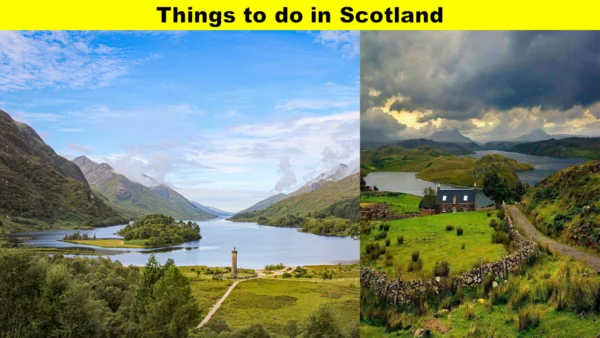
Things to do in Scotland based on NeemTime research from most popular to just popular.
Edinburgh Castle, Scotland
Overview: Edinburgh Castle is a historic hilltop fortress dominating the skyline of Edinburgh and housing royal treasures, military museums, and centuries of Scottish heritage.
History: It developed as a royal stronghold and military fortress that played a central role in Scotland’s wars, monarchies, and political history.
Since When: Human occupation on Castle Rock dates back to at least the 12th century.
Review: Visitors praise its dramatic views, historical exhibits, and iconic significance in Scottish culture.
When to Go: Spring and early autumn for pleasant weather and fewer tourist crowds.
How to Go: Located in central Edinburgh atop Castle Rock, accessible by walking, bus, or taxi from the city center.
What to Do: Explore royal chambers, view the Crown Jewels, and watch the firing of the One O’Clock Gun.
Free or Paid: Paid entry.
National Museum of Scotland, Scotland
Overview: National Museum of Scotland is a major cultural museum featuring Scottish history, science, technology, archaeology, and world cultures under one roof.
History: It was formed through the merging of several historic museums to preserve and present Scotland’s national heritage.
Since When: The original museum institutions date back to the 19th century, with the merged museum established in 2006.
Review: Visitors admire its interactive exhibits, extensive collections, and impressive Victorian architecture.
When to Go: Weekday mornings for a quieter museum experience.
How to Go: Located in central Edinburgh near the Royal Mile, accessible by walking or public transport.
What to Do: Explore exhibitions, learn Scottish history, and enjoy rooftop city views.
Free or Paid: Free entry for permanent galleries; some exhibitions are paid.
The Kelpies, Scotland
Overview: The Kelpies are gigantic horse-head sculptures in Falkirk symbolizing Scotland’s industrial heritage and mythical water spirits from Scottish folklore.
History: They were created as part of the Helix regeneration project celebrating the nation’s horse-powered industrial past.
Since When: Opened in 2013.
Review: Visitors appreciate the sculptures’ massive scale, nighttime lighting, and scenic canal surroundings.
When to Go: Evening hours for illuminated views and photography.
How to Go: Located in Falkirk between Edinburgh and Glasgow, accessible by car, train, and bus.
What to Do: Walk around the sculptures, take guided tours, and enjoy nearby park trails.
Free or Paid: Free outdoor access; guided tours are paid.
Urquhart Castle, Scotland
Overview: Urquhart Castle is a dramatic ruined medieval fortress overlooking Loch Ness in the Scottish Highlands.
History: It played an important role during the Wars of Scottish Independence and later suffered destruction during clan conflicts.
Since When: The earliest fortifications date back to the 13th century.
Review: Visitors love its scenic Loch Ness views, atmospheric ruins, and Highland history.
When to Go: Late spring through early autumn for clear weather and longer daylight hours.
How to Go: Located near Drumnadrochit on Loch Ness, accessible by car or tour buses from Inverness.
What to Do: Explore castle ruins, learn medieval history, and enjoy panoramic loch photography.
Free or Paid: Paid entry.
Eilean Donan Castle, Scotland
Overview: Eilean Donan Castle is one of Scotland’s most photographed castles situated on a small island where three sea lochs meet.
History: It was originally built as a defensive stronghold against Viking invasions and later restored in the 20th century after centuries of ruin.
Since When: Originally constructed in the 13th century.
Review: Visitors praise its fairy-tale scenery, scenic Highland backdrop, and beautifully restored interiors.
When to Go: Spring and summer for lush landscapes and accessible travel conditions.
How to Go: Located near Kyle of Lochalsh in the Highlands, accessible by car or guided tours.
What to Do: Tour castle interiors, photograph the iconic bridge views, and explore surrounding lochs.
Free or Paid: Paid entry for castle access.
Royal Mile, Scotland
Overview: Royal Mile is Edinburgh’s most famous historic street stretching between Edinburgh Castle and the Palace of Holyroodhouse with shops, pubs, and medieval landmarks.
History: It developed during the medieval period as the main route connecting Scotland’s royal fortress and royal residence.
Since When: Established during the Middle Ages, primarily from the 15th century onward.
Review: Visitors love its lively atmosphere, historic architecture, street performers, and traditional Scottish shops.
When to Go: Summer during festival season or spring for fewer crowds and pleasant weather.
How to Go: Located in Edinburgh Old Town, accessible by walking, bus, or taxi from central Edinburgh.
What to Do: Explore closes, shop for souvenirs, visit museums, and enjoy Scottish food and music.
Free or Paid: Free to walk; attractions and shopping are paid.
The Real Mary King’s Close, Scotland
Overview: The Real Mary King’s Close is an underground historic attraction featuring preserved 17th-century streets and rooms beneath Edinburgh’s Royal Mile.
History: It was once a busy residential area later buried beneath city development and rediscovered as an important historical site.
Since When: The original close dates back to the 1600s, with the attraction opened to the public in 2003.
Review: Visitors praise its immersive guided tours, eerie atmosphere, and fascinating stories of old Edinburgh life.
When to Go: Evenings for a more atmospheric experience or weekdays for smaller groups.
How to Go: Located on the Royal Mile in central Edinburgh, accessible by walking.
What to Do: Join guided tours, learn about plague-era Edinburgh, and explore underground chambers.
Free or Paid: Paid entry.
Royal Yacht Britannia, Scotland
Overview: Royal Yacht Britannia is the former royal yacht of the British monarchy now operating as a museum attraction in Edinburgh’s Leith district.
History: It served the British royal family for decades on official state visits and royal voyages worldwide.
Since When: Launched in 1953 and opened as a public attraction in 1998.
Review: Visitors admire its elegant interiors, royal history, and informative audio tours.
When to Go: Spring and summer for pleasant waterfront weather.
How to Go: Docked at Ocean Terminal in Leith, accessible by bus, tram, or taxi from central Edinburgh.
What to Do: Tour royal rooms, explore crew quarters, and learn maritime royal history.
Free or Paid: Paid entry.
Royal Botanic Garden Edinburgh, Scotland
Overview: Royal Botanic Garden Edinburgh is a world-renowned botanical garden featuring rare plants, glasshouses, and beautifully landscaped grounds.
History: It was founded for scientific study and medicinal plant research before growing into a major international botanical institution.
Since When: Established in 1670.
Review: Visitors appreciate its peaceful atmosphere, seasonal flowers, and impressive plant collections.
When to Go: Spring and summer for blooming gardens and outdoor walks.
How to Go: Located north of Edinburgh city center, accessible by bus or taxi.
What to Do: Walk themed gardens, visit glasshouses, and enjoy photography and nature study.
Free or Paid: Garden entry is free; some glasshouses and exhibitions may be paid.
Palace of Holyroodhouse, Scotland
Overview: Palace of Holyroodhouse is the official Scottish residence of the British monarch located at the end of Edinburgh’s Royal Mile.
History: It evolved from a medieval abbey guesthouse into a royal palace closely linked with Scottish monarchs including Mary, Queen of Scots.
Since When: Founded as an abbey in 1128 with palace development beginning in the 16th century.
Review: Visitors praise its royal apartments, historical significance, and beautiful surrounding grounds.
When to Go: Spring and summer for garden access and pleasant touring conditions.
How to Go: Located at the eastern end of the Royal Mile, accessible by walking or public transport.
What to Do: Tour royal rooms, visit Holyrood Abbey ruins, and explore palace gardens.
Free or Paid: Paid entry.
Arthur’s Seat, Scotland
Overview: Arthur’s Seat is an ancient volcanic hill in Edinburgh offering panoramic views of the city, coastline, and surrounding Scottish landscape.
History: It formed millions of years ago through volcanic activity and later became associated with legends linked to King Arthur.
Since When: The volcanic formation dates back over 300 million years.
Review: Visitors praise the rewarding summit views, scenic hiking routes, and natural beauty within the city.
When to Go: Early mornings or sunset during spring and summer for the best visibility and atmosphere.
How to Go: Located in Holyrood Park, accessible by walking, bus, or taxi from central Edinburgh.
What to Do: Hike trails, enjoy photography, and experience panoramic views of Edinburgh.
Free or Paid: Free entry.
The Falkirk Wheel, Scotland
Overview: The Falkirk Wheel is a unique rotating boat lift connecting two major canals and serving as one of Scotland’s most innovative engineering landmarks.
History: It was built to reconnect the Forth and Clyde Canal with the Union Canal after decades of separation.
Since When: Opened in 2002.
Review: Visitors admire its futuristic engineering design, boat rides, and educational visitor center.
When to Go: Spring and summer when canal boat tours operate regularly.
How to Go: Located in Falkirk between Edinburgh and Glasgow, accessible by train, bus, or car.
What to Do: Ride canal boats, watch the wheel rotate, and explore nearby walking trails.
Free or Paid: Free to view; boat rides and activities are paid.
Camera Obscura and World of Illusions, Scotland
Overview: Camera Obscura and World of Illusions is an interactive attraction in Edinburgh featuring optical illusions, holograms, and a historic rooftop camera obscura experience.
History: The attraction evolved from a Victorian optical viewing device into a modern family entertainment venue.
Since When: The camera obscura experience dates back to the 1850s, with modern expansion developed later.
Review: Visitors enjoy the fun interactive exhibits, rooftop views, and family-friendly atmosphere.
When to Go: Afternoons or evenings for indoor entertainment during any season.
How to Go: Located near Edinburgh Castle on the Royal Mile, accessible by walking.
What to Do: Explore illusion rooms, experience the camera obscura show, and enjoy rooftop city views.
Free or Paid: Paid entry.
Edinburgh Old Town, Scotland
Overview: Edinburgh Old Town is a UNESCO World Heritage district filled with medieval streets, historic buildings, hidden alleys, and famous Scottish landmarks.
History: It developed during the medieval period as the historic and political center of Edinburgh.
Since When: The area has existed since at least the 12th century.
Review: Visitors love its historic atmosphere, Gothic architecture, and lively cultural scene.
When to Go: Summer during festival season or autumn for fewer crowds and cooler weather.
How to Go: Located in central Edinburgh, accessible by walking, bus, and train connections.
What to Do: Explore historic streets, visit museums, dine in traditional pubs, and join ghost tours.
Free or Paid: Free to explore; attractions inside are often paid.
Kelvingrove Art Gallery and Museum, Scotland
Overview: Kelvingrove Art Gallery and Museum is one of Scotland’s most visited museums featuring fine art, natural history, and cultural exhibits inside a grand red sandstone building.
History: It was built for the Glasgow International Exhibition and later became a major public museum and art gallery.
Since When: Opened in 1901.
Review: Visitors praise its impressive architecture, diverse collections, and free public access.
When to Go: Weekday mornings for quieter galleries and comfortable exploration.
How to Go: Located in Glasgow’s West End, accessible by train, subway, bus, or walking.
What to Do: Explore art collections, view historical artifacts, and attend cultural exhibitions.
Free or Paid: Free entry.
Camera Obscura & World of Illusions, Scotland
Overview: Camera Obscura & World of Illusions is an interactive attraction in Edinburgh combining optical illusions, holograms, mirror mazes, and panoramic rooftop views.
History: It began as a Victorian camera obscura observatory and evolved into one of Scotland’s most popular interactive entertainment museums.
Since When: The original camera obscura attraction dates back to the 1850s.
Review: Visitors praise its entertaining exhibits, family-friendly atmosphere, and excellent views over Edinburgh.
When to Go: Afternoons or rainy days for enjoyable indoor exploration.
How to Go: Located near Edinburgh Castle on the Royal Mile, accessible by walking and public transport.
What to Do: Experience illusion rooms, watch the camera obscura show, and enjoy rooftop photography.
Free or Paid: Paid entry.
Culloden Battlefield (National Trust for Scotland), Scotland
Overview: Culloden Battlefield is the historic site of the final Jacobite Rising battle featuring preserved moorland, memorials, and an immersive visitor center.
History: It was the location of the decisive 1746 battle where government forces defeated the Jacobite army led by Bonnie Prince Charlie.
Since When: The battlefield became historically significant after the Battle of Culloden in 1746.
Review: Visitors appreciate its emotional atmosphere, detailed historical exhibits, and respectful preservation of Scottish history.
When to Go: Spring through autumn for comfortable outdoor walking conditions.
How to Go: Located near Inverness in the Highlands, accessible by car, bus, or guided tours.
What to Do: Walk battlefield trails, visit clan memorial stones, and explore the visitor center.
Free or Paid: Outdoor battlefield access is free; visitor center entry is paid.
Kelvingrove Park, Scotland
Overview: Kelvingrove Park is a large Victorian public park in Glasgow featuring riverside paths, monuments, gardens, and open green spaces.
History: It was designed as part of Glasgow’s urban expansion and hosted sections of the 1888 International Exhibition.
Since When: Opened in 1852.
Review: Visitors enjoy its relaxing atmosphere, scenic walking paths, and proximity to museums and universities.
When to Go: Spring and summer for outdoor activities and blooming gardens.
How to Go: Located in Glasgow’s West End, accessible by subway, bus, or walking.
What to Do: Picnic, walk riverside trails, relax in gardens, and attend outdoor events.
Free or Paid: Free entry.
Loch Lomond & The Trossachs National Park, Scotland
Overview: Loch Lomond & The Trossachs National Park is a vast scenic region of lochs, mountains, forests, and hiking trails showcasing Scotland’s natural beauty.
History: It was established to protect the Highlands’ landscapes, wildlife, and cultural heritage while supporting sustainable tourism.
Since When: Officially designated as a national park in 2002.
Review: Visitors describe it as breathtaking, peaceful, and ideal for outdoor adventures and photography.
When to Go: Late spring through early autumn for hiking, boating, and clear weather.
How to Go: Accessible by car, train, and guided tours from Glasgow or Edinburgh.
What to Do: Hike mountains, cruise Loch Lomond, camp, and explore scenic villages.
Free or Paid: Free park entry; activities and tours may be paid.
Dunnottar Castle, Scotland
Overview: Dunnottar Castle is a dramatic cliffside medieval fortress overlooking the North Sea and known for its rugged scenery and historic ruins.
History: It played a key role in Scottish history, including protecting the Scottish Crown Jewels during conflicts with Oliver Cromwell’s forces.
Since When: The earliest fortifications date back to the Early Middle Ages, with major structures built from the 15th century onward.
Review: Visitors praise its spectacular coastal location, atmospheric ruins, and unforgettable views.
When to Go: Summer and early autumn for safer walking conditions and clear coastal scenery.
How to Go: Located near Stonehaven, accessible by car, train, and walking paths.
What to Do: Explore castle ruins, photograph sea cliffs, and learn Scottish history.
Free or Paid: Paid entry.
St Giles’ Cathedral, Scotland
Overview: St Giles’ Cathedral is a historic Gothic church on Edinburgh’s Royal Mile famous for its crown-shaped steeple, stained glass windows, and Scottish religious heritage.
History: It served as a central place of worship during the Scottish Reformation and became closely associated with reformer John Knox.
Since When: The current structure largely dates from the 14th century, though earlier churches existed on the site before that.
Review: Visitors admire its stunning architecture, peaceful interior, and historical importance in Scottish Christianity.
When to Go: Morning hours or during quieter weekdays for a peaceful visit.
How to Go: Located on the Royal Mile in central Edinburgh, accessible by walking and public transport.
What to Do: Explore chapels, view stained glass, and attend services or musical performances.
Free or Paid: Free entry; donations are encouraged.
Holyrood Park, Scotland
Overview: Holyrood Park is a vast royal park in Edinburgh featuring volcanic hills, cliffs, walking trails, and scenic landscapes surrounding Arthur’s Seat.
History: It was preserved as royal hunting grounds before becoming a protected public recreational area.
Since When: The royal park origins date back to the 16th century.
Review: Visitors love its natural scenery, hiking opportunities, and panoramic views over Edinburgh.
When to Go: Spring and summer for hiking and longer daylight hours.
How to Go: Located near the Palace of Holyroodhouse, accessible by walking, bus, or taxi.
What to Do: Hike Arthur’s Seat, picnic, and explore scenic trails and viewpoints.
Free or Paid: Free entry.
Stirling Castle, Scotland
Overview: Stirling Castle is one of Scotland’s grandest historic castles known for its royal palaces, military importance, and commanding hilltop position.
History: It played a major role in the Wars of Scottish Independence and served as a residence for Scottish monarchs including Mary, Queen of Scots.
Since When: The earliest recorded castle structures date back to the 12th century.
Review: Visitors praise its well-preserved interiors, historical exhibitions, and spectacular countryside views.
When to Go: Late spring through early autumn for comfortable touring weather.
How to Go: Located in Stirling city center, accessible by train, bus, or car from Edinburgh and Glasgow.
What to Do: Tour royal halls, explore ramparts, and learn about Scottish royal history.
Free or Paid: Paid entry.
Glenfinnan Viaduct, Scotland
Overview: Glenfinnan Viaduct is a famous curved railway bridge in the Scottish Highlands known worldwide for its scenic beauty and appearances in films including the Harry Potter series.
History: It was built as part of the West Highland Railway to improve transportation across remote Highland regions.
Since When: Completed in 1901.
Review: Visitors admire its dramatic mountain scenery, iconic steam train crossings, and photography opportunities.
When to Go: Summer months when the Jacobite steam train regularly crosses the viaduct.
How to Go: Located near Glenfinnan village, accessible by car, train, or guided Highland tours.
What to Do: Watch trains cross the viaduct, hike nearby trails, and photograph the landscape.
Free or Paid: Free viewing areas; some parking may be paid.
Cairngorms National Park, Scotland
Overview: Cairngorms National Park is the largest national park in the United Kingdom featuring mountains, forests, rivers, wildlife, and outdoor adventure activities.
History: It was established to protect Scotland’s unique Highland ecosystems and promote sustainable tourism and conservation.
Since When: Officially designated as a national park in 2003.
Review: Visitors describe it as breathtaking, peaceful, and ideal for hiking, skiing, and wildlife spotting.
When to Go: Summer for hiking and winter for snow sports and mountain scenery.
How to Go: Accessible by car, train, and bus from major Scottish cities including Inverness and Edinburgh.
What to Do: Hike mountains, ski, watch wildlife, and explore Highland villages.
Free or Paid: Free park entry; activities and guided tours may be paid.
Riverside Museum of Transport and Travel, Scotland
Overview: Riverside Museum of Transport and Travel in Glasgow is a modern, award-winning museum showcasing historic vehicles, locomotives, bicycles, and interactive transport exhibits along the River Clyde.
History: It was developed to replace the former Glasgow Museum of Transport and to create a larger, contemporary space for the city’s transport heritage.
Since When: Opened in 2011.
Review: Visitors praise its striking architecture, free entry, and engaging displays suitable for both adults and children.
When to Go: Weekdays or mornings to avoid school groups and weekend crowds.
How to Go: Located at Pointhouse Place in Glasgow, accessible by subway, bus, or walking from the city center.
What to Do: Explore historic vehicles, interactive exhibits, and walk through recreated old street scenes.
Free or Paid: Free entry.
Calton Hill, Scotland
Overview: Calton Hill is a central Edinburgh hill offering panoramic city views and iconic monuments including the National Monument and Nelson Monument.
History: It became a public space and site for neoclassical monuments in the 19th century reflecting Edinburgh’s Enlightenment-era ambitions.
Since When: Public use developed prominently in the early 1800s.
Review: Visitors love its easy hike, stunning sunset views, and photographic city skyline.
When to Go: Sunrise or sunset for the best lighting and atmosphere.
How to Go: Located at the east end of Princes Street, accessible by walking from central Edinburgh.
What to Do: Climb viewpoints, photograph monuments, and enjoy city panoramas.
Free or Paid: Free entry.
Blair Drummond Safari Park, Scotland
Overview: Blair Drummond Safari Park is a family wildlife attraction near Stirling featuring drive-through safari areas, animal enclosures, and adventure playgrounds.
History: It was established to provide a safari-style wildlife experience in Scotland inspired by African safari parks.
Since When: Opened in 1970.
Review: Visitors praise its family-friendly activities, animal encounters, and spacious natural enclosures.
When to Go: Spring and summer when all attractions and animals are most active.
How to Go: Located near Stirling, accessible by car or bus from Glasgow and Edinburgh.
What to Do: Drive through safari zones, see animals, and enjoy rides and play areas.
Free or Paid: Paid entry.
Dunrobin Castle, Scotland
Overview: Dunrobin Castle is a fairy-tale-style stately home and castle in the Scottish Highlands featuring gardens, museums, and coastal views.
History: It has served as the ancestral seat of the Earls and Dukes of Sutherland for centuries and reflects French château-style architecture.
Since When: The earliest structures date back to the 1300s, with major rebuilding in the 1800s.
Review: Visitors admire its elegant architecture, falconry displays, and beautiful gardens overlooking the sea.
When to Go: Late spring to early autumn for gardens and outdoor shows.
How to Go: Located near Golspie in northern Scotland, accessible by car or train on the Far North Line.
What to Do: Tour castle rooms, watch falconry displays, and explore formal gardens.
Free or Paid: Paid entry.
Fairy Pools, Scotland
Overview: Fairy Pools are a series of crystal-clear blue pools and waterfalls located in Glen Brittle on the Isle of Skye surrounded by dramatic mountain scenery.
History: They are natural geological formations shaped by glacial water flow and erosion over thousands of years.
Since When: Formed naturally over thousands of years, with tourism growing significantly in the 21st century.
Review: Visitors praise their stunning turquoise water, magical scenery, and hiking experience.
When to Go: Late spring and summer for safer trails and better weather conditions.
How to Go: Located on the Isle of Skye, accessible by car and a short hike from the main road.
What to Do: Hike trails, photograph waterfalls, and explore natural pools.
Free or Paid: Free entry.