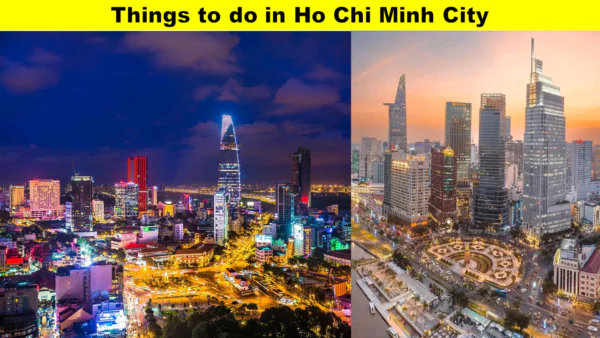
Things to do in Ho Chi Minh City based on NeemTime research from most popular to just popular.
Ben Thanh Market, Ho Chi Minh City
Overview: Ben Thanh Market is a bustling marketplace in Ho Chi Minh City offering a wide range of goods, including local handicrafts, clothing, souvenirs, and food.
History: The market was established during the French colonial period to serve as a central trading hub for the city.
Since When: It has been operating since the early 20th century and remains one of the most iconic landmarks of Ho Chi Minh City.
Review: Visitors enjoy the lively atmosphere, variety of products, and opportunities to experience authentic local culture.
When to Go: Early morning or late afternoon is ideal to avoid the largest crowds and enjoy fresher produce.
How to Go: The market is located in District 1 and can be reached easily by taxi, motorbike, or on foot from nearby accommodations.
What to Do: Visitors can shop for souvenirs, sample Vietnamese street food, and explore the bustling market environment.
Free or Paid: Entry is free, but purchases of goods and food are paid.
Independence Palace, Ho Chi Minh City
Overview: Independence Palace, also known as Reunification Palace, is a historic government building and museum showcasing Vietnam’s political history.
History: The palace was built on the site of the former Norodom Palace and served as the residence of the President of South Vietnam.
Since When: It has been a museum and tourist attraction since the end of the Vietnam War in 1975.
Review: Visitors appreciate the preserved architecture, historical exhibits, and insight into Vietnam’s modern history.
When to Go: Morning visits are best to explore the palace and its gardens without large crowds.
How to Go: It is located in District 1 and can be accessed by taxi, motorbike, or on foot from central Ho Chi Minh City.
What to Do: Visitors can tour the palace interiors, view historical rooms, and explore the surrounding gardens.
Free or Paid: Entry is paid, with tickets required per person.
War Remnants Museum, Ho Chi Minh City
Overview: The War Remnants Museum is a museum dedicated to documenting the Vietnam War through exhibits of military equipment, photographs, and historical artifacts.
History: The museum was established to preserve and educate visitors about the history and impact of the Vietnam War.
Since When: It has been open to the public since 1975 and continues to attract local and international visitors.
Review: Visitors find the museum informative, emotional, and thought-provoking with a strong historical narrative.
When to Go: Morning or early afternoon is ideal to avoid heavy tourist traffic.
How to Go: Located in District 3, it can be reached by taxi, motorbike, or public bus.
What to Do: Visitors can view war exhibits, learn about Vietnam’s history, and take photographs in permitted areas.
Free or Paid: Entry is paid, with tickets required per person.
Saigon Zoo & Botanical Gardens, Ho Chi Minh City
Overview: Saigon Zoo & Botanical Gardens is a historic zoo and botanical garden featuring diverse animal species, tropical plants, and recreational areas.
History: It was founded during the French colonial period as a space for education, leisure, and wildlife preservation.
Since When: It has been operating since 1865, making it one of the oldest zoological parks in the world.
Review: Visitors enjoy the variety of animals, well-maintained gardens, and family-friendly environment.
When to Go: Morning visits are best when animals are active and temperatures are cooler.
How to Go: The zoo is located in District 1 and can be reached by taxi, motorbike, or city bus.
What to Do: Visitors can observe animals, walk through botanical gardens, take photographs, and enjoy recreational activities for children.
Free or Paid: Entry is paid, with tickets required per person.
Dam Sen Water Park, Ho Chi Minh City
Overview: Dam Sen Water Park is a large water park in Ho Chi Minh City offering slides, pools, wave pools, and family-friendly entertainment.
History: The park was developed to provide a recreational space for locals and tourists seeking water-based fun in the city.
Since When: It has been operating for several decades and remains one of the most popular water parks in the area.
Review: Visitors enjoy the variety of rides, clean facilities, and fun-filled atmosphere for families and groups.
When to Go: Weekdays or early mornings are ideal to avoid long queues and large crowds.
How to Go: The park is located in District 11 and can be reached by taxi, motorbike, or public transport.
What to Do: Visitors can enjoy water slides, swimming pools, wave pools, and family-friendly attractions.
Free or Paid: Entry is paid, with tickets required per person.
Cu Chi Tunnels, Ho Chi Minh City
Overview: The Cu Chi Tunnels are an extensive underground network used during the Vietnam War, now serving as a historical site and tourist attraction near Ho Chi Minh City.
History: The tunnels were constructed by Vietnamese soldiers to serve as hideouts, supply routes, and living quarters during the war.
Since When: They have been open to the public for tours since the late 20th century.
Review: Visitors find the site fascinating, educational, and a powerful reminder of Vietnam’s wartime resilience.
When to Go: Morning visits are best to avoid crowds and enjoy guided tours in cooler conditions.
How to Go: The tunnels are located approximately 70 km from central Ho Chi Minh City and can be reached by car, bus, or organized tours.
What to Do: Visitors can explore sections of the tunnels, learn about wartime strategies, and watch historical exhibits and demonstrations.
Free or Paid: Entry is paid, with tickets required per person.
Bui Vien Walking Street, Ho Chi Minh City
Overview: Bui Vien Walking Street is a lively pedestrian street in Ho Chi Minh City known for nightlife, restaurants, bars, and street entertainment.
History: The street developed as a hub for backpackers and tourists seeking nightlife and cultural experiences in District 1.
Since When: It has been a popular tourist area since the early 2000s.
Review: Visitors enjoy the energetic atmosphere, variety of food and drinks, and street performances.
When to Go: Evening hours are ideal to experience the nightlife and vibrant street activities.
How to Go: It is located in District 1 and can be reached by taxi, motorbike, or on foot from nearby hotels.
What to Do: Visitors can dine at restaurants, enjoy drinks at bars, watch street performers, and socialize with locals and tourists.
Free or Paid: Entry is free, though food, drinks, and activities are paid.
Suoi Tien Theme Park, Ho Chi Minh City
Overview: Suoi Tien Theme Park is a large amusement park offering water rides, cultural attractions, and entertainment for families.
History: The park was designed to blend traditional Vietnamese culture with modern amusement park attractions for educational and recreational purposes.
Since When: It has been operating since the 1990s and remains a popular destination for locals and tourists.
Review: Visitors enjoy the variety of rides, cultural exhibits, and family-friendly environment.
When to Go: Weekdays or mornings are best to avoid crowds and enjoy the rides comfortably.
How to Go: The park is located in District 9 and can be reached by taxi, motorbike, or organized tour.
What to Do: Visitors can ride roller coasters, explore cultural exhibits, swim in water attractions, and attend live performances.
Free or Paid: Entry is paid, with tickets required per person.
Landmark 81, Ho Chi Minh City
Overview: Landmark 81 is the tallest skyscraper in Vietnam, featuring observation decks, luxury shopping, restaurants, and entertainment facilities.
History: The tower was developed as a symbol of Ho Chi Minh City’s modernization and economic growth.
Since When: It opened in 2018 and quickly became an iconic landmark of the city skyline.
Review: Visitors appreciate the panoramic city views, modern architecture, and variety of leisure options.
When to Go: Late afternoon or evening is ideal to enjoy sunset views and the illuminated cityscape at night.
How to Go: Located in Binh Thanh District, it can be reached by taxi, car, or public transport.
What to Do: Visitors can visit the observation deck, shop at luxury stores, dine at restaurants, and explore entertainment facilities.
Free or Paid: Entry to the observation deck is paid, while access to shopping areas is free.
Bitexco Financial Tower, Ho Chi Minh City
Overview: Bitexco Financial Tower is a prominent skyscraper in Ho Chi Minh City featuring offices, a sky deck, and dining options.
History: The tower was constructed to serve as a commercial and financial hub while offering public observation spaces for tourists.
Since When: It has been open since 2010 and remains a symbol of the city’s rapid urban development.
Review: Visitors enjoy the panoramic city views from the sky deck and the modern architectural design.
When to Go: Late afternoon is ideal to see both daytime city views and evening lights.
How to Go: The tower is located in District 1 and can be reached by taxi, motorbike, or public transportation.
What to Do: Visitors can visit the observation deck, dine in the café, and take photographs of the city skyline.
Free or Paid: Entry to the sky deck is paid, while general access to the building lobby is free.
Saigon Central Post Office, Ho Chi Minh City
Overview: Saigon Central Post Office is a historic building in Ho Chi Minh City featuring French colonial architecture and operational postal services.
History: It was designed by Gustave Eiffel and constructed in the late 19th century during the French colonial period.
Since When: The post office has been serving the public since 1891 and remains a functioning postal facility and tourist attraction.
Review: Visitors admire the elegant architecture, historical significance, and well-preserved interior with vintage maps and telephone booths.
When to Go: Morning or early afternoon is ideal to avoid crowds and enjoy photographs.
How to Go: It is located in District 1 and can be reached by taxi, motorbike, or on foot from nearby attractions.
What to Do: Visitors can send postcards, explore the interior architecture, take photos, and learn about the history of communication in Vietnam.
Free or Paid: Entry is free, though postal services and souvenirs are paid.
Saigon Opera House, Ho Chi Minh City
Overview: Saigon Opera House is a French colonial-style theatre hosting live performances, cultural shows, and art exhibitions.
History: Built in 1897 during French colonial rule, it was originally used as the city’s municipal theatre.
Since When: It has been restored and used for cultural events since the early 1990s.
Review: Visitors enjoy the beautiful architecture, vibrant performances, and cultural significance of the venue.
When to Go: Evenings are ideal to attend performances and experience the theatre at its best.
How to Go: Located in District 1, it can be reached by taxi, motorbike, or walking from nearby hotels.
What to Do: Visitors can attend live performances, take guided tours, and photograph the ornate façade and interior.
Free or Paid: Entry to the building is free for tours, while attending performances requires paid tickets.
Cu Chi Tunnel, Ho Chi Minh City
Overview: Cu Chi Tunnel is a vast underground network used during the Vietnam War, now serving as a historical and educational site near Ho Chi Minh City.
History: Constructed by Vietnamese soldiers, the tunnels served as living quarters, supply routes, and military hideouts during the war.
Since When: They have been open to visitors for educational tours since the late 20th century.
Review: Visitors find the tunnels fascinating, informative, and a vivid representation of Vietnam’s wartime history.
When to Go: Morning visits are best to avoid crowds and experience cooler conditions inside the tunnels.
How to Go: The tunnels are located about 70 km from central Ho Chi Minh City and can be reached by car, bus, or guided tours.
What to Do: Visitors can explore sections of the tunnels, view demonstrations, and learn about wartime strategies and history.
Free or Paid: Entry is paid, with guided tour tickets required per person.
Tao Dan Park, Ho Chi Minh City
Overview: Tao Dan Park is a central urban park in Ho Chi Minh City featuring walking paths, playgrounds, and green spaces for relaxation.
History: The park was developed to provide a recreational area for residents and preserve green space within the city.
Since When: It has been open to the public since the mid-20th century and continues to be a popular local destination.
Review: Visitors appreciate the calm environment, mature trees, and open areas for walking, jogging, or leisure.
When to Go: Early morning or late afternoon is ideal for cooler temperatures and fewer crowds.
How to Go: The park is located in District 1 and can be reached by taxi, motorbike, or on foot from nearby locations.
What to Do: Visitors can walk, jog, relax under trees, enjoy playgrounds, and take photographs of the landscaped areas.
Free or Paid: Entry is free.
Vietnam Travel Group, Ho Chi Minh City
Overview: Vietnam Travel Group is a travel agency in Ho Chi Minh City offering guided tours, transport services, and travel packages across Vietnam.
History: The company was founded to provide organized travel experiences for domestic and international tourists.
Since When: It has been operating for several years and continues to be a trusted travel service provider.
Review: Visitors value the professional service, convenient tour packages, and knowledgeable guides.
When to Go: Travel bookings can be made any day, but tours are best scheduled in advance for peak tourist seasons.
How to Go: The office is located in central Ho Chi Minh City and can be accessed via taxi, motorbike, or public transport.
What to Do: Visitors can book guided city tours, arrange transportation, and plan trips to various attractions in Vietnam.
Free or Paid: Services are paid, depending on the tours and packages selected.
Saigon Skydeck, Ho Chi Minh City
Overview: Saigon Skydeck is an observation platform atop Bitexco Financial Tower offering panoramic views of Ho Chi Minh City and the Saigon River.
History: It was developed as part of the Bitexco Financial Tower project to provide tourists and locals with a modern city viewpoint.
Since When: The Skydeck has been open to the public since 2010.
Review: Visitors appreciate the stunning 360-degree views, fast elevators, and opportunity for photography.
When to Go: Late afternoon is ideal to catch daylight city views and stay for the illuminated skyline at night.
How to Go: It is located in District 1 and can be accessed via taxi, motorbike, or public transport.
What to Do: Visitors can enjoy city views, take photographs, and relax at the Skydeck café.
Free or Paid: Entry is paid, with tickets required per person.
Ben Nghe Street Food, Ho Chi Minh City
Overview: Ben Nghe Street Food is a vibrant area in District 1 offering an array of local Vietnamese dishes and street snacks.
History: The area developed organically as a hub for street food vendors catering to locals and tourists alike.
Since When: It has been a popular food destination since the early 2000s.
Review: Visitors enjoy the authentic flavors, lively atmosphere, and variety of inexpensive dishes.
When to Go: Evening hours are ideal for experiencing the bustling street food scene.
How to Go: The area is located in central District 1 and can be reached by taxi, motorbike, or walking from nearby hotels.
What to Do: Visitors can sample local foods, interact with vendors, and experience the culture of Vietnamese street cuisine.
Free or Paid: Entry is free, but food and drinks are paid.
Ho Chi Minh City Book Street, Ho Chi Minh City
Overview: Ho Chi Minh City Book Street is a pedestrian street dedicated to books, cultural events, and reading activities.
History: It was developed to promote reading culture and provide a hub for book lovers in the city.
Since When: The street has been operational since the early 2010s.
Review: Visitors enjoy the peaceful atmosphere, variety of bookshops, and occasional cultural performances.
When to Go: Morning or late afternoon is ideal to enjoy a quieter experience and browse the shops comfortably.
How to Go: Located in District 1, it can be accessed on foot, by taxi, or motorbike.
What to Do: Visitors can browse books, attend literary events, take photographs, and purchase publications.
Free or Paid: Entry is free, with books and events priced separately.
Ho Chi Minh Museum, Ho Chi Minh City
Overview: Ho Chi Minh Museum is a museum dedicated to the life, achievements, and legacy of Vietnam’s revolutionary leader, Ho Chi Minh.
History: The museum was established to honor the memory and contributions of Ho Chi Minh to Vietnam’s independence and development.
Since When: It has been open to the public since the late 20th century.
Review: Visitors appreciate the informative exhibits, photographs, and historical artifacts that document Ho Chi Minh’s life.
When to Go: Morning or early afternoon is ideal for a full visit without crowds.
How to Go: The museum is located in District 1 and can be accessed via taxi, motorbike, or on foot.
What to Do: Visitors can explore exhibits, learn about Vietnamese history, and take photographs in permitted areas.
Free or Paid: Entry is free.
The Independence Palace, Ho Chi Minh City
Overview: The Independence Palace, also known as Reunification Palace, is a historic landmark showcasing Vietnam’s political history and architecture.
History: Built on the site of the former Norodom Palace, it served as the residence and workplace of the President of South Vietnam.
Since When: It has been a museum and tourist site since the end of the Vietnam War in 1975.
Review: Visitors appreciate the preserved architecture, historical significance, and detailed exhibits.
When to Go: Morning visits are best to avoid crowds and fully explore the palace.
How to Go: Located in District 1, it can be reached by taxi, motorbike, or on foot from central Ho Chi Minh City.
What to Do: Visitors can tour the palace rooms, explore the gardens, and view historical exhibits.
Free or Paid: Entry is paid, with tickets required per person.
September 23rd Park, Ho Chi Minh City
Overview: September 23rd Park is a public urban park in Ho Chi Minh City featuring green spaces, walking paths, and recreational areas for relaxation.
History: The park was established to provide local residents with a natural retreat amid the bustling city.
Since When: It has been open to the public since the late 20th century.
Review: Visitors enjoy the calm environment, shaded walking trails, and spaces for exercise or leisure activities.
When to Go: Early morning or late afternoon is ideal to enjoy cooler temperatures and fewer crowds.
How to Go: The park is located in District 1 and can be accessed by taxi, motorbike, or on foot from nearby areas.
What to Do: Visitors can walk, jog, have picnics, relax under trees, and take photographs of the landscaped areas.
Free or Paid: Entry is free.
Sài Gòn Square, Ho Chi Minh City
Overview: Sài Gòn Square is a shopping center in Ho Chi Minh City offering clothing, accessories, souvenirs, and entertainment facilities.
History: The mall was developed to provide a convenient retail and leisure hub for locals and tourists.
Since When: It has been operating since the early 2000s and remains a popular shopping destination.
Review: Visitors appreciate the variety of affordable products, convenient location, and vibrant atmosphere.
When to Go: Weekdays or early mornings are best to avoid crowds and shop comfortably.
How to Go: Located in District 1, it can be accessed by taxi, motorbike, or on foot.
What to Do: Visitors can shop for fashion and souvenirs, browse electronics, and enjoy food stalls or small cafés inside.
Free or Paid: Entry is free, while purchases are paid.
Notre Dame Cathedral of Saigon, Ho Chi Minh City
Overview: Notre Dame Cathedral of Saigon is a historic Catholic cathedral in Ho Chi Minh City renowned for its French colonial architecture.
History: It was constructed by French colonists in the late 19th century using imported materials from France.
Since When: The cathedral has been a religious and cultural landmark since 1880.
Review: Visitors admire the striking red brick façade, twin bell towers, and serene interior atmosphere.
When to Go: Morning or late afternoon is ideal to enjoy the site with fewer crowds and good lighting for photography.
How to Go: It is located in District 1 and can be reached by taxi, motorbike, or on foot from nearby attractions.
What to Do: Visitors can admire the architecture, attend mass if desired, and take photographs of the exterior and interior.
Free or Paid: Entry is free.
White Rabbit Amusement Park, Ho Chi Minh City
Overview: White Rabbit Amusement Park is a family-friendly park featuring rides, playgrounds, and entertainment areas for children and teens.
History: The park was created to provide recreational and leisure activities for families in Ho Chi Minh City.
Since When: It has been operational since the late 20th century.
Review: Visitors enjoy the variety of rides, safe environment, and fun activities for younger children.
When to Go: Weekdays or early mornings are ideal to avoid long queues and large crowds.
How to Go: The park is located in District 12 and can be reached by taxi, motorbike, or private car.
What to Do: Visitors can enjoy rides, games, and family-oriented recreational activities.
Free or Paid: Entry is paid, with tickets required per person for rides and attractions.
Dam Sen Cultural Park, Ho Chi Minh City
Overview: Dam Sen Cultural Park is a large entertainment complex offering amusement rides, cultural shows, and water attractions.
History: The park was developed to combine entertainment and cultural experiences for both locals and tourists.
Since When: It has been operating since the 1990s and continues to attract families and visitors from across the city.
Review: Visitors appreciate the mix of thrill rides, cultural exhibitions, and family-friendly activities.
When to Go: Weekdays or mornings are best to avoid crowds and enjoy the full range of attractions.
How to Go: The park is located in District 11 and can be reached by taxi, motorbike, or public transportation.
What to Do: Visitors can enjoy roller coasters, water slides, cultural performances, and leisure activities for children and adults.
Free or Paid: Entry is paid, with tickets required per person for rides and attractions.
Street Food Man, Ho Chi Minh City
Overview: Street Food Man is a popular street food vendor in Ho Chi Minh City known for serving authentic Vietnamese dishes to locals and tourists.
History: The vendor started as a small local business to provide affordable, traditional Vietnamese meals on the streets.
Since When: It has been operating for several years and has gained recognition for its flavorful dishes.
Review: Visitors praise the quality, taste, and authenticity of the food, as well as the lively street food atmosphere.
When to Go: Evening hours are ideal to experience the bustling street food scene.
How to Go: It is located in District 1 and can be reached by taxi, motorbike, or on foot from nearby areas.
What to Do: Visitors can sample a variety of Vietnamese dishes, interact with the vendor, and experience authentic local cuisine.
Free or Paid: Entry is free, while food and drinks are paid.
Statue of Ho Chi Minh, Ho Chi Minh City
Overview: The Statue of Ho Chi Minh is a prominent monument in Ho Chi Minh City commemorating the life and leadership of Vietnam’s revolutionary leader.
History: The statue was erected to honor Ho Chi Minh’s role in Vietnam’s independence and unification.
Since When: It has been a public monument since the late 20th century.
Review: Visitors appreciate the monument’s significance, detailed craftsmanship, and its location as a symbol of national pride.
When to Go: Morning or late afternoon is ideal to avoid crowds and enjoy photographs.
How to Go: The statue is located in District 1 and can be accessed by taxi, motorbike, or walking.
What to Do: Visitors can view the statue, take photographs, and learn about Ho Chi Minh’s historical contributions.
Free or Paid: Entry is free.
Turtle Pond, Ho Chi Minh City
Overview: Turtle Pond is a scenic pond located near the Saigon Notre Dame Cathedral, famous for its peaceful environment and resident turtles.
History: The pond was created as part of the cathedral grounds to enhance the landscape and provide a quiet public space.
Since When: It has been a local landmark since the early 20th century.
Review: Visitors enjoy the tranquil atmosphere, observing turtles, and the picturesque surroundings.
When to Go: Early morning or late afternoon is ideal for a peaceful visit and better lighting for photographs.
How to Go: It is located in District 1 and can be reached by walking, taxi, or motorbike from central locations.
What to Do: Visitors can observe turtles, relax by the pond, and take photographs of the cathedral and surrounding area.
Free or Paid: Entry is free.
ACE TRAVELS, Ho Chi Minh City
Overview: ACE TRAVELS is a travel agency in Ho Chi Minh City providing guided tours, transportation, and travel packages across Vietnam.
History: The company was established to offer convenient travel arrangements and tour services to domestic and international tourists.
Since When: It has been operating for several years and continues to assist travelers with bookings and itineraries.
Review: Visitors appreciate the professional service, knowledgeable guides, and well-organized tour packages.
When to Go: Bookings can be made any day, but tours are best scheduled in advance during peak tourist seasons.
How to Go: The office is located in District 1 and can be reached by taxi, motorbike, or public transport.
What to Do: Visitors can book guided tours, arrange transportation, and plan trips to attractions across Vietnam.
Free or Paid: Services are paid, depending on the tours and packages selected.
Saigon Opera House (Ho Chi Minh Municipal Theater), Ho Chi Minh City
Overview: Saigon Opera House, also known as Ho Chi Minh Municipal Theater, is a historic French colonial-style theatre hosting cultural performances and events.
History: It was built in 1897 during the French colonial period as a venue for music, theatre, and official events.
Since When: The theatre has been restored and used for cultural performances since the early 1990s.
Review: Visitors enjoy the elegant architecture, vibrant performances, and cultural significance of the venue.
When to Go: Evening hours are ideal for attending performances and experiencing the theatre’s ambiance.
How to Go: Located in District 1, it can be reached by taxi, motorbike, or on foot from nearby hotels.
What to Do: Visitors can attend live performances, take guided tours, and photograph the ornate interior and exterior.
Free or Paid: Entry for tours is free, while attending performances requires paid tickets.