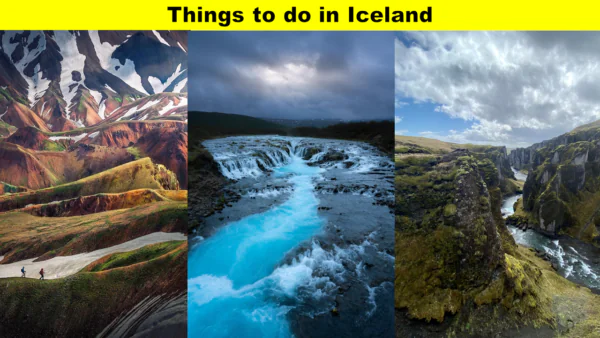
Things to do in Iceland based on NeemTime research from most popular to just popular.
Blue Lagoon, Iceland
Overview: Blue Lagoon is a world-famous geothermal spa known for its milky-blue mineral-rich waters and surreal lava field surroundings.
History: Developed from the runoff of the Svartsengi geothermal power plant, it quickly became a premier wellness destination.
Since When: Open to the public since 1992.
Review: Visitors rave about the therapeutic waters, modern facilities, and unique Icelandic landscape.
When to Go: Best visited early morning or late evening to avoid crowds and enjoy a tranquil experience.
How to Go: Located near Grindavík, accessible by car, shuttle bus, or tour from Reykjavik.
What to Do: Soak in geothermal pools, enjoy spa treatments, and explore the lava surroundings.
Free or Paid: Paid.
Hallgrimskirkja, Iceland
Overview: Hallgrimskirkja is Reykjavik’s iconic landmark church with striking architecture and panoramic city views.
History: Designed by Guðjón Samúelsson to resemble Iceland’s basalt lava flows and completed after decades of construction.
Since When: Construction began in 1945 and completed in 1986.
Review: Visitors admire its impressive design, scenic tower views, and cultural significance.
When to Go: Daytime for tower views and interior exploration; sunset for dramatic photography.
How to Go: Located in central Reykjavik, easily accessible on foot, by bus, or taxi.
What to Do: Tour the church, climb the observation tower, and photograph the striking architecture.
Free or Paid: Free to enter church, paid for tower access.
Thingvellir National Park, Iceland
Overview: Thingvellir National Park is a UNESCO World Heritage site known for its historical, geological, and tectonic significance.
History: It was the site of the first Icelandic parliament and a visible rift between the Eurasian and North American tectonic plates.
Since When: Established as a national park in 1928 and UNESCO site since 2004.
Review: Visitors praise its natural beauty, rich history, and unique geological formations.
When to Go: Year-round, but summer provides longer daylight and accessible trails.
How to Go: Accessible by car or guided tours from Reykjavik along the Golden Circle route.
What to Do: Hike trails, explore fissures and rift valleys, and learn about Icelandic history.
Free or Paid: Free, with parking fees in some areas.
Seljalandsfoss, Iceland
Overview: Seljalandsfoss is a stunning waterfall known for the unique path that allows visitors to walk behind its cascading water.
History: Formed from meltwater of the Eyjafjallajökull glacier and has become one of Iceland’s most photographed waterfalls.
Since When: Recognized as a major tourist attraction since the 20th century.
Review: Visitors love its accessibility, photographic opportunities, and immersive experience.
When to Go: Late spring to early fall for safer trail conditions and better visibility.
How to Go: Located along Route 1, accessible by car or guided Golden Circle tours.
What to Do: Walk behind the waterfall, photograph from multiple angles, and explore nearby trails.
Free or Paid: Free, with optional parking fee.
Kerið Crater, Iceland
Overview: Kerið is a striking volcanic crater lake with vivid red volcanic rock and deep blue waters.
History: Formed during a volcanic eruption, it is part of Iceland’s volcanic caldera landscape.
Since When: Recognized as a natural attraction since the 20th century.
Review: Visitors enjoy the vibrant colors, easy access, and short, scenic walking paths.
When to Go: Summer months for clear views and safe trail conditions.
How to Go: Accessible via Route 35 on the Golden Circle and by car or tour buses.
What to Do: Walk around the crater rim, descend to the lake, and take scenic photographs.
Free or Paid: Paid (small entrance fee).
Wake Up Reykjavik, Iceland
Overview: Wake Up Reykjavik is a modern, budget-friendly hostel offering convenient accommodations in the heart of Reykjavik.
History: Established to cater to international travelers seeking affordable lodging in central Reykjavik.
Since When: Operating since 2009.
Review: Guests praise its clean facilities, central location, and friendly staff, though rooms are basic.
When to Go: Year-round, ideal for exploring Reykjavik on foot.
How to Go: Located in downtown Reykjavik, easily reachable by walking, taxi, or public bus.
What to Do: Stay overnight, meet other travelers, and use it as a base to explore city attractions.
Free or Paid: Paid accommodation.
Strokkur Geyser, Iceland
Overview: Strokkur is one of Iceland’s most famous geysers, erupting spectacularly every few minutes.
History: It has been a known geothermal feature for centuries and remains a highlight of the Geysir geothermal area.
Since When: Documented since the 18th century.
Review: Visitors love the frequent eruptions and the dramatic scenery surrounding the geothermal area.
When to Go: Best in the morning or late afternoon to avoid large crowds.
How to Go: Located along the Golden Circle, accessible by car or guided tours from Reykjavik.
What to Do: Watch eruptions, photograph the geyser, and explore nearby hot springs.
Free or Paid: Free.
Gullfoss Falls, Iceland
Overview: Gullfoss is a powerful, two-tiered waterfall on the Hvítá river, known for its raw natural beauty.
History: Protected in the 20th century after local conservation efforts saved it from hydroelectric development.
Since When: Recognized as a protected natural attraction since 1979.
Review: Visitors admire the spectacular view, misty ambiance, and accessibility.
When to Go: Summer for full accessibility and winter for a snowy, dramatic experience.
How to Go: Located along the Golden Circle, accessible by car or guided tours.
What to Do: Walk along viewing platforms, take photographs, and experience the power of the falls.
Free or Paid: Free, with optional parking fee.
Perlan, Iceland
Overview: Perlan is a landmark museum and observation tower featuring interactive exhibitions and panoramic city views.
History: Built on water storage tanks with a futuristic glass dome and modern design by Reykjavík Energy.
Since When: Opened in 1991, upgraded with exhibitions in 2011.
Review: Visitors enjoy the interactive displays, planetarium, and 360-degree views from the observation deck.
When to Go: Best visited in the morning or late afternoon for optimal lighting and fewer crowds.
How to Go: Located near Öskjuhlíð Hill, accessible by car, taxi, or walking from the city center.
What to Do: Explore the exhibitions, enjoy the observation deck, and dine at the rotating restaurant.
Free or Paid: Paid.
Sun Voyager, Iceland
Overview: Sun Voyager is a striking steel sculpture on Reykjavik’s waterfront, symbolizing exploration and adventure.
History: Created by Jón Gunnar Árnason in 1990 as a tribute to Viking heritage and discovery.
Since When: Installed in 1990.
Review: Visitors appreciate its artistic design, ocean backdrop, and sunset photo opportunities.
When to Go: Sunset for the best photographic opportunities and calm ambiance.
How to Go: Located along the Sæbraut waterfront, reachable by walking or taxi from downtown Reykjavik.
What to Do: Take photos, enjoy the seaside view, and learn about the Viking symbolism.
Free or Paid: Free.
Harpa Concert Hall and Conference Centre, Iceland
Overview: Harpa is a striking modern concert hall and conference center in Reykjavik, famous for its geometric glass facade reflecting the harbor.
History: Designed by Henning Larsen Architects and artist Olafur Eliasson, it was built to revitalize Reykjavik’s waterfront and host international events.
Since When: Opened in May 2011.
Review: Visitors and performers praise its architecture, acoustics, and cultural significance as a hub for music and art.
When to Go: Year-round, with evening visits offering spectacular light reflections.
How to Go: Located in downtown Reykjavik, reachable by walking, taxi, or bus.
What to Do: Attend concerts, explore exhibitions, dine at the restaurants, and photograph the iconic architecture.
Free or Paid: Free to enter the building; paid for concerts and events.
Sky Lagoon, Iceland
Overview: Sky Lagoon is a luxurious geothermal spa in Reykjavik offering stunning ocean views and relaxing hot pools.
History: Developed as Iceland’s first infinity-edge lagoon experience combining natural geothermal water with modern spa design.
Since When: Opened in 2021.
Review: Visitors rave about the thermal pools, ocean views, and the relaxing seven-step ritual experience.
When to Go: Evening for sunset views or any time for relaxation.
How to Go: Located on Reykjavik’s southwest coast, accessible by car, taxi, or organized shuttle.
What to Do: Soak in geothermal pools, enjoy spa treatments, and take in the panoramic ocean scenery.
Free or Paid: Paid.
Strokkur, Iceland
Overview: Strokkur is one of Iceland’s most famous geysers, erupting regularly every few minutes with boiling water reaching up to 30 meters.
History: Part of the Geysir geothermal area, known for centuries as a key natural attraction in Iceland.
Since When: Documented eruptions since the 18th century.
Review: Visitors appreciate the frequent eruptions and dramatic surrounding geothermal landscape.
When to Go: Morning or late afternoon to avoid crowds.
How to Go: Accessible via the Golden Circle route by car or guided tours from Reykjavik.
What to Do: Watch eruptions, take photos, and explore nearby hot springs.
Free or Paid: Free.
Nicetravel, Iceland
Overview: Nicetravel is a travel agency in Reykjavik offering guided tours, day trips, and customized travel experiences across Iceland.
History: Founded to help tourists navigate Iceland’s unique landscapes and attractions efficiently.
Since When: Operating since the early 2000s.
Review: Clients praise their knowledgeable guides, flexibility, and well-organized itineraries.
When to Go: Year-round, depending on the season and tours booked.
How to Go: Located in central Reykjavik, easily reachable by walking, bus, or taxi.
What to Do: Book guided tours, excursions, and adventure packages.
Free or Paid: Paid services.
CityWalk Reykjavik, Iceland
Overview: CityWalk Reykjavik offers guided walking tours exploring Reykjavik’s history, culture, and vibrant neighborhoods.
History: Established to promote local heritage and provide immersive city experiences for tourists.
Since When: Operating since 2010.
Review: Visitors enjoy the knowledgeable guides, informative commentary, and accessible pace.
When to Go: Morning or afternoon for the best daylight and photo opportunities.
How to Go: Tours begin from central Reykjavik, accessible on foot or by local transportation.
What to Do: Join walking tours, learn about city history, and explore local landmarks.
Free or Paid: Paid tours.
Icerental 4×4, Iceland
Overview: Icerental 4×4 is a specialized vehicle rental service in Iceland offering rugged 4×4 cars and SUVs for exploring the country’s remote landscapes.
History: Established to provide tourists safe and reliable access to Iceland’s challenging terrains, including glaciers and highland roads.
Since When: Operating since 2012.
Review: Customers praise the well-maintained vehicles, excellent service, and guidance for safe off-road driving.
When to Go: Year-round, with vehicles equipped for both summer and winter conditions.
How to Go: Located in Reykjavik, reachable by car or taxi from the city center.
What to Do: Rent 4×4 vehicles for road trips, glacier tours, and highland excursions.
Free or Paid: Paid.
Fjaðrárgljúfur, Iceland
Overview: Fjaðrárgljúfur is a breathtaking 2-kilometer-long canyon in southeast Iceland, known for its steep cliffs and winding river.
History: Formed during the last Ice Age, its moss-covered cliffs have made it a popular natural attraction.
Since When: Recognized as a tourist destination since the early 20th century, gaining global attention in recent years.
Review: Visitors praise the stunning viewpoints, accessible walking paths, and dramatic landscapes.
When to Go: Summer months for safe hiking and vibrant scenery.
How to Go: Accessible via Ring Road and local roads, with parking available near the canyon entrance.
What to Do: Hike along the canyon rim, take photographs, and enjoy nature.
Free or Paid: Free.
Öxarárfoss, Iceland
Overview: Öxarárfoss is a picturesque waterfall located within Þingvellir National Park, cascading over ancient lava formations.
History: Its name and site are historically tied to the Althing, Iceland’s ancient parliament.
Since When: Known as a landmark since the establishment of Þingvellir National Park in 1930.
Review: Visitors admire its accessibility, photogenic surroundings, and serene setting.
When to Go: Year-round, though summer and early autumn offer the best conditions.
How to Go: Short walk from the main Þingvellir visitor area, accessible by car or tour bus.
What to Do: View the waterfall, photograph the lava formations, and explore nearby trails.
Free or Paid: Free.
Svartifoss, Iceland
Overview: Svartifoss is a striking waterfall in Vatnajökull National Park, famous for its dark basalt column formations.
History: Its unique basalt columns inspired the design of Hallgrimskirkja church in Reykjavik.
Since When: Recognized as a natural landmark in the early 20th century.
Review: Hikers and photographers praise its dramatic scenery and rewarding hiking trail.
When to Go: Summer and early autumn for safe trail conditions.
How to Go: Accessible via a 1.5 km hiking trail from the Skaftafell visitor center.
What to Do: Hike to the falls, photograph the columns, and explore surrounding park trails.
Free or Paid: Free.
Goðafoss, Iceland
Overview: Goðafoss, meaning “Waterfall of the Gods,” is one of Iceland’s most iconic waterfalls, renowned for its semicircular shape and powerful flow.
History: Legend states that pagan idols were thrown into the waterfall when Iceland converted to Christianity in the year 1000.
Since When: Known historically since the Christianization of Iceland around the year 1000.
Review: Visitors admire its beauty, accessibility, and historical significance.
When to Go: Late spring to early autumn for optimal conditions.
How to Go: Located along Route 1, easily reachable by car with nearby parking.
What to Do: View and photograph the waterfall, walk along the banks, and learn about its historical significance.
Free or Paid: Free.
Friðheimar, Iceland
Overview: Friðheimar is a unique geothermal greenhouse in Iceland specializing in growing tomatoes year-round using sustainable energy.
History: Founded to demonstrate innovative agricultural techniques in Iceland’s harsh climate and promote greenhouse farming.
Since When: Established in 2004.
Review: Visitors praise the cozy atmosphere, delicious tomato-based dishes, and guided tours of the greenhouse.
When to Go: Year-round, with peak tourist visits in summer.
How to Go: Located in Reykholt, reachable by car via Route 35 from Reykjavik.
What to Do: Tour the greenhouse, enjoy tomato soups and drinks, and learn about sustainable farming.
Free or Paid: Paid for tours and meals; viewing the greenhouse may have free access.
The Icelandic Phallological Museum, Iceland
Overview: The Icelandic Phallological Museum is a quirky museum in Reykjavik dedicated to the study and display of penises from various mammals.
History: Founded to collect and exhibit specimens for scientific research and public education with humor and curiosity.
Since When: Opened in 1997.
Review: Visitors find it unusual, educational, and entertaining, though not for everyone.
When to Go: Year-round during museum opening hours.
How to Go: Located in Reykjavik, accessible by car, taxi, or walking from the city center.
What to Do: Explore exhibits, learn about anatomy, and take photos (where allowed).
Free or Paid: Paid entry.
Glacier Lagoon (Jökulsárlón), Iceland
Overview: Glacier Lagoon is a stunning glacial lake in southeast Iceland filled with floating icebergs calved from the Breiðamerkurjökull glacier.
History: Formed as a result of glacial melting and retreat over centuries, becoming a major natural attraction.
Since When: Recognized as a tourist destination since the 20th century, growing in popularity in recent decades.
Review: Visitors rave about the surreal beauty, boat tours, and wildlife sightings including seals.
When to Go: Summer months for boat tours and winter for ice and light photography.
How to Go: Accessible via Route 1 with parking available at the lagoon; tours depart on site.
What to Do: Boat tours among icebergs, photography, wildlife watching, and walking along the shore.
Free or Paid: Viewing is free; boat tours are paid.
FlyOver Iceland, Iceland
Overview: FlyOver Iceland is an immersive flight simulation experience in Reykjavik offering virtual aerial tours of Iceland’s landscapes.
History: Created to give visitors a realistic and thrilling perspective of Iceland’s natural wonders using advanced technology.
Since When: Opened in 2021.
Review: Visitors praise the realistic sensation, stunning visuals, and family-friendly experience.
When to Go: Year-round, best booked in advance to avoid peak crowds.
How to Go: Located in Reykjavik’s Grandi area, reachable by walking, taxi, or public transport.
What to Do: Experience the flight simulation, enjoy 4D effects, and take photos at the exit area.
Free or Paid: Paid entry.
Vatnajökull National Park, Iceland
Overview: Vatnajökull National Park is a vast protected area encompassing Europe’s largest glacier, volcanoes, and diverse landscapes in southeast Iceland.
History: Established to protect unique glacial and volcanic ecosystems while offering recreational opportunities.
Since When: Designated a national park in 2008, with UNESCO World Heritage recognition in 2019.
Review: Visitors highlight its breathtaking scenery, hiking trails, ice caves, and wildlife spotting.
When to Go: Summer for hiking and winter for ice caves and glacier tours.
How to Go: Accessible via Route 1 and local roads, with multiple visitor centers throughout the park.
What to Do: Hike, glacier walks, ice cave tours, photography, and wildlife observation.
Free or Paid: Park access is free; guided tours are paid.
Reykjadalur Hot Spring Thermal River, Iceland
Overview: Reykjadalur Hot Spring Thermal River is a scenic geothermal river in Iceland where visitors can bathe in naturally warm waters surrounded by lush valley landscapes.
History: Formed naturally through geothermal activity in the Hengill volcanic area, becoming a popular spot for locals and tourists seeking natural hot springs.
Since When: Gained widespread tourist popularity in the 21st century.
Review: Visitors love the combination of hiking through beautiful landscapes and soaking in warm, mineral-rich waters.
When to Go: Best visited during summer and early autumn when trails are accessible and weather is mild.
How to Go: Reachable by car from Reykjavik via Route 35, followed by a 3–4 km hike to the river.
What to Do: Hike through the valley, bathe in the hot springs, and enjoy photography of geothermal scenery.
Free or Paid: Free access to the river and hiking trails.
Blue Car Rental Iceland, Iceland
Overview: Blue Car Rental Iceland is a leading car rental service offering a variety of vehicles for travelers exploring Iceland’s diverse landscapes.
History: Founded to meet the increasing demand for self-drive tours across Iceland’s remote and scenic regions.
Since When: Operating since 2005.
Review: Customers generally praise its reliable service, well-maintained vehicles, and responsive customer support.
When to Go: Year-round, with peak demand in summer months.
How to Go: Offices are located at Keflavik Airport and Reykjavik, accessible by taxi or shuttle.
What to Do: Rent cars, vans, or SUVs for self-guided tours and road trips across Iceland.
Free or Paid: Paid service.
Grjótagjá, Iceland
Overview: Grjótagjá is a small lava cave in North Iceland featuring a geothermal hot spring inside, known for its unique underground bathing experience.
History: Historically used as a bathing site, it gained international attention after appearing in popular media such as TV series.
Since When: Known to locals for centuries, popularized in modern tourism since the 20th century.
Review: Visitors enjoy the mystical cave atmosphere, crystal-clear warm waters, and natural rock formations.
When to Go: Summer is best for accessibility and safer paths to the cave.
How to Go: Accessible via Route 864 near Lake Mývatn; short walk from the parking area.
What to Do: Soak in the warm spring, explore the cave, and take scenic photos.
Free or Paid: Free access.
Lava Car Rental, Iceland
Overview: Lava Car Rental is a professional car hire service in Iceland offering vehicles suitable for exploring volcanic landscapes and remote regions.
History: Established to support Iceland’s growing tourism and adventure travel market requiring reliable transport across rugged terrain.
Since When: Operating since 2010.
Review: Users commend the service for flexible rentals, off-road capable vehicles, and friendly staff.
When to Go: Year-round, with higher bookings in summer.
How to Go: Offices available in Reykjavik and Keflavik Airport, accessible by taxi or shuttle.
What to Do: Rent cars or SUVs for exploring Icelandic highlands, waterfalls, and coastal regions.
Free or Paid: Paid service.
Geysir Hot Springs, Iceland
Overview: Geysir Hot Springs is a famous geothermal area in Iceland featuring erupting geysers, boiling mud pools, and steaming vents.
History: Known for centuries, Geysir gave its name to all geysers worldwide and has been a key tourist attraction since the 18th century.
Since When: Documented as a natural wonder since the early 1700s.
Review: Visitors marvel at the powerful Strokkur eruptions and the otherworldly geothermal landscape.
When to Go: Summer and late spring for easier access and milder weather.
How to Go: Located in the Haukadalur Valley along Route 35, accessible by car or guided tour.
What to Do: Watch erupting geysers, photograph geothermal features, and walk along marked trails.
Free or Paid: Free access.