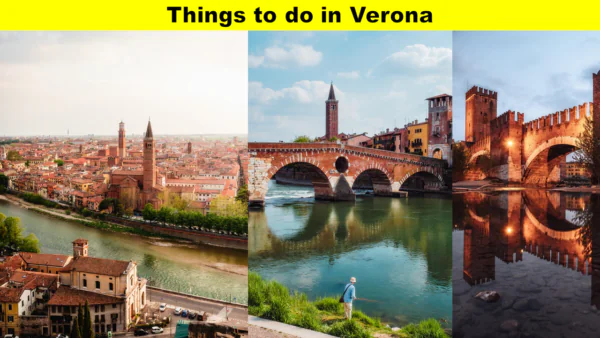
Things to do in Verona based on NeemTime research from most popular to just popular.
Arena di Verona, Verona
Overview: Arena di Verona is a remarkably preserved Roman amphitheatre in the city center that hosts large-scale opera performances and concerts under the open sky.
History: It was built during the Roman Empire as a venue for public games and spectacles and has remained in continuous cultural use for centuries.
Since When: Constructed in the 1st century AD.
Review: Visitors praise its incredible acoustics, historic grandeur, and unforgettable summer opera festivals.
When to Go: Summer evenings during opera season for the full atmospheric experience.
How to Go: Located in central Verona, easily reachable on foot from most city attractions or by local buses.
What to Do: Attend opera performances, explore the structure, and admire Roman architecture.
Free or Paid: Paid entry for events; limited external viewing is free.
Casa di Giulietta, Verona
Overview: Casa di Giulietta is a historic house in Verona famously associated with Shakespeare’s Juliet, featuring a balcony and romantic courtyard.
History: The building dates back to the medieval period and was later linked to the Shakespearean legend to attract cultural tourism.
Since When: Recognized as a tourist site in the early 20th century.
Review: Visitors enjoy the romantic atmosphere, iconic balcony, and love-themed traditions, though it can be very crowded.
When to Go: Early morning or late afternoon to avoid peak crowds.
How to Go: Located in Verona’s historic center, accessible on foot.
What to Do: Visit Juliet’s balcony, write love notes, and explore the museum inside.
Free or Paid: Paid entry for house; courtyard is partially free.
Parco Natura Viva, Verona
Overview: Parco Natura Viva is a wildlife park and safari zoo near Verona dedicated to conservation and endangered species protection.
History: It was established to promote wildlife conservation and education through immersive animal exhibits.
Since When: Opened in 1969.
Review: Visitors appreciate its spacious animal enclosures, educational focus, and safari experience.
When to Go: Spring and summer for best animal activity and outdoor exploration.
How to Go: Accessible by car or shuttle from Verona city.
What to Do: Safari drive, zoo walk, and learn about wildlife conservation.
Free or Paid: Paid entry.
Il Vittoriale degli Italiani, Verona
Overview: Vittoriale degli Italiani is a monumental estate and museum complex dedicated to Italian writer Gabriele D’Annunzio near Lake Garda.
History: It was built as D’Annunzio’s residence and memorial complex reflecting his artistic and nationalist legacy.
Since When: Construction began in 1921.
Review: Visitors admire its eccentric design, panoramic views, and rich historical symbolism.
When to Go: Spring and early autumn for pleasant weather and garden visits.
How to Go: Reachable by car from Verona or via Lake Garda transport routes.
What to Do: Tour the museum, gardens, and amphitheatre.
Free or Paid: Paid entry.
Aquardens, Verona
Overview: Aquardens is a large thermal spa complex near Verona offering pools, wellness treatments, and relaxation areas.
History: It was developed to utilize natural thermal waters in the Verona region for modern wellness tourism.
Since When: Opened in 2008.
Review: Visitors enjoy its relaxing thermal pools, modern facilities, and wellness atmosphere.
When to Go: Year-round, especially in winter for warm thermal bathing.
How to Go: Accessible by car or shuttle from Verona city center.
What to Do: Relax in thermal pools, enjoy saunas, and wellness treatments.
Free or Paid: Paid entry.
Castelvecchio Museum, Verona
Overview: Castelvecchio Museum is a major art museum in Verona housed inside a restored medieval castle displaying sculptures, paintings, and historical artifacts.
History: It was originally a Scaliger dynasty fortress later converted into a museum showcasing Verona’s medieval and Renaissance heritage.
Since When: Opened as a museum in 1923 and redesigned in the 1960s.
Review: Visitors praise its impressive architecture, well-curated collections, and scenic riverside views.
When to Go: Morning or weekday afternoons for a quieter museum experience.
How to Go: Located in central Verona, accessible on foot or by local buses.
What to Do: Explore art collections, walk through castle halls, and enjoy river views.
Free or Paid: Paid entry.
Piazza delle Erbe, Verona
Overview: Piazza delle Erbe is Verona’s historic main square known for its markets, frescoed buildings, and lively atmosphere.
History: It was originally the Roman forum and later became the city’s commercial and political center.
Since When: In use since Roman times over 2,000 years ago.
Review: Visitors love its vibrant energy, architecture, and cafés, though it can be crowded.
When to Go: Morning for markets or evening for a lively ambiance.
How to Go: Located in the historic center, accessible on foot.
What to Do: Shop at markets, dine in cafés, and admire historic buildings.
Free or Paid: Free entry.
Castelvecchio Bridge, Verona
Overview: Castelvecchio Bridge is a fortified medieval bridge crossing the Adige River, part of the Castelvecchio complex.
History: It was built by the Scaliger family as a military escape route and defensive structure.
Since When: Constructed in 1356 and rebuilt after WWII.
Review: Visitors admire its architectural strength, scenic river views, and historical importance.
When to Go: Sunset for photography and scenic views.
How to Go: Located next to Castelvecchio Museum in central Verona.
What to Do: Walk across the bridge and take photos of the river and city.
Free or Paid: Free entry.
Ponte Pietra, Verona
Overview: Ponte Pietra is Verona’s oldest stone bridge spanning the Adige River with Roman origins and scenic views.
History: It was originally built during the Roman era and rebuilt multiple times after floods and wars.
Since When: Originally constructed in 100 BC.
Review: Visitors appreciate its historic charm, photogenic views, and peaceful atmosphere.
When to Go: Early morning or sunset for best lighting.
How to Go: Located near Verona old town, accessible on foot.
What to Do: Walk across, take photos, and enjoy river scenery.
Free or Paid: Free entry.
Parco delle Cascate di Molina, Verona
Overview: Parco delle Cascate di Molina is a natural park near Verona featuring waterfalls, hiking trails, and forest landscapes.
History: It was developed as a protected natural area to preserve its geological and ecological beauty.
Since When: Opened as a nature park in the late 20th century.
Review: Visitors love its scenic waterfalls, hiking routes, and tranquil natural environment.
When to Go: Spring and summer for best water flow and hiking conditions.
How to Go: Accessible by car from Verona to Molina village, followed by walking trails.
What to Do: Hike, explore waterfalls, and enjoy nature photography.
Free or Paid: Paid entry.
Complesso del Duomo di Verona, Verona
Overview: The Complesso del Duomo di Verona is a historic religious complex featuring the Verona Cathedral, cloisters, baptistery, and archaeological remains in one sacred site.
History: It was built on early Christian foundations and expanded through Romanesque and Gothic phases reflecting Verona’s religious evolution.
Since When: Origin dates back to the 4th–12th centuries with continuous development.
Review: Visitors appreciate its architectural richness, peaceful interiors, and layered historical depth.
When to Go: Morning hours for quieter visits and better lighting inside churches.
How to Go: Located in Verona’s historic center, accessible on foot from major attractions.
What to Do: Explore the cathedral, baptistery, cloisters, and archaeological ruins.
Free or Paid: Free entry to cathedral areas; some sections may be paid.
Castel San Pietro, Verona
Overview: Castel San Pietro is a hilltop fortress offering panoramic views over Verona and the Adige River valley.
History: It was originally built by the Austrians in the 19th century on the site of earlier Roman and medieval fortifications.
Since When: Current structure dates from the 1800s.
Review: Visitors love its breathtaking city views and peaceful sunset atmosphere.
When to Go: Sunset for the most scenic panoramic experience.
How to Go: Reachable by foot via steep stairs or by funicular from the city center.
What to Do: Enjoy viewpoints, photography, and relaxing walks.
Free or Paid: Free entry.
Basilica di San Zeno Maggiore, Verona
Overview: Church of Saint Zeno is a stunning Romanesque basilica in Verona dedicated to the city’s patron saint.
History: It was built to honor Saint Zeno, Verona’s bishop and protector, with later restorations enhancing its structure.
Since When: Originally constructed in the 9th century with major 12th-century reconstruction.
Review: Visitors admire its beautiful façade, peaceful cloister, and important religious art.
When to Go: Daytime for full interior lighting and quiet visits.
How to Go: Located slightly outside the old town, accessible by bus or short taxi ride.
What to Do: Explore the basilica, crypt, and religious artworks.
Free or Paid: Free entry; some sections may require ticket.
Parco Cavour, Verona
Overview: Parco Cavour is a large water and nature park near Verona offering lagoons, slides, and relaxation zones.
History: It was developed as a leisure park combining natural landscapes with water-based attractions.
Since When: Opened in 2005.
Review: Visitors enjoy its clean facilities, family-friendly environment, and relaxing green spaces.
When to Go: Summer months for full water park experience.
How to Go: Accessible by car from Verona in about 30–40 minutes.
What to Do: Swim, relax in lagoons, and enjoy water slides.
Free or Paid: Paid entry.
Porta Nuova Verona, Verona
Overview: Porta Nuova is a historic city gate in Verona marking the southern entrance to the old city center.
History: It was built during the Austrian rule as part of Verona’s defensive city walls.
Since When: Constructed in the 19th century (1840s).
Review: Visitors appreciate its historical significance and role as a gateway into the city.
When to Go: Daytime for walking tours into the city center.
How to Go: Located near Verona Porta Nuova train station, accessible on foot.
What to Do: Use it as a starting point for city exploration and photography.
Free or Paid: Free entry.
Porta Borsari, Verona
Overview: Porta Borsari is a well-preserved Roman gateway in Verona that once served as the main entrance into the ancient city.
History: It was built as part of the Roman city walls and later used in medieval times as a customs and toll collection point.
Since When: Originally constructed in the 1st century AD.
Review: Visitors appreciate its impressive Roman architecture and excellent preservation in the city center.
When to Go: Daytime for clear viewing and photography of the stone details.
How to Go: Located on Via Borsari in central Verona, easily reachable on foot.
What to Do: Admire Roman architecture and explore nearby historic streets.
Free or Paid: Free entry.
Museo degli Affreschi G.B. Cavalcaselle alla Tomba di Giulietta, Verona
Overview: Museo degli Affreschi is a museum in Verona showcasing frescoes and artworks housed near the so-called Juliet’s tomb site.
History: It was created to preserve detached frescoes and Renaissance artworks from churches and historic buildings in Verona.
Since When: Opened as a museum in the 1970s.
Review: Visitors enjoy its quiet atmosphere and unique collection of medieval and Renaissance art fragments.
When to Go: Morning hours for a peaceful museum visit.
How to Go: Located near Porta Nuova area, accessible by bus or taxi.
What to Do: Explore fresco collections and historical exhibits.
Free or Paid: Paid entry.
Piazza Bra, Verona
Overview: Piazza Brà is Verona’s largest square, home to the Arena di Verona and surrounded by cafés, restaurants, and historic buildings.
History: It developed as a Roman forum area and evolved into the city’s main public gathering space.
Since When: In use since Roman times over 2,000 years ago.
Review: Visitors love its lively atmosphere and stunning view of the Arena, especially in the evening.
When to Go: Evening for dining and illuminated Arena views.
How to Go: Located in central Verona, accessible on foot from most attractions.
What to Do: Dine, walk around, and visit the Arena di Verona.
Free or Paid: Free entry.
Giardino Giusti, Verona
Overview: Giusti Garden is a Renaissance-style Italian garden in Verona featuring hedges, fountains, statues, and panoramic viewpoints.
History: It was created as part of the Giusti noble family palace gardens during the Renaissance period.
Since When: Established in the late 16th century.
Review: Visitors admire its peaceful design, historical layout, and beautiful city views from the upper terraces.
When to Go: Spring and early summer for blooming gardens.
How to Go: Located slightly east of the city center, reachable by bus or walking.
What to Do: Walk garden paths, enjoy views, and explore historic landscaping.
Free or Paid: Paid entry.
Basilica di Sant’Anastasia, Verona
Overview: The Catholic Church of Saint Anastasia is the largest Gothic church in Verona, known for its grand interior and artistic masterpieces.
History: It was built by the Dominican order and remains one of the finest examples of Gothic architecture in northern Italy.
Since When: Construction began in the 13th century.
Review: Visitors admire its vast interior, frescoes, and serene spiritual atmosphere.
When to Go: Daytime for best natural lighting inside the church.
How to Go: Located in Verona’s historic center, accessible on foot.
What to Do: Explore chapels, artworks, and Gothic architecture.
Free or Paid: Free entry; donations appreciated.
Piazza dei Signori, Verona
Overview: Piazza dei Signori is an elegant historic square in Verona surrounded by palaces, arcades, and monuments linked to the city’s medieval rulers.
History: It developed as the political and administrative heart of Verona during the rule of the Scaliger family and later Venetian governance.
Since When: In use since the 13th century.
Review: Visitors admire its refined architecture, calm atmosphere, and rich historical significance compared to busier squares.
When to Go: Evening or early morning for peaceful exploration and photography.
How to Go: Located in Verona’s historic center, accessible on foot from Piazza delle Erbe.
What to Do: Admire statues, visit surrounding palaces, and enjoy the quiet square ambiance.
Free or Paid: Free entry.
Museo Archeologico al Teatro Romano, Verona
Overview: Museo Archeologico al Teatro Romano is a museum complex located above Verona’s ancient Roman theatre showcasing archaeological artifacts and historical exhibits.
History: It was established within a former convent and Roman theatre site to preserve Verona’s classical heritage.
Since When: Opened as a museum in 1924.
Review: Visitors appreciate its archaeological richness and scenic views over the Adige River.
When to Go: Afternoon for museum visits followed by sunset views.
How to Go: Reachable on foot from Ponte Pietra in central Verona.
What to Do: Explore Roman ruins, artifacts, and theatre remains.
Free or Paid: Paid entry.
Torre dei Lamberti, Verona
Overview: Torre dei Lamberti is a medieval tower in Verona offering panoramic views over the historic city center.
History: It was built by the Lamberti family and later expanded by the city as a civic tower.
Since When: Construction began in 1172.
Review: Visitors love its breathtaking 360-degree views and central location.
When to Go: Clear days or sunset for the best views.
How to Go: Located in Piazza delle Erbe, accessible on foot.
What to Do: Climb the tower or use the elevator for panoramic photography.
Free or Paid: Paid entry.
Re Teodorico Monument, Verona
Overview: Re Teodorico is a monument in Verona dedicated to Theodoric the Great, featuring a striking bronze horse statue.
History: It was created to honor the Ostrogothic king who ruled Italy in the early medieval period.
Since When: Installed in the 20th century.
Review: Visitors find it historically interesting and enjoy its symbolic representation of Verona’s past rulers.
When to Go: Daytime for clear viewing and photography.
How to Go: Located near Castel San Pietro and Ponte Pietra, reachable on foot or funicular.
What to Do: View the statue and explore nearby viewpoints.
Free or Paid: Free entry.
Antica Bottega del Vino, Verona
Overview: Antica Bottega del Vino is a historic wine bar and restaurant in Verona known for its extensive wine selection and traditional Italian cuisine.
History: It has served as a renowned wine house for centuries and became a cultural meeting place for locals and travelers.
Since When: Operating since the 19th century in its current form.
Review: Visitors praise its authentic atmosphere, exceptional wines, and high-quality food.
When to Go: Evening for dining and wine tasting experiences.
How to Go: Located in central Verona near Piazza delle Erbe, accessible on foot.
What to Do: Enjoy wine tasting and traditional Italian meals.
Free or Paid: Paid dining.
Museo di Castelvecchio, Verona
Overview: Museo di Castelvecchio is a major art and history museum in Verona housed inside a restored medieval castle displaying paintings, sculptures, and military artifacts.
History: It was originally a Scaliger fortress later transformed into a museum and redesigned by architect Carlo Scarpa after WWII damage.
Since When: Opened as a museum in 1923 with major redesign in the 1950s–1960s.
Review: Visitors highly praise its innovative architecture, rich collections, and scenic views over the Adige River.
When to Go: Morning or weekdays for a quieter cultural experience.
How to Go: Located in central Verona, accessible on foot from Piazza Bra.
What to Do: Explore art galleries, castle interiors, and riverside views.
Free or Paid: Paid entry.
Verona Porta Nuova, Verona
Overview: Verona Porta Nuova is the city’s main railway station and a major transport hub connecting Verona to Italy and Europe.
History: It was developed during the Austrian rule and later modernized to serve increasing rail traffic in northern Italy.
Since When: Originally opened in the mid-19th century.
Review: Travelers appreciate its efficiency, connectivity, and access to Verona’s attractions.
When to Go: Any time depending on train schedules and travel plans.
How to Go: Located on the southern edge of Verona, reachable by bus, taxi, or walking.
What to Do: Catch trains, explore nearby transport links, and use it as a gateway to the city.
Free or Paid: Free entry to station area; travel tickets are paid.
Ponte Scaligero, Verona
Overview: Scaligero Bridge is a fortified medieval bridge in Verona connecting Castelvecchio to the opposite riverbank.
History: It was built by the Scaliger family as part of the defensive system of Castelvecchio Castle.
Since When: Constructed in 1356 and reconstructed after WWII destruction.
Review: Visitors admire its strong medieval design and scenic river views.
When to Go: Sunset for photography and atmospheric views.
How to Go: Located next to Castelvecchio Museum in central Verona.
What to Do: Walk across the bridge and enjoy river scenery.
Free or Paid: Free entry.
Casa di Giulietta Balcony, Verona
Overview: The Balcony of Romeo & Juliet is a symbolic attraction in Verona representing Shakespeare’s famous romantic story.
History: It is part of Casa di Giulietta, a medieval house later associated with Shakespeare’s fictional characters to promote cultural tourism.
Since When: Became a tourist attraction in the early 20th century.
Review: Visitors enjoy its romantic symbolism but often find it crowded.
When to Go: Early morning or late evening to avoid crowds.
How to Go: Located in Verona’s historic center, accessible on foot.
What to Do: Visit the balcony, take photos, and explore the courtyard.
Free or Paid: Paid entry for house; courtyard partially free.
Cimitero Monumentale di Verona, Verona
Overview: Cimitero Monumentale is a historic monumental cemetery in Verona featuring artistic tombs, sculptures, and memorial architecture.
History: It was established to serve Verona’s growing population and reflects 19th-century funerary art traditions.
Since When: Opened in the early 19th century.
Review: Visitors appreciate its peaceful atmosphere and impressive artistic monuments.
When to Go: Daytime for safe and respectful exploration.
How to Go: Accessible by bus or car from Verona city center.
What to Do: Walk among historic tombs and admire funerary art.
Free or Paid: Free entry.