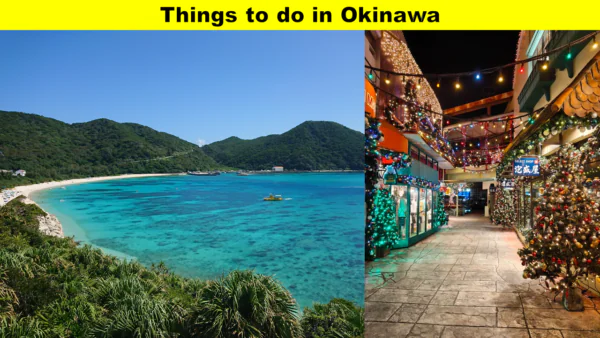
Things to do in Okinawa

by NeemTime.com Editors
0 comments 18 minutes read
Things to do in Okinawa


Things to do in Okinawa based on NeemTime research from most popular to just popular.

Okinawa Churaumi Aquarium, Okinawa

Overview: Okinawa Churaumi Aquarium is one of the world’s largest aquariums, renowned for its massive Kuroshio Tank featuring whale sharks, manta rays, and diverse marine life from the Okinawan seas.

History: Built as part of the 1975 Ocean Expo legacy and reopened in its current form in 2002, the aquarium was designed to showcase and conserve Okinawa’s rich marine ecosystem.

Since When: The aquarium has been operating in its modern state since 2002.

Review: Visitors consistently rate it highly for its impressive scale, clear viewing panels, educational exhibits, and family-friendly facilities.

When to Go: Weekday mornings are ideal to avoid crowds, especially during summer and Japanese school holidays.

How to Go: It is accessible by car or express bus from Naha, with parking available at Ocean Expo Park.

What to Do: Watch whale shark feedings, explore deep-sea exhibits, visit the dolphin lagoon, and enjoy panoramic ocean views.

Free or Paid: Paid entry, with some outdoor areas of Ocean Expo Park accessible for free.

Shuri Castle, Okinawa

Overview: Shuri Castle is a UNESCO World Heritage Site and former royal palace of the Ryukyu Kingdom, symbolizing Okinawa’s unique cultural and political history.


History: Originally built in the 14th century, the castle served as the administrative and ceremonial center of the Ryukyu Kingdom before suffering multiple destructions and reconstructions.

Since When: The site has existed since the 1300s, with major restorations completed in the late 20th century and ongoing reconstruction after the 2019 fire.

Review: Visitors admire its striking red architecture, historical significance, and panoramic views of Naha City.

When to Go: Visit in the early morning or late afternoon for fewer crowds and cooler temperatures.

How to Go: Easily reached by Yui Rail monorail to Shuri Station followed by a short walk or bus ride.

What to Do: Explore palace ruins, walk the castle walls, visit nearby historical gates, and learn Ryukyuan history.

Free or Paid: Partially paid, with some grounds free and indoor areas requiring an entrance fee.

American Village, Okinawa

Overview: American Village is a lively entertainment and shopping complex in Chatan blending American-style architecture with Okinawan coastal culture.

History: Developed in the late 1990s near U.S. military bases, it reflects the long-standing American influence in Okinawa.

Since When: The area has been open to the public since around 1998.

Review: Tourists enjoy its colorful streets, dining variety, nightlife, and ocean sunsets.

When to Go: Late afternoon to evening is best for shopping, dining, and sunset views.


How to Go: Accessible by bus or car from Naha, with ample parking available.

What to Do: Shop for souvenirs, dine at international restaurants, enjoy live music, and relax by the waterfront.

Free or Paid: Free entry, with paid shopping, dining, and entertainment.

Cape Manzamo, Okinawa

Overview: Cape Manzamo is a dramatic coastal cliff famous for its elephant-shaped rock formation and panoramic views of the East China Sea.

History: The name “Manzamo” was given in the 18th century by the Ryukyu king, meaning “a field where ten thousand people can sit.”

Since When: It has been a recognized scenic spot since the 1700s.

Review: Visitors praise its breathtaking views, clean walking paths, and photo opportunities.

When to Go: Early morning or sunset offers the most stunning scenery and comfortable weather.

How to Go: Best reached by car or tour bus from Naha, as public transport is limited.

What to Do: Walk the coastal trail, take photos, enjoy ocean views, and visit nearby souvenir stalls.

Free or Paid: Paid entry with a small conservation fee.

Naha Kokusai Dori Shopping Street, Okinawa

Overview: Naha Kokusai Dori is Okinawa’s main shopping and entertainment street, lined with shops, restaurants, and cultural attractions.

History: Developed after World War II, it became a symbol of Naha’s postwar recovery and economic revival.


Since When: The street has been active as a commercial hub since the late 1940s.

Review: Travelers appreciate its lively atmosphere, local food options, and convenient souvenir shopping.

When to Go: Evenings are best for vibrant street life, dining, and events.

How to Go: Easily accessible by Yui Rail monorail, buses, or walking from central Naha.

What to Do: Shop for Okinawan crafts, try local cuisine, attend festivals, and explore side streets.

Free or Paid: Free to enter, with costs depending on shopping and dining choices.

Umikaji Terrace Senagajima, Okinawa

Overview: Umikaji Terrace Senagajima is a stylish seaside complex featuring whitewashed buildings, cafés, boutiques, and panoramic ocean views near Naha Airport.

History: The terrace was developed as part of Senagajima Island’s tourism revitalization to create a Mediterranean-style leisure destination.

Since When: It has been open to visitors since 2015.

Review: Visitors praise its scenic atmosphere, sunset views, and variety of dining and shopping options.

When to Go: Late afternoon to evening is ideal to enjoy sunsets and cooler weather.

How to Go: Easily accessible by bus, taxi, or car from Naha City, with parking available.

What to Do: Enjoy ocean-view dining, shop for souvenirs, relax at nearby hot springs, and watch planes land overhead.


Free or Paid: Free entry, with paid food, shopping, and spa services.

Ocean Expo Park, Okinawa

Overview: Ocean Expo Park is a vast coastal park housing beaches, gardens, cultural sites, and the famous Okinawa Churaumi Aquarium.

History: The park was established on the site of the 1975 Okinawa International Ocean Exposition to promote marine culture and tourism.

Since When: It has been open to the public since 1976.

Review: Travelers appreciate its spacious layout, family-friendly attractions, and well-maintained natural surroundings.

When to Go: Morning visits are best to explore comfortably and avoid crowds, especially in summer.

How to Go: Reachable by car or express bus from Naha, with large parking areas available.

What to Do: Visit the aquarium, relax on Emerald Beach, explore botanical gardens, and enjoy dolphin shows.

Free or Paid: Mostly free entry, with paid admission for the aquarium and select attractions.

Okinawa World, Okinawa

Overview: Okinawa World is a cultural theme park showcasing traditional Ryukyuan culture, crafts, performances, and natural attractions.

History: It was developed to preserve and promote Okinawa’s unique heritage and local industries.

Since When: The park has welcomed visitors since 1972.

Review: Visitors enjoy its cultural depth, live performances, and immersive traditional village experience.

When to Go: Late morning to early afternoon allows time to catch scheduled performances.


How to Go: Accessible by bus or car from Naha, with on-site parking available.

What to Do: Explore traditional houses, watch Eisa dance shows, try local crafts, and sample Okinawan cuisine.

Free or Paid: Paid entry, with tickets covering most attractions inside.

Gyokusendo Cave, Okinawa

Overview: Gyokusendo Cave is one of Japan’s longest limestone caves, featuring dramatic stalactites, underground rivers, and illuminated pathways.

History: The cave was formed over hundreds of thousands of years and was opened to the public as part of Okinawa World.

Since When: It has been accessible to visitors since the 1970s.

Review: Visitors are impressed by its scale, lighting design, and natural formations.

When to Go: Midday visits are comfortable year-round due to the cave’s cool, stable temperature.

How to Go: Reached via Okinawa World by bus or car from Naha.

What to Do: Walk the underground trail, observe limestone formations, and learn about geological history.

Free or Paid: Paid entry, usually included with Okinawa World admission.

AEON MALL Okinawa Rycom, Okinawa

Overview: AEON MALL Okinawa Rycom is one of Japan’s largest shopping malls, offering international brands, dining, entertainment, and family facilities.

History: Built to serve both locals and tourists, it represents Okinawa’s modern retail development.

Since When: The mall has been open since 2015.


Review: Shoppers rate it highly for its variety, cleanliness, and convenient amenities.

When to Go: Weekday mornings are best to avoid crowds, especially during weekends and holidays.

How to Go: Accessible by bus or car from Naha and surrounding areas, with ample parking.

What to Do: Shop global and Japanese brands, dine at food courts, watch movies, and enjoy indoor attractions.

Free or Paid: Free entry, with paid shopping, dining, and entertainment options.

Naminoue Shrine, Okinawa

Overview: Naminoue Shrine is Okinawa’s most important Shinto shrine, dramatically set on a seaside cliff overlooking Naminoue Beach and the East China Sea.

History: The shrine has ancient Ryukyuan roots and was historically a sacred place for prayers related to maritime safety and prosperity.

Since When: It has existed in various forms since at least the 14th century.

Review: Visitors appreciate its peaceful atmosphere, cultural significance, and scenic coastal setting.

When to Go: Early morning or late afternoon is ideal for a quieter visit and pleasant lighting.

How to Go: Easily reached by bus, taxi, or a short walk from central Naha.

What to Do: Pray for good fortune, explore the shrine grounds, and enjoy nearby beach views.

Free or Paid: Free entry, with optional offerings for prayers.


Kouri Ocean Tower, Okinawa

Overview: Kouri Ocean Tower is a scenic observation tower offering panoramic views of Kouri Island, turquoise waters, and the iconic Kouri Bridge.

History: The tower was built to promote tourism on Kouri Island and highlight its natural beauty.

Since When: It has been open to visitors since 2013.

Review: Visitors enjoy the breathtaking views, informative exhibits, and relaxing café space.

When to Go: Late morning to early afternoon provides the clearest ocean views.

How to Go: Accessible by car via Kouri Bridge, with parking available on-site.

What to Do: Ride the automated cart, visit the observation deck, and explore the shell museum.

Free or Paid: Paid entry, with tickets required for tower access.

Nago Pineapple Park, Okinawa

Overview: Nago Pineapple Park is a family-friendly theme park dedicated to pineapples, featuring tropical gardens, rides, and tasting experiences.

History: The park was created to celebrate Okinawa’s pineapple farming industry and local agriculture.

Since When: It has been welcoming visitors since the early 1990s.

Review: Visitors find it fun, quirky, and especially enjoyable for families and children.

When to Go: Morning visits are best to avoid crowds and heat.

How to Go: Easily reached by car from Naha or Nago, with ample parking available.

What to Do: Ride the pineapple cart, sample pineapple products, and shop for themed souvenirs.


Free or Paid: Paid entry, with tastings included in admission.

Onna no Eki Nakayukui Market, Okinawa

Overview: Onna no Eki Nakayukui Market is a lively roadside market offering local foods, souvenirs, and fresh Okinawan produce.

History: The market was established to support local farmers, artisans, and small businesses in Onna Village.

Since When: It has been operating since the early 2000s.

Review: Visitors love its authentic local vibe, affordable food, and friendly atmosphere.

When to Go: Late morning to lunchtime is ideal to enjoy freshly prepared local dishes.

How to Go: Best accessed by car along Route 58, with free parking available.

What to Do: Sample Okinawan snacks, buy local crafts, and try tropical fruit desserts.

Free or Paid: Free entry, with paid food and shopping.

Heart Rock, Okinawa

Overview: Heart Rock is a natural rock formation shaped like a heart, located on Kouri Island and popular as a romantic photo spot.

History: Formed naturally by wave erosion over centuries, it gained fame through social media and tourism promotion.

Since When: It has been a known attraction since the early 2010s.

Review: Visitors enjoy its unique shape and scenic coastal surroundings, though it can be crowded.

When to Go: Low tide during early morning or late afternoon offers the best access and lighting.


How to Go: Reachable by car to Kouri Island, followed by a short walk down a rocky path.

What to Do: Take photos, enjoy coastal views, and explore nearby beaches.

Free or Paid: Free entry, with no admission fee.

Ryukyu Mura, Okinawa

Overview: Ryukyu Mura is an open-air cultural theme park that recreates traditional Okinawan village life through historic houses, crafts, and performances.

History: The park was established to preserve and showcase Ryukyu Kingdom traditions, architecture, and folk arts.

Since When: It has been open to the public since 1982.

Review: Visitors praise its authentic atmosphere, engaging cultural shows, and hands-on activities.

When to Go: Late morning to early afternoon is best to catch live performances and demonstrations.

How to Go: Accessible by car or tour bus from Naha, with parking available on-site.

What to Do: Watch traditional dances, try craft workshops, and explore historic Okinawan houses.

Free or Paid: Paid entry, with some activities requiring additional fees.

Kouri Bridge South View Point, Okinawa

Overview: Kouri Bridge South View Point offers stunning panoramic views of Kouri Bridge stretching over crystal-clear turquoise waters.

History: The viewpoint became popular after the completion of Kouri Bridge as a scenic stop for travelers.

Since When: It has been a recognized viewpoint since the bridge opened in 2005.


Review: Visitors love the breathtaking scenery and easy photo opportunities.

When to Go: Midday to late afternoon provides the brightest sea colors and clear views.

How to Go: Best reached by car with a short stop along the road near the bridge.

What to Do: Take photographs, enjoy ocean views, and relax briefly before crossing the bridge.

Free or Paid: Free entry.

Himeyuri Cenotaph, Okinawa

Overview: Himeyuri Cenotaph is a solemn memorial dedicated to female students and teachers who died during the Battle of Okinawa.

History: The cenotaph commemorates the tragic fate of the Himeyuri Student Corps during World War II.

Since When: It was established in 1946 as a place of remembrance and peace.

Review: Visitors find it deeply moving, educational, and respectfully maintained.

When to Go: Early morning or weekdays are best for a quiet and reflective visit.

How to Go: Accessible by car or bus from Naha, often combined with nearby memorial sites.

What to Do: Pay respects, read memorial inscriptions, and reflect on Okinawa’s wartime history.

Free or Paid: Free entry.

DMM Kariyushi Aquarium Okinawa, Okinawa

Overview: DMM Kariyushi Aquarium is a modern aquarium combining digital technology with marine life exhibits for an immersive experience.

History: The aquarium was developed as part of a next-generation entertainment complex near Naha Airport.


Since When: It has been open to visitors since 2020.

Review: Visitors enjoy the innovative displays, interactive elements, and well-designed indoor spaces.

When to Go: Weekday mornings are ideal to avoid crowds.

How to Go: Easily reached by car or taxi from Naha Airport, with nearby parking facilities.

What to Do: Explore digital aquariums, observe marine animals, and enjoy interactive exhibits.

Free or Paid: Paid entry, with ticketed admission required.

Cape Hedo, Okinawa

Overview: Cape Hedo is the northernmost point of Okinawa Island, offering dramatic cliffs and expansive ocean views.

History: The cape has long been a natural landmark and lookout point with cultural and geographical significance.

Since When: It has been known and visited for centuries as a prominent coastal point.

Review: Visitors appreciate its rugged beauty, peaceful atmosphere, and scenic walking paths.

When to Go: Late afternoon is ideal for cooler weather and dramatic coastal views.

How to Go: Best accessed by car due to its remote northern location.

What to Do: Walk along the cliffs, take photographs, and enjoy the natural scenery.

Free or Paid: Free entry.

Junglia Okinawa, Okinawa

Overview: Junglia Okinawa is a large-scale nature-themed adventure park combining thrill attractions, jungle landscapes, and immersive entertainment experiences.

History: The park was developed as a new tourism project aimed at blending Okinawa’s natural environment with modern adventure attractions.


Since When: Junglia Okinawa is scheduled to open in 2025.

Review: Anticipation is high due to its unique concept, large scale, and promise of world-class attractions.

When to Go: Once open, mornings on weekdays will be ideal to avoid crowds and heat.

How to Go: Accessible by car or tour transport from central and northern Okinawa.

What to Do: Enjoy adventure rides, nature-based activities, and immersive themed experiences.

Free or Paid: Paid entry is expected, with tickets required for attractions.

Depot Island, Okinawa

Overview: Depot Island is a colorful seaside shopping and dining complex located in Okinawa’s American Village.

History: It was developed as part of the American Village expansion to attract tourists with a Western-style atmosphere.

Since When: Depot Island has been operating since the early 2000s.

Review: Visitors enjoy its vibrant design, ocean views, and variety of shops and cafés.

When to Go: Late afternoon to evening is best for shopping, dining, and sunset views.

How to Go: Easily accessible by car or bus from Naha and central Okinawa.

What to Do: Shop for souvenirs, dine at restaurants, and stroll along the waterfront.

Free or Paid: Free entry, with paid purchases and dining.

Cape Chinen Park, Okinawa

Overview: Cape Chinen Park is a scenic coastal park offering panoramic views of the Pacific Ocean and nearby islands.


History: The park was established to preserve the natural beauty and cultural importance of the Chinen Cape area.

Since When: It has been open to the public since the late 20th century.

Review: Visitors appreciate its peaceful atmosphere, open green spaces, and stunning ocean scenery.

When to Go: Early morning or late afternoon is ideal for cooler weather and clear views.

How to Go: Best reached by car from Naha, with parking available nearby.

What to Do: Walk along coastal paths, relax on lawns, and take scenic photographs.

Free or Paid: Free entry.

Peace Memorial Park, Okinawa

Overview: Peace Memorial Park is a large memorial complex dedicated to honoring those who lost their lives in the Battle of Okinawa.

History: The park was created to promote peace and remembrance following the devastation of World War II.

Since When: It officially opened in 1975 on the 30th anniversary of the battle’s end.

Review: Visitors find it solemn, educational, and deeply moving.

When to Go: Morning visits are recommended for quiet reflection and cooler temperatures.

How to Go: Accessible by car or bus from Naha, often included in historical tours.

What to Do: Visit memorial monuments, museums, and reflect in landscaped grounds.

Free or Paid: Free entry, with some museums charging admission.


Shurijo Castle, Okinawa

Overview: Shurijo Castle is a UNESCO World Heritage Site and former royal palace of the Ryukyu Kingdom, symbolizing Okinawan history and culture.

History: Originally built in the 14th century, the castle served as the political and cultural center of the Ryukyu Kingdom.

Since When: The site has existed since the 1300s, with restorations continuing after multiple destructions.

Review: Visitors admire its unique architecture, historical significance, and cultural exhibitions.

When to Go: Morning visits are best to avoid crowds and enjoy cooler weather.

How to Go: Easily accessible by monorail, bus, or car from central Naha.

What to Do: Explore reconstructed palace buildings, learn Ryukyu history, and enjoy city views.

Free or Paid: Paid entry for main areas, with some grounds accessible for free.

Okinawa Prefectural Museum and Art Museum (Okimyu), Okinawa

Overview: Okinawa Prefectural Museum and Art Museum (Okimyu) is a modern cultural complex showcasing Okinawa’s natural history, art, and Ryukyu heritage under one roof.

History: The museum was established to preserve and present Okinawa’s unique culture, history, and biodiversity.

Since When: Okimyu opened to the public in 2007.

Review: Visitors appreciate its well-curated exhibitions, spacious design, and educational value.

When to Go: Weekday mornings are ideal for a quiet and unhurried visit.

How to Go: Easily accessible by bus or car from central Naha.


What to Do: Explore permanent and temporary exhibitions, art galleries, and interactive displays.

Free or Paid: Paid entry for main exhibitions, with some areas free.

Cape Zanpa Lighthouse, Okinawa

Overview: Cape Zanpa Lighthouse is a striking white lighthouse offering dramatic coastal views over rugged cliffs and the East China Sea.

History: The lighthouse was built to guide ships navigating the waters around Okinawa’s western coast.

Since When: It has been in operation since 1974.

Review: Visitors enjoy the panoramic ocean views and scenic surroundings.

When to Go: Late afternoon is best for cooler weather and sunset views.

How to Go: Best reached by car from Naha or central Okinawa.

What to Do: Climb the lighthouse, walk along the cliffs, and take photographs.

Free or Paid: Paid entry to climb the lighthouse, free access to surrounding areas.

Katsuren Castle Ruins, Okinawa

Overview: Katsuren Castle Ruins are a UNESCO World Heritage Site offering sweeping views of the sea and insight into the Ryukyu Kingdom’s history.

History: The castle was built in the 12th–13th century and played a key role during the Gusuku period.

Since When: The ruins have been preserved and open to visitors since the late 20th century.

Review: Visitors praise the historical atmosphere and scenic hilltop views.

When to Go: Morning or late afternoon visits are recommended to avoid heat.


How to Go: Accessible by car from Naha, with parking available nearby.

What to Do: Walk through stone ruins, learn Ryukyu history, and enjoy coastal panoramas.

Free or Paid: Paid entry.

iias Okinawa Toyosaki, Okinawa

Overview: iias Okinawa Toyosaki is a large modern shopping and entertainment complex near the airport featuring retail, dining, and leisure attractions.

History: The mall was developed as part of Okinawa’s urban and tourism expansion.

Since When: iias Okinawa Toyosaki opened in 2020.

Review: Shoppers enjoy its wide variety of stores, dining options, and proximity to the sea.

When to Go: Weekday afternoons are best to avoid crowds.

How to Go: Easily reachable by car or bus from Naha Airport and city center.

What to Do: Shop, dine, relax at cafés, and visit nearby attractions.

Free or Paid: Free entry, with paid shopping and dining.

Kouri Beach, Okinawa

Overview: Kouri Beach is a picturesque white-sand beach known for clear turquoise waters and views of the iconic Kouri Bridge.

History: The beach has long been part of local island life and tourism on Kouri Island.

Since When: It has been a popular public beach for decades.

Review: Visitors love its calm waters, scenic beauty, and relaxed atmosphere.

When to Go: Late spring to early autumn is ideal for swimming and beach activities.


How to Go: Accessible by car via Kouri Bridge from northern Okinawa.

What to Do: Swim, sunbathe, snorkel, and enjoy coastal scenery.

Free or Paid: Free entry.


Subscribe
Notify of
guest
0 Comments
Newest
Oldest Most Voted
Inline Feedbacks
View all comments

This website uses cookies to improve your experience. We'll assume you're ok with this, but you can opt-out if you wish. Accept Read More

Adblock Detected

Please support us by disabling your AdBlocker extension from your browsers for our website.