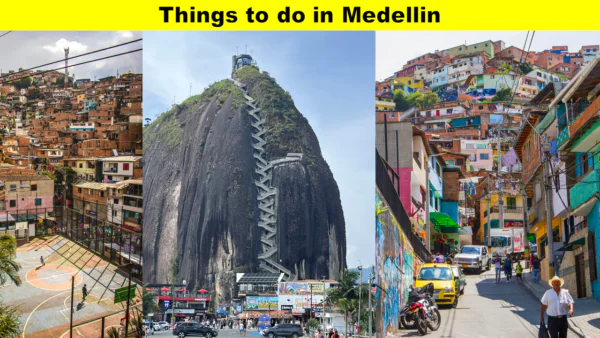
Things to do in Medellin based on NeemTime research from most popular to just popular.
Jardín Botánico de Medellín, Medellin
Overview: Jardín Botánico de Medellín is a lush urban botanical garden featuring tropical plants, themed gardens, and a butterfly house in the heart of the city.
History: It was created to preserve Colombia’s biodiversity and promote environmental education within an urban setting.
Since When: Opened in 1972.
Review: Visitors love its peaceful atmosphere, diverse plant life, and well-maintained walking paths.
When to Go: Morning or late afternoon for cooler temperatures and active wildlife.
How to Go: Easily accessible by metro (Universidad station) or taxi from anywhere in Medellín.
What to Do: Walk gardens, visit the orchid collection, and explore the butterfly dome.
Free or Paid: Free entry.
Parque Explora Aquarium Medellín, Medellin
Overview: The Medellín Aquarium inside Parque Explora is an interactive science and marine life center showcasing freshwater and marine species.
History: It was developed as part of Medellín’s science and innovation park to promote education and biodiversity awareness.
Since When: Opened in 2008.
Review: Visitors enjoy its educational exhibits, large tanks, and interactive learning experiences.
When to Go: Weekdays or mornings to avoid school crowds.
How to Go: Located near Universidad metro station, easily reachable by public transport.
What to Do: Observe aquatic species, explore exhibits, and enjoy interactive science displays.
Free or Paid: Paid entry (combined with Parque Explora ticket).
Plaza Botero, Medellin
Overview: Plaza Botero is an iconic public square in Medellín featuring large bronze sculptures by famous Colombian artist Fernando Botero.
History: It was inaugurated as part of Medellín’s cultural revitalization to showcase national artistic heritage.
Since When: Opened in 2002.
Review: Visitors appreciate its open-air museum feel and impressive oversized sculptures.
When to Go: Daytime for safety and clear viewing of artworks.
How to Go: Located in downtown Medellín, accessible by Parque Berrío metro station.
What to Do: View sculptures, take photos, and visit nearby museums.
Free or Paid: Free entry.
Unicentro Shopping Mall Medellín, Medellin
Overview: Unicentro Shopping Mall is a large retail center in Medellín offering fashion stores, dining options, and entertainment facilities.
History: It was developed as part of Colombia’s expanding modern retail infrastructure.
Since When: Opened in the 1970s.
Review: Visitors appreciate its variety of shops, convenient layout, and family-friendly environment.
When to Go: Afternoon or evening for shopping and dining.
How to Go: Accessible by bus, taxi, or car from central Medellín.
What to Do: Shop, dine, and enjoy cinema or leisure activities.
Free or Paid: Free entry; shopping is paid.
El Tesoro Parque Comercial, Medellin
Overview: El Tesoro Parque Comercial is a modern upscale shopping mall in Medellín offering luxury brands, restaurants, and panoramic city views.
History: It was developed as a premium lifestyle and retail destination in the eastern hills of Medellín.
Since When: Opened in the 1990s.
Review: Visitors love its scenic views, high-end stores, and relaxed open-air design.
When to Go: Evening for dining and sunset city views.
How to Go: Accessible by taxi or bus from central Medellín.
What to Do: Shop, dine, and enjoy panoramic viewpoints.
Free or Paid: Free entry; shopping and dining are paid.
Parque de El Poblado, Medellin
Overview: Parque de El Poblado is a lively urban park in one of Medellín’s most upscale districts, surrounded by cafés, nightlife, and green spaces.
History: It developed as the central gathering space of El Poblado neighborhood as the area urbanized into a modern residential and commercial hub.
Since When: It has existed in its current urban form since the late 20th century.
Review: Visitors enjoy its vibrant social atmosphere, nearby restaurants, and safe, walkable surroundings.
When to Go: Evenings and weekends for social activity and nightlife vibes.
How to Go: Easily accessible by Medellín metro (Poblado station) and short taxi rides.
What to Do: Relax, dine nearby, and explore cafés and nightlife around the park.
Free or Paid: Free entry.
Parque Berrío, Medellin
Overview: Parque Berrío is a historic central square in downtown Medellín known for its cultural energy and proximity to key landmarks.
History: It has long served as a traditional civic and commercial meeting point in Medellín’s old town center.
Since When: Established in the 19th century.
Review: Visitors find it busy and culturally rich, though caution is advised due to crowds.
When to Go: Daytime for safety and sightseeing.
How to Go: Accessible via Parque Berrío metro station.
What to Do: Explore nearby historic buildings, plazas, and street culture.
Free or Paid: Free entry.
Parques del Río Medellín, Medellin
Overview: Parques del Río is a modern urban park system built along the Medellín River featuring walking paths, gardens, and recreational spaces.
History: It was developed as part of Medellín’s urban transformation project to reconnect the city with its river.
Since When: Opened in phases starting in the 2010s.
Review: Visitors praise its modern design, cleanliness, and relaxing riverside environment.
When to Go: Morning or late afternoon for walking and outdoor activities.
How to Go: Accessible by metro and buses along the river corridor.
What to Do: Walk, cycle, and enjoy outdoor relaxation spaces.
Free or Paid: Free entry.
Parque Norte Medellín, Medellin
Overview: Parque Norte is an amusement park in Medellín offering rides, water attractions, and family entertainment near the city center.
History: It was created as a public recreation space to provide affordable entertainment for residents.
Since When: Opened in 1978.
Review: Visitors enjoy its affordable rides and family-friendly environment, though it is more basic than modern theme parks.
When to Go: Weekends or holidays for full ride availability.
How to Go: Located near Universidad metro station, accessible by public transport.
What to Do: Enjoy amusement rides, water attractions, and family activities.
Free or Paid: Paid entry.
Plaza Minorista José María Villa, Medellin
Overview: Plaza Minorista José María Villa is one of Medellín’s largest traditional markets offering fresh produce, local food, and daily goods.
History: It was developed to centralize food distribution and support local farmers and vendors.
Since When: Established in the 1980s.
Review: Visitors appreciate its authentic local atmosphere, variety of products, and cultural experience.
When to Go: Morning for the freshest produce and active market life.
How to Go: Accessible by metro (Plaza Minorista station nearby) or taxi.
What to Do: Shop for fruits, vegetables, and traditional Colombian foods.
Free or Paid: Free entry; purchases are paid.
Parque Arví, Medellin
Overview: Parque Arví is a vast ecological nature reserve in the mountains above Medellín offering hiking trails, forests, and outdoor activities.
History: It was developed as an eco-tourism and conservation area to protect the Andean forest ecosystem and promote sustainable tourism.
Since When: Opened as a protected ecological park in 2000.
Review: Visitors love its fresh mountain air, scenic trails, and peaceful natural environment, though weather can be unpredictable.
When to Go: Morning and dry seasons (December–March, July–August) for clear hiking conditions.
How to Go: Reachable via Medellín Metrocable (Line L from Acevedo station) followed by a short transfer.
What to Do: Hike, picnic, explore nature trails, and join guided eco-tours.
Free or Paid: Free entry; some activities are paid.
Plaza Mayor Medellín, Medellin
Overview: Plaza Mayor is Medellín’s main convention and events center hosting exhibitions, fairs, and international conferences.
History: It was built as part of the city’s modernization efforts to promote business tourism and large-scale events.
Since When: Opened in 2004.
Review: Visitors and business travelers appreciate its modern facilities and well-organized event spaces.
When to Go: During scheduled fairs, expos, and cultural events.
How to Go: Easily accessible by metro (Exposiciones station) or taxi.
What to Do: Attend exhibitions, conferences, and cultural events.
Free or Paid: Free entry for some events; others are paid.
Parque de los Deseos, Medellin
Overview: Parque de los Deseos is a cultural public park in Medellín known for open-air science shows, astronomy nights, and community events.
History: It was designed as an educational and cultural space promoting science, astronomy, and public engagement.
Since When: Opened in 2003.
Review: Visitors enjoy its relaxed atmosphere, free cultural programming, and family-friendly environment.
When to Go: Evenings for planetarium shows and cultural events.
How to Go: Located near Universidad metro station, accessible by public transport.
What to Do: Attend science shows, stargazing events, and relax outdoors.
Free or Paid: Free entry; some events may be paid.
Parque Lleras, Medellin
Overview: Parque Lleras is the heart of Medellín’s nightlife district filled with bars, restaurants, clubs, and entertainment venues.
History: It evolved from a small neighborhood park into the city’s most famous nightlife hotspot.
Since When: Became a nightlife center in the late 20th century.
Review: Visitors enjoy its energetic nightlife, dining options, and vibrant social scene, though it can be crowded.
When to Go: Evenings and weekends for nightlife experiences.
How to Go: Accessible via Poblado metro station and short taxi rides.
What to Do: Dine, drink, and enjoy clubs and live music.
Free or Paid: Free entry; activities are paid.
Parque de los Pies Descalzos, Medellin
Overview: Parque de los Pies Descalzos is a sensory urban park designed for barefoot walking, relaxation, and interactive experiences in Medellín.
History: It was inspired by traditional Zen gardens and designed to encourage sensory connection with nature in the city.
Since When: Opened in 2006.
Review: Visitors appreciate its calming atmosphere, unique barefoot experience, and central location.
When to Go: Daytime or early evening for comfortable temperatures.
How to Go: Located near downtown Medellín, accessible by metro (Alpujarra station).
What to Do: Walk barefoot, relax in sand and water areas, and enjoy peaceful surroundings.
Free or Paid: Free entry.
Placita de Flórez, Medellin
Overview: Placita de Flórez is a traditional neighborhood market in Medellín known for fresh produce, flowers, and authentic Colombian street food.
History: It developed as one of the city’s oldest local food markets serving residents and farmers from surrounding regions.
Since When: Operating since the early 20th century.
Review: Visitors enjoy its authentic local atmosphere, affordable prices, and vibrant daily activity, though it can be crowded.
When to Go: Morning hours for the freshest produce and liveliest market activity.
How to Go: Easily reachable by metro (Parque Berrío station) and short walking distance.
What to Do: Buy fruits, flowers, traditional foods, and experience local culture.
Free or Paid: Free entry; purchases are paid.
Aeroparque Juan Pablo II, Medellin
Overview: Aeroparque Juan Pablo II is a large recreational park in Medellín featuring swimming pools, green spaces, and sports facilities.
History: It was built as a public leisure complex to provide recreation and sports opportunities for residents.
Since When: Opened in 1991.
Review: Visitors appreciate its family-friendly environment, pools, and wide open spaces for activities.
When to Go: Weekends and warm afternoons for swimming and outdoor fun.
How to Go: Accessible by metro (Industriales station) and short taxi ride.
What to Do: Swim, picnic, exercise, and enjoy recreational facilities.
Free or Paid: Paid entry for some facilities.
Parque de la Conservación, Medellin
Overview: Parque de la Conservación is a conservation-focused park in Medellín dedicated to wildlife rescue, rehabilitation, and environmental education.
History: It was created to replace the former city zoo with a stronger focus on animal welfare and conservation.
Since When: Reopened in its conservation-focused form in 2020.
Review: Visitors appreciate its ethical approach, educational exhibits, and improved animal habitats.
When to Go: Morning or early afternoon for active animal viewing.
How to Go: Accessible by metro (Industriales or Exposiciones station) and taxi.
What to Do: Observe animals, learn about conservation, and explore educational exhibits.
Free or Paid: Paid entry.
El Castillo Museum and Gardens, Medellin
Overview: El Castillo Museum and Gardens is a Gothic-style castle in Medellín surrounded by beautifully landscaped European-style gardens.
History: It was originally a private residence inspired by medieval European castles before becoming a museum.
Since When: Converted into a museum in 1971.
Review: Visitors love its romantic architecture, elegant interiors, and peaceful gardens.
When to Go: Afternoon or early evening for garden visits and guided tours.
How to Go: Located in El Poblado, accessible by taxi or metro (El Poblado station nearby).
What to Do: Tour the castle, explore gardens, and enjoy cultural exhibitions.
Free or Paid: Paid entry.
Parque de Boston, Medellin
Overview: Parque de Boston is a small historic urban park in Medellín known for its church, community atmosphere, and cultural significance.
History: It has long served as a neighborhood gathering space in one of Medellín’s older districts.
Since When: Established in the early 20th century.
Review: Visitors find it quiet, local, and culturally authentic, though less tourist-focused.
When to Go: Daytime for safe and relaxed visits.
How to Go: Accessible by metro (San Antonio station) and short walk.
What to Do: Relax, visit nearby church, and experience local daily life.
Free or Paid: Free entry.
San Antonio Park, Medellin
Overview: San Antonio Park is a historic urban park in central Medellín known for its church, sculptures, and cultural gatherings.
History: It was developed as a public square and later became known for the iconic “Pájaro de Paz” sculptures symbolizing resilience after urban conflict.
Since When: Established in the early 20th century.
Review: Visitors find it meaningful and symbolic, though it is more of a cultural stop than a leisure park.
When to Go: Daytime for safety and cultural exploration.
How to Go: Easily accessible via San Antonio metro station in downtown Medellín.
What to Do: See sculptures, visit the church, and explore nearby historic streets.
Free or Paid: Free entry.
Parque de Bolívar Medellín, Medellin
Overview: Parque de Bolívar is a central historic square in Medellín surrounded by the Metropolitan Cathedral and bustling city life.
History: It was named after Simón Bolívar and has long served as a civic and social gathering place in the city center.
Since When: Developed in the late 19th century.
Review: Visitors appreciate its architectural surroundings but note it can be crowded and busy.
When to Go: Morning or daytime for safer and clearer sightseeing.
How to Go: Accessible via Prado or Parque Berrío metro stations.
What to Do: Visit the cathedral, observe local life, and explore downtown.
Free or Paid: Free entry.
Museo de Arte Moderno de Medellín, Medellin
Overview: Medellín Modern Art Museum is a cultural institution showcasing contemporary Colombian and international art exhibitions.
History: It was created to promote modern artistic expression and support emerging Latin American artists.
Since When: Opened in 1978.
Review: Visitors enjoy its innovative exhibitions, architectural design, and cultural relevance.
When to Go: Weekdays or mornings for a quieter museum experience.
How to Go: Located in Ciudad del Río, accessible via Industriales metro station.
What to Do: View modern art, attend exhibitions, and explore cultural programs.
Free or Paid: Paid entry (sometimes free on special days).
Plaza Cisneros, Medellin
Overview: Plaza Cisneros is a modern urban plaza in Medellín known for its tall illuminated light poles and minimalist architectural design.
History: It was redeveloped as part of Medellín’s urban renewal project to transform industrial areas into public spaces.
Since When: Redesigned and inaugurated in 2005.
Review: Visitors enjoy its futuristic design and atmospheric lighting at night.
When to Go: Evening for the best lighting experience.
How to Go: Accessible by metro (Alpujarra station) and short walk.
What to Do: Walk through the plaza, take photos, and enjoy night illumination.
Free or Paid: Free entry.
Parque Ecologico El Salado, Medellin
Overview: El Salado Ecological Park is a natural reserve near Medellín offering forest trails, waterfalls, and outdoor recreation.
History: It was developed to protect local ecosystems and provide environmental education in the region.
Since When: Established as a protected ecological park in the late 20th century.
Review: Visitors appreciate its natural beauty, hiking trails, and peaceful environment.
When to Go: Dry seasons (December–March, July–August) for safer hiking.
How to Go: Accessible by taxi or bus from Medellín to Envigado area.
What to Do: Hike, enjoy waterfalls, picnic, and explore nature trails.
Free or Paid: Free or low-cost entry.
Museum of Antioquia, Medellin
Overview: Museum of Antioquia is one of Medellín’s most important art museums showcasing Colombian art, including works by Fernando Botero.
History: It was originally founded as a municipal museum and later expanded into a major cultural institution housing national art collections.
Since When: Established in 1881.
Review: Visitors highly praise its rich collections, Botero artworks, and central location near Plaza Botero.
When to Go: Morning or weekday visits for fewer crowds and better viewing.
How to Go: Located in downtown Medellín, accessible via Parque Berrío metro station.
What to Do: Explore art galleries, Botero sculptures, and cultural exhibitions.
Free or Paid: Paid entry.
Centro Comercial Palacio Nacional, Medellin
Overview: National Palace Mall is a historic shopping center in Medellín housed in a former government palace featuring shops and offices.
History: It was converted from a judicial palace into a commercial complex as part of urban redevelopment efforts.
Since When: Repurposed as a mall in the late 20th century.
Review: Visitors find it unique for its architecture but more functional than tourist-oriented.
When to Go: Daytime for shopping and browsing.
How to Go: Located in downtown Medellín, accessible by metro (Parque Berrío station).
What to Do: Shop, explore architecture, and visit offices or cafés.
Free or Paid: Free entry; purchases are paid.
Parque del Periodista, Medellin
Overview: Parque del Periodista is a small historic park in downtown Medellín known for its statue of Bolivar and lively social atmosphere.
History: It became a gathering place for journalists and intellectuals, giving it its name and cultural importance.
Since When: Established in the early 20th century.
Review: Visitors find it vibrant but sometimes crowded and noisy.
When to Go: Daytime for safer visits and cultural observation.
How to Go: Accessible via Parque Berrío metro station.
What to Do: Relax, observe local life, and explore nearby streets.
Free or Paid: Free entry.
Casa Museo Pablo Escobar, Medellin
Overview: Casa Museo Pablo Escobar is a private museum dedicated to the life of Pablo Escobar, displaying personal belongings and memorabilia.
History: It was created by his family or associates to preserve artifacts related to his controversial legacy.
Since When: Opened in the 2000s as a private collection.
Review: Visitors have mixed opinions, finding it controversial yet historically intriguing.
When to Go: Daytime visits with guided tours for context.
How to Go: Located in El Poblado area, accessible by taxi.
What to Do: View exhibits and learn about Medellín’s complex history.
Free or Paid: Paid entry.
Museo Pablo Escobar Medellín, Medellin
Overview: Museum Pablo Escobar is a private exhibition in Medellín showcasing the life and legacy of Pablo Escobar through photographs and artifacts.
History: It was established as part of tourism interest surrounding Medellín’s historical narco-era past.
Since When: Operating since the early 2010s.
Review: Visitors report mixed experiences, with some finding it informative and others viewing it as controversial tourism.
When to Go: Morning or early afternoon for guided visits.
How to Go: Located in Medellín, accessible by taxi or tour groups.
What to Do: Explore exhibits and learn about historical context.
Free or Paid: Paid entry.