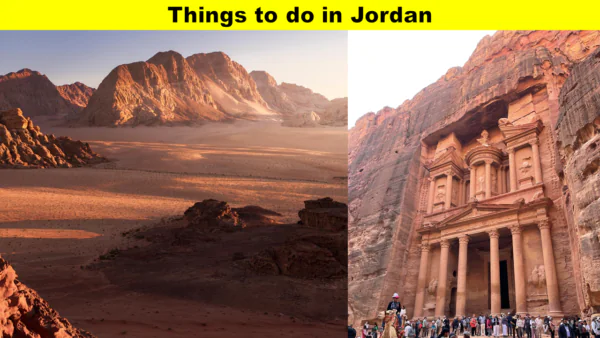
Things to do in Jordan based on NeemTime research from most popular to just popular
Petra, Jordan
Overview: Petra is a world-famous archaeological city carved into rose-red rock cliffs, renowned for its ancient architecture and dramatic desert setting.
History: It was the capital of the Nabataean Kingdom and a major trading hub connecting Arabia, Egypt, and the Mediterranean.
Since When: Established around the 4th century BC and flourished until Roman annexation in 106 AD.
Review: Visitors are amazed by its scale, historical significance, and iconic structures like the Treasury.
When to Go: Spring or autumn for comfortable weather and better exploration conditions.
How to Go: Located near Wadi Musa, accessible by car or organized tours from Amman or Aqaba.
What to Do: Walk through the Siq, explore tombs, hike to viewpoints, and visit ancient ruins.
Free or Paid: Paid entry.
City Mall, Jordan
Overview: City Mall is a modern shopping center in Amman offering international brands, dining options, and entertainment facilities.
History: It was developed to provide a contemporary retail experience for residents and tourists in Jordan’s capital.
Since When: Opened in 2007.
Review: Visitors appreciate its spacious layout, variety of stores, and family-friendly atmosphere.
When to Go: Weekday afternoons for a quieter shopping experience.
How to Go: Located in Amman, accessible by car or taxi.
What to Do: Shop, dine, and enjoy cinema and entertainment options.
Free or Paid: Free entry; purchases are paid.
Mecca Mall, Jordan
Overview: Mecca Mall is one of Amman’s popular shopping destinations featuring retail stores, restaurants, and leisure activities.
History: It was built to cater to the city’s expanding retail and entertainment needs.
Since When: Opened in 2003.
Review: Visitors enjoy its variety of shops and casual atmosphere, though it can be busy.
When to Go: Evenings for a lively shopping experience.
How to Go: Located in Amman, accessible by car or public transport.
What to Do: Shop, dine, and explore entertainment areas.
Free or Paid: Free entry; purchases are paid.
The Hashemite Plaza, Jordan
Overview: The Hashemite Plaza is a large public square in downtown Amman located near major historical landmarks and cultural sites.
History: It was developed to enhance public space around the Roman Theatre and serve as a gathering place for events.
Since When: Modernized in the early 21st century.
Review: Visitors appreciate its open space, historical surroundings, and central location.
When to Go: Evening for cooler weather and vibrant atmosphere.
How to Go: Located in downtown Amman, accessible by taxi, bus, or walking.
What to Do: Relax, attend events, and explore nearby attractions.
Free or Paid: Free entry.
AlHussein Public Parks, Jordan
Overview: AlHussein Public Parks is a large green park in Amman offering open spaces, playgrounds, and recreational facilities.
History: It was established to provide a major public leisure area for families and community activities.
Since When: Opened in the early 2000s.
Review: Visitors enjoy its clean environment, family-friendly spaces, and variety of activities.
When to Go: Evening or weekends for leisure and outdoor relaxation.
How to Go: Located in Amman, accessible by car or taxi.
What to Do: Picnic, walk, play sports, and relax in nature.
Free or Paid: Free or small entry fee depending on access area.
Amman Citadel, Jordan
Overview: Amman Citadel is a historic hilltop site in Jordan’s capital featuring ancient ruins, temples, and panoramic views over the city.
History: It has been continuously occupied since the Bronze Age and includes Roman, Byzantine, and Umayyad remains.
Since When: Dating back to around 1800 BC with structures added across different eras.
Review: Visitors appreciate its historical depth, scenic views, and well-preserved ruins.
When to Go: Morning or late afternoon for cooler weather and better views.
How to Go: Located in central Amman, accessible by car, taxi, or walking from downtown.
What to Do: Explore ruins, visit the museum, and enjoy city panoramas.
Free or Paid: Paid entry.
Roman Theatre Amman, Jordan
Overview: The Roman Theater is a large ancient amphitheater in downtown Amman known for its impressive architecture and cultural significance.
History: It was built during the Roman period under Emperor Antoninus Pius to host performances and public gatherings.
Since When: Constructed in the 2nd century AD.
Review: Visitors admire its scale, preservation, and vibrant atmosphere during events.
When to Go: Morning for fewer crowds or evening for events.
How to Go: Located in downtown Amman, accessible by walking, taxi, or bus.
What to Do: Climb seating tiers, explore nearby museums, and attend performances.
Free or Paid: Paid entry.
Jerash Archaeological Site, Jordan
Overview: The Archaeological Site of Jerash is one of the best-preserved Roman cities in the world, featuring colonnaded streets, temples, and theaters.
History: It flourished during the Roman Empire as the city of Gerasa and later declined after earthquakes and invasions.
Since When: Established as a major city in the 1st century AD.
Review: Visitors are impressed by its extensive ruins, historical authenticity, and walkable layout.
When to Go: Spring or autumn for pleasant weather conditions.
How to Go: Located about 50 km from Amman, accessible by car or guided tours.
What to Do: Walk ancient streets, explore temples, and visit amphitheaters.
Free or Paid: Paid entry.
Avenue Mall, Jordan
Overview: Avenue Mall is a contemporary shopping center in Amman offering retail outlets, dining options, and leisure facilities.
History: It was developed to meet the growing demand for modern shopping experiences in the city.
Since When: Opened in the 2010s.
Review: Visitors find it convenient and modern, though smaller than major malls.
When to Go: Weekday afternoons for a quieter visit.
How to Go: Located in Amman, accessible by car or taxi.
What to Do: Shop, dine, and enjoy casual entertainment.
Free or Paid: Free entry; purchases are paid.
Wadi Rum Protected Area, Jordan
Overview: Wadi Rum Protected Area is a vast desert landscape known for its red sand dunes, sandstone mountains, and dramatic natural scenery.
History: It has been inhabited since prehistoric times and later used by Bedouin tribes, with links to Lawrence of Arabia.
Since When: Recognized as a protected area and UNESCO site in 2011.
Review: Visitors describe it as breathtaking and unique, offering unforgettable desert experiences.
When to Go: Spring and autumn for comfortable temperatures.
How to Go: Located near Aqaba, accessible by car or guided desert tours.
What to Do: Enjoy jeep safaris, camel rides, camping, and stargazing.
Free or Paid: Paid entry and activity costs.
Al-Khazneh (The Treasury), Jordan
Overview: The Treasury is Petra’s most iconic monument, carved into sandstone cliffs with an elaborate façade that reflects Nabataean architectural brilliance.
History: It is believed to have been built as a royal tomb or ceremonial structure during the Nabataean Kingdom’s peak.
Since When: Constructed in the 1st century AD.
Review: Visitors are awestruck by its grandeur and dramatic reveal at the end of the Siq.
When to Go: Early morning to avoid crowds and capture the best lighting.
How to Go: Located within Petra, reachable by walking through the Siq from the main entrance.
What to Do: Take photos, admire carvings, and explore surrounding ruins.
Free or Paid: Included in Petra’s paid entry ticket.
Ajloun Castle, Jordan
Overview: Ajloun Castle is a 12th-century Islamic fortress offering panoramic views of northern Jordan’s hills and valleys.
History: It was built by a general of Saladin to defend against Crusader invasions and control trade routes.
Since When: Constructed in 1184 AD.
Review: Visitors enjoy its historical significance, scenic views, and well-preserved structure.
When to Go: Spring for greenery and pleasant weather.
How to Go: Located in Ajloun, accessible by car or guided tours from Amman.
What to Do: Explore towers, walk through corridors, and enjoy viewpoints.
Free or Paid: Paid entry.
Yardenit Baptismal Site, Jordan
Overview: Yardenit is a famous baptismal site along the Jordan River attracting pilgrims and visitors seeking spiritual experiences.
History: It was developed as an official baptism site connected to Christian traditions associated with the Jordan River.
Since When: Established in the 1980s as a designated baptismal location.
Review: Visitors appreciate its peaceful setting and spiritual significance, though it can be busy.
When to Go: Morning for a quieter and more reflective experience.
How to Go: Located near the Sea of Galilee, accessible by car or tour groups.
What to Do: Participate in baptism rituals and explore the riverside area.
Free or Paid: Free entry; paid services for ceremonies.
Ma’in Hot Springs, Jordan
Overview: Ma’in Hot Springs is a natural thermal spa area featuring waterfalls and mineral-rich hot water pools in a dramatic canyon setting.
History: The springs have been used since ancient times, including by the Romans for therapeutic bathing.
Since When: Known and used for thousands of years.
Review: Visitors love its relaxing waters and unique natural environment, though facilities vary.
When to Go: Autumn or winter for a comfortable hot spring experience.
How to Go: Located about 30 km from Madaba, accessible by car or resort transport.
What to Do: Bathe in hot springs, relax under waterfalls, and enjoy spa treatments.
Free or Paid: Paid entry or resort access.
HuQQabaz Jordan, Jordan
Overview: HuQQabaz Jordan is a stylish restaurant offering modern Middle Eastern cuisine with an upscale dining ambiance.
History: It was introduced as part of a contemporary dining concept blending traditional flavors with modern presentation.
Since When: Operating since the late 2010s.
Review: Visitors praise its flavorful dishes, elegant setting, and creative menu.
When to Go: Evening for a premium dining experience.
How to Go: Located in Amman, accessible by car or taxi.
What to Do: Enjoy fine dining, try signature dishes, and relax in a stylish environment.
Free or Paid: Paid dining.
King Abdullah I Mosque, Jordan
Overview: King Abdullah I Mosque is a landmark blue-domed mosque in Amman known for its striking Islamic architecture and large prayer hall open to visitors.
History: It was built in memory of King Abdullah I, the founder of modern Jordan, to serve as a major national mosque.
Since When: Completed in 1989.
Review: Visitors appreciate its peaceful atmosphere, elegant design, and welcoming non-Muslim access areas.
When to Go: Outside prayer times, especially morning or late afternoon for guided visits.
How to Go: Located in central Amman, accessible by taxi, bus, or private car.
What to Do: Explore the mosque interior, admire Islamic art, and learn about Jordanian culture.
Free or Paid: Free entry (donations welcome).
Zaha Cultural Center, Jordan
Overview: Zaha Cultural Center is a children-focused educational and recreational center in Amman offering learning activities, workshops, and play areas.
History: It was established to provide creative and educational spaces for children in Jordan.
Since When: Opened in the early 2000s.
Review: Families appreciate its safe environment, engaging programs, and well-designed facilities.
When to Go: Weekends or school holidays for full activity schedules.
How to Go: Located in Amman, accessible by car or taxi.
What to Do: Join workshops, play educational games, and attend cultural activities.
Free or Paid: Paid entry or activity-based fees.
Prince Hashem Bird Garden, Jordan
Overview: Prince Hashem Bird Garden is a small zoo and park in Amman featuring various bird species, animals, and family-friendly walking paths.
History: It was created as part of urban green space development to promote environmental awareness and recreation.
Since When: Established in the late 20th century.
Review: Visitors enjoy its relaxing atmosphere and variety of birds, though it is relatively small.
When to Go: Morning or late afternoon for cooler weather and active animals.
How to Go: Located in Amman, accessible by taxi or bus.
What to Do: Walk, observe birds, and enjoy a family outing.
Free or Paid: Paid entry.
Jordan River Rafting, Jordan
Overview: Jordan River Rafting Attractions offer adventure water experiences including rafting, kayaking, and river-based outdoor activities.
History: These activities were introduced to promote eco-tourism and adventure sports in Jordan’s river regions.
Since When: Developed in the early 21st century.
Review: Visitors enjoy the excitement and natural scenery, though water levels vary seasonally.
When to Go: Spring or early summer for optimal water flow.
How to Go: Located near river activity zones, accessible by tour operators from Amman or nearby areas.
What to Do: Go rafting, kayaking, and enjoy river adventures.
Free or Paid: Paid activity.
Aqua Kef, Jordan
Overview: Aqua Kef is a floating water park on the Dead Sea offering inflatable obstacle courses and beach relaxation activities.
History: It was developed as part of Dead Sea tourism expansion to offer recreational water experiences.
Since When: Operating since the 2010s.
Review: Visitors love its unique floating fun experience and scenic Dead Sea views.
When to Go: Summer for full water activity experience.
How to Go: Located at the Dead Sea resorts, accessible by car from Amman.
What to Do: Enjoy floating obstacle courses, swimming, and beach relaxation.
Free or Paid: Paid entry.
Royal Automobile Museum, Jordan
Overview: Royal Automobile Museum is a modern museum in Amman showcasing the personal car collection of King Hussein along with historic vehicles and motorcycles.
History: It was established to preserve Jordan’s royal automotive heritage and display the evolution of transportation in the country.
Since When: Opened in 2003.
Review: Visitors enjoy its well-curated exhibits, rare classic cars, and multimedia storytelling.
When to Go: Morning or weekday visits for a quieter museum experience.
How to Go: Located in Al Hussein Public Parks area, accessible by car or taxi.
What to Do: Explore royal cars, motorcycles, and historical exhibits.
Free or Paid: Paid entry.
Amman Citadel, Jordan
Overview: The Citadel is an ancient hilltop archaeological site in Amman featuring ruins from Roman, Byzantine, and Islamic civilizations.
History: It has been continuously inhabited since the Bronze Age and served as a major political and cultural center.
Since When: Occupied since around 1800 BC.
Review: Visitors admire its panoramic views, historical ruins, and museum artifacts.
When to Go: Early morning or sunset for best views and cooler weather.
How to Go: Located in central Amman, accessible by taxi or walking from downtown.
What to Do: Explore ruins, visit the Temple of Hercules, and enjoy city views.
Free or Paid: Paid entry.
Jordan Museum, Jordan
Overview: Jordan Museum is the largest museum in the country showcasing archaeological, historical, and cultural artifacts.
History: It was built to preserve Jordan’s national heritage and display artifacts from prehistoric to modern times.
Since When: Opened in 2013.
Review: Visitors appreciate its modern design, educational exhibits, and well-organized collections.
When to Go: Morning for a calm and informative visit.
How to Go: Located in Ras Al-Ain, Amman, accessible by taxi or bus.
What to Do: Explore exhibits on Jordan’s history, archaeology, and culture.
Free or Paid: Paid entry.
Temple of Hercules at Amman Citadel, Jordan
Overview: The Temple of Hercules is a Roman-era structure within the Amman Citadel known for its massive stone columns and ancient ruins.
History: It was built during the Roman occupation of Amman as part of a major temple complex.
Since When: Constructed in the 2nd century AD.
Review: Visitors are impressed by its scale and historical significance despite partial ruins.
When to Go: Morning or late afternoon for best lighting and comfort.
How to Go: Located within Amman Citadel, accessible from downtown Amman.
What to Do: Explore ruins and take panoramic city photos.
Free or Paid: Included in Citadel ticket.
Haya Cultural Center, Jordan
Overview: Haya Cultural Center is a family-focused educational and cultural facility in Amman offering workshops, performances, and creative activities.
History: It was founded to promote arts, education, and cultural development for children and families.
Since When: Established in the 1970s.
Review: Visitors appreciate its engaging programs, safe environment, and educational value.
When to Go: Weekends or during scheduled events and workshops.
How to Go: Located in Amman, accessible by car or taxi.
What to Do: Join workshops, attend performances, and explore exhibitions.
Free or Paid: Paid entry or activity-based fees.
Swefieh Village, Jordan
Overview: Swefieh Village is a modern lifestyle shopping and dining complex in Amman known for its boutique stores, cafés, and relaxed outdoor ambiance.
History: It was developed as part of Swefieh’s transformation into one of Amman’s key commercial and entertainment districts.
Since When: Opened in the 2010s.
Review: Visitors like its trendy atmosphere, diverse restaurants, and pleasant open-air design.
When to Go: Evenings or weekends for dining and social activities.
How to Go: Located in western Amman, accessible by car or taxi.
What to Do: Shop, dine, and enjoy cafés and casual entertainment.
Free or Paid: Free entry; purchases are paid.
Royal Tank Museum, Jordan
Overview: The Royal Tank Museum is a military museum in Amman showcasing historic armored vehicles and Jordan’s military heritage.
History: It was established to preserve and display the evolution of armored warfare and Jordanian armed forces history.
Since When: Opened in 2018.
Review: Visitors appreciate its impressive collection of tanks, interactive displays, and modern presentation.
When to Go: Morning or weekday visits for fewer crowds.
How to Go: Located in Al Muqabalain, Amman, accessible by car or taxi.
What to Do: Explore tanks, military exhibits, and interactive displays.
Free or Paid: Paid entry.
Nimrod Fortress National Park, Jordan
Overview: Nimrod Fortress National Park is a large medieval fortress site offering dramatic ruins and panoramic mountain views.
History: It was built by Muslim rulers in the 13th century to defend strategic routes in the region.
Since When: Constructed around the early 1200s AD.
Review: Visitors enjoy its impressive ruins, hiking paths, and scenic surroundings.
When to Go: Spring or autumn for comfortable hiking conditions.
How to Go: Located in the northern region near the Golan Heights, accessible by car.
What to Do: Explore fortress ruins, hike trails, and enjoy viewpoints.
Free or Paid: Paid entry.
Alf Layla Wa Layla Turkish Bath, Jordan
Overview: Alf Layla Wa Layla Turkish Bath is a traditional hammam in Amman offering steam baths, massages, and relaxation treatments.
History: It is inspired by Ottoman bathing traditions designed for cleansing and relaxation rituals.
Since When: Operating since the late 20th century.
Review: Visitors enjoy its relaxing atmosphere, authentic hammam experience, and professional services.
When to Go: Evening for relaxation after sightseeing.
How to Go: Located in Amman, accessible by taxi or car.
What to Do: Enjoy steam baths, scrubs, and massage treatments.
Free or Paid: Paid services.
Bait Shaker, Jordan
Overview: Bait Shaker is a historic house in Amman showcasing traditional Jordanian architecture and cultural heritage.
History: It was built by the Shaker family and preserved as an example of early 20th-century Ammani residential design.
Since When: Dating back to the early 1900s.
Review: Visitors appreciate its cultural authenticity and glimpse into traditional Jordanian life.
When to Go: Daytime for guided visits and cultural exploration.
How to Go: Located in Amman’s old neighborhoods, accessible by taxi or walking tours.
What to Do: Explore architecture, cultural exhibits, and heritage displays.
Free or Paid: Usually free or donation-based entry.