Tahir ul Qadri based on NeemTime research
Who Is Tahir-ul-Qadri (Biography / Personal Details)
Muhammad Tahir-ul-Qadri is a Pakistani-born Islamic scholar whose influence extends from religious education and published scholarship to international peace campaigns and political protests.
Born on 19 February 1951 in Jhang, Punjab, Pakistan, he became widely known as the founder of Minhaj-ul-Quran International.
His followers commonly refer to him as Shaykh-ul-Islam, a religious honorific reflecting his scholarly standing within his movement.
Qadri trained in Islamic studies and law before becoming a lecturer and professor of Islamic jurisprudence at the University of the Punjab.
In 1980, he established Minhaj-ul-Quran International, an organisation that combines religious education, social welfare and interfaith initiatives.
He later founded the Pakistan Awami Tehreek, bringing his ideas about political reform into Pakistan’s electoral and protest movements.
His international profile expanded in 2010 when he published a substantial fatwa condemning terrorism and suicide bombings committed in the name of Islam.
He has written extensively on Quranic studies, Islamic law, spirituality, economics, human rights and contemporary social questions.
His political activism brought him to the centre of major demonstrations in Islamabad in 2013 and 2014, making him a prominent but divisive figure in Pakistan.
Based in Canada for much of his later public career, Qadri remains associated with religious scholarship, educational institutions and the international activities of Minhaj-ul-Quran.
Tahir-ul-Qadri Height, Appearance, Fitness & How to Get a Body Like Tahir-ul-Qadri
Tahir-ul-Qadri is recognised internationally for his long public lectures, distinctive religious attire and commanding presence before large audiences.
A reliably documented official height is not readily available, although some online biography sites publish estimates of approximately 5 feet 6 inches.
That figure should be treated as an unverified estimate rather than a confirmed physical measurement.
His public appearance commonly includes traditional South Asian clothing, a turban or religious headwear, and a full beard.
His image is closely associated with religious scholarship and public speaking rather than the entertainment industry or celebrity fitness culture.
There is no dependable public record establishing a specific exercise programme, weight-training schedule or personal diet plan that he follows.
Claims about his private fitness habits should not be repeated as fact without credible documentation or a direct interview.
Anyone seeking to improve their general fitness can begin with regular walking, age-appropriate strength exercises and gradual increases in activity.
A balanced diet, adequate sleep, hydration and medical guidance when needed provide a more reliable foundation than copying an unverified public figure’s supposed routine.
Qadri’s public persona is best understood through his scholarship, speeches and organisational work, rather than unsupported claims about his height or physical conditioning.
Tahir ul Qadri Family
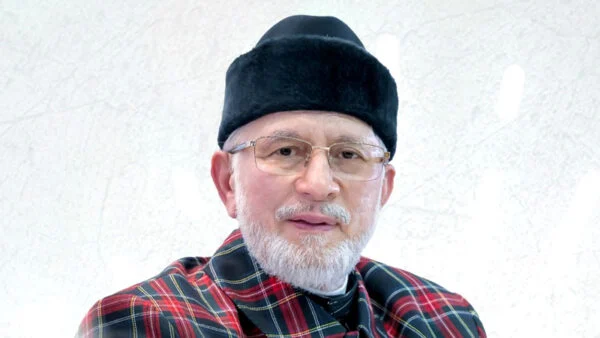
Tahir ul Qadri Family 5
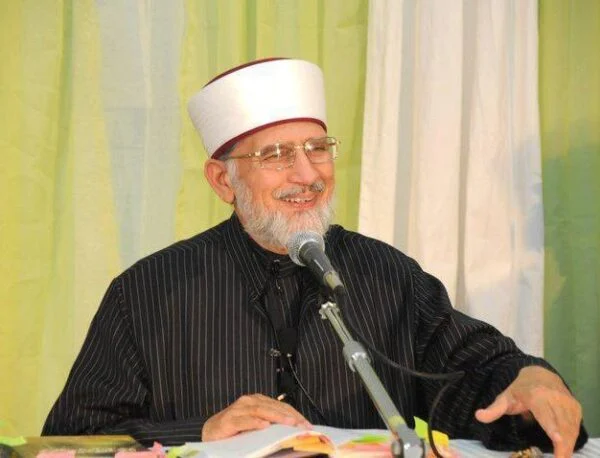
Tahir ul Qadri Family 4
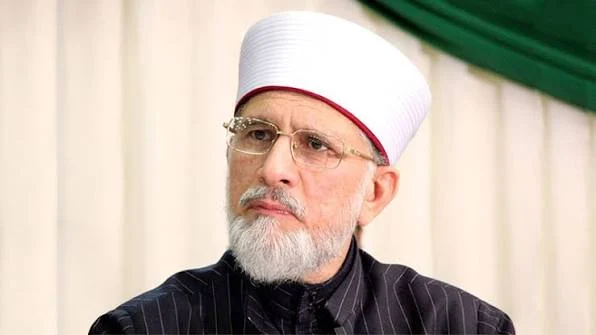
Tahir ul Qadri Family 3
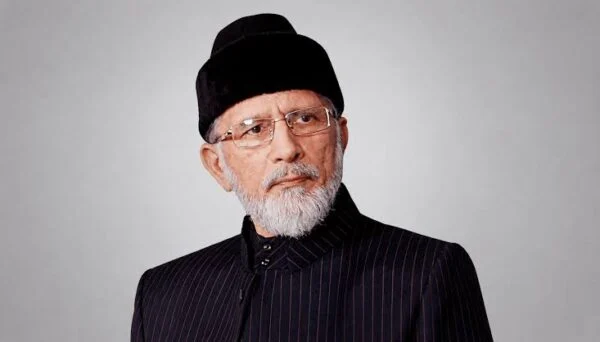
Tahir ul Qadri Family 2
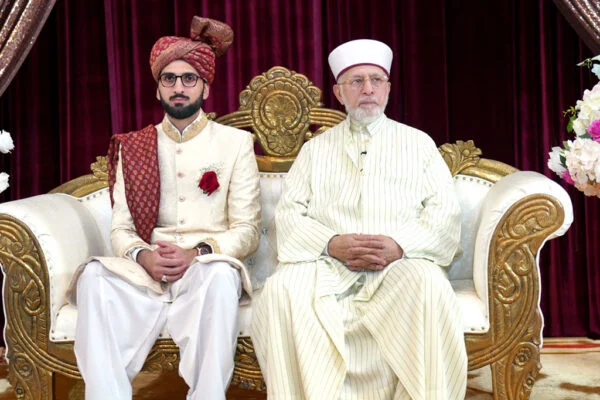
Tahir ul Qadri Family
Early Life, Childhood, Education & Family Background of Tahir-ul-Qadri
Tahir-ul-Qadri was born in Jhang, a city in Punjab, Pakistan, into a family with a strong tradition of religious learning.
His father, Farid-ud-Din Qadri, was a physician as well as a religious scholar, poet and speaker who influenced his son’s intellectual development.
According to biographical accounts published by his organisation, his father introduced him to Islamic scholarship and classical religious literature from an early age.
Qadri pursued formal schooling alongside intensive religious study, developing interests in Islamic jurisprudence, Quranic interpretation and spirituality.
His family’s emphasis on learning helped shape the academic direction that would later define his public career.
He studied at the University of the Punjab, where he earned a first-class honours degree in 1970.
He completed a master’s degree in Islamic studies in 1972, receiving a university gold medal for his academic performance.
In 1974, he earned an LLB degree and began practising law in the district courts of Jhang.
He later moved to Lahore in 1978 to join the University of the Punjab as a law lecturer and continued his advanced studies in Islamic law.
His combination of legal training, religious scholarship and teaching experience provided the foundation for his later work as an author, educator and public figure.
Personal Life Highlights of Tahir-ul-Qadri (Family Members)
Although Tahir-ul-Qadri’s public life centres on scholarship and religious leadership, his family has also been involved in education and organisational work.
His father, Farid-ud-Din Qadri, was a major early influence through his medical profession, religious knowledge and interest in spirituality.
Qadri is married, but reliable public biographies do not consistently provide enough independently verified detail to justify extensive claims about his wife’s private life.
The couple have five children, comprising three daughters and two sons, according to commonly published biographical accounts.
His sons include Hassan Mohi-ud-Din Qadri and Hussain Mohi-ud-Din Qadri, both of whom have been involved in the wider Minhaj-ul-Quran network.
Hassan has held leadership responsibilities within the organisation and has appeared alongside his father at international religious events.
Hussain has been associated with educational and welfare projects, including work connected to Minhaj University Lahore.
His daughters include Fatima, Aisha and Khadija, whose names appear with varying spellings in different organisational and biographical publications.
Qadri’s family life has occasionally been visible at conferences and community gatherings, particularly when relatives participate in organisational activities.
The family’s public profile is therefore closely connected to the educational, religious and welfare institutions built around his wider movement.
Tahir-ul-Qadri Partners, Relationships & Dating History
Tahir-ul-Qadri’s publicly documented relationship history centres on his marriage and family rather than a celebrity-style dating record.
He is married and has five children, including two sons who have held public responsibilities within the Minhaj-ul-Quran network.
His wife has generally maintained a lower public profile than he has, and detailed accounts of their relationship are limited.
There is no reliable public record establishing a series of previous romantic partners or relationships involving well-known public figures.
Claims about unreported dating relationships should therefore not be treated as established biographical facts.
Qadri’s professional life has involved decades of teaching, religious research, international travel and leadership of a large organisation.
His family has accompanied him at some religious gatherings and international events, where relatives have participated in community and organisational activities.
His sons’ roles in educational and welfare initiatives have sometimes made family connections relevant to discussions about leadership within Minhaj-ul-Quran.
However, organisational roles alone do not establish private family arrangements or personal disputes, and such claims require independent evidence.
A factual account of his relationships should focus on his marriage, his five children and the publicly documented ways his family has participated in his broader work.
Tahir-ul-Qadri Career Journey, Breakthroughs, Achievements & Awards
Tahir-ul-Qadri began his professional career in law before becoming a university lecturer and prominent Islamic scholar.
After earning his law degree in 1974, he practised in Jhang and later joined the University of the Punjab in Lahore.
He subsequently became a professor of Islamic law and held academic responsibilities in Islamic jurisprudence and legislation.
In 1980, he founded Minhaj-ul-Quran International to promote religious education, spiritual development and social welfare.
He established Pakistan Awami Tehreek in 1989, extending his work into political reform and public mobilisation.
His international recognition increased in 2010 with the publication of a detailed fatwa rejecting terrorism and suicide bombings in the name of Islam.
The document presented an extensive religious argument against extremist violence and became a central part of his international public profile.
In 2011, his Peace for Humanity conference at London’s Wembley Arena brought together thousands of participants to promote interfaith understanding and oppose extremism.
His wider educational work includes Minhaj University Lahore, Minhaj Education Society and Minhaj Welfare Foundation, which operate in education and community support.
His career combines religious writing, teaching, organisational leadership and political activism, although his protest strategy and political ambitions have also attracted substantial criticism.
Current Life Highlights of Tahir-ul-Qadri (Career / Other Work)
Tahir-ul-Qadri continues to be associated with Minhaj-ul-Quran International, the religious and educational movement he founded in 1980.
His long-term work has focused on Islamic scholarship, religious teaching, spiritual development, welfare programmes and interfaith dialogue.
He has spent much of his later public life based in Canada while maintaining organisational connections with Pakistan and other countries.
His books and recorded lectures remain important parts of Minhaj-ul-Quran’s educational activity, reaching audiences through publications and digital platforms.
The organisation has established centres internationally and supports educational and community initiatives through its associated institutions.
In March 2026, Qadri’s organisation announced the cancellation of that year’s Shehr-e-Itikaf gathering in Lahore because of the prevailing security situation.
The decision ended the immediate plans for a major annual event that had attracted participants from Pakistan and abroad for decades.
Supporters were encouraged to observe the spiritual retreat in their own cities and communities rather than travel to a single location.
His current public profile remains tied primarily to scholarship, religious guidance and the work of his organisation rather than an elected political office.
His continuing influence is evident in the institutions, publications and international networks established around his decades of teaching and public engagement.
Tahir-ul-Qadri Most Popular Movies, TV Shows, Media Appearances & Other Work
Tahir-ul-Qadri is an Islamic scholar and political figure, not a film or television actor, so he has no conventional acting filmography.
His most prominent media appearances have taken the form of religious lectures, public debates, conference speeches and political interviews.
His recorded lectures cover Quranic interpretation, hadith, Islamic law, spirituality, social questions and contemporary political issues.
The 2010 fatwa against terrorism and suicide bombings became one of his most widely discussed published works.
His lectures and interviews have been distributed through television broadcasts, recorded media and online platforms associated with his organisation.
In 2011, the Peace for Humanity conference at Wembley Arena brought his message of interfaith cooperation to a large international audience.
His political speeches during the 2013 Islamabad sit-in attracted extensive Pakistani television coverage and placed his reform demands at the centre of national debate.
The 2014 protests alongside a separate Pakistan Tehreek-e-Insaf movement generated further news coverage of his speeches and political strategy.
His eight-volume Quranic Encyclopaedia, launched in 2018, represents a major project in his long-running effort to present Quranic themes systematically.
Readers seeking his most important media work will find his recorded lectures, published scholarship, conference addresses and political interviews more relevant than movie or television listings.
Tahir-ul-Qadri Most Popular News, Controversies, Career Debates / Why Tahir-ul-Qadri Is Popular
Tahir-ul-Qadri’s public profile has been shaped by both his campaign against religious extremism and his confrontational approach to Pakistani politics.
In January 2013, he led a large Islamabad protest demanding electoral and political reforms shortly before Pakistan’s general election.
Critics questioned whether his proposed changes could undermine the democratic process, while supporters argued that he was challenging entrenched political interests.
In June 2014, a police operation near his Lahore residence resulted in deadly clashes with Pakistan Awami Tehreek workers, with at least 14 supporters reported killed.
The incident, widely known as the Model Town tragedy, triggered public outrage, investigations and demands for accountability over the police response.
In August 2014, Qadri returned to the centre of national politics by leading another Islamabad sit-in demanding the resignation of Prime Minister Nawaz Sharif’s government.
His movement’s protest continued for about 65 days before he announced its end in October, without achieving the government’s resignation.
The demonstrations raised questions about protest tactics, constitutional limits and the role of unelected forces in Pakistan’s political system.
In February 2025, a judicial magistrate initiated proceedings to declare Qadri a proclaimed offender in a case linked to the 2014 sit-in after his continued absence despite summons.
That procedural development should not be presented as a conviction, and the status of individual proceedings must be distinguished from the wider political controversy.
Tahir-ul-Qadri Known Unknown Facts, Trivia + People Also Ask / Search & Answers
Tahir-ul-Qadri combines formal legal training with traditional Islamic scholarship, a combination that shaped his career as a jurist and religious teacher.
His father, Farid-ud-Din Qadri, was both a physician and a religious scholar, giving the family a distinctive blend of professional and spiritual traditions.
He founded Minhaj-ul-Quran International in 1980, years before he created Pakistan Awami Tehreek as a political platform.
His 2010 fatwa against terrorism became one of his best-known works and was circulated internationally in discussions about religious extremism.
His organisation’s activities extend beyond religious lectures into education, welfare services and interfaith initiatives.
The eight-volume Quranic Encyclopaedia launched in 2018 brought together themes from the Quran in a structured reference work.
The question “When was Tahir-ul-Qadri born?” has a clear answer: he was born on 19 February 1951 in Jhang, Pakistan.
The question “What is Tahir-ul-Qadri famous for?” can be answered directly: he is known for Islamic scholarship, founding Minhaj-ul-Quran International and leading political protests in Pakistan.
The question “Does Tahir-ul-Qadri have children?” has a direct answer: he has five children, including sons Hassan Mohi-ud-Din Qadri and Hussain Mohi-ud-Din Qadri.
The question “Where does Tahir-ul-Qadri live?” requires some nuance: he has spent much of his later public life based in Canada while remaining associated with organisations and activities in Pakistan and internationally.