Khadim Hussain Rizvi based on NeemTime research
Who is Khadim Hussain Rizvi (Biography / Personal Details)
Khadim Hussain Rizvi became one of Pakistan’s most prominent and polarising religious-political figures by turning forceful sermons into a nationwide protest movement.
Born on June 22, 1966, in the Pindi Gheb area of Attock district, Punjab, he was a Barelvi Sunni cleric known for his passionate public speaking.
He gained national prominence through campaigns centred on Pakistan’s blasphemy laws and the protection of the honour of the Prophet Muhammad, positions that attracted devoted followers and strong criticism.
Rizvi became closely associated with Tehreek-e-Labbaik Pakistan (TLP), a religious-political party that emerged in the mid-2010s.
His speeches frequently drew on religious scholarship, poetry and forceful denunciations of political leaders whom he believed had failed his movement’s demands.
He was known for delivering sermons from a wheelchair after a road accident left him with a lasting mobility impairment.
The 2017 Faizabad sit-in brought him to the centre of national politics, disrupting traffic and creating a major confrontation with the government.
TLP contested the 2018 general election and secured approximately 2.2 million votes, becoming one of the country’s significant emerging political forces.
Rizvi died in Lahore on November 19, 2020, at the age of 54, and his son Saad Hussain Rizvi subsequently became the party’s leader.
His legacy remains deeply contested, combining substantial grassroots mobilisation with criticism over confrontational tactics and the consequences of his movement’s political demands.
Khadim Hussain Rizvi Height, Appearance, Fitness & How to Get a Body Like Khadim Hussain Rizvi
Khadim Hussain Rizvi’s public image was defined far more by his distinctive speaking style and wheelchair use than by physical appearance or fitness.
His exact height has not been reliably established in authoritative public records, so commonly repeated online measurements should not be treated as confirmed facts.
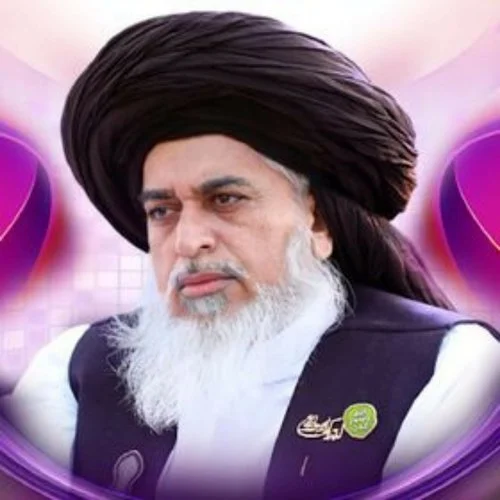
He was frequently photographed wearing traditional Pakistani clothing, including a turban and loose-fitting garments associated with his religious role.
His beard and traditional dress became recognisable features of his appearance during rallies, sermons and television interviews.
A road accident left him with a lasting mobility impairment, and he used a wheelchair during his years as a prominent public speaker.
Accounts differ on the precise date and location of the accident, but established reporting links his disability to a vehicle journey in Punjab.
There is no reliable public record establishing a specific workout routine, diet plan or fitness regimen followed by Rizvi.
It would therefore be misleading to attribute his appearance or health to unverified lifestyle practices.
For readers seeking general fitness guidance, appropriate physical activity, balanced nutrition and professional advice are more useful than attempting to copy a public figure’s appearance.
Rizvi’s public identity is best understood through his religious leadership, political mobilisation and distinctive presence at rallies rather than speculation about his height or physical condition.
Khadim Hussain Rizvi Family
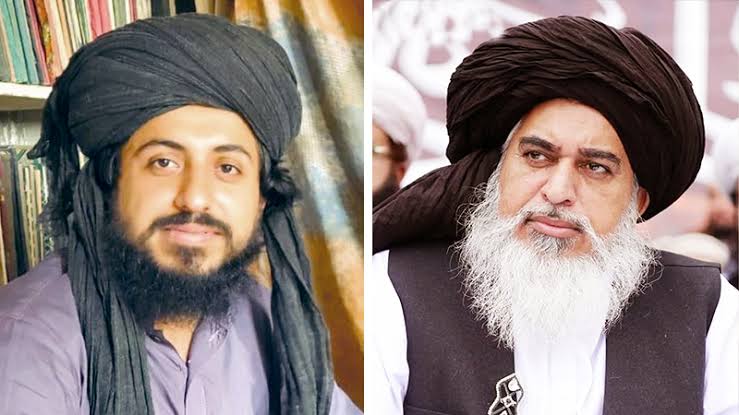
Khadim Hussain Rizvi Family 5
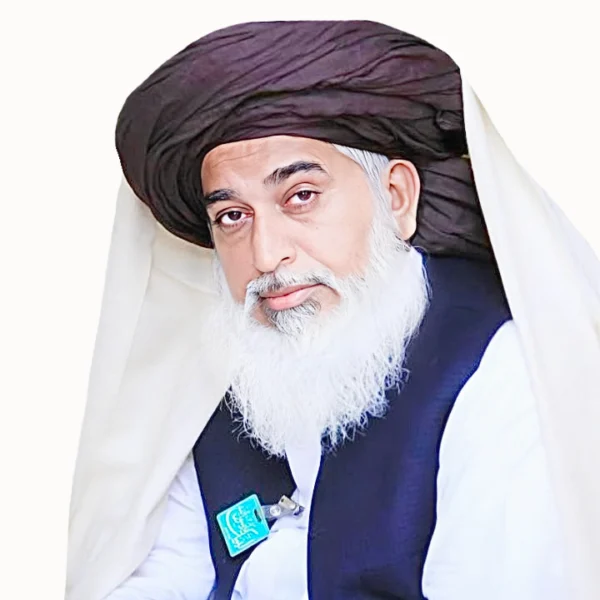
Khadim Hussain Rizvi Family 4
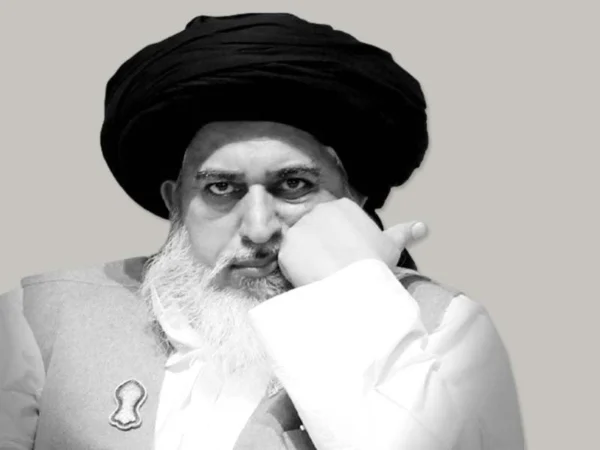
Khadim Hussain Rizvi Family 3
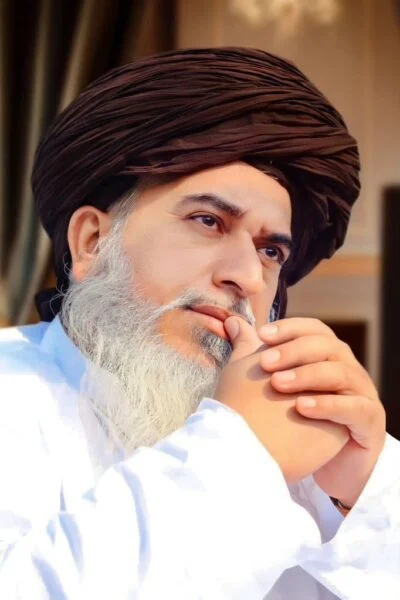
Khadim Hussain Rizvi Family 2
Khadim Hussain Rizvi Family
Early Life, Childhood, Education & Family Background of Khadim Hussain Rizvi
Khadim Hussain Rizvi’s rise from a religious scholar in Punjab to a national political figure began with traditional Islamic education rather than a conventional political career.
He was born on June 22, 1966, in Pindi Gheb, a town in Attock district of Punjab, Pakistan.
He studied Quran memorisation and recitation, including Hifz and Tajweed, at a religious institution in Jhelum.
He later studied at Jamia Nizamia Rizvia in Lahore, where he developed the religious scholarship that informed his sermons.
Rizvi became known as a Hafiz-e-Quran and Sheikh-ul-Hadith, titles associated with Quran memorisation and advanced Islamic learning.
He followed the Barelvi Sunni tradition, shaped by the teachings associated with nineteenth-century scholar Ahmed Raza Khan.
Before becoming nationally prominent, he worked as a religious preacher and delivered Friday sermons at Pir Makki Masjid near Data Darbar in Lahore.
He also served in Punjab’s Auqaf and Religious Affairs Department, according to published biographical reporting.
A road accident during a journey in Punjab left him with a permanent mobility impairment and led to his later use of a wheelchair.
His religious career remained relatively local for years before the political controversies of the early 2010s brought him national attention.
Personal Life Highlights of Khadim Hussain Rizvi (Family Members)
Although Khadim Hussain Rizvi became a highly visible political leader, reliable details about his private family life remained limited compared with coverage of his public speeches.
He was married and had children, including two sons who became associated with his political legacy.
His son Saad Hussain Rizvi was already active within Tehreek-e-Labbaik Pakistan before his father’s death.
On November 21, 2020, Saad led his father’s funeral prayers at Minar-e-Pakistan in Lahore, where thousands of supporters gathered.
The TLP leadership subsequently selected Saad as the party’s new chief, ensuring that the family remained central to the movement’s leadership.
Khadim Rizvi’s death therefore marked both a personal loss for his family and a major transition for the political organisation he had led.
News reports also identified a widow and daughters, although published accounts differ over the exact number of his children.
Because those reports are inconsistent, a precise family count should not be stated without stronger confirmation.
Rizvi rarely made his private life the focus of public appearances, keeping most of his family relationships outside political speeches.
His family’s most visible public role has consequently been connected to his funeral, succession and the continuing leadership of the TLP.
Khadim Hussain Rizvi Partners, Relationships & Dating History
Khadim Hussain Rizvi’s publicly documented personal relationship history is limited, and reliable reporting does not provide a detailed account of his courtship or dating life.
He was married and was survived by his wife when he died in Lahore on November 19, 2020.
Public coverage of his family generally focused on his widow and children rather than the circumstances of his marriage.
His son Saad Hussain Rizvi became particularly prominent after his father’s death because he succeeded him as leader of Tehreek-e-Labbaik Pakistan.
Rizvi’s public identity was built around religious preaching and political activism, not celebrity-style coverage of romantic relationships.
No reliable public evidence establishes a series of previous partners or a documented dating history before his marriage.
Claims about private relationships that lack credible reporting should not be repeated as facts.
His family life was largely kept separate from the public confrontations that defined his political career.
After his death, media attention centred on his funeral, his family’s mourning and the transition of party leadership to Saad.
The most responsible account of his relationship history is therefore limited to his marriage and publicly reported family connections.
Khadim Hussain Rizvi Career Journey, Breakthroughs, Achievements & Awards
Khadim Hussain Rizvi’s career shifted from local religious preaching to national political influence through a series of high-profile controversies and protest campaigns.
For years, he worked as a preacher and delivered sermons at Pir Makki Masjid in Lahore.
His public profile grew after he supported campaigns concerning Pakistan’s blasphemy laws following the 2011 killing of Punjab Governor Salman Taseer by his bodyguard Mumtaz Qadri.
Rizvi later became associated with Tehreek-e-Labbaik Ya Rasool Allah, a religious movement that helped establish the organisational base for his political activities.
Tehreek-e-Labbaik Pakistan emerged as a political party in 2015, with Rizvi becoming its most recognisable leader.
The 2017 Faizabad sit-in against changes to election-law wording became his most consequential early political confrontation.
The protest ended after an agreement with the government that included the resignation of federal law minister Zahid Hamid.
In the 2018 general election, TLP secured approximately 2.2 million votes, demonstrating its ability to mobilise supporters beyond street demonstrations.
His movement continued organising protests, including demonstrations over France and the publication of cartoons of the Prophet Muhammad in 2020.
Rizvi did not build a conventional awards-based career; his public influence was measured instead through political mobilisation, electoral results and the lasting impact of his movement.
Current Life Highlights of Khadim Hussain Rizvi (Career / Other Work)
Khadim Hussain Rizvi died in November 2020, so his current relevance lies in his political legacy rather than ongoing personal activities.
He died in Lahore on November 19, after experiencing fever and breathing difficulties in the days before his death.
The immediate cause was not conclusively established in the initial public reports, and speculation about COVID-19 or heart failure was not confirmed by his family or party.
His funeral prayers were held at Minar-e-Pakistan in Lahore on November 21, 2020, drawing thousands of supporters.
His son Saad Hussain Rizvi succeeded him as head of Tehreek-e-Labbaik Pakistan shortly after the funeral.
The transition gave the movement a direct family link to its founder while introducing a new leader to an established support base.
Rizvi’s speeches, recordings and rally footage have continued to circulate online, preserving his distinctive delivery for supporters and critics alike.
His name remains associated with debates about religious mobilisation, blasphemy legislation, protest tactics and the relationship between religion and state institutions in Pakistan.
His political legacy is also connected to the 2017 Faizabad sit-in and the party’s strong showing in the 2018 general election.
Any account of his present-day influence should distinguish his historical role from the activities and decisions of the TLP leadership after his death.
Khadim Hussain Rizvi Most Popular Movies, TV Shows, Media Appearances & Other Work
Khadim Hussain Rizvi was not an actor or entertainer, so his most notable public appearances were religious sermons, political rallies and news interviews.
His Friday sermons at Pir Makki Masjid in Lahore helped establish his reputation before he became a nationally recognised political leader.
Television news coverage brought him to a wider audience during protests concerning Pakistan’s blasphemy laws.
The 2017 Faizabad sit-in generated extensive live reporting and interviews because it disrupted major transport routes around Islamabad and Rawalpindi.
His speeches were frequently recorded and shared through online video platforms, allowing supporters to circulate his messages beyond the crowds at rallies.
Media coverage intensified again during the 2018 general election, when Tehreek-e-Labbaik Pakistan secured approximately 2.2 million votes.
In November 2020, his demonstrations over France and the publication of cartoons of the Prophet Muhammad again placed him at the centre of international news coverage.
After his death, footage from his sermons and funeral continued to feature in documentaries, political analysis and retrospective reporting.
His public work consisted primarily of religious and political communication rather than films, television entertainment or commercial performances.
These recordings remain useful for understanding his rhetorical style, the messages that attracted supporters and the controversies surrounding his movement.
Khadim Hussain Rizvi Most Popular News, Controversies, Career Debates / Why Khadim Hussain Rizvi Is Popular
Khadim Hussain Rizvi became nationally controversial because his religious campaigns could mobilise large crowds and place intense pressure on Pakistan’s elected governments.
His prominence increased after the 2011 assassination of Punjab Governor Salman Taseer by Mumtaz Qadri, who had opposed Taseer’s criticism of the country’s blasphemy laws.
Rizvi supported the campaign surrounding Qadri, helping make the issue central to his public preaching and later political activism.
In November 2017, his supporters staged a weeks-long sit-in at Faizabad Interchange, disrupting travel between Islamabad and Rawalpindi.
The protest ended after an agreement with the government that included the resignation of law minister Zahid Hamid.
An anti-terrorism court declared Rizvi an absconder in the Faizabad sit-in case in March 2018 after he repeatedly failed to appear following court summons.
The Supreme Court also scrutinised the protest, including its disruption of public life and questions about the movement’s funding.
In 2020, Rizvi led demonstrations demanding action against France following controversy over cartoons of the Prophet Muhammad.
Supporters viewed his campaigns as a defence of religious values, while critics argued that his confrontational tactics intensified intolerance and undermined public order.
His influence remains a subject of debate because his movement achieved significant political mobilisation while raising difficult questions about protest, law and religious authority.
Khadim Hussain Rizvi Known Unknown Facts, Trivia + People Also Ask / Search & Answers
Khadim Hussain Rizvi spent much of his career as a local religious preacher before national political events brought him into the spotlight.
He studied Quran memorisation and recitation in Jhelum before continuing his religious education at Jamia Nizamia Rizvia in Lahore.
Before his rise to political prominence, he delivered Friday sermons at Pir Makki Masjid near Lahore’s Data Darbar.
A road accident left him with a lasting mobility impairment, and he became widely recognised for delivering speeches from a wheelchair.
He was known for incorporating Urdu and Persian poetry, including the work of philosopher-poet Allama Muhammad Iqbal, into his public speeches.
The Faizabad sit-in in November 2017 became a defining episode in his political career because it disrupted movement around Pakistan’s capital for weeks.
His party’s performance in the 2018 election demonstrated that his influence extended beyond protest crowds into electoral politics.
How old was Khadim Hussain Rizvi when he died? Born on June 22, 1966, he was 54 when he died on November 19, 2020.
What party did Khadim Hussain Rizvi lead? He led Tehreek-e-Labbaik Pakistan, a religious-political party that emerged in the mid-2010s.
Who succeeded Khadim Hussain Rizvi? His son Saad Hussain Rizvi became the next leader of Tehreek-e-Labbaik Pakistan after his father’s death.