Abdul Qadir based on NeemTime research
Who is Abdul Qadir (Biography / Personal Details)
Abdul Qadir was the Pakistani leg-spinner who helped revive wrist-spin during an era dominated by fast bowling.
Born in Lahore on September 15, 1955, he grew up in the Dharampura area and came from a financially modest family.
He made his first-class debut in 1975 before making his Pakistan Test debut against England in Lahore in December 1977.
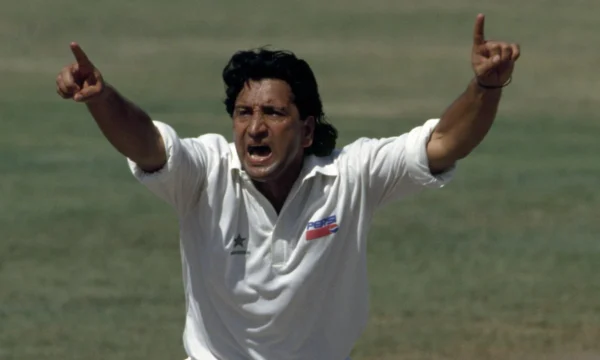
Qadir became famous for his energetic run-up, expressive celebrations and remarkable collection of leg-breaks, googlies, topspinners and flippers.
He played 67 Tests and 104 One-Day Internationals for Pakistan, taking 236 and 132 wickets respectively.
His most celebrated Test performance came against England in Lahore in 1987, when he took 9 for 56.
Qadir also became an important mentor to bowlers including Mushtaq Ahmed, Danish Kaneria, Shahid Afridi, Imran Tahir and Shane Warne.
After retirement, he worked as a coach, commentator, academy mentor and Pakistan chief selector.
He was inducted into the ICC Cricket Hall of Fame in 2022, three years after his death.
Qadir died in Lahore on September 6, 2019, aged 63, leaving a family and coaching legacy deeply connected with Pakistani cricket.
Abdul Qadir Height, Appearance, Fitness & How to Get a Body Like Abdul Qadir
Abdul Qadir was a relatively short cricketer, with his height documented at approximately 1.65 metres, or 5 feet 5 inches.
His compact build suited the explosive movement and balance required for his distinctive leg-spin bowling action.
Qadir’s appearance was particularly memorable because his bounding approach, animated movements and high-energy delivery stride became part of his cricketing identity.
His bowling demanded coordination, flexibility, wrist strength and repeated explosive movement rather than the physique associated with conventional bodybuilding.
There is no reliable evidence documenting a specific gym routine, diet plan or weight-training program followed by Qadir.
His fitness should therefore not be attributed to an invented celebrity-style workout or nutritional formula.
A modern cricketer seeking comparable functional fitness can emphasize lower-body strength, core stability, mobility, cardiovascular conditioning and rotational power.
Wrist and forearm conditioning can also support bowling skills, but exercises should be adapted to individual ability and supervised when necessary.
Qadir’s playing shape also reflected the physical demands of professional cricket rather than a deliberately sculpted bodybuilding physique.
The most accurate lesson from his career is that balance, coordination, endurance and technical skill can matter as much as body size in elite sport.
Abdul Qadir Family
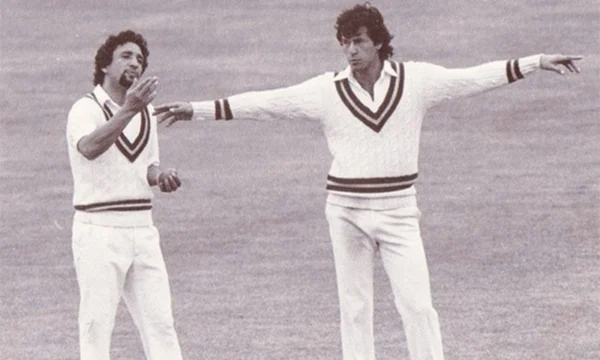
Abdul Qadir Family 5
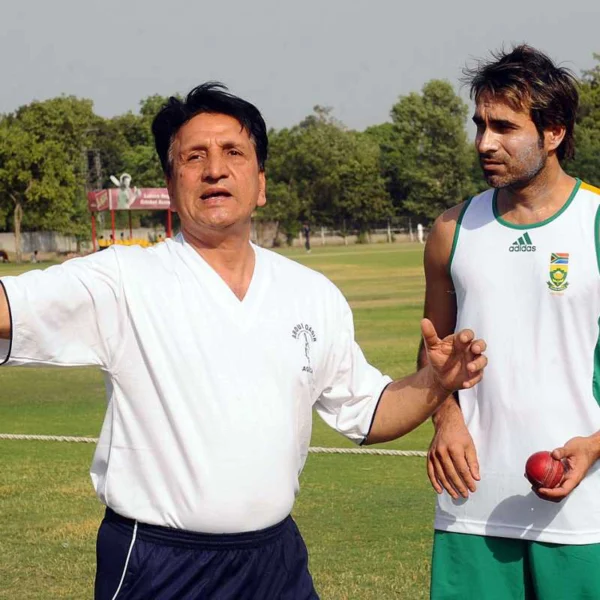
Abdul Qadir Family 4
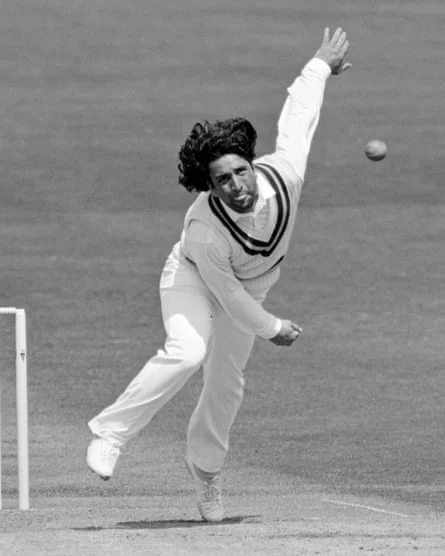
Abdul Qadir Family 3
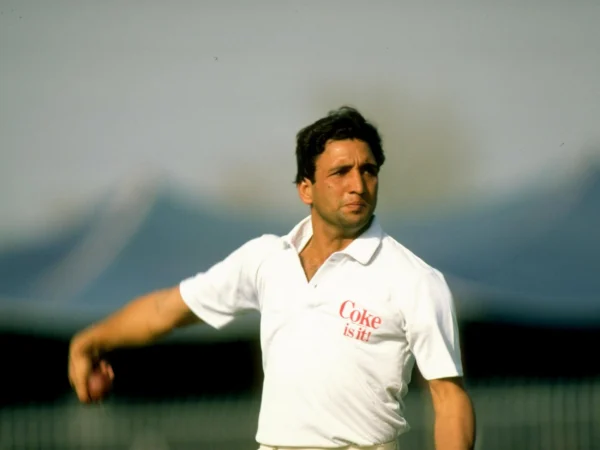
Abdul Qadir Family 2
Abdul Qadir Family
Early Life, Childhood, Education & Family Background of Abdul Qadir
Abdul Qadir was born into a poor family in Lahore’s Dharampura neighbourhood and grew up as one of four children.
His father worked as an imam, and Qadir later recalled periods when the family struggled to afford enough food.
He did not begin playing cricket until he was about 11, making his eventual international career particularly striking.
At Arif High School in Lahore, he initially developed as a batsman before gradually moving toward bowling.
He later played for the Dharampura Gymkhana club, where his cricketing abilities continued to develop.
Qadir attended Government College in Lahore before making his first-class debut for Habib Bank in the 1975 season.
Before cricket became his profession, he reportedly worked at a bookstall to help support his family.
Friends sometimes paid the stallholder so Qadir could leave work and play important cricket matches.
His early experiences helped shape the determination and unconventional character that later became visible in his international career.
The journey from a financially struggling Lahore childhood to international cricket became one of the defining elements of Qadir’s biography.
Personal Life Highlights of Abdul Qadir (Family Members)
Abdul Qadir’s family became unusually connected with Pakistani cricket because several of his children followed him into the sport.
He had four sons, Rehman Qadir, Imran Qadir, Sulaman Qadir and Usman Qadir, all of whom played first-class cricket.
His daughters were Noor Fatima and Noor Aamina, with Noor Aamina later marrying Pakistan cricketer Umar Akmal.
His brother Ali Bahadur was also a leg-spinner and played first-class cricket during the 1986–87 season.
The family therefore produced several generations of cricketers rather than Qadir representing an isolated sporting success.
His youngest son Usman eventually played international cricket for Pakistan as another right-arm leg-spinner.
Usman later became a particularly visible continuation of his father’s bowling tradition, including appearances in Australian domestic cricket.
Qadir’s children remembered him not only as a famous cricketer but also as a father who emphasized humility and kindness.
The family’s cricketing connections helped ensure that Qadir’s influence continued after his playing career ended.
His death in September 2019 was followed by tributes from family members, teammates, pupils and the wider cricket community.
Abdul Qadir Partners, Relationships & Dating History
Abdul Qadir’s private romantic life received far less public attention than his cricket career.
Reliable biographical sources identify him as married and surviving with his wife, four sons and two daughters.
The available public record does not provide a consistently documented account of his wife’s name or a detailed chronology of their relationship.
For that reason, internet profiles containing unverified relationship claims should not be treated as established biographical information.
His family was nevertheless regularly mentioned in reports because several of his children became cricketers.
His daughter Noor Aamina married Pakistan international cricketer Umar Akmal, creating another direct connection between the Qadir family and the national team.
Usman Qadir later married actress Sobia Khan in 2018, adding another public figure to the extended family.
Qadir himself generally remained better known for his sporting relationships with teammates, pupils and fellow bowlers than for his private romantic history.
There is no reliable evidence establishing a substantial dating history involving multiple publicly identified partners.
His documented personal story is therefore best understood through his marriage, children and cricketing family rather than speculation about private relationships.
Abdul Qadir Career Journey, Breakthroughs, Achievements & Awards
Qadir’s first-class career began in 1975, and within two years he had earned a place in Pakistan’s Test team.
His breakthrough came during his second Test against England in Hyderabad in 1978, when he took six wickets for 44 runs.
Imran Khan became an important influence on his career after becoming Pakistan captain in 1982 and helped establish Qadir as a regular match-winning spinner.
In 1982, Qadir took 11 wickets against Australia at Faisalabad during Pakistan’s innings victory.
His greatest Test figures came against England in Lahore in 1987, where 9 for 56 remains Pakistan’s best bowling performance in a Test innings.
He also took six for 16 against the West Indies at Faisalabad in 1986, contributing to a major Pakistan victory.
Qadir finished with 236 Test wickets at an average of 32.80 and 132 ODI wickets at an average of 26.16.
He took 960 first-class wickets and 202 List A wickets before completing his playing career in the mid-1990s.
He was inducted into the ICC Cricket Hall of Fame in 2022 and received Pakistan’s Sitara-i-Imtiaz posthumously in 2021.
Current Life Highlights of Abdul Qadir (Career / Other Work)
Abdul Qadir is no longer living, so his current status is represented by his continuing influence on cricket rather than ongoing professional work.
After retiring from international cricket, he established the Abdul Qadir Cricket Academy at the LCCA Ground in Lahore.
The academy became a place where he worked with younger bowlers and attempted to preserve the techniques of traditional leg-spin.
He also worked as a television cricket commentator and remained a recognizable voice in Pakistani cricket discussions.
Qadir later served as Pakistan’s chief selector, taking the position in late 2008.
His tenure lasted approximately six months before he resigned in June 2009 amid criticism and disagreements within the Pakistan Cricket Board.
His post-playing influence extended internationally through mentorship of Shane Warne and South African leg-spinner Imran Tahir.
He also helped younger Pakistani bowlers including Mushtaq Ahmed, Danish Kaneria and Shahid Afridi develop their craft.
His induction into the ICC Cricket Hall of Fame in 2022 provided a major posthumous recognition of his international contribution.
Today, Qadir’s enduring professional legacy rests particularly on the generations of leg-spinners who learned from his methods.
Abdul Qadir Most Popular Movies, TV Shows, Media Appearances & Other Work
Abdul Qadir was not an actor, so his principal media legacy comes from cricket broadcasting, interviews and public appearances.
During his post-playing career, he became a television cricket commentator and regularly discussed Pakistan’s performances and players.
His colourful personality made him a distinctive presence in cricket broadcasting beyond the statistics of his playing career.
He also appeared on Pakistan Television as a cricket analyst and commentator.
A notable media controversy occurred in 2004 after comments he made during a PTV discussion about Pakistan’s fast-bowling practices.
Qadir later clarified that he had been referring to shining and roughening the ball for reverse swing rather than accusing bowlers of illegal tampering.
His broadcasting work complemented his coaching activities at the Abdul Qadir Cricket Academy in Lahore.
He also became a frequent source of historical stories about Pakistan’s cricket battles during the 1980s.
His conversations with Shane Warne about leg-spin later became famous through Warne’s own recollections and cricket writing.
Qadir’s media importance therefore came from his expertise, personality and storytelling rather than conventional film or television entertainment.
Abdul Qadir Most Popular News, Controversies, Career Debates / Why Abdul Qadir Is Popular
Abdul Qadir remained popular because he transformed an unfashionable bowling style into a major weapon for Pakistan.
His 9 for 56 against England in Lahore in 1987 remains the best innings figures by a Pakistani Test bowler.
His career also became associated with a broader revival of wrist-spin during a period when fast bowlers dominated international cricket.
One of his most discussed controversies came in 2004, when comments on Pakistan Television were interpreted as allegations concerning ball tampering.
PTV subsequently dropped him from its commentary role, while Qadir publicly clarified that he meant legitimate reverse-swing techniques involving the condition of the ball.
Another important career debate followed his appointment as Pakistan’s chief selector in 2008.
He resigned after roughly six months amid criticism of selection decisions and growing disagreements with PCB officials.
His selection tenure nevertheless attracted attention because the Pakistan squad chosen during that period later won the 2009 ICC World Twenty20.
Qadir’s popularity also reflects the extraordinary regard expressed by Shane Warne and other elite leg-spinners who regarded him as an important influence.
His legacy is therefore built on exceptional bowling performances, mentorship, personality and a lasting contribution to the art of wrist-spin.
Abdul Qadir Known Unknown Facts, Trivia + People Also Ask / Search & Answers
One surprising detail is that Qadir did not begin playing cricket until he was around 11 years old.
He initially developed as a batsman and only later became internationally famous for leg-spin bowling.
He once worked at a bookstall, with friends reportedly helping him leave work so he could play cricket.
Qadir took 960 wickets in first-class cricket, demonstrating that his international reputation represented only part of his career.
Shane Warne once visited Qadir’s Lahore home, where the two famously experimented with spinning an orange to discuss grips and variations.
Qadir’s influence extended to Mushtaq Ahmed, Danish Kaneria, Shahid Afridi and Imran Tahir, among numerous younger bowlers.
How many wickets did Abdul Qadir take for Pakistan? He took 236 Test wickets and 132 ODI wickets, giving him 368 international wickets.
What was Abdul Qadir’s best bowling performance? His best Test innings figures were 9 for 56 against England in Lahore in 1987.
How tall was Abdul Qadir? His height is commonly documented at approximately 1.65 metres, or 5 feet 5 inches.
When did Abdul Qadir die? He died from cardiac arrest in Lahore on September 6, 2019, nine days before his 64th birthday.