Abdul Hafeez Kardar based on NeemTime research
Who is Abdul Hafeez Kardar (Biography / Personal Details)
Abdul Hafeez Kardar was the first captain of Pakistan’s Test cricket team and one of the central figures in establishing the country’s cricketing identity.
Born in Lahore on January 17, 1925, he began his international career before Pakistan itself became an independent country.
He played three Tests for India against England in 1946 before choosing to settle in Pakistan after Partition.
Kardar was a left-handed batsman and slow left-arm orthodox bowler who combined batting aggression with useful bowling ability.
He captained Pakistan in all 23 of its first 23 Test matches between 1952 and 1958.
Under his leadership, Pakistan recorded historic first Test victories against India, England, New Zealand, Australia and the West Indies.
His international career covered 26 Tests in total, producing 927 runs and 21 wickets.
After retiring as a player, he became an influential cricket administrator, politician and diplomat.
He served as president of Pakistan’s cricket board from 1972 to 1977 and later represented Pakistan diplomatically in Switzerland.
Kardar died on April 21, 1996, aged 71, but his role in creating Pakistan’s early cricket history continues to define his legacy.
Abdul Hafeez Kardar Height, Appearance, Fitness & How to Get a Body Like Abdul Hafeez Kardar
Kardar was widely remembered as a tall and charismatic cricketer, although no authoritative official record establishes his exact height.
Historical descriptions emphasize his commanding appearance and presence rather than providing modern-style measurements of height, weight or body composition.
His athletic requirements were considerable because he contributed to Pakistan as both a batsman and a bowler.
As a left-handed batsman, he was known for attacking bowlers and using his physical presence to play aggressive strokes.
He also bowled slow left-arm orthodox deliveries, giving him an additional workload during long matches.
There is no reliable evidence establishing a specific gym program, diet or bodybuilding routine used by Kardar.
It would therefore be misleading to claim that a particular modern fitness method was responsible for his physique.
Someone seeking a similar athletic build can instead combine strength training, cardiovascular exercise, mobility work and balanced nutrition.
A cricket-focused routine can emphasize leg strength, core stability, shoulder strength, endurance and coordinated movement.
Kardar’s physique is best understood as part of an era of demanding all-round cricket rather than through an invented height, weight or celebrity fitness formula.
Abdul Hafeez Kardar Family
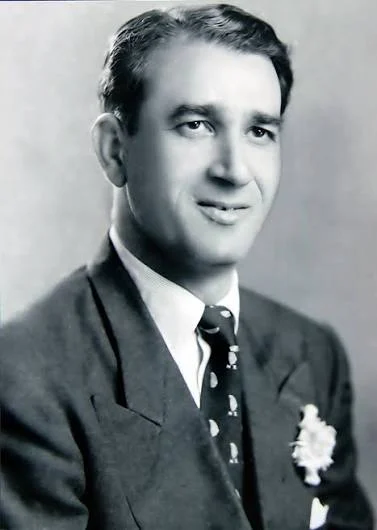
Abdul Hafeez Kardar Family 5
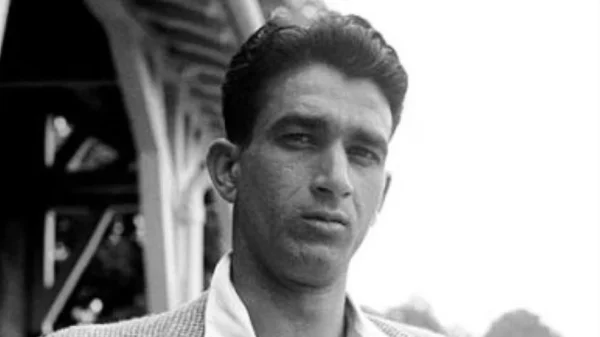
Abdul Hafeez Kardar Family 4
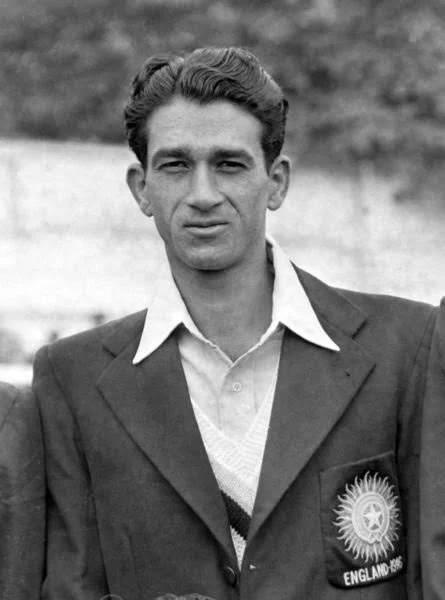
Abdul Hafeez Kardar Family 3
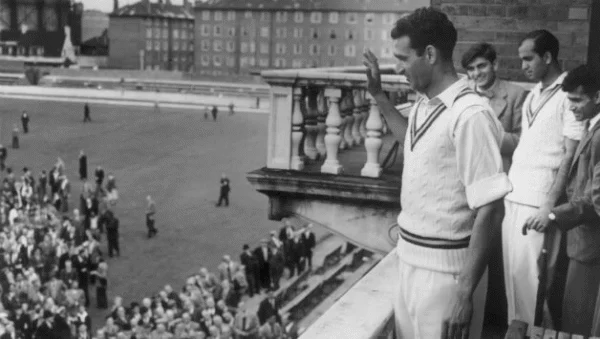
Abdul Hafeez Kardar Family 2
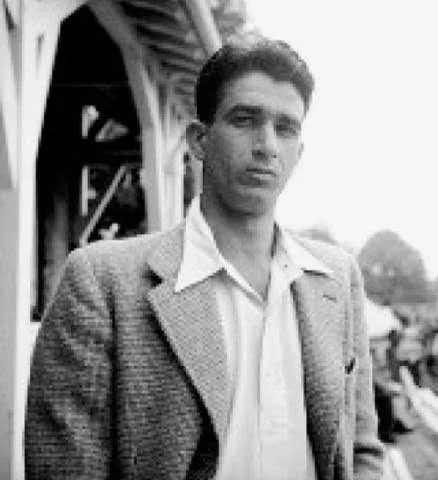
Abdul Hafeez Kardar Family
Early Life, Childhood, Education & Family Background of Abdul Hafeez Kardar
Abdul Hafeez Kardar was born in Lahore in 1925 and grew up during the final decades of British India.
He came from the prominent Kardar family of Lahore and developed his cricketing abilities while studying in the city.
He received education at Islamia College in Lahore before continuing his studies in England.
At Oxford University, he studied Philosophy, Politics and Economics and also became a successful university cricketer.
His years in England exposed him to a different cricketing environment and helped broaden his sporting experience.
Kardar played for Oxford University and later represented Warwickshire in county cricket.
His experience in English cricket became particularly valuable when he returned to lead Pakistan during its earliest international matches.
Before Pakistan achieved Test status, he was already an experienced cricketer with international and first-class exposure.
His decision to remain connected with Pakistan after Partition placed him in a unique position when the new country’s cricket structure began developing.
The combination of Lahore roots, Oxford education and English county experience helped shape the distinctive leadership career that followed.
Personal Life Highlights of Abdul Hafeez Kardar (Family Members)
Kardar’s family life intersected significantly with the cricketing communities of both Pakistan and England.
He married twice during his lifetime, with both marriages having connections to cricket.
His first wife was Shahzadi, the sister of Pakistani cricketer Zulfiqar Ahmed.
His second wife was Helen Rosemary Hastilow, whose family was closely connected with Warwickshire County Cricket Club.
Kardar had played for Warwickshire before marrying Helen, making the relationship part of his wider English cricket experience.
His son Shahid Hafeez Kardar later established his own prominent career in economics and public service.
Shahid Kardar eventually became Governor of the State Bank of Pakistan, extending the family’s public-service legacy into national economics.
Kardar himself moved between cricket, government, politics and diplomacy during different periods of his life.
His wider family connections also included relatives involved in the Indian film industry through the prominent Kardar family of Lahore.
These connections demonstrate how Kardar’s personal world extended across cricket, public service, politics and South Asian cultural life.
Abdul Hafeez Kardar Partners, Relationships & Dating History
Abdul Hafeez Kardar’s documented romantic history is relatively limited compared with the relationship profiles of modern celebrities.
Historical records identify two marriages rather than a long publicly documented list of partners.
His first marriage was to Shahzadi, the sister of Pakistani cricketer Zulfiqar Ahmed, in 1951.
That marriage connected Kardar with another family that had a direct place in Pakistan’s early cricket history.
In 1954, Kardar married Helen Rosemary Hastilow, whose family was associated with Warwickshire cricket.
Helen’s father, Alec Hastilow, was connected with the administration of Warwickshire County Cricket Club.
The relationship therefore also reflected Kardar’s personal ties to the English cricket environment where he had played professionally.
Reliable historical records do not establish a broader dating history beyond his documented marriages.
Claims about additional romantic partners should therefore not be treated as established facts without credible historical evidence.
Kardar’s public reputation was built overwhelmingly around cricket, leadership, administration, politics and diplomacy rather than his romantic life.
Abdul Hafeez Kardar Career Journey, Breakthroughs, Achievements & Awards
Kardar’s career was already unusual because he played international cricket before Pakistan became a Test nation.
He represented India in three Tests during the 1946 tour of England before later becoming Pakistan’s first Test captain.
Pakistan achieved Test status in 1952, and Kardar was appointed captain for its historic debut series against India.
Pakistan secured its first Test victory at Lucknow in only its second official Test match.
In 1954, Kardar captained Pakistan to a famous victory over England at The Oval, helping the new Test nation establish credibility.
Pakistan subsequently recorded its first Test victories against New Zealand in 1955 and Australia in 1956.
His team also defeated the West Indies at Port of Spain in 1958 during Pakistan’s first Caribbean tour.
Kardar finished his Test career with 927 runs and 21 wickets across 26 matches.
He received Pakistan’s Pride of Performance Award in 1958 and was later awarded the Hilal-i-Imtiaz posthumously for his contribution to the country.
Current Life Highlights of Abdul Hafeez Kardar (Career / Other Work)
Abdul Hafeez Kardar died in 1996, so his current status is understood through his historical legacy rather than ongoing professional activity.
His post-playing career was almost as varied as his cricket career, spanning administration, politics and diplomacy.
He became president of Pakistan’s cricket board in 1972 and remained in the position until 1977.
During his administration, he advocated major changes to the structure and international influence of cricket.
He supported greater recognition for Asian and African cricketing nations at a time when international cricket remained heavily influenced by traditional English institutions.
Kardar also became involved in debates surrounding player payments, sponsorship and government involvement in cricket administration.
He entered electoral politics after being elected to the Punjab Provincial Assembly in 1970.
He later served as Punjab’s Minister for Food under the government of Zulfikar Ali Bhutto.
His final major public role was as Pakistan’s ambassador to Switzerland.
Kardar’s later career therefore transformed him from a pioneering sportsman into a prominent public figure whose influence reached far beyond cricket.
Abdul Hafeez Kardar Most Popular Movies, TV Shows, Media Appearances & Other Work
Abdul Hafeez Kardar was not an actor or television performer, so conventional movie and television credits do not form part of his professional biography.
His fame came primarily from cricket and his role as Pakistan’s first Test captain.
His historic matches against India, England, New Zealand, Australia and the West Indies became defining moments in early Pakistani sports history.
Kardar’s captaincy gave him a major public profile at a time when Pakistan was developing its national sporting institutions.
After retirement, his cricket-board presidency kept him involved in public debates about the future direction of the game.
His political career further expanded his public profile when he became a member of the Punjab Provincial Assembly.
His ministerial position under Zulfikar Ali Bhutto added another dimension to his career outside sport.
His later appointment as Pakistan’s ambassador to Switzerland demonstrated the breadth of his public responsibilities.
Kardar was also remembered through major cricket retrospectives, historical profiles and tributes celebrating Pakistan’s earliest Test era.
His enduring media presence therefore comes from his historical importance rather than entertainment-industry appearances.
Abdul Hafeez Kardar Most Popular News, Controversies, Career Debates / Why Abdul Hafeez Kardar Is Popular
Abdul Hafeez Kardar remains famous because his name is inseparable from the beginning of Pakistan’s Test cricket history.
He captained Pakistan in all 23 Tests played during his leadership period from 1952 to 1958.
Pakistan won six of those matches, lost six and drew eleven, giving Kardar a balanced captaincy record during an exceptionally difficult formative era.
His teams achieved first Test victories against every opponent Pakistan faced during that period except South Africa, which Pakistan did not play under his captaincy.
Kardar was known for an authoritative and demanding leadership style that sometimes generated disagreement.
Historical accounts have discussed disputes involving team selection, player relationships and his strong approach to administration.
As cricket-board president, he became involved in disagreements concerning player remuneration and the role of government in cricket.
He ultimately resigned from the cricket board in 1977 amid disputes surrounding the administration of the game.
His advocacy for greater Asian influence in international cricket was also controversial at the time but later appeared in broader debates about cricket’s changing global structure.
His popularity today rests on the unusual combination of pioneering achievements, strong leadership, administrative ambition and involvement in national public life.
Abdul Hafeez Kardar Known Unknown Facts, Trivia + People Also Ask / Search & Answers
One of Kardar’s most unusual achievements is that he played Test cricket for both India and Pakistan.
He represented India in 1946 before becoming Pakistan’s first Test captain after Partition.
He studied Philosophy, Politics and Economics at Oxford University while developing his cricket career in England.
He played county cricket for Warwickshire and gained experience in the English domestic game before returning to Pakistan.
His first-class career produced 6,832 runs and 344 wickets across 174 matches, showing that his all-round ability extended well beyond Test cricket.
Kardar’s highest Test score was 93, which he made against India in Karachi in 1955.
His best Test bowling performance was five wickets for 73 runs against New Zealand at Lahore in the same year.
Why is Abdul Hafeez Kardar famous? He is best remembered as Pakistan’s first Test captain and one of the principal architects of its early cricketing identity.
How many Tests did Abdul Hafeez Kardar captain? He captained Pakistan in all 23 of its Tests between 1952 and 1958.
When did Abdul Hafeez Kardar die? He died on April 21, 1996, at the age of 71, after a career that extended from international cricket into administration, politics and diplomacy.