Babe Ruth based on NeemTime research
Who is Babe Ruth (Biography / Personal Details)
Babe Ruth was one of the most iconic figures in American sports history and a pioneer of modern baseball power hitting.
He was born George Herman Ruth Jr. on February 6, 1895, in Baltimore, Maryland, United States.
He spent much of his childhood at St. Mary’s Industrial School for Boys, a reform school where he learned baseball under Brother Matthias.
He began his professional career as a pitcher for the Boston Red Sox before becoming a legendary outfielder with the New York Yankees.
Ruth revolutionized baseball by shifting the game from “small ball” strategy to power hitting and home runs.
He became one of the first true sports celebrities in America, drawing massive crowds wherever he played.
His nickname “The Sultan of Swat” reflected his extraordinary hitting ability and larger-than-life persona.
He played a key role in leading the Yankees to multiple World Series championships during the 1920s and 1930s.
After retiring in 1935, he remained active in public appearances and charity events across the United States.
He died on August 16, 1948, in New York City, leaving behind a legacy that transformed baseball forever.
Babe Ruth Height / Physical Profile
Babe Ruth stood approximately 6 feet 2 inches tall, giving him a strong physical presence on the field.
He weighed around 215–220 pounds during his peak playing years, with a powerful athletic build.
His physique contributed significantly to his ability to generate extraordinary batting power and home run distance.
Ruth was naturally strong but not traditionally conditioned by modern fitness standards.
His training focused on baseball practice, batting drills, and game endurance rather than gym-based workouts.
He was known for his strong upper body, particularly his arms and shoulders, which helped his legendary swing.
His lifestyle included heavy travel, frequent games, and a diet typical of early 20th-century athletes.
Despite his size, he was surprisingly agile in his early career, especially as a pitcher.
Later in life, his weight fluctuated significantly due to health issues and retirement lifestyle.
Any modern “body transformation” comparison would require structured strength training, cardio conditioning, and disciplined nutrition.
Babe Ruth: List of Partners & Dating History
Babe Ruth married his first wife, Helen Woodford, in 1914 in Boston, Massachusetts.
Helen was a waitress when they met, and their marriage was considered stable during Ruth’s early career.
The couple adopted a daughter, Dorothy Ruth, in 1921, though there were later questions about her biological parentage.
Helen Woodford died tragically in a house fire in 1929, which deeply affected Ruth emotionally.
In 1929, Ruth married actress and model Claire Merritt Hodgson in New York City.
Claire played an important role in stabilizing Ruth’s personal life during his later baseball career.
There are no widely verified records of long-term romantic partners outside his two marriages.
Ruth’s celebrity status led to frequent rumors and media speculation about his personal life.
He was known for his charismatic personality and social lifestyle, especially during the 1920s Yankees era.
His relationships were heavily covered by the press, making him one of the earliest sports figures with publicized private life.
Personal Life Highlights of Babe Ruth (List of Family Members)
Babe Ruth was born to George Herman Ruth Sr. and Kate Schamberger Ruth in Baltimore.
His parents struggled financially, which contributed to his placement in St. Mary’s Industrial School.
He had several siblings, though many did not survive childhood due to health conditions of the era.
His adoptive daughter Dorothy Ruth became widely known as “Babe Ruth Jr.” in public appearances.
His first wife, Helen Woodford, was a major influence in his early adult life.
His second wife, Claire Merritt Hodgson, helped manage his public image and finances.
Ruth maintained contact with extended family in Baltimore throughout his career.
His daughter Dorothy later wrote about his life, contributing to his public legacy.
He became a symbolic father figure in American sports culture beyond his biological family.
His family life was often overshadowed by his fame but remained central to his personal identity.
Early Life Highlights of Babe Ruth (Background / Childhood)
Babe Ruth grew up in a working-class neighborhood in Baltimore, Maryland.
His parents owned a saloon, but financial struggles led to instability in his early childhood.
At age 7, he was sent to St. Mary’s Industrial School for Boys, a strict reform institution.
At the school, he was mentored by Brother Matthias, who taught him baseball fundamentals.
He quickly developed exceptional batting and pitching skills compared to other students.
His early life was marked by discipline, structure, and limited contact with his family.
He began playing organized baseball in school leagues and local competitions.
His talent was noticed by Jack Dunn, who signed him to the minor league Baltimore Orioles in 1914.
He earned the nickname “Babe” while still a teenager during his early baseball career.
His childhood hardships strongly shaped his determination and competitive drive in professional sports.
Babe Ruth Family
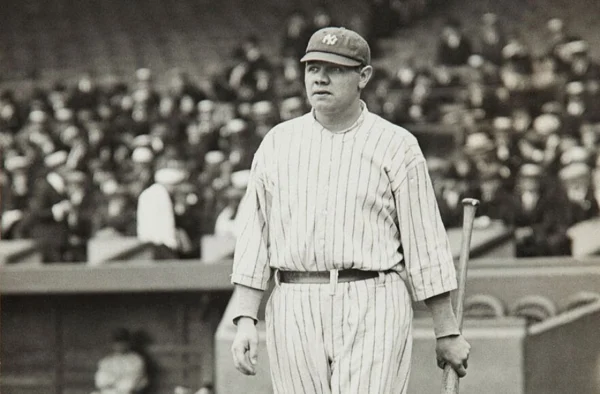
Babe Ruth Family 5
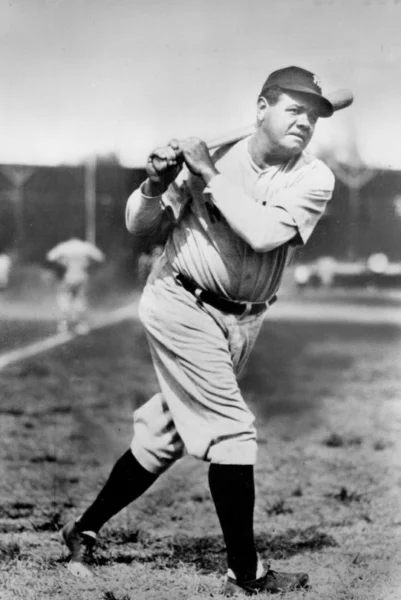
Babe Ruth Family 4
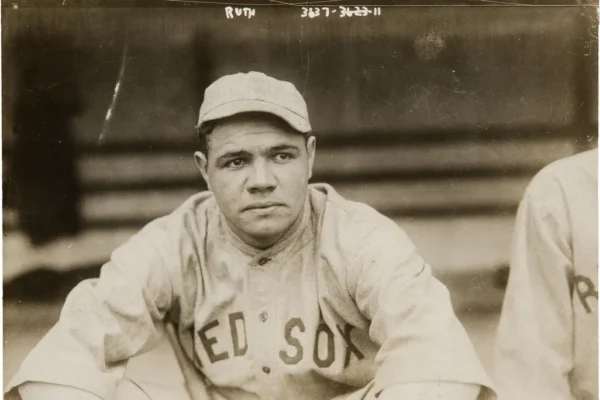
Babe Ruth Family 3
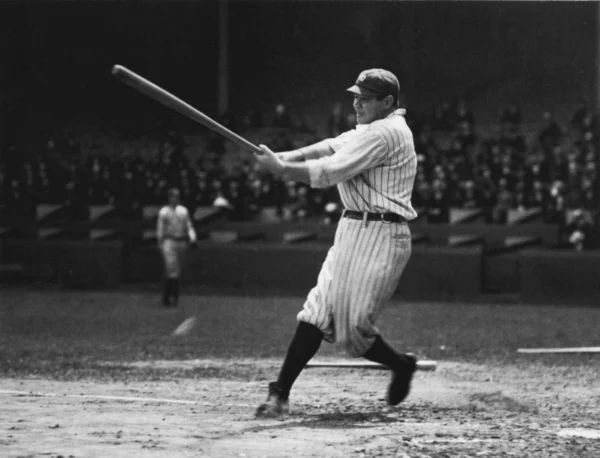
Babe Ruth Family 2
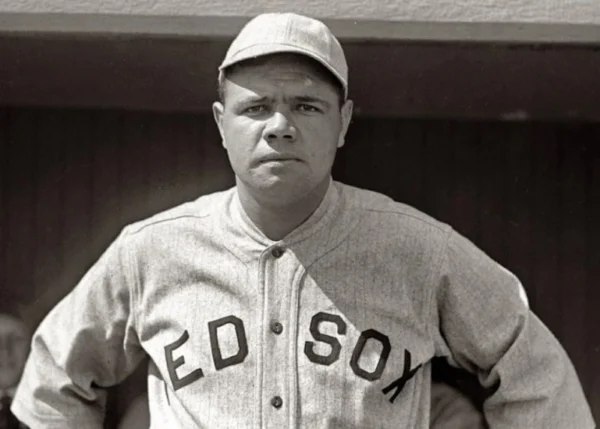
Babe Ruth Family
Current Life Highlights of Babe Ruth (Career / Other Work)
Babe Ruth retired from Major League Baseball in 1935 after finishing his career briefly with the Boston Braves in Boston, Massachusetts.
After retirement, he remained active in public life through baseball exhibitions, charity games, and goodwill tours across the United States.
In 1936, he was among the first five players inducted into the Baseball Hall of Fame in Cooperstown, New York, recognizing his historic impact on the sport.
He worked briefly as a coach for the Brooklyn Dodgers in 1938 under manager Burleigh Grimes, helping train young hitters.
Ruth frequently appeared at hospitals and children’s charities in New York City, using his fame to support fundraising efforts.
He participated in barnstorming tours, traveling across small-town America to play exhibition games and meet fans.
His public appearances were managed in part by his wife Claire Merritt Ruth, who helped organize endorsements and speaking events.
In the early 1940s, he made promotional appearances during World War II to support U.S. military fundraising campaigns.
Despite declining health due to throat cancer diagnosed in 1946, he continued making public appearances at Yankee Stadium in New York.
He passed away in 1948 at Memorial Hospital in New York City, closing a post-career life centered on public engagement and baseball legacy promotion.
Babe Ruth Most Popular Media Appearances, Movies, TV Shows
Babe Ruth appeared in several early sports documentaries and newsreels during the 1920s and 1930s produced by Pathé News.
He starred as himself in the 1920 silent short film Headin’ Home, a semi-fictionalized version of his early life and rise to fame.
The 1948 film The Babe Ruth Story, starring William Bendix, dramatized his life shortly after his death.
He appeared in radio broadcasts during the 1930s and 1940s, including interviews on NBC Radio sports programs.
Newsreel footage of Ruth at Yankee Stadium became widely distributed across American cinemas during his playing career.
He was featured in documentary retrospectives by Major League Baseball celebrating historic players of the early 20th century.
Television tributes in the 1950s and 1960s frequently included archival footage of Ruth’s home runs and speeches.
He appears in baseball history documentaries produced by ESPN and the MLB Network decades after his death.
Animated educational programs about baseball history often reference his “called shot” legend from the 1932 World Series in Chicago.
His legacy continues in modern streaming documentaries about Yankee history and the “live-ball era” of baseball.
Babe Ruth Most Popular News Headlines, Controversies, Scandals
Babe Ruth was frequently featured in 1920s newspapers for his record-breaking home run performances with the New York Yankees.
One major controversy occurred in 1925 when he collapsed from illness, later rumored to be caused by overindulgence and poor conditioning.
His “called shot” home run in the 1932 World Series against the Chicago Cubs remains debated by historians regarding its authenticity.
Ruth’s lifestyle of heavy drinking and nightlife in New York City often attracted sensational press coverage.
In 1922, he was suspended for part of the season by Yankees management due to breaking training rules under manager Miller Huggins.
His salary negotiations in the 1920s, including a record-breaking contract in 1927, sparked widespread media attention and player salary debates.
He was criticized by some sports writers for declining physical condition in the early 1930s while still playing for the Yankees.
His trade from the Boston Red Sox to the New York Yankees in 1920 became one of the most famous “curse of the Bambino” stories in baseball lore.
His public disputes with managers and team owners were often exaggerated in tabloid journalism of the era.
Despite controversies, he remained one of the most beloved and widely covered athletes in American history.
Known Unknown Facts Trivia of Babe Ruth
Babe Ruth originally started his professional career as a pitcher before becoming a legendary hitter.
He hit 714 career home runs, a record that stood for decades until broken by Hank Aaron in 1974.
His real birth name was George Herman Ruth Jr., named after his father and grandfather.
He once hit a baseball estimated to have traveled over 600 feet during batting practice, though exact measurements are debated.
He was one of the first baseball players to become a nationwide celebrity through radio and film media exposure.
He wore uniform number 3 for the New York Yankees, which was later retired in his honor.
He famously visited sick children in hospitals, often bringing baseballs and signed memorabilia.
He was part of the 1927 Yankees team known as “Murderers’ Row,” considered one of the greatest baseball teams ever.
His influence helped increase Major League Baseball’s popularity during the early 20th century’s “live-ball era.”
His life story has been adapted into books, films, and documentaries for over a century after his death.
Babe Ruth: Questions People Also Ask / Search & Answers
Why is Babe Ruth considered the greatest baseball player?
Because he transformed baseball by introducing unmatched home run hitting power and dominating both pitching and batting in his early career.
What team is Babe Ruth most famous for?
He is most famous for playing with the New York Yankees, where he became a cultural and sports icon.
Did Babe Ruth ever pitch in the World Series?
Yes, he was an elite pitcher with the Boston Red Sox and won multiple World Series titles before switching to hitting.
What was Babe Ruth’s biggest achievement?
His 60-home-run season in 1927 set a record that stood for decades in Major League Baseball.
Why was Babe Ruth traded from the Red Sox?
Financial disputes and ownership decisions led to his sale to the New York Yankees in 1920.
What illness did Babe Ruth have later in life?
He was diagnosed with nasopharyngeal cancer in the mid-1940s.
Did Babe Ruth serve in the military?
No, but he supported U.S. military efforts through charity and public appearances.
What was Babe Ruth’s personality like?
He was known as charismatic, fun-loving, and sometimes rebellious off the field.
How many World Series did Babe Ruth win?
He won seven World Series championships during his career.
Why is Babe Ruth still famous today?
Because his records, personality, and influence fundamentally changed baseball and American sports culture.