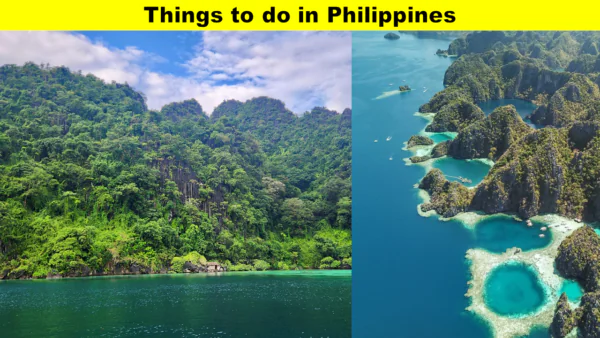
Things to do in Philippines based on NeemTime research from most popular to just popular.
Burnham Park, Philippines
Overview: Burnham Park is a central urban park in Baguio City featuring a scenic lake, gardens, and recreational areas for families and tourists.
History: It was designed by American architect Daniel Burnham as part of Baguio’s early city planning during the American colonial period.
Since When: Established in the early 1900s.
Review: Visitors appreciate its cool climate, relaxing atmosphere, and variety of activities.
When to Go: Morning or late afternoon for pleasant weather.
How to Go: Located in central Baguio, accessible by taxi, jeepney, or walking.
What to Do: Boat on the lake, walk, bike, and enjoy picnics.
Free or Paid: Free entry (some activities are paid).
Rizal Park, Philippines
Overview: Rizal Park is a historic urban park in Manila dedicated to national hero José Rizal, featuring monuments, gardens, and cultural landmarks.
History: It was the site of Rizal’s execution during Spanish colonial rule and later transformed into a national memorial park.
Since When: Established as a public park in the early 20th century.
Review: Visitors find it historically significant, spacious, and ideal for leisurely walks.
When to Go: Early morning or evening to avoid heat.
How to Go: Located in central Manila, accessible by public transport or taxi.
What to Do: Visit the Rizal Monument, stroll, and explore museums nearby.
Free or Paid: Free entry.
Manila Ocean Park, Philippines
Overview: Manila Ocean Park is a marine-themed attraction featuring aquariums, ocean tunnels, and interactive exhibits.
History: It was developed as one of the Philippines’ first large-scale oceanariums to promote marine education and tourism.
Since When: Opened in 2008.
Review: Visitors enjoy its educational displays, marine shows, and family-friendly attractions.
When to Go: Weekdays or mornings to avoid crowds.
How to Go: Located near Manila Bay, accessible by taxi or public transport.
What to Do: Explore aquariums, watch shows, and interact with marine life exhibits.
Free or Paid: Paid entry.
Enchanted Kingdom, Philippines
Overview: Enchanted Kingdom is a popular theme park offering rides, shows, and attractions inspired by fantasy and adventure themes.
History: It was established as the Philippines’ first world-class theme park to boost local tourism and entertainment.
Since When: Opened in 1995.
Review: Visitors love its thrilling rides, themed zones, and family-friendly environment.
When to Go: Weekdays or early hours to avoid long queues.
How to Go: Located in Laguna, accessible by car or shuttle from Manila.
What to Do: Enjoy rides, watch shows, and explore themed attractions.
Free or Paid: Paid entry.
Fort Santiago, Philippines
Overview: Fort Santiago is a historic citadel in Intramuros, Manila, known for its preserved walls, museums, and colonial architecture.
History: It was built by Spanish conquistadors and later used during various colonial and wartime periods.
Since When: Established in 1571.
Review: Visitors appreciate its rich history, well-preserved structures, and educational value.
When to Go: Morning or late afternoon for comfortable exploration.
How to Go: Located in Intramuros, accessible by taxi or public transport.
What to Do: Explore ruins, visit museums, and learn about Philippine history.
Free or Paid: Paid entry.
Magellan’s Cross, Philippines
Overview: Magellan’s Cross is a historic Christian landmark in Cebu City symbolizing the arrival of Christianity in the Philippines.
History: It was planted by Portuguese explorer Ferdinand Magellan during his expedition marking the conversion of local rulers to Christianity.
Since When: Erected in 1521.
Review: Visitors find it culturally significant and a must-visit historical attraction.
When to Go: Morning or early afternoon to avoid crowds.
How to Go: Located in central Cebu City, accessible by taxi or public transport.
What to Do: View the cross, explore the chapel, and learn about Philippine history.
Free or Paid: Free entry.
Ayala Triangle Gardens, Philippines
Overview: Ayala Triangle Gardens is a modern urban park in Makati offering green spaces, walking paths, and dining options in a business district.
History: It was developed on a former airport site as part of Makati’s urban redevelopment plan.
Since When: Opened in the early 21st century.
Review: Visitors appreciate its clean environment, accessibility, and relaxing atmosphere amid skyscrapers.
When to Go: Evening for cooler weather and light displays.
How to Go: Located in Makati, accessible by taxi, bus, or walking.
What to Do: Walk, relax, dine, and attend seasonal events.
Free or Paid: Free entry.
People’s Park in the Sky, Philippines
Overview: People’s Park in the Sky is a hilltop park offering panoramic views of Tagaytay and Taal Lake.
History: It was originally intended as a presidential mansion project during Ferdinand Marcos’ era but later converted into a public park.
Since When: Opened to the public in the 1980s.
Review: Visitors enjoy its scenic views, cool climate, and historical structures.
When to Go: Morning or sunset for best views.
How to Go: Located in Tagaytay, accessible by car or taxi.
What to Do: Enjoy views, walk around, and take photos.
Free or Paid: Paid entry (minimal fee).
National Museum of Fine Arts Philippines, Philippines
Overview: The National Museum of Fine Arts showcases Philippine art, including works by renowned artists and historical masterpieces.
History: It was established as part of the National Museum complex to preserve and promote Filipino artistic heritage.
Since When: Opened as a museum in 1998.
Review: Visitors praise its impressive collections, architecture, and free access.
When to Go: Weekdays or mornings for a quieter visit.
How to Go: Located in Manila, accessible by taxi or public transport.
What to Do: Explore galleries, view paintings, and learn about art history.
Free or Paid: Free entry.
Cagsawa Ruins, Philippines
Overview: Cagsawa Ruins is a historic site featuring the remains of a church tower buried by a volcanic eruption with scenic views of Mayon Volcano.
History: The church was destroyed during the eruption of Mayon Volcano, leaving only the bell tower visible today.
Since When: Ruins date back to 1814 eruption.
Review: Visitors admire its dramatic scenery and historical significance.
When to Go: Early morning for clear views of Mayon Volcano.
How to Go: Located in Albay, accessible by car or tour from Legazpi City.
What to Do: Take photos, explore ruins, and enjoy local tours.
Free or Paid: Paid entry.
Fort San Pedro, Philippines
Overview: Fort San Pedro is a small triangular bastion fort in Cebu City known for its preserved Spanish-era walls, gardens, and museum.
History: It was built by Spanish conquistadors under Miguel López de Legazpi as a military defense structure during colonization.
Since When: Established in 1565.
Review: Visitors appreciate its compact layout, historical value, and peaceful surroundings.
When to Go: Morning or late afternoon for comfortable exploration.
How to Go: Located in central Cebu City, accessible by taxi or public transport.
What to Do: Explore the fort, visit the museum, and walk around the gardens.
Free or Paid: Paid entry (low fee).
Manila Cathedral, Philippines
Overview: The Manila Cathedral is a grand Roman Catholic basilica known for its stunning architecture and importance as the seat of the Archdiocese of Manila.
History: It has been rebuilt multiple times due to earthquakes and wars since its original Spanish colonial construction.
Since When: First established in 1571, with the current structure completed in 1958.
Review: Visitors admire its beautiful interiors, historical importance, and peaceful ambiance.
When to Go: Morning or during mass for a spiritual experience.
How to Go: Located in Intramuros, accessible by taxi, jeepney, or walking.
What to Do: Attend mass, explore architecture, and take photos.
Free or Paid: Free entry.
Sky Ranch Pampanga, Philippines
Overview: Sky Ranch Pampanga is a family-friendly amusement park featuring rides, attractions, and an iconic Ferris wheel.
History: It was developed as part of the Sky Ranch chain to provide modern entertainment experiences in the region.
Since When: Opened in 2014.
Review: Visitors enjoy its relaxed atmosphere, scenic views, and variety of rides.
When to Go: Late afternoon or evening for cooler weather and lights.
How to Go: Located in San Fernando, accessible by car or bus from Manila.
What to Do: Ride attractions, enjoy views, and spend family leisure time.
Free or Paid: Entrance is free; rides are paid.
White Beach Boracay, Philippines
Overview: White Beach is a world-famous beach in Boracay known for its powdery white sand, clear waters, and vibrant nightlife.
History: It gained international fame as tourism developed rapidly in Boracay during the late 20th century.
Since When: Popular tourist destination since the 1980s.
Review: Visitors praise its beauty, cleanliness, and lively atmosphere.
When to Go: November to May for dry season and calm waters.
How to Go: Reach Boracay via Caticlan Airport then transfer by boat.
What to Do: Swim, sunbathe, enjoy water sports, and nightlife.
Free or Paid: Free access; activities are paid.
Manila Bay Beach, Philippines
Overview: Manila Bay Beach is a scenic waterfront area known for its famous sunsets and recently enhanced artificial white sand shoreline.
History: It has long been a central feature of Manila, with recent redevelopment projects improving its appearance and accessibility.
Since When: A historic bay area, with redevelopment in the 2020s.
Review: Visitors enjoy the sunset views and improved cleanliness, though it can get crowded.
When to Go: Evening for sunset views.
How to Go: Located along Roxas Boulevard, accessible by taxi or public transport.
What to Do: Walk, relax, and watch the sunset.
Free or Paid: Free entry.
Manila Zoo, Philippines
Overview: Manila Zoo is a historic urban zoo featuring a variety of animals and recently renovated facilities for improved visitor experience.
History: It was established as one of the oldest zoos in Asia and underwent major rehabilitation to modernize its infrastructure.
Since When: Opened in 1959 and reopened after renovation in 2022.
Review: Visitors appreciate its cleaner environment and upgraded enclosures, though it remains a modest-sized zoo.
When to Go: Morning for fewer crowds and cooler weather.
How to Go: Located in Malate, Manila, accessible by taxi or public transport.
What to Do: مشاهده animals, walk through exhibits, and enjoy family outings.
Free or Paid: Paid entry.
National Museum of Natural History Philippines, Philippines
Overview: The National Museum of Natural History showcases the biodiversity, ecosystems, and natural heritage of the Philippines in a modern museum setting.
History: It was established as part of the National Museum complex and renovated into a contemporary exhibition space.
Since When: Opened in its current form in 2018.
Review: Visitors praise its interactive exhibits, architecture, and educational value.
When to Go: Weekdays or mornings for a quieter experience.
How to Go: Located in Rizal Park, accessible by taxi or public transport.
What to Do: Explore exhibits on wildlife, geology, and ecosystems.
Free or Paid: Free entry.
Puerto Princesa Underground River, Philippines
Overview: Puerto Princesa Underground River is a UNESCO World Heritage Site featuring a navigable underground river flowing through a limestone cave system.
History: It has long been recognized for its unique geological formations and ecological importance.
Since When: Declared a protected area in 1971 and UNESCO site in 1999.
Review: Visitors describe it as breathtaking, unique, and one of the top natural attractions in the Philippines.
When to Go: Dry season (November to May) for smoother tours.
How to Go: Travel to Puerto Princesa then take a guided tour to the site.
What to Do: Boat through the cave, observe rock formations, and learn about ecology.
Free or Paid: Paid guided tour.
Kawasan Falls, Philippines
Overview: Kawasan Falls is a multi-tiered waterfall known for its turquoise waters and lush jungle surroundings.
History: It has become a popular eco-tourism destination due to its natural beauty and accessibility.
Since When: Gained popularity as a tourist spot in the late 20th century.
Review: Visitors love its crystal-clear water, scenic environment, and canyoning activities.
When to Go: Morning for fewer crowds and better experience.
How to Go: Located in Badian, Cebu, accessible by car or tour from Cebu City.
What to Do: Swim, hike, and try canyoning adventures.
Free or Paid: Paid entry.
The Ruins Bacolod, Philippines
Overview: The Ruins is a famous skeletal mansion in Bacolod known for its romantic history and striking architecture.
History: It was built by a sugar baron and later burned during World War II to prevent Japanese occupation.
Since When: Constructed in the early 1900s and ruined in the 1940s.
Review: Visitors admire its beauty, history, and photogenic structure.
When to Go: Late afternoon or sunset for best lighting.
How to Go: Located near Bacolod City, accessible by taxi or car.
What to Do: Explore the ruins, take photos, and learn its history.
Free or Paid: Paid entry.
Buhay Isla, Philippines
Overview: Buhay Isla is a local eco-tour and island-hopping experience in Palawan that focuses on sustainable travel and authentic community interaction.
History: It was founded by local guides aiming to promote responsible tourism and support island communities.
Since When: Operating since the 2010s.
Review: Visitors praise its personalized tours, eco-friendly approach, and immersive island experiences.
When to Go: Dry season from November to May for calm seas.
How to Go: Book tours in El Nido or nearby Palawan مناطق via local operators.
What to Do: Island hopping, snorkeling, and cultural interaction with locals.
Free or Paid: Paid tours.
Intramuros, Philippines
Overview: Intramuros is the historic walled city of Manila featuring Spanish-era architecture, churches, and cultural landmarks.
History: Built by the Spanish in the 16th century as the colonial administrative center, it played a key role in Philippine history.
Since When: Established in 1571.
Review: Visitors enjoy its rich history, preserved structures, and cultural atmosphere.
When to Go: Morning or late afternoon to avoid heat.
How to Go: Located in Manila, accessible by taxi, jeepney, or walking.
What to Do: Explore forts, churches, museums, and cobblestone streets.
Free or Paid: Mostly free; some attractions are paid.
Salcedo Weekend Market, Philippines
Overview: Salcedo Weekend Market is a popular open-air food and craft market offering a wide range of local and international cuisine.
History: It was established to create a community market experience for residents and visitors in Makati.
Since When: Operating since the early 2000s.
Review: Visitors love its diverse food options, vibrant atmosphere, and quality products.
When to Go: Saturday mornings when the market is open.
How to Go: Located in Salcedo Village, Makati, accessible by taxi or walking.
What to Do: Taste food, shop for crafts, and enjoy the lively environment.
Free or Paid: Free entry; purchases are paid.
Maybunga Rainforest Park, Philippines
Overview: Maybunga Rainforest Park is an eco-park in Pasig featuring gardens, trails, and small recreational facilities.
History: It was developed as part of urban environmental initiatives to promote green spaces and sustainability.
Since When: Opened in the 2000s.
Review: Visitors appreciate its greenery, peaceful environment, and family-friendly layout.
When to Go: Morning or evening for cooler weather.
How to Go: Located in Pasig City, accessible by car or public transport.
What to Do: Walk, relax, and enjoy nature.
Free or Paid: Free entry.
Puerto Princesa Subterranean River National Park, Philippines
Overview: Puerto Princesa Subterranean River National Park is a UNESCO-listed natural park featuring an underground river system within a limestone karst landscape.
History: It has long been protected for its ecological importance and unique geological features.
Since When: Declared a national park in 1971 and UNESCO site in 1999.
Review: Visitors describe it as one of the most spectacular natural wonders in the Philippines.
When to Go: Dry season for best accessibility and calm conditions.
How to Go: Travel to Puerto Princesa and join guided tours to the park.
What to Do: Boat tours, wildlife observation, and cave exploration.
Free or Paid: Paid guided entry.
Rizal Monument, Philippines
Overview: José Rizal Monument is a prominent national landmark in Manila honoring the country’s national hero with a guarded memorial and landscaped surroundings.
History: It was erected to commemorate José Rizal’s sacrifice and execution during Spanish colonial rule.
Since When: Completed in 1913.
Review: Visitors find it historically significant, symbolic, and a must-visit site in Manila.
When to Go: Early morning or evening for cooler weather and fewer crowds.
How to Go: Located in Rizal Park, accessible by taxi or public transport.
What to Do: View the monument, watch the guards, and explore nearby attractions.
Free or Paid: Free entry.
The Mind Museum, Philippines
Overview: The Mind Museum is an interactive science museum featuring engaging exhibits on physics, biology, space, and technology.
History: It was established to promote science education and curiosity through hands-on learning experiences.
Since When: Opened in 2012.
Review: Visitors praise its innovative exhibits, educational value, and family-friendly environment.
When to Go: Weekdays or mornings to avoid crowds.
How to Go: Located in Bonifacio Global City, accessible by taxi or bus.
What to Do: Explore exhibits, participate in experiments, and attend shows.
Free or Paid: Paid entry.
Yuchengco Museum, Philippines
Overview: Yuchengco Museum is a cultural institution showcasing Philippine art, historical exhibits, and international collections.
History: It was established by the Yuchengco Group to promote arts, culture, and education.
Since When: Opened in 2005.
Review: Visitors appreciate its curated exhibits, quiet ambiance, and artistic displays.
When to Go: Weekdays for a peaceful visit.
How to Go: Located in Makati, accessible by taxi or public transport.
What to Do: View art collections, attend exhibitions, and learn about history.
Free or Paid: Paid entry.
Aguinaldo Shrine, Philippines
Overview: Aguinaldo Shrine is a historic house museum where Philippine independence was declared and where Emilio Aguinaldo lived.
History: It served as the residence of the first Philippine president and the site of the 1898 declaration of independence.
Since When: Built in the 19th century and opened as a museum in the 20th century.
Review: Visitors find it historically rich and informative about Philippine independence.
When to Go: Morning or early afternoon for guided tours.
How to Go: Located in Kawit, Cavite, accessible by car or public transport from Manila.
What to Do: Explore the house, view artifacts, and learn history.
Free or Paid: Free entry.
Chocolate Hills, Philippines
Overview: Chocolate Hills Natural Monument is a unique geological formation of over a thousand grass-covered hills that turn brown during dry season.
History: Formed through natural geological processes over thousands of years, becoming a national symbol of the Philippines.
Since When: Declared a protected natural monument in 1988.
Review: Visitors describe it as iconic, scenic, and unlike any other landscape.
When to Go: Dry season for the “chocolate” brown color effect.
How to Go: Located in Bohol, accessible by car or tour from Tagbilaran City.
What to Do: View from observation decks, take photos, and explore surroundings.
Free or Paid: Paid entry.