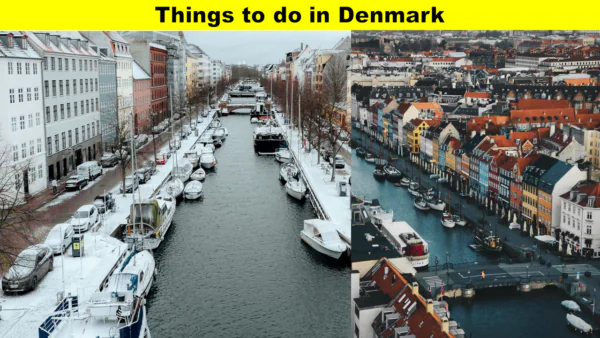
Things to do in Denmark based on NeemTime research from most popular to just popular.
Tivoli Gardens, Denmark
Overview: Tivoli Gardens is a historic amusement park in Copenhagen featuring rides, gardens, entertainment shows, and dining options.
History: It was founded to provide leisure and entertainment to Copenhagen residents and tourists, blending amusement with culture.
Since When: Tivoli Gardens has been operating since 1843, making it one of the world’s oldest amusement parks.
Review: Visitors praise its nostalgic charm, beautiful landscaping, and variety of rides and performances.
When to Go: Spring through autumn is best for rides and outdoor performances.
How to Go: It is located in central Copenhagen and accessible by metro, bus, taxi, or walking.
What to Do: Visitors can enjoy amusement rides, live shows, stroll through gardens, and dine in restaurants.
Free or Paid: Entry and rides are paid.
LEGOLAND® Billund Resort, Denmark
Overview: LEGOLAND® Billund Resort is a family-friendly theme park based on LEGO bricks, featuring rides, themed areas, and interactive attractions.
History: The park was established to celebrate LEGO’s legacy and offer entertainment for children and adults alike.
Since When: It has been operating since 1968.
Review: Visitors enjoy the creativity, variety of attractions, and immersive LEGO experiences.
When to Go: Summer months or school holidays are ideal for family visits.
How to Go: It can be reached by car, taxi, or public transport from Billund Airport and nearby towns.
What to Do: Tourists can explore LEGO-themed rides, play zones, miniature models, and shows.
Free or Paid: Entry is paid.
The Little Mermaid, Denmark
Overview: The Little Mermaid is a famous bronze statue in Copenhagen inspired by Hans Christian Andersen’s fairy tale of the same name.
History: It was commissioned to honor Andersen’s story and symbolize Copenhagen’s maritime heritage.
Since When: The statue has been installed since 1913.
Review: Visitors appreciate its iconic status, scenic waterfront location, and photographic opportunities.
When to Go: Morning or late afternoon is best to avoid crowds and enjoy softer light for photos.
How to Go: It can be reached by walking, bike, taxi, or public transport from central Copenhagen.
What to Do: Visitors can take photos, stroll along the Langelinie waterfront, and admire the statue.
Free or Paid: Viewing is free.
Amalienborg Palace, Denmark
Overview: Amalienborg Palace is the official residence of the Danish royal family and a key cultural and architectural landmark in Copenhagen.
History: The palace complex was built for noble families in the 18th century and later became the royal residence.
Since When: It has been the royal family’s main residence since 1794.
Review: Visitors admire the royal architecture, the ceremonial changing of the guard, and the palace square.
When to Go: Morning is best to see the changing of the guard and explore the square.
How to Go: It is located in central Copenhagen and accessible by walking, metro, bus, or taxi.
What to Do: Visitors can watch the guard ceremony, take photos, and explore nearby museums.
Free or Paid: The palace square is free; museum entry is paid.
Nyhavn, Denmark
Overview: Nyhavn is a historic waterfront district in Copenhagen known for colorful buildings, restaurants, bars, and canal views.
History: The area was originally a busy commercial port and has transformed into a vibrant tourist and dining destination.
Since When: Nyhavn has been a notable district since the 17th century.
Review: Visitors enjoy the lively atmosphere, scenic canal walks, and historic charm of the colorful buildings.
When to Go: Late afternoon to evening is best for dining, boat rides, and sunsets.
How to Go: Nyhavn is in central Copenhagen and accessible by walking, bus, metro, or taxi.
What to Do: Visitors can stroll along the canal, take boat tours, dine at waterfront restaurants, and photograph the colorful buildings.
Free or Paid: Walking along the waterfront is free; dining and boat tours are paid.
The Round Tower, Denmark
Overview: The Round Tower is a historic 17th-century tower in Copenhagen featuring an observatory, spiral ramp, and panoramic city views.
History: It was built as an astronomical observatory and part of the Trinitatis Complex to combine science, education, and religion.
Since When: The tower has been standing since 1642.
Review: Visitors enjoy climbing the unique spiral ramp, exploring exhibitions, and seeing sweeping views of Copenhagen.
When to Go: Late morning to afternoon is ideal for clear city views.
How to Go: It is located in central Copenhagen and accessible by walking, metro, bus, or taxi.
What to Do: Visitors can climb the tower, visit the observatory, explore art exhibitions, and photograph the cityscape.
Free or Paid: Entry is paid.
Rosenborg Castle, Denmark
Overview: Rosenborg Castle is a Renaissance-era royal residence housing Denmark’s crown jewels and historic artifacts.
History: It was built as a country summerhouse for King Christian IV and later became a museum of royal collections.
Since When: The castle has been open to the public since the early 19th century.
Review: Visitors appreciate its ornate interiors, historical significance, and beautiful gardens.
When to Go: Spring and summer are best for enjoying the castle and its surrounding gardens.
How to Go: It can be reached by metro, bus, taxi, or walking from central Copenhagen.
What to Do: Tourists can explore the royal chambers, view the crown jewels, and stroll in King’s Garden.
Free or Paid: Entry is paid.
Langelinie, Denmark
Overview: Langelinie is a scenic waterfront promenade in Copenhagen known for its harbor views, public art, and recreational spaces.
History: The promenade developed as part of Copenhagen’s urban expansion to provide public access to the harbor and parks.
Since When: Langelinie has been a public area since the late 19th century.
Review: Visitors enjoy walking, cycling, and viewing landmarks such as The Little Mermaid statue.
When to Go: Early morning or late afternoon is ideal for a peaceful stroll and scenic photos.
How to Go: It is accessible by walking, bike, taxi, or public transport from central Copenhagen.
What to Do: Visitors can walk or cycle along the promenade, take photos, relax, and enjoy the waterfront atmosphere.
Free or Paid: Entry is free.
Bakken, Denmark
Overview: Bakken is the world’s oldest operating amusement park located north of Copenhagen, featuring rides, games, and entertainment.
History: Founded as a funfair near natural springs, it evolved into a full amusement park attracting locals and tourists.
Since When: Bakken has been operating since 1583.
Review: Visitors enjoy the nostalgic charm, variety of rides, and lively atmosphere.
When to Go: Spring to autumn is best for outdoor rides and shows.
How to Go: It can be reached by S-train, bus, taxi, or car from central Copenhagen.
What to Do: Visitors can enjoy rides, carnival games, live performances, and dining.
Free or Paid: Entry is free; rides and attractions are paid.
Christiansborg Palace, Denmark
Overview: Christiansborg Palace is a historic palace housing the Danish Parliament, Supreme Court, and royal reception rooms.
History: Built on the site of former castles, it has served as a center of Danish governance for centuries.
Since When: The current palace has been in use since 1928 following previous reconstructions.
Review: Visitors admire the grand architecture, royal chambers, and rich political history.
When to Go: Morning to early afternoon is best for tours and exhibitions.
How to Go: It is located in central Copenhagen and accessible by metro, bus, walking, or taxi.
What to Do: Visitors can tour the royal reception rooms, Parliament chambers, and explore historical exhibits.
Free or Paid: Entry to some areas is paid; public spaces are free.
The Old Town, Denmark
Overview: The Old Town in Aarhus is an open-air museum featuring historic Danish buildings, cobbled streets, and cultural exhibits.
History: It was established to preserve and showcase Denmark’s architectural heritage and traditional lifestyles from different eras.
Since When: The museum has been operating since 1914.
Review: Visitors enjoy walking through recreated streets, exploring historic houses, and learning about Danish culture.
When to Go: Spring and summer are ideal for enjoying outdoor exhibits and events.
How to Go: It can be reached by bus, bike, taxi, or walking from central Aarhus.
What to Do: Tourists can explore historic houses, participate in workshops, and enjoy traditional Danish crafts and activities.
Free or Paid: Entry is paid.
Kongens Nytorv, Denmark
Overview: Kongens Nytorv is a prominent public square in central Copenhagen, surrounded by historic buildings, shops, and cafes.
History: The square was established in the 17th century as a royal plaza for ceremonies and public gatherings.
Since When: It has been a central city landmark since 1670.
Review: Visitors appreciate the elegant architecture, lively atmosphere, and convenient location near shopping and restaurants.
When to Go: Late morning to early evening is best to enjoy the vibrant ambiance and outdoor cafes.
How to Go: It is accessible by metro, bus, taxi, or walking from central Copenhagen.
What to Do: Visitors can stroll, take photos, enjoy dining, and watch street performances.
Free or Paid: Entry is free.
Kronborg Castle, Denmark
Overview: Kronborg Castle is a Renaissance castle in Helsingør, famous as the setting of Shakespeare’s Hamlet and for its historic fortifications.
History: Built to control the Øresund Strait, it has served as a royal residence and military stronghold.
Since When: The castle has been standing since 1585.
Review: Visitors enjoy exploring the grand halls, dungeons, and panoramic views of the sea.
When to Go: Spring through autumn is best for tours and photography.
How to Go: It can be reached by train, bus, car, or guided tour from Copenhagen.
What to Do: Tourists can explore the castle, visit museums, attend reenactments, and enjoy waterfront views.
Free or Paid: Entry is paid.
Ny Carlsberg Glyptotek, Denmark
Overview: Ny Carlsberg Glyptotek is an art museum in Copenhagen housing classical and modern European art, as well as Egyptian antiquities.
History: Founded by the Carlsberg brewery family, it was intended to share art and culture with the public.
Since When: It has been open since 1897.
Review: Visitors appreciate the extensive collections, beautiful architecture, and peaceful garden courtyard.
When to Go: Weekdays or early afternoons are ideal to avoid crowds.
How to Go: Accessible by walking, metro, bus, or taxi from central Copenhagen.
What to Do: Visitors can explore art collections, attend exhibitions, and relax in the winter garden.
Free or Paid: Entry is paid; some days may have free admission.
Givskud Zoo – Zootopia, Denmark
Overview: Givskud Zoo – Zootopia is a safari-style zoo featuring lions, giraffes, elephants, and interactive wildlife experiences.
History: It was established to combine wildlife conservation with family-friendly education and entertainment.
Since When: The zoo has been operating since 1969.
Review: Visitors enjoy close animal encounters, safari tours, and educational programs.
When to Go: Spring to early autumn is best for outdoor animal viewing.
How to Go: It can be reached by car, taxi, or organized tour from nearby cities.
What to Do: Tourists can take safari tours, watch animal feedings, and participate in educational activities.
Free or Paid: Entry is paid.
ARoS Aarhus Art Museum, Denmark
Overview: ARoS Aarhus Art Museum is a contemporary art museum famous for its modern exhibitions and the iconic Rainbow Panorama installation.
History: The museum was established to promote contemporary art and cultural dialogue in Aarhus.
Since When: It has been open since 2004.
Review: Visitors praise its innovative exhibitions, striking architecture, and vibrant rooftop walkway.
When to Go: Weekdays or early afternoons are best to avoid crowds and enjoy the exhibits.
How to Go: It is located in central Aarhus and accessible by bus, bike, taxi, or walking.
What to Do: Visitors can explore contemporary art collections, walk the Rainbow Panorama, and attend temporary exhibitions.
Free or Paid: Entry is paid.
National Museum of Denmark, Denmark
Overview: The National Museum of Denmark showcases Danish history, culture, and artifacts from prehistoric to modern times.
History: It was founded to preserve Denmark’s cultural heritage and educate the public about national history.
Since When: It has been open since 1819.
Review: Visitors appreciate the extensive collections, well-organized exhibitions, and historical insights.
When to Go: Weekdays and mornings are ideal for a quieter visit.
How to Go: It is located in central Copenhagen and accessible by metro, bus, taxi, or walking.
What to Do: Visitors can explore archaeological artifacts, cultural exhibits, and temporary themed displays.
Free or Paid: Entry is paid.
The King’s Garden, Denmark
Overview: The King’s Garden is a historic public park surrounding Rosenborg Castle, featuring manicured lawns, flower beds, and sculptures.
History: It was originally designed as the royal garden for King Christian IV’s castle and palace grounds.
Since When: It has been open to the public since the 18th century.
Review: Visitors enjoy the peaceful atmosphere, beautiful landscaping, and proximity to Rosenborg Castle.
When to Go: Spring and summer are best to see flowers in full bloom and enjoy outdoor strolls.
How to Go: It is centrally located in Copenhagen and accessible by walking, metro, bus, or taxi.
What to Do: Visitors can stroll, picnic, photograph gardens, and view the castle from the park.
Free or Paid: Entry is free.
Frederiksborg Castle, Denmark
Overview: Frederiksborg Castle is a Renaissance castle housing the Museum of National History, surrounded by landscaped gardens and a lake.
History: It was built by King Christian IV as a royal residence and later converted into a museum.
Since When: The castle has been open as a museum since 1878.
Review: Visitors admire its opulent interiors, historic art collections, and beautiful Baroque gardens.
When to Go: Late spring to early autumn is ideal for enjoying both indoor exhibits and outdoor gardens.
How to Go: It can be reached by train, bus, or car from Copenhagen.
What to Do: Tourists can explore the castle, visit museums, stroll gardens, and take photos by the lake.
Free or Paid: Entry is paid.
Egeskov Castle, Denmark
Overview: Egeskov Castle is a well-preserved Renaissance water castle featuring gardens, museums, and family attractions.
History: It was constructed to serve as a fortified residence and later expanded for public tourism and exhibitions.
Since When: The castle has been open to visitors since the 20th century.
Review: Visitors enjoy the picturesque moat, themed gardens, and interactive exhibits for children.
When to Go: Spring through summer is best to explore the gardens and outdoor attractions.
How to Go: It can be reached by car or organized tour from nearby cities.
What to Do: Visitors can explore the castle interior, gardens, mazes, museums, and take part in family-friendly activities.
Free or Paid: Entry is paid.
Moesgaard Museum, Denmark
Overview: Moesgaard Museum is an archaeological and ethnographic museum showcasing Denmark’s prehistoric past and world cultures.
History: It was established to preserve and present archaeological finds and cultural heritage from Denmark and abroad.
Since When: The museum has been open since 1970, with the current modern building inaugurated in 2014.
Review: Visitors admire the striking architecture, interactive exhibitions, and extensive Viking and prehistoric collections.
When to Go: Weekdays in the morning or early afternoon are best for a quiet visit.
How to Go: It is accessible by bus, taxi, car, or bike from Aarhus city center.
What to Do: Visitors can explore permanent and temporary exhibits, enjoy guided tours, and take walks along the museum’s scenic hillside trails.
Free or Paid: Entry is paid.
Randers Regnskov, Denmark
Overview: Randers Regnskov is a tropical zoo featuring rainforest ecosystems, exotic animals, and indoor climate-controlled biomes.
History: It was founded to educate visitors about tropical wildlife and rainforest conservation.
Since When: The zoo has been operating since 1996.
Review: Visitors enjoy close encounters with exotic animals, lush indoor habitats, and family-friendly activities.
When to Go: Spring through autumn is ideal, especially for outdoor exhibits.
How to Go: It can be reached by car, bus, or taxi from Randers city center.
What to Do: Tourists can explore indoor and outdoor animal enclosures, feed certain animals, and participate in educational programs.
Free or Paid: Entry is paid.
Camp Adventure, Denmark
Overview: Camp Adventure is a forest adventure park featuring Denmark’s tallest observation tower, treetop trails, and zip lines.
History: It was developed to offer visitors a unique outdoor experience combining nature, sport, and scenic views.
Since When: The park has been open since 2017.
Review: Visitors enjoy panoramic views from the tower, fun aerial activities, and family-friendly facilities.
When to Go: Spring to early autumn is best for clear weather and outdoor adventures.
How to Go: It is accessible by car or organized tour from Svendborg and surrounding towns.
What to Do: Visitors can climb the observation tower, walk treetop trails, zip line, and picnic in the forest.
Free or Paid: Entry is paid.
Tivoli Friheden, Denmark
Overview: Tivoli Friheden is a family-friendly amusement park featuring rides, games, live performances, and seasonal events.
History: It was established to provide local residents and tourists with recreational and entertainment options.
Since When: The park has been operating since 1903.
Review: Visitors enjoy the mix of thrilling rides, carnival games, and entertainment for all ages.
When to Go: Spring through autumn, particularly weekends, is best for full activities and shows.
How to Go: It is located near Aarhus city center and reachable by bus, taxi, or walking.
What to Do: Visitors can enjoy rides, games, live performances, and seasonal events such as Halloween or summer celebrations.
Free or Paid: Entry is paid; some rides may require additional tickets.
Rubjerg Knude, Denmark
Overview: Rubjerg Knude is a dramatic coastal sand dune landmark featuring a historic lighthouse and scenic North Sea views.
History: The lighthouse and dunes have become a symbol of coastal erosion and changing landscapes in northern Denmark.
Since When: The lighthouse was built in 1900, and the area has been a visitor attraction for decades.
Review: Visitors appreciate the unique coastal scenery, walking trails, and photographic opportunities.
When to Go: Spring to early autumn is ideal for clear weather and safe walking conditions.
How to Go: It is accessible by car or organized tours from Hjørring or nearby towns.
What to Do: Tourists can hike along the dunes, visit the lighthouse museum, and photograph the dramatic coastline.
Free or Paid: Access to the dunes is free; lighthouse entry may be paid.
Botanical Garden, Denmark
Overview: The Botanical Garden in Copenhagen is a historic garden featuring extensive plant collections, greenhouses, and tranquil walking paths.
History: It was founded to support botanical research and public education on plant diversity.
Since When: The garden has been open since 1874.
Review: Visitors enjoy its peaceful environment, impressive plant collections, and Victorian-style greenhouses.
When to Go: Spring and summer are ideal for viewing flowers in full bloom.
How to Go: It is located near the city center and accessible by walking, bike, bus, or metro.
What to Do: Visitors can explore themed gardens, greenhouses, and take guided botanical tours.
Free or Paid: Entry is free.
Christiania, Denmark
Overview: Christiania is a famous self-proclaimed autonomous neighborhood known for its colorful street art, alternative lifestyle, and cultural events.
History: It was established by a group of squatters in an abandoned military area to create a free community.
Since When: Christiania has existed since 1971.
Review: Visitors appreciate the unique atmosphere, street art, and live music, though photography is restricted in some areas.
When to Go: Late mornings to early afternoons are best to experience the area’s vibrant culture.
How to Go: It is accessible by walking, bike, or public transport from Copenhagen city center.
What to Do: Tourists can explore streets, view murals, enjoy cafes, and attend cultural events.
Free or Paid: Entry is free.
LEGOLAND Billund, Denmark
Overview: LEGOLAND Billund is a family-friendly theme park featuring LEGO-themed rides, attractions, and miniature models.
History: It was created to celebrate LEGO bricks and provide entertainment for families and LEGO enthusiasts.
Since When: The park has been open since 1968.
Review: Visitors enjoy the creative LEGO displays, interactive rides, and family-oriented attractions.
When to Go: Summer months and weekdays are ideal for avoiding long queues.
How to Go: It is accessible by car, shuttle bus, or from Billund Airport.
What to Do: Visitors can enjoy rides, explore LEGO models, participate in workshops, and watch shows.
Free or Paid: Entry is paid.
Frederiksberg Have, Denmark
Overview: Frederiksberg Have is a historic landscaped park with lakes, flower gardens, sculptures, and Frederiksberg Palace.
History: It was designed as a royal garden for the Danish monarchy and later opened to the public.
Since When: The park has been open since the 18th century.
Review: Visitors enjoy its serene environment, beautiful landscapes, and proximity to the palace.
When to Go: Spring and summer are best to enjoy the gardens and outdoor scenery.
How to Go: It is accessible by metro, bus, bike, or walking from central Copenhagen.
What to Do: Tourists can stroll, picnic, photograph gardens, feed ducks, and visit the palace nearby.
Free or Paid: Entry is free.
Our Saviour’s Church, Denmark
Overview: Our Saviour’s Church is a baroque church known for its corkscrew spire and panoramic views of Copenhagen.
History: The church was built to serve the growing population in Christianshavn and display baroque architecture.
Since When: It was completed in 1695.
Review: Visitors praise its unique spiral tower, interior design, and stunning city views from the top.
When to Go: Morning or late afternoon visits offer the best light for photography and fewer crowds.
How to Go: It is located in Christianshavn and accessible by metro, bus, bike, or walking.
What to Do: Tourists can climb the spire, explore the interior, and enjoy panoramic views of Copenhagen.
Free or Paid: Entry is paid.