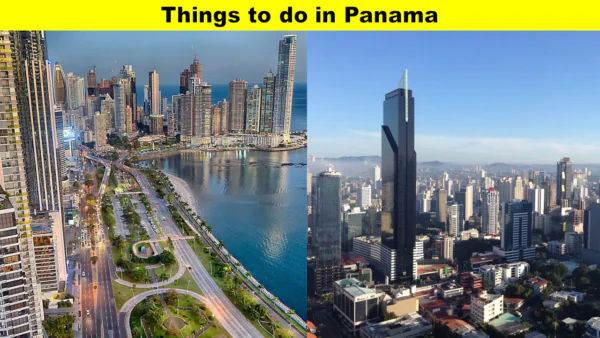
Things to do in Panama based on NeemTime research from most popular to just popular.
Albrook Mall, Panama
Overview: Albrook Mall Panama is one of the largest shopping centers in Central America, offering a wide range of retail stores, dining options, and entertainment facilities.
History: Developed to provide a comprehensive shopping and leisure experience for locals and tourists alike.
Since When: Opened in 2001.
Review: Visitors praise its extensive selection of shops, accessibility, and vibrant atmosphere.
When to Go: Weekdays for a quieter experience; weekends for the full shopping buzz.
How to Go: Located near Albrook Airport; accessible by taxi, bus, or car with ample parking.
What to Do: Shop for fashion, electronics, and local goods, enjoy dining options, and visit the cinema.
Free or Paid: Free entry; purchases and services are paid.
Multiplaza Panamá, Panama
Overview: Multiplaza Panamá is a luxury shopping mall featuring high-end international brands, gourmet restaurants, and entertainment facilities.
History: Built to cater to Panama City’s growing demand for luxury shopping and lifestyle experiences.
Since When: Opened in 2004.
Review: Known for its modern design, upscale brands, and family-friendly environment.
When to Go: Weekdays for a more relaxed shopping experience; evenings for dining and entertainment.
How to Go: Located in Punta Pacifica; accessible by car, taxi, or public transport.
What to Do: Shop for luxury goods, dine at fine restaurants, watch movies, and explore entertainment zones.
Free or Paid: Free entry; purchases and activities are paid.
Miraflores Visitor’s Center, Panama
Overview: Miraflores Visitor’s Center Panama offers an informative experience about the Panama Canal with observation decks, exhibits, and guided tours.
History: Established to educate the public about the engineering marvel and its historical significance.
Since When: Opened in 1967, with modern updates over the decades.
Review: Visitors enjoy the panoramic views of the locks and interactive exhibits.
When to Go: Morning or early afternoon to see ship traffic at the canal.
How to Go: Located near the Panama Canal; accessible by taxi, tour buses, or car.
What to Do: Observe ships passing through the locks, explore the museum exhibits, and take guided tours.
Free or Paid: Paid entry.
Parque Omar, Panama
Overview: Parque Omar Panama is a large urban park offering walking trails, sports facilities, playgrounds, and green spaces for recreation.
History: Developed to provide a central recreational area for residents of Panama City.
Since When: Established in 1970s.
Review: Visitors appreciate its cleanliness, recreational amenities, and family-friendly environment.
When to Go: Early morning or late afternoon for exercise; weekends for family outings.
How to Go: Located in San Francisco neighborhood; accessible by car, taxi, or public transport.
What to Do: Jog, cycle, have picnics, play sports, and relax in green spaces.
Free or Paid: Free entry.
Metromall Panamá, Panama
Overview: Metromall Panamá is a popular shopping center with a mix of retail stores, restaurants, and entertainment options.
History: Developed to serve the commercial needs of Panama City’s residents and tourists.
Since When: Opened in 1994.
Review: Visitors enjoy its convenient location, variety of stores, and family-friendly environment.
When to Go: Weekdays for quieter shopping; weekends for a lively atmosphere.
How to Go: Located in San Miguelito; accessible by car, taxi, or public transport.
What to Do: Shop, dine, enjoy movies, and explore leisure areas.
Free or Paid: Free entry; purchases and activities are paid.
Panama Canal, Panama
Overview: The Panama Canal is a world-renowned artificial waterway connecting the Atlantic and Pacific Oceans, facilitating global maritime trade.
History: Constructed to provide a shortcut for ships, it revolutionized international shipping and trade routes.
Since When: Officially opened on August 15, 1914.
Review: Visitors are fascinated by its massive engineering, operational locks, and historical significance.
When to Go: Morning or early afternoon to observe maximum ship traffic and operational activity.
How to Go: Accessible by car, taxi, or guided tours from Panama City.
What to Do: Learn about its history at visitor centers, watch ships pass through the locks, and take boat tours.
Free or Paid: Paid for guided tours; observing from certain public viewpoints is free.
Causeway Amador, Panama
Overview: Causeway Amador is a scenic roadway linking four islands with Panama City, lined with shops, restaurants, and recreational spaces.
History: Built using material from the Panama Canal excavation to create a transport and leisure corridor.
Since When: Completed in the 1960s.
Review: Visitors enjoy walking, cycling, dining, and the panoramic views of the canal and city skyline.
When to Go: Late afternoon or sunset for picturesque views.
How to Go: Accessible by car, taxi, or bicycle from Panama City.
What to Do: Walk or bike along the causeway, dine at waterfront restaurants, and enjoy outdoor leisure activities.
Free or Paid: Free to access; dining and entertainment activities are paid.
Miraflores Locks, Panama
Overview: Miraflores Locks is a key part of the Panama Canal, featuring observation decks and a museum for tourists.
History: Constructed as part of the canal system to raise and lower ships between ocean levels.
Since When: Opened in 1913 alongside the canal’s initial operation.
Review: Visitors find the locks impressive for both their scale and the engineering behind canal operations.
When to Go: Morning to early afternoon to see maximum ship movements.
How to Go: Located near the Panama Canal; reachable by car, taxi, or organized tour buses.
What to Do: Watch ships transit, explore the museum exhibits, and take guided tours of the locks.
Free or Paid: Paid entry for the visitor center; observation from outside areas is free.
Casco Viejo, Panama
Overview: Casco Viejo is Panama City’s historic district, known for colonial architecture, plazas, churches, and vibrant street life.
History: Built in the 17th century after the destruction of Old Panama by pirate attacks, serving as the new city center.
Since When: Established in 1673.
Review: Visitors love its colorful streets, cultural landmarks, boutique hotels, and lively cafes.
When to Go: Early morning for sightseeing or evening for dining and nightlife.
How to Go: Accessible by car, taxi, or walking from central Panama City.
What to Do: Explore historic streets, visit museums and churches, dine at local restaurants, and shop for souvenirs.
Free or Paid: Free to explore; museums, tours, and certain attractions are paid.
Old Panama, Panama
Overview: Old Panama, also known as Panamá Viejo, is the original city site destroyed by pirates, now preserved as an archaeological park.
History: Founded by Spanish explorers, it was the first European settlement on the Pacific coast of the Americas.
Since When: Established in 1519 and abandoned after pirate attacks in 1671.
Review: Visitors admire its ruined churches, cathedral towers, and informative interpretive displays.
When to Go: Morning to avoid heat and enjoy less crowded paths.
How to Go: Accessible by car or taxi from Panama City.
What to Do: Explore the ruins, learn about colonial history, and photograph the remaining structures.
Free or Paid: Paid entry.
Biomuseo, Panama
Overview: Biomuseo is a striking, colorful museum dedicated to Panama’s biodiversity and natural history.
History: Designed by renowned architect Frank Gehry, the museum highlights the ecological significance of the Isthmus of Panama.
Since When: Opened in October 2014.
Review: Visitors praise its interactive exhibits, vibrant design, and educational value for all ages.
When to Go: Weekdays or mornings to avoid large crowds.
How to Go: Accessible by car, taxi, or via public transit from Panama City.
What to Do: Explore exhibitions on biodiversity, participate in interactive activities, and enjoy the waterfront views.
Free or Paid: Paid entry.
Plaza de Francia, Panama
Overview: Plaza de Francia is a historic square honoring French contributions to the construction of the Panama Canal.
History: Built to commemorate the efforts of French engineers who initially attempted to build the canal in the late 19th century.
Since When: Established in 1921.
Review: Visitors appreciate the historic monuments, panoramic views, and central location in Casco Viejo.
When to Go: Morning or late afternoon for photography and sightseeing.
How to Go: Accessible on foot from nearby Casco Viejo streets or by taxi.
What to Do: Admire monuments, take photos, and enjoy the surrounding historic architecture.
Free or Paid: Free.
Pacific Lookout, Panama
Overview: Pacific Lookout offers panoramic views of the Pacific Ocean and the entrance to the Panama Canal.
History: Developed as a tourist viewpoint to showcase the canal’s engineering and coastal scenery.
Since When: Opened in the early 2000s.
Review: Visitors enjoy breathtaking vistas, photography opportunities, and educational signage.
When to Go: Sunset for the most stunning views.
How to Go: Accessible by car or organized tours from Panama City.
What to Do: Take in scenic views, photograph the canal entrance, and enjoy a brief walk along the lookout paths.
Free or Paid: Paid for guided access; some viewpoints may be free.
Miraflores Visitor Center, Panama
Overview: Miraflores Visitor Center is a comprehensive facility providing insights into the operation of the Panama Canal.
History: Built to allow tourists to observe the locks in action and learn about canal history and engineering.
Since When: Opened in 1990.
Review: Highly rated for its informative displays, observation decks, and interactive exhibits.
When to Go: Morning to early afternoon for maximum ship traffic viewing.
How to Go: Accessible by car, taxi, or organized canal tours from Panama City.
What to Do: Watch ships transit the locks, visit museum exhibits, and participate in guided tours.
Free or Paid: Paid entry.
Parque Urracá, Panama
Overview: Parque Urracá is a green public park in Panama City dedicated to the national hero Urracá, featuring statues and open spaces.
History: Established to honor the indigenous leader who resisted Spanish conquest.
Since When: Opened in 1930s.
Review: Visitors enjoy its peaceful environment, historical significance, and walking paths.
When to Go: Early morning or late afternoon for pleasant weather and fewer crowds.
How to Go: Accessible by foot or taxi from central Panama City.
What to Do: Stroll through gardens, learn about local history, and relax in open green spaces.
Free or Paid: Free.
Parque Nacional Camino de Cruces, Panama
Overview: Parque Nacional Camino de Cruces is a lush tropical forest park offering hiking trails and rich biodiversity.
History: The park preserves the historic Camino de Cruces, a colonial route used for transporting goods across Panama.
Since When: Established as a national park in 1984.
Review: Visitors praise its serene walking paths, abundant wildlife, and historical significance.
When to Go: Early morning for cooler temperatures and better wildlife sightings.
How to Go: Accessible by car or taxi from Panama City; some guided tours are available.
What to Do: Hike forest trails, observe wildlife, and explore the historic colonial road.
Free or Paid: Paid entry; guided tours may incur additional fees.
Photo Parador – Cinta Costera, Panama
Overview: Photo Parador at Cinta Costera is a scenic waterfront promenade ideal for photography and leisure walks.
History: Developed as part of the urban renewal of Panama City’s coastal area.
Since When: Opened in 2014.
Review: Visitors enjoy the panoramic views of the skyline, the ocean, and recreational facilities along the coast.
When to Go: Sunset for the most picturesque photography opportunities.
How to Go: Accessible by foot, bike, or taxi from downtown Panama City.
What to Do: Stroll along the waterfront, take photos, and enjoy street performances or nearby cafes.
Free or Paid: Free.
Metropolitan Natural Park, Panama
Overview: Metropolitan Natural Park is a large urban nature reserve in Panama City with walking trails and diverse wildlife.
History: Created to conserve tropical forest ecosystems within the city limits and offer recreational space for residents.
Since When: Established in 1988.
Review: Visitors enjoy hiking trails, bird watching, and the opportunity to escape the city bustle.
When to Go: Mornings or weekends for cooler weather and optimal wildlife viewing.
How to Go: Accessible by car or taxi from central Panama City.
What to Do: Hike trails, spot wildlife, and take in panoramic views of the city.
Free or Paid: Paid entry.
The Westin Playa Bonita Panama, Panama
Overview: The Westin Playa Bonita Panama is a luxury beachfront resort offering ocean views, pools, and fine dining.
History: Opened to provide upscale accommodation and leisure facilities near Panama City’s Pacific coast.
Since When: Operating since 1997.
Review: Guests praise its spacious rooms, excellent amenities, and family-friendly services.
When to Go: Year-round, with peak season from December to April.
How to Go: Accessible by car or taxi from Panama City; airport transfers are available.
What to Do: Relax on the beach, enjoy water sports, dine at onsite restaurants, and explore nearby attractions.
Free or Paid: Paid; accommodation and resort amenities are charged.
ZooWorld, Panama
Overview: ZooWorld is a family-friendly zoological park showcasing native and exotic wildlife in interactive exhibits.
History: Developed to provide education and entertainment while promoting wildlife conservation in Panama.
Since When: Opened in 2017.
Review: Visitors enjoy close-up animal encounters, educational programs, and well-maintained facilities.
When to Go: Weekdays or mornings to avoid crowds and enjoy active animals.
How to Go: Accessible by car or taxi from Panama City.
What to Do: Observe and interact with animals, participate in feeding sessions, and attend educational shows.
Free or Paid: Paid entry.
Soho City Center, Panama
Overview: Soho City Center is a modern shopping complex featuring retail stores, restaurants, and entertainment options.
History: Developed to cater to Panama City’s growing urban and commercial demand.
Since When: Opened in 2015.
Review: Visitors enjoy its variety of shops, contemporary design, and convenient amenities.
When to Go: Weekdays for fewer crowds and easier parking.
How to Go: Accessible by car, taxi, or public transport from central Panama City.
What to Do: Shop at boutiques, dine at restaurants, and enjoy leisure activities at entertainment zones.
Free or Paid: Free to enter; purchases and entertainment are paid.
CasaCasco, Panama
Overview: CasaCasco is a creative hub and cultural center showcasing art exhibitions, workshops, and design studios.
History: Founded to promote local art, innovation, and community engagement in Casco Viejo.
Since When: Opened in 2012.
Review: Visitors appreciate its vibrant art displays, interactive workshops, and creative atmosphere.
When to Go: Weekends for special events and exhibitions.
How to Go: Reachable by taxi or on foot from Casco Viejo.
What to Do: Explore art galleries, participate in workshops, and attend cultural events.
Free or Paid: Mostly free; some workshops or events may require payment.
Parque Municipal Summit, Panama
Overview: Parque Municipal Summit is a large wildlife park and botanical garden home to native and exotic species.
History: Established as a conservation park to protect wildlife and provide educational programs.
Since When: Opened in 1923.
Review: Visitors enjoy walking trails, animal exhibits, and educational tours.
When to Go: Early morning for active animals and cooler weather.
How to Go: Accessible by car or taxi from Panama City; guided tours are available.
What to Do: Observe wildlife, learn about conservation, and enjoy nature walks.
Free or Paid: Paid entry.
Agua Clara Locks Visitor Center, Panama
Overview: Agua Clara Locks Visitor Center provides an educational experience about the operation and engineering of the Panama Canal.
History: Built to allow the public to observe and learn about the canal’s modern locks system.
Since When: Opened in 2016.
Review: Visitors enjoy interactive exhibits, panoramic views, and guided explanations of canal operations.
When to Go: Weekdays or mornings to avoid crowds and see active lock operations.
How to Go: Accessible by car or taxi from Panama City; parking is available onsite.
What to Do: Watch ships navigate the locks, explore exhibits, and learn about canal engineering.
Free or Paid: Free entry.
El Nispero Zoo, Panama
Overview: El Nispero Zoo is a small zoological park featuring local and exotic wildlife, ideal for family visits.
History: Established to promote education about wildlife and provide recreational space for visitors.
Since When: Opened in 1980.
Review: Visitors appreciate its intimate setting, well-kept animals, and educational signage.
When to Go: Weekdays for a quieter experience and animal interactions.
How to Go: Accessible by taxi or car from Panama City.
What to Do: Explore animal exhibits, take photographs, and learn about species conservation.
Free or Paid: Paid entry.
Dreams Playa Bonita Panama, Panama
Overview: Dreams Playa Bonita Panama is a luxury beachfront resort offering all-inclusive accommodations, pools, and recreational activities.
History: Developed to provide a high-end resort experience for both families and couples visiting Panama.
Since When: Opened in 2015.
Review: Guests praise its spacious rooms, attentive service, and scenic ocean views.
When to Go: Dry season from December to April for the best beach experience.
How to Go: Accessible by car or taxi from Panama City; airport transfers are available.
What to Do: Swim in pools, enjoy water sports, dine at on-site restaurants, and relax on the beach.
Free or Paid: Paid accommodations and services.
Hilton Panama, Panama
Overview: Hilton Panama is a modern luxury hotel in the city center offering business and leisure amenities.
History: Part of the global Hilton chain, designed to cater to international travelers and corporate guests.
Since When: Opened in 1999.
Review: Visitors highlight its central location, comfortable rooms, and professional service.
When to Go: Year-round, with weekdays preferred for business convenience.
How to Go: Accessible by car, taxi, or public transport from Tocumen International Airport.
What to Do: Stay in luxury rooms, use conference facilities, dine in hotel restaurants, and enjoy city views.
Free or Paid: Paid accommodations and services.
Gamboa Rainforest Reserve, Panama
Overview: Gamboa Rainforest Reserve is a protected area offering wildlife tours, canopy adventures, and rainforest experiences.
History: Established to conserve Panama’s tropical rainforest and provide eco-tourism opportunities.
Since When: Opened to visitors in 1960s as a research and conservation site.
Review: Visitors enjoy seeing wildlife up close, including monkeys and exotic birds, and exploring treetop trails.
When to Go: Early morning for wildlife activity and cooler weather.
How to Go: Reachable by car or taxi from Panama City; guided tours are available.
What to Do: Take canopy tours, boat trips on the Chagres River, and nature walks.
Free or Paid: Paid entry and activities.
Amador Causeway (Calzada de Amador), Panama
Overview: Amador Causeway is a scenic stretch connecting four islands with walking paths, cycling lanes, and restaurants.
History: Constructed using rocks from the Panama Canal excavation to link the islands for transport and leisure.
Since When: Opened in the 1960s.
Review: Visitors enjoy its ocean views, sunsets, and variety of dining and recreational options.
When to Go: Late afternoon to evening for sunset views.
How to Go: Accessible by car, taxi, or bicycle from Panama City.
What to Do: Walk, cycle, dine at waterfront restaurants, and visit the Biomuseo nearby.
Free or Paid: Free access; dining and attractions are paid.
Plaza Simón Bolívar, Panama
Overview: Plaza Simón Bolívar is a historic public square in Panama City dedicated to the South American liberator.
History: Established as a symbolic space to honor Simón Bolívar and serve as a civic gathering point.
Since When: Since the 20th century.
Review: Visitors appreciate its open space, statues, and cultural significance.
When to Go: Daytime for sightseeing and photography.
How to Go: Accessible by car, taxi, or walking from Casco Viejo.
What to Do: Explore monuments, enjoy the surrounding architecture, and take photographs.
Free or Paid: Free entry.