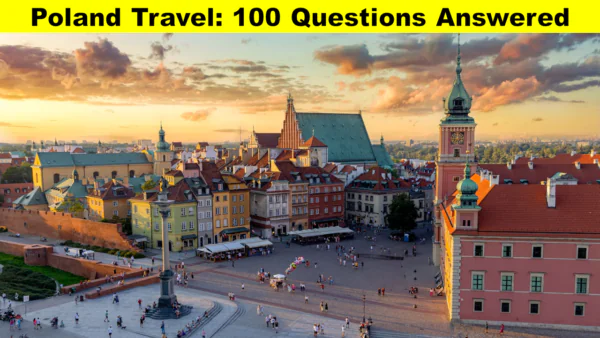
Poland Travel: 100 Questions Answered based on NeemTime research
🇵🇱 General Trip Planning & Logistics
Q1: What are the main must-see cities for a first-time visitor? A: Kraków, Warsaw, and Gdańsk are the most recommended cities, offering a mix of history, culture, and architecture.
Q2: Which city is better, Kraków or Warsaw? A: Kraków is generally considered more beautiful, compact, and tourist-focused (Old Town, Wawel Castle). Warsaw is the modern capital, known for its deep history (Uprising, POLIN Museum) and nightlife.
Q3: How many days should I spend in Poland? A: A common suggestion is 7-10 days to cover Kraków and Warsaw, or 14 days to include Gdańsk, Wrocław, or other regions.
Q4: Is Poland expensive? A: No, Poland is generally considered one of the more affordable countries in Western/Central Europe, especially for accommodation and dining.
Q5: What is the best time of year to visit Poland? A: Spring (April-June) and Early Autumn (September-October) offer pleasant weather. Summer (June-August) is popular but can be hot, and winter (Dec-Feb) is cold but offers Christmas markets and winter sports in the mountains.
Q6: Do I need a visa to visit Poland? A: For many nationalities (including US, Canada, UK, Australia), no visa is needed for stays up to 90 days as Poland is part of the Schengen Area. Always check current requirements.
Q7: Is Poland safe for tourists? A: Yes, Poland is considered very safe. Violent crime is rare, but standard precautions against pickpocketing in crowded tourist areas should be taken.
Q8: What is the local currency? A: The currency is the Polish Złoty (PLN).
Q9: Do I need cash, or is card widely accepted? A: Card payment is widely accepted almost everywhere (restaurants, shops, tickets). It’s wise to carry a small amount of cash for small vendors, public toilets, or emergencies.
Q10: What kind of electrical adapter do I need? A: Poland uses Type E or Type C electrical outlets, operating on 230V.
Q11: Should I fly into Warsaw (WAW) or Kraków (KRK)? A: Both are international hubs. Warsaw is central for seeing the whole country; Kraków is ideal if your focus is on the south (Auschwitz, Salt Mine, Zakopane).
Q12: How long does it take to travel between Warsaw and Kraków? A: By high-speed train (PKP Intercity), it takes approximately 2.5 to 3.5 hours.
Q13: What is the best way to travel between major cities? A: The train system (PKP Intercity) is highly recommended as it’s fast, efficient, and comfortable.
Q14: Where can I buy train tickets? A: Use the official PKP Intercity website/app, or third-party apps like Koleo for all operators. Booking in advance is recommended, especially for reserved seats.
Q15: Is driving in Poland a good idea? A: It’s possible for exploring rural areas but not recommended for city-hopping, as Polish drivers can be aggressive and parking is difficult and expensive in city centres.
Q16: Which cities should I visit if I’m interested in WWII history? A: Warsaw (Uprising Museum, POLIN Museum), Kraków (Auschwitz-Birkenau, Schindler’s Factory), and Gdańsk (Museum of the Second World War).
Q17: Is it worth visiting the Tatra Mountains/Zakopane? A: Yes, for nature lovers, Zakopane offers stunning hiking in summer and skiing/thermal baths in winter. It’s a popular day trip or 2-3 night stay from Kraków.
Q18: What are the opening hours for most attractions? A: Most museums and attractions open around 9:00 AM to 10:00 AM and close between 5:00 PM and 7:00 PM, often with shorter hours on Mondays.
Q19: Should I purchase travel insurance? A: Yes, travel insurance is highly recommended for medical emergencies, trip cancellations, or lost luggage. It is mandatory for Schengen visa applicants.
Q20: Are there any Sunday restrictions? A: Most large grocery stores and shopping malls are closed on Sundays, but small convenience stores (Żabka) and tourist attractions usually remain open.
Q21: How do I get from the airport to the city center? A: All major cities have efficient public transport (trains or buses) connecting the airport to the centre. Taxis and ride-shares (Bolt/Uber) are also readily available and reasonably priced.
Q22: Is Uber available in Poland? A: Yes, Uber and Bolt are widely available in major Polish cities and are generally cheaper than traditional taxis.
Q23: How do I get around within the cities? A: Cities have excellent public transport: trams, buses, and metro (Warsaw). Use the JakDojade app for trip planning and ticket purchasing.
Q24: What’s the tipping culture? A: Tipping is appreciated but not mandatory. In restaurants, a 10% tip for good service is standard. You typically hand the cash tip directly to the server or ask to add it when paying by card.
Q25: Can I drink the tap water? A: Yes, tap water in Polish cities is safe to drink.
🏰 Sights & Activities
Q26: Should I book my visit to Auschwitz-Birkenau in advance? A: Absolutely essential. Tickets often sell out weeks or months ahead, especially for the official museum-led tours.
Q27: Is it better to visit Auschwitz-Birkenau on a tour or independently? A: An official guided tour is recommended for the most informative and respectful experience. Independent tours require booking the timed entry slot far in advance.
Q28: How should I book tickets for the Wieliczka Salt Mine? A: You can book directly on the official website or through a combined tour from Kraków. Booking a few days ahead is sufficient, but peak season may require more notice.
Q29: What are the main attractions in Kraków? A: Wawel Castle (Royal Castle & Cathedral), the Main Market Square (Rynek Główny), St. Mary’s Basilica, the Jewish Quarter (Kazimierz), and Oskar Schindler’s Enamel Factory.
Q30: What are the main attractions in Warsaw? A: The Old Town (Stare Miasto) (rebuilt), the Royal Route, Łazienki Park, the POLIN Museum of the History of Polish Jews, and the Warsaw Uprising Museum.
Q31: What is there to see in Gdańsk? A: Długi Targ (Long Market), the Neptune Fountain, the Golden Gate, the Museum of the Second World War, and the European Solidarity Centre.
Q32: Is the Warsaw Old Town authentically old? A: No, the Old Town was almost entirely destroyed in WWII and meticulously rebuilt using pre-war plans and photos, a reconstruction recognized as a UNESCO World Heritage site.
Q33: How much time is needed for the POLIN Museum and the Warsaw Uprising Museum? A: Both are extensive. Plan for 3-4 hours at each for a thorough visit.
Q34: Is it worth taking a day trip to the Malbork Castle? A: Yes, it is the largest castle in the world by land area and a UNESCO site. It’s an easy and worthwhile day trip from Gdańsk.
Q35: What is a “Milk Bar” (Bar Mleczny)? A: A socialist-era cafeteria that offers simple, traditional, and very inexpensive Polish food. It’s a unique cultural experience.
Q36: Can I see the “Wrocław Gnomes”? A: Yes, gnomes (krasnale) are small statues scattered all over Wrocław’s city center. Hunting for them is a popular tourist activity.
Q37: Is there anything to do in winter besides skiing? A: Christmas markets in Kraków and Wrocław are famous, and the Thermal Baths near Zakopane are a popular winter activity.
Q38: What’s a good alternative to the main tourist cities? A: Wrocław (known as the Venice of Poland for its bridges and islands), Poznań (famous for its Market Square goats), or Toruń (a medieval UNESCO town).
Q39: Is it possible to visit both Auschwitz and the Salt Mine in one day? A: Yes, many tour operators offer a combined day trip from Kraków, but it makes for a long and exhausting day.
Q40: What are some good free things to do? A: Walk the Royal Route in Warsaw, wander the Old Towns (Kraków/Gdańsk), relax in Łazienki Park (Warsaw), and take a free walking tour (tip the guide).
Q41: What’s the best way to see Wawel Castle? A: Wawel is a complex of different areas; buy tickets for the individual attractions you want to see (Royal Chambers, Crown Treasury, Dragon’s Den). Book ahead!
Q42: What is Kazimierz like today? A: Kraków’s historic Jewish Quarter is now a vibrant, trendy district filled with cafés, unique shops, synagogues, and restaurants, but still retains its powerful history.
Q43: What’s the must-try Polish dessert? A: Pączki (Polish doughnuts), especially around Fat Thursday, or Sernik (Polish cheesecake).
Q44: Where can I try regional Polish food? A: Look for local, traditional restaurants (Karczma) or the classic Milk Bars (Bar Mleczny).
Q45: What kind of souvenirs should I buy? A: Amber jewelry (especially in Gdańsk), traditional wooden crafts, Bolesławiec pottery, and Polish vodka/liqueurs like Żubrówka (Bison Grass Vodka).
Q46: Is it worth going to Łódź? A: Łódź is a great stop for those interested in post-industrial architecture, street art, and film history, offering a more off-the-beaten-path urban experience than the main cities.
Q47: What’s a good day trip from Gdańsk? A: The Malbork Castle or the seaside resorts of the Tricity area like Sopot (pier, beach).
Q48: What is a Polish pierogi? A: A dumpling that is boiled or fried, typically filled with meat, potato and cheese, sauerkraut and mushrooms, or sweet fillings like blueberries.
Q49: How can I find good local tours? A: Look for free walking tours (often tip-based).
Q50: Is the Salt Mine physically demanding? A: It involves a lot of stairs (about 800 total, mostly at the start) and a long walk underground, making it physically demanding for some.
🗣️ Language & Culture
Q51: Do many people speak English in Poland? A: Yes, especially people under 35-40 in major cities, as well as in all tourist-facing businesses.
Q52: What about in rural areas? A: English proficiency is much lower in rural or smaller towns. Knowing a few basic Polish phrases is very helpful here.
Q53: What are the most important Polish phrases to learn? A: Dzień dobry (Good day), Dziękuję (Thank you), Proszę (Please/You’re welcome), and Przepraszam (Excuse me/Sorry).
Q54: Should I download Google Translate? A: Highly recommended. The app’s camera feature is invaluable for translating menus, signs, and public transport information. Download the Polish language pack for offline use.
Q55: Are Poles generally friendly to tourists? A: Yes, once the initial reserve is broken, Poles are known for being very friendly and helpful.
Q56: What are some cultural faux pas (things to avoid)? A: Don’t compare Poland to Russia or Ukraine; be mindful of the history and respect sites like Auschwitz; avoid loud behavior in public; be patient.
Q57: What is the proper greeting? A: A handshake is common upon meeting. A polite Dzień dobry (good day) is always appropriate.
Q58: Is Polish cuisine just pierogi and sausage? A: No! Polish cuisine is diverse, featuring excellent soups (Żurek, Rosół), rich stews (Bigos), savory pancakes (Placki ziemniaczane), and roasted meats.
Q59: What is the significance of the “Polish Uprising”? A: There were two major uprisings. The Warsaw Ghetto Uprising (1943) and the Warsaw Uprising (1944). Both are critical to understanding Warsaw’s identity and sacrifice in WWII.
Q60: What are the best Polish beers? A: Popular local lagers include Żywiec, Tyskie, and Lech. Craft beer is very popular and widely available in major cities.
Q61: Are public restrooms free? A: Often not free. Carry small coins (PLN 2-5) for paid restrooms, especially at train stations and in some parks.
Q62: What is the traditional Polish meal for Christmas? A: Wigilia (Christmas Eve Dinner) traditionally features 12 meatless dishes, including barszcz (beetroot soup), pierogi, and fish.
Q63: Should I negotiate prices in shops or markets? A: No, not in standard shops. You might be able to negotiate for a better price for souvenirs or antiques in certain markets, but it’s not standard practice.
Q64: What is the meaning of Kaplica Czaszek (Skull Chapel)? A: Located in Kudowa-Zdrój, it’s a unique chapel decorated with thousands of human skulls and bones, serving as a mass grave and a memento mori.
Q65: Are Polish people sensitive about their history? A: Yes, particularly regarding WWII and the period of Communist rule. Always approach historical sites and discussions with respect and sensitivity.
Q66: How do I order a coffee? A: Most cafes will understand terms like Latte, Cappuccino, or Espresso. A classic “black coffee” is Kawa Czarna.
Q67: What is Compot? A: A sweet, non-alcoholic drink made by boiling fruit (like strawberries, cherries, or apples) in water, often served cold.
Q68: What is Smalec? A: Lard spread, often served with bread before a meal, sometimes mixed with cracklings, onion, or apple. It’s a traditional starter.
Q69: Is it easy to find vegetarian/vegan food? A: Yes, especially in the major cities (Kraków, Warsaw, Wrocław). There is a growing number of dedicated vegetarian and vegan restaurants.
Q70: How should I address older people? A: Use polite phrases and, if necessary, address a man as Pan and a woman as Pani before their name or when asking a question.
Q71: What is the significance of the Mermaid of Warsaw (Syrenka)? A: She is the symbol of Warsaw, featured on the city’s coat of arms and a statue in the Old Town Square. Legend says she protects the city.
Q72: Can I use my credit card for public transport tickets? A: Yes, modern ticket machines at stops and on newer vehicles often accept contactless card payment.
Q73: What is the equivalent of a corner convenience store? A: The ubiquitous green-sign shops known as Żabka (Little Frog) are found everywhere and are your go-to for quick snacks, drinks, and essentials.
Q74: What is Bigos? A: A traditional Polish stew known as “Hunter’s Stew,” made of chopped sauerkraut, fresh cabbage, various meats (sausage, bacon), and dried mushrooms, often slow-cooked for a rich flavor.
Q75: Is Poland part of the Eurozone? A: No, Poland is a member of the European Union but has retained its national currency, the Polish Złoty (PLN).
💡 Practical Advice & Tips
Q76: Should I get a local SIM card or an eSIM? A: An eSIM (like Airalo or Holafly) or a local prepaid SIM from carriers like T-Mobile or Play is recommended for cheap and fast data. Free Wi-Fi is less common than in some other European countries.
Q77: Are hotels or Airbnbs better in Poland? A: Hotels are often significantly cheaper and offer high quality for the price compared to Western Europe. Airbnbs are also plentiful, especially for families or longer stays.
Q78: How much should I budget per day? A: A mid-range budget of $60-$100 USD per person per day (excluding accommodation) is a good estimate for meals, transport, and museum entry.
Q79: Should I exchange currency at the airport? A: No, airport exchange rates are poor. Use a reputable Kantor (exchange office) in the city center for better rates, or simply withdraw cash from an ATM (but check your bank’s foreign transaction fees).
Q80: Are Polish drivers aggressive? A: Yes, many forums warn that Polish drivers can be fast and aggressive. Always be vigilant when crossing the street, even at pedestrian crossings.
Q81: What is the best way to get to Zakopane from Kraków? A: The bus is usually faster and more direct than the train. Private transport or shared shuttles are also popular options.
Q82: What should I pack for a trip in November/March? A: Layers are key. Thermal base layers, a good waterproof coat, gloves, a hat, and sturdy, waterproof walking shoes are essential. It will be cold and damp.
Q83: Are there any scams to watch out for? A: The most common advice is to avoid taxis that don’t use a meter or are not booked through an app, and to be wary of individuals trying to lure you into clubs from the street (especially in Kraków).
Q84: How early should I arrive for a train? A: 10-15 minutes is usually plenty of time for major intercity trains, as stations are generally easy to navigate.
Q85: Where can I check train and bus schedules? A: Koleo for trains, and JakDojade for both local city transport and some regional connections.
Q86: How do I buy tickets for the metro/trams in Warsaw/Kraków? A: Use the JakDojade app on your phone, or buy from the ticket machines at stops or on board the vehicles.
Q87: Is it easy to find good restaurants? A: Extremely easy. Use Google Maps or local blogs for excellent recommendations. Look for “Bar Mleczny” for budget-friendly, traditional eats.
Q88: Are the major attractions wheelchair accessible? A: Modern museums and trains are often accessible. However, historic Old Towns (cobblestones), ancient sites like Wawel Castle, and the Salt Mine present accessibility challenges. Check the official site for each venue.
Q89: How far in advance should I book major accommodation? A: 2-3 months in advance is recommended for peak season (summer, Christmas) in major cities like Kraków. Otherwise, a few weeks is fine.
Q90: What is the “Tricity” area? A: The metropolitan area composed of Gdańsk, Gdynia, and Sopot on the Baltic coast. They are well-connected by local train (SKM).
Q91: Are there any local markets worth visiting? A: Yes, markets like Stary Kleparz in Kraków or the Hala Targowa in Gdańsk are great for local food, flowers, and a glimpse of local life.
Q92: Is it possible to travel with a Eurail/Interrail pass? A: Yes, but for travel solely within Poland, buying PKP Intercity tickets directly is often cheaper than using a rail pass, as Poland is a low-cost country for trains.
Q93: What should I do if I get lost or need help? A: Look for a young person (under 35), who is most likely to speak English, or use your translation app. The police non-emergency number is 997, and the EU emergency number is 112.
Q94: How should I dress when visiting religious sites? A: Dress respectfully—cover shoulders and knees, especially for cathedrals and churches.
Q95: Can I use my foreign debit/credit card to withdraw PLN from an ATM? A: Yes. Use ATMs from major banks (e.g., PKO BP, Santander) and always decline the ATM’s conversion rate (choose to be charged in PLN) to get a better rate from your home bank.
Q96: What is a Karczma? A: A traditional Polish inn or tavern, often decorated in a rustic, folk style, serving hearty, traditional food.
Q97: Is it better to stay near the Old Town or elsewhere? A: Staying near the Old Town (Stare Miasto) or the Jewish Quarter (Kazimierz) in Kraków is most convenient for walking to sights. In Warsaw, staying near the Old Town or a Metro line is best.
Q98: What are the main beer types in Poland? A: Poland is primarily a lager country, but they also have excellent craft IPAs, porters, and regional wheat beers.
Q99: What is the most scenic train route? A: The train route toward the Tatra Mountains (Kraków to Zakopane) or the line running along the Baltic coast are considered the most scenic.
Q100: Should I use my phone’s data or rely on Wi-Fi? A: Get an eSIM or local SIM and use your own data. Public Wi-Fi is not as common or reliable as in some other Western European countries.