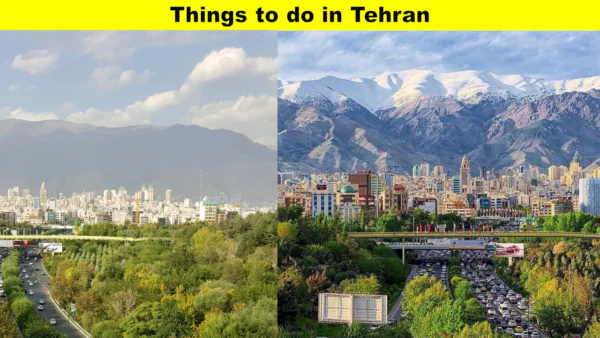
Things to do in Tehran based on NeemTime research from most popular to just popular.
Milad Tower, Tehran
Overview: Milad Tower is a 435-meter tall multifunctional tower in Tehran, serving as a landmark for observation, communication, and entertainment.
History: Constructed to combine telecommunication functionality with tourism and cultural activities.
Since When: Completed in 2007.
Review: Visitors praise its panoramic city views, revolving restaurant, and modern architecture.
When to Go: Late afternoon to sunset provides the best views of Tehran.
How to Go: Accessible by car or taxi, located in northwest Tehran.
What to Do: Visit observation decks, dine in the revolving restaurant, and explore exhibition halls.
Free or Paid: Entry is paid.
Azadi Tower, Tehran
Overview: Azadi Tower is an iconic monument in Tehran symbolizing freedom and the city’s modern architecture.
History: Built under the reign of Mohammad Reza Shah Pahlavi as a gateway to Tehran.
Since When: Completed in 1971.
Review: Visitors admire its striking design, historical significance, and photo opportunities.
When to Go: Early morning or late afternoon for optimal lighting and fewer crowds.
How to Go: Accessible via metro (Azadi Metro Station) or taxi.
What to Do: Walk around the plaza, take photographs, and visit the small museum inside.
Free or Paid: Entry to the tower plaza is free, museum access is paid.
Tabiat Bridge, Tehran
Overview: Tabiat Bridge is a modern pedestrian bridge in Tehran connecting two parks and offering scenic views of the city and mountains.
History: Built to enhance urban mobility and provide a recreational space for locals.
Since When: Opened in 2014.
Review: Visitors enjoy its innovative design, evening lighting, and relaxing walking paths.
When to Go: Late afternoon or evening for sunset and illuminated views.
How to Go: Accessible by car or bus, near Modares Expressway.
What to Do: Walk across the bridge, take photographs, and relax in connected parks.
Free or Paid: Entry is free.
Palladium Mall, Tehran
Overview: Palladium Mall is a high-end shopping and lifestyle center featuring luxury brands, restaurants, and entertainment options.
History: Developed to cater to Tehran’s growing appetite for upscale shopping and leisure activities.
Since When: Opened in 2013.
Review: Visitors enjoy its modern architecture, variety of shops, and comfortable shopping environment.
When to Go: Weekdays or afternoons for a relaxed shopping experience.
How to Go: Accessible by car or taxi, located in the northern district of Tehran.
What to Do: Shop for luxury goods, dine at restaurants, and enjoy cafes and entertainment.
Free or Paid: Entry is free; shopping and dining are paid.
Persepolis, Tehran
Overview: Persepolis is the ancient ceremonial capital of the Achaemenid Empire, featuring monumental ruins and intricate stone carvings.
History: Founded by Darius I in 518 BC as a symbol of imperial power.
Since When: Archaeological site has been studied and preserved since the early 20th century.
Review: Visitors are amazed by its historical significance, grand architecture, and well-preserved reliefs.
When to Go: Morning is best to avoid heat and crowds, especially in summer.
How to Go: Accessible by car or guided tour from Tehran, approximately 70 km away.
What to Do: Explore ruins, take photographs, and learn about Persian history and architecture.
Free or Paid: Entry is paid.
Golestan Palace, Tehran
Overview: Golestan Palace is a UNESCO World Heritage site in Tehran, renowned for its exquisite Persian architecture, gardens, and royal collections.
History: Originally built during the Safavid era, it was expanded under the Qajar dynasty as the royal residence and administrative center.
Since When: The current complex largely dates back to the 18th century.
Review: Visitors admire its intricate tile work, mirror halls, and beautifully landscaped gardens.
When to Go: Morning is ideal to explore the palace and gardens before peak crowds.
How to Go: Accessible by car, taxi, or metro (Panzdah-e Khordad Station).
What to Do: Tour the palaces, explore museums, and enjoy the gardens and architectural details.
Free or Paid: Entry is paid.
Tehran Book Garden, Tehran
Overview: Tehran Book Garden is a large cultural complex dedicated to books, reading, and literary events, featuring a library, bookstore, and exhibition spaces.
History: Designed to promote literacy and cultural engagement, it is one of the largest book centers in the Middle East.
Since When: Opened in 2010.
Review: Visitors appreciate its peaceful atmosphere, extensive book collection, and modern architecture.
When to Go: Weekdays or early mornings for a quiet visit.
How to Go: Accessible by car or taxi from central Tehran.
What to Do: Browse books, attend exhibitions, and participate in reading or cultural events.
Free or Paid: Entry is free, purchases are paid.
Iran Mall, Tehran
Overview: Iran Mall is one of the largest shopping and entertainment complexes in the world, featuring shops, cinemas, restaurants, and leisure spaces.
History: Developed to serve as a mega commercial and cultural hub in northern Tehran.
Since When: Opened in 2018.
Review: Visitors are impressed by its scale, modern design, and variety of retail and entertainment options.
When to Go: Weekdays or afternoons for a more relaxed shopping experience.
How to Go: Accessible by car or taxi, located in northwest Tehran.
What to Do: Shop, dine, enjoy entertainment facilities, and explore cultural exhibitions.
Free or Paid: Entry is free; shopping, dining, and entertainment are paid.
Eram Park, Tehran
Overview: Eram Park is a popular urban park in Tehran offering walking paths, gardens, and recreational spaces for families and visitors.
History: Established to provide a green oasis in the city for leisure and outdoor activities.
Since When: Opened in the mid-20th century.
Review: Visitors enjoy the greenery, peaceful walking trails, and open spaces for picnics and sports.
When to Go: Morning or late afternoon for pleasant weather and fewer crowds.
How to Go: Accessible by car, taxi, or bus from central Tehran.
What to Do: Walk, jog, picnic, and enjoy outdoor recreational activities.
Free or Paid: Entry is free.
Sa’dabad Cultural and Historical Complex, Tehran
Overview: Sa’dabad Complex is a vast cultural and historical site in northern Tehran featuring royal palaces, museums, and landscaped gardens.
History: Originally a Qajar and Pahlavi royal residence, it now showcases Iranian history, art, and architecture.
Since When: Open to the public as a museum complex since 1979.
Review: Visitors appreciate the grandeur, varied museums, and scenic gardens.
When to Go: Morning or early afternoon is best to explore multiple palaces and gardens.
How to Go: Accessible by car or taxi, located in northern Tehran.
What to Do: Tour palaces, visit museums, and stroll through gardens.
Free or Paid: Entry is paid.
Mellat Park, Tehran
Overview: Mellat Park is one of Tehran’s largest urban parks, featuring gardens, walking paths, lakes, and recreational facilities.
History: Established to provide a green urban space for relaxation and outdoor activities in the heart of the city.
Since When: Opened in 1967.
Review: Visitors enjoy its scenic landscaping, jogging paths, and family-friendly environment.
When to Go: Morning or late afternoon for cooler temperatures and fewer crowds.
How to Go: Accessible by car, taxi, or metro (Shahrak-e Gharb Station).
What to Do: Walk, jog, picnic, rent paddle boats, and enjoy playgrounds and cafes.
Free or Paid: Entry is free.
Ab-o Atash Park, Tehran
Overview: Ab-o Atash Park is a modern urban park in northern Tehran, known for its fountains, playgrounds, and open spaces.
History: Developed as a public recreational area to enhance green spaces in Tehran.
Since When: Opened in the 2000s.
Review: Visitors praise its clean environment, relaxing ambiance, and family-friendly facilities.
When to Go: Late afternoon or early evening for cooler temperatures and illuminated fountains.
How to Go: Accessible by car, taxi, or bus from central Tehran.
What to Do: Walk, enjoy fountains, relax, and use playgrounds or sports areas.
Free or Paid: Entry is free.
Fin Garden, Tehran
Overview: Fin Garden is a Persian-style garden featuring water channels, historic architecture, and lush landscaping.
History: Modeled after traditional Persian gardens to demonstrate the harmony between nature and architecture.
Since When: Dates back to the Safavid era, though restored and maintained in modern times.
Review: Visitors admire the serene environment, water features, and historic design.
When to Go: Morning or late afternoon for a peaceful experience.
How to Go: Accessible by car or taxi from Tehran, located in the southern part of the city.
What to Do: Stroll through the garden, photograph water features, and explore historic buildings.
Free or Paid: Entry is paid.
Jamshidieh Park, Tehran
Overview: Jamshidieh Park is a scenic hillside park in Tehran offering walking paths, picnic areas, and mountain views.
History: Developed to provide a natural escape within the city, incorporating local topography and greenery.
Since When: Established in the late 20th century.
Review: Visitors enjoy its peaceful atmosphere, hiking trails, and panoramic views of Tehran.
When to Go: Morning or late afternoon for cool weather and beautiful lighting.
How to Go: Accessible by car or taxi, located in the foothills of the Alborz Mountains.
What to Do: Walk, hike, picnic, and take photographs of the city and mountains.
Free or Paid: Entry is free.
Chehel Sotoon Palace, Tehran
Overview: Chehel Sotoon Palace is a Persian-style palace featuring 40 columns, intricate frescoes, and landscaped gardens.
History: Built to serve as a royal pavilion and reception hall, reflecting Safavid architectural brilliance.
Since When: Completed in the 17th century during the Safavid dynasty.
Review: Visitors are impressed by the artistic frescoes, reflections in the water, and historic ambiance.
When to Go: Morning is best to avoid crowds and fully appreciate the architecture.
How to Go: Accessible by car or guided tour from Tehran.
What to Do: Explore the palace, admire frescoes, stroll in the gardens, and take photographs.
Free or Paid: Entry is paid.
Opark, Tehran
Overview: Opark is a modern urban park in Tehran offering green spaces, recreational areas, and family-friendly facilities.
History: Developed to provide city residents with a peaceful area for leisure and outdoor activities.
Since When: Opened in the early 2000s.
Review: Visitors enjoy its clean environment, walking paths, and children’s play areas.
When to Go: Morning or late afternoon for cooler temperatures and quieter surroundings.
How to Go: Accessible by car, taxi, or bus from central Tehran.
What to Do: Walk, jog, picnic, and use playgrounds or recreational spaces.
Free or Paid: Entry is free.
Niavaran Palace Complex, Tehran
Overview: Niavaran Palace Complex is a historical royal residence featuring luxurious palaces, museums, and landscaped gardens.
History: Built during the Qajar and Pahlavi eras as a summer residence and official royal compound.
Since When: Constructed in the early 20th century, with public access since the late 20th century.
Review: Visitors praise its elegant architecture, royal artifacts, and beautiful gardens.
When to Go: Morning or early afternoon to fully explore multiple palaces and museums.
How to Go: Accessible by car, taxi, or bus, located in northern Tehran.
What to Do: Tour palaces, visit museums, stroll gardens, and photograph architecture.
Free or Paid: Entry is paid.
Imamzadeh Saleh, Tehran
Overview: Imamzadeh Saleh is a revered Shia shrine in northern Tehran, known for its stunning architecture and spiritual significance.
History: Built to honor the descendants of Imam Musa al-Kadhim, serving as a religious pilgrimage site.
Since When: Dates back several centuries, with modern expansions in recent decades.
Review: Visitors are impressed by its intricate tilework, peaceful atmosphere, and cultural significance.
When to Go: Morning or late afternoon for quieter visitation and photography.
How to Go: Accessible by car, taxi, or metro (Shahrak-e Gharb Station).
What to Do: Explore the shrine, admire architecture, and participate in religious practices.
Free or Paid: Entry is free.
Laleh Park, Tehran
Overview: Laleh Park is a central urban park in Tehran, featuring gardens, walking paths, fountains, and cultural monuments.
History: Developed as a public recreational and cultural space in the heart of Tehran.
Since When: Opened in 1967.
Review: Visitors enjoy its central location, well-maintained greenery, and relaxing atmosphere.
When to Go: Morning or late afternoon to avoid peak crowds.
How to Go: Accessible by metro (Meydan-e Vali Asr Station), car, or bus.
What to Do: Walk, picnic, relax, and view sculptures and fountains.
Free or Paid: Entry is free.
Eram Zoo Park, Tehran
Overview: Eram Zoo Park is a family-friendly zoological park in Tehran featuring a variety of animals and educational exhibits.
History: Established to promote wildlife conservation and public education about animals.
Since When: Opened in the late 20th century.
Review: Visitors enjoy close animal encounters, educational programs, and well-kept facilities.
When to Go: Morning is ideal to see animals active and avoid afternoon crowds.
How to Go: Accessible by car or taxi, located in Tehran’s northern district.
What to Do: View animals, attend educational talks, and explore walking paths.
Free or Paid: Entry is paid.
National Botanical Garden of Iran, Tehran
Overview: The National Botanical Garden of Iran is a sprawling garden in Tehran featuring diverse plant species, themed sections, and research facilities.
History: Established to conserve plant biodiversity and serve as a research and educational center.
Since When: Opened in 1999.
Review: Visitors appreciate the serene environment, variety of flora, and informative displays.
When to Go: Morning or late afternoon is best for cooler temperatures and quiet exploration.
How to Go: Accessible by car or taxi from northern Tehran.
What to Do: Stroll through gardens, learn about plant species, and photograph landscapes.
Free or Paid: Entry is paid.
Vali Asr Square, Tehran
Overview: Vali Asr Square is a central urban square in Tehran, known for its bustling activity, shopping, and cultural landmarks.
History: Developed as part of Tehran’s modernization to serve as a central hub for transport and commerce.
Since When: Established in the mid-20th century.
Review: Visitors enjoy the lively atmosphere, accessibility, and proximity to shops and cafes.
When to Go: Morning or late afternoon for shopping or people-watching.
How to Go: Accessible by metro (Vali Asr Station), car, or bus.
What to Do: Walk around, shop, photograph urban life, and enjoy nearby cafes.
Free or Paid: Entry is free.
Qeytarieh Park, Tehran
Overview: Qeytarieh Park is a large green space in northern Tehran, offering walking paths, playgrounds, and recreational areas.
History: Developed to provide city residents with an accessible urban park for leisure.
Since When: Opened in the late 20th century.
Review: Visitors praise its tree-lined paths, peaceful atmosphere, and family-friendly facilities.
When to Go: Morning or late afternoon for cooler temperatures and fewer crowds.
How to Go: Accessible by car or taxi, located in northern Tehran.
What to Do: Walk, jog, picnic, and enjoy playgrounds and green spaces.
Free or Paid: Entry is free.
Saei Park, Tehran
Overview: Saei Park is a scenic urban park in central Tehran, featuring gardens, fountains, and walking trails.
History: Built to enhance urban green space and offer a recreational area for city residents.
Since When: Opened in 1968.
Review: Visitors enjoy the relaxing atmosphere, well-kept gardens, and convenient location.
When to Go: Early morning or late afternoon for a calm and pleasant visit.
How to Go: Accessible by car, taxi, or metro (Meydan-e Vali Asr Station).
What to Do: Stroll, picnic, photograph fountains, and relax in green spaces.
Free or Paid: Entry is free.
Chitgar Forest Park, Tehran
Overview: Chitgar Forest Park is a vast urban forest in western Tehran, offering hiking trails, cycling paths, and recreational areas.
History: Developed to combat urban pollution and provide Tehran residents with a large natural space.
Since When: Established in the early 2000s.
Review: Visitors appreciate its fresh air, outdoor activities, and scenic trails.
When to Go: Morning or weekend mornings are ideal for hiking, cycling, and picnics.
How to Go: Accessible by car or taxi, located near Chitgar Lake in western Tehran.
What to Do: Hike, cycle, picnic, birdwatch, and enjoy outdoor sports.
Free or Paid: Entry is free.
National Museum of Iran, Tehran
Overview: The National Museum of Iran is the country’s premier archaeological and historical museum, showcasing artifacts from prehistoric to Islamic periods.
History: Established to preserve and exhibit Iran’s rich cultural heritage and ancient civilizations.
Since When: Opened in 1937.
Review: Visitors are impressed by its extensive collections, informative displays, and architectural design.
When to Go: Morning or early afternoon to explore the museum comfortably before crowds.
How to Go: Accessible by car, taxi, or metro (Mellat Metro Station).
What to Do: Explore ancient artifacts, study Persian history, and take photographs.
Free or Paid: Entry is paid.
Tehran Jurassic Park, Tehran
Overview: Tehran Jurassic Park is a themed amusement park featuring life-sized dinosaur models, educational exhibits, and interactive activities for families.
History: Developed to combine entertainment with education about prehistoric life.
Since When: Opened in 2017.
Review: Visitors enjoy its realistic dinosaur models, family-friendly attractions, and photo opportunities.
When to Go: Weekdays or morning hours for a quieter experience.
How to Go: Accessible by car or taxi, located in northern Tehran.
What to Do: Walk through exhibits, take photographs, and participate in educational activities.
Free or Paid: Entry is paid.
Ferdows Garden, Tehran
Overview: Ferdows Garden is a historic Persian garden and cultural complex featuring beautiful landscaping, fountains, and museum spaces.
History: Originally a Qajar-era palace garden, it was converted into a cultural and exhibition center.
Since When: Dates back to the 19th century, with public access since the mid-20th century.
Review: Visitors admire the gardens, architecture, and peaceful ambiance.
When to Go: Morning or late afternoon for optimal lighting and tranquility.
How to Go: Accessible by car or taxi from central Tehran.
What to Do: Stroll the gardens, visit museums, and enjoy photography.
Free or Paid: Entry is paid.
Aali Qapu Palace, Tehran
Overview: Aali Qapu Palace is a historic Persian palace featuring grand architecture, ornate decorations, and ceremonial halls.
History: Built as the main royal palace during the Safavid dynasty for royal audiences and ceremonies.
Since When: Constructed in the 17th century.
Review: Visitors are impressed by its architectural grandeur, historical significance, and detailed frescoes.
When to Go: Morning or early afternoon for cooler temperatures and clear views.
How to Go: Accessible by car or guided tour from Tehran.
What to Do: Explore the palace, admire artwork, and photograph architectural details.
Free or Paid: Entry is paid.
Goftogu Park, Tehran
Overview: Goftogu Park is a community-oriented urban park in Tehran offering green spaces, walking trails, and recreational facilities.
History: Developed to provide local residents with a peaceful outdoor space for leisure and exercise.
Since When: Opened in the early 2000s.
Review: Visitors enjoy the park’s tranquility, well-maintained paths, and friendly atmosphere.
When to Go: Morning or late afternoon for pleasant weather and fewer visitors.
How to Go: Accessible by car, taxi, or bus from central Tehran.
What to Do: Walk, jog, picnic, and relax in green spaces.
Free or Paid: Entry is free.