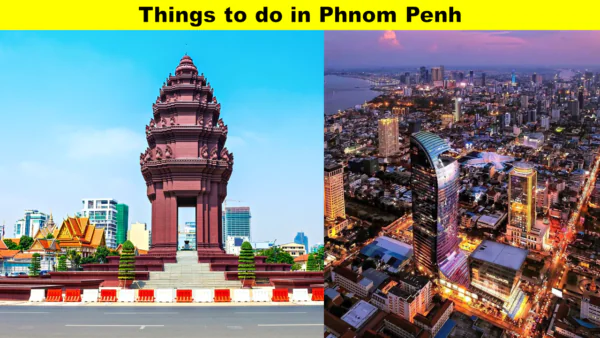
Things to do in Phnom Penh based on NeemTime research from most popular to just popular.
Ta Prohm Temple, Phnom Penh
Overview: Ta Prohm Temple is a striking ancient Buddhist temple famous for the massive tree roots intertwining with its stone structures, creating a unique and atmospheric site.
History: Built in the late 12th century by King Jayavarman VII, it was originally a monastery and university complex.
Since When: It has stood since around 1186 AD, largely preserved in its jungle-covered state.
Review: Visitors are captivated by the photogenic ruins and mystical blend of nature and architecture.
When to Go: Early morning or late afternoon to avoid crowds and enjoy cooler temperatures.
How to Go: Accessible via guided tours from Phnom Penh or Siem Reap, typically with car or bus transport.
What to Do: Walk among the ruins, photograph the iconic trees, and learn about Khmer history.
Free or Paid: Paid entry.
Tuol Sleng Genocide Museum, Phnom Penh
Overview: Tuol Sleng Genocide Museum is a former high school turned prison and torture center under the Khmer Rouge, now preserved as a museum documenting atrocities.
History: Originally a school, it was converted into Security Prison 21 (S-21) in 1975 during the Khmer Rouge regime.
Since When: Opened as a museum in 1980 to memorialize victims.
Review: Visitors find it deeply moving, sobering, and essential for understanding Cambodia’s tragic history.
When to Go: Morning hours for quieter reflection and guided tours.
How to Go: Reachable by tuk-tuk, taxi, or private tour from central Phnom Penh.
What to Do: Explore exhibits, view prisoner records, and learn about the Khmer Rouge era.
Free or Paid: Paid entry.
Royal Palace of Cambodia, Phnom Penh
Overview: The Royal Palace of Cambodia is a stunning complex of royal residences, ceremonial halls, and gardens, showcasing Khmer architecture and regal heritage.
History: Constructed in the 1860s under King Norodom as the royal residence in Phnom Penh.
Since When: Serving as the royal residence since 1866.
Review: Visitors admire the ornate architecture, golden stupas, and manicured gardens.
When to Go: Morning or early afternoon to avoid crowds and enjoy the full grounds.
How to Go: Located in central Phnom Penh, reachable by tuk-tuk, taxi, or bus.
What to Do: Tour the Throne Hall, Silver Pagoda, gardens, and photograph the architecture.
Free or Paid: Paid entry.
Choeung Ek Genocidal Center, Phnom Penh
Overview: Choeung Ek is a memorial site and former Khmer Rouge killing field honoring victims of the genocide, featuring mass graves and a memorial stupa.
History: This site was used for mass executions from 1975 to 1979 during the Khmer Rouge regime.
Since When: Established as a memorial in the late 1980s.
Review: Visitors describe it as a solemn and moving experience that provides deep historical insight.
When to Go: Early morning to avoid crowds and for a reflective visit.
How to Go: Accessible by tuk-tuk, taxi, or guided tour from Phnom Penh city center.
What to Do: Walk the memorial grounds, visit the stupa with human skulls, and reflect on history.
Free or Paid: Paid entry.
ÆON Mall Phnom Penh, Phnom Penh
Overview: ÆON Mall Phnom Penh is a modern shopping and entertainment complex offering international brands, dining, and leisure activities.
History: Developed by the Japanese retail company ÆON to provide a comprehensive retail and leisure hub.
Since When: Opened in 2014.
Review: Visitors enjoy its clean, spacious layout, variety of shops, and entertainment options.
When to Go: Weekdays or early mornings to avoid crowds.
How to Go: Accessible by taxi, tuk-tuk, or private transport from central Phnom Penh.
What to Do: Shop, dine, watch movies, and enjoy family-friendly entertainment.
Free or Paid: Free entry; shopping and activities are paid.
Orussey Market, Phnom Penh
Overview: Orussey Market is a bustling local market in Phnom Penh offering fresh produce, clothing, electronics, and household goods in a vibrant setting.
History: Originally built as a traditional market, it has evolved into a major commercial hub serving both locals and tourists.
Since When: Operating since the mid-20th century and rebuilt after renovations following flood damage.
Review: Visitors enjoy the authentic local atmosphere, variety of goods, and affordable shopping experience.
When to Go: Morning hours are best for fresh produce and avoiding midday crowds.
How to Go: Accessible by tuk-tuk, taxi, or motorbike from central Phnom Penh.
What to Do: Shop for fresh food, souvenirs, clothing, and experience the local culture.
Free or Paid: Free to enter; purchases are paid.
Phnom Penh Night Market, Phnom Penh
Overview: Phnom Penh Night Market is a lively evening market offering street food, souvenirs, clothing, and handicrafts along the riverfront.
History: Established to create a safe, family-friendly night market and boost tourism in the city.
Since When: Operating since 2011.
Review: Visitors enjoy the festive atmosphere, variety of food stalls, and local crafts.
When to Go: Evenings, typically from 5 PM to 11 PM, for the full experience.
How to Go: Located near Sisowath Quay, reachable by tuk-tuk or taxi.
What to Do: Sample street food, buy souvenirs, and enjoy live entertainment.
Free or Paid: Free entry; purchases are paid.
AEON Mall Sen Sok City, Phnom Penh
Overview: AEON Mall Sen Sok City is a modern shopping center with international brands, dining, cinema, and family entertainment options.
History: Developed by the Japanese AEON Group to provide a comprehensive shopping experience in Phnom Penh.
Since When: Opened in 2014.
Review: Visitors appreciate the clean environment, variety of shops, and entertainment facilities.
When to Go: Weekdays or mornings to avoid weekend crowds.
How to Go: Accessible via taxi, tuk-tuk, or private car from central Phnom Penh.
What to Do: Shop, dine, watch movies, and enjoy indoor family entertainment.
Free or Paid: Free entry; shopping and entertainment are paid.
Wat Phnom Daun Penh, Phnom Penh
Overview: Wat Phnom is a historic Buddhist temple situated on a hill, offering cultural, religious, and scenic significance in Phnom Penh.
History: Built in 1373 by Lady Daun Penh to house sacred Buddha statues, becoming a symbol of the city.
Since When: Standing since 1373 with multiple restorations over the centuries.
Review: Visitors praise its peaceful atmosphere, beautiful architecture, and panoramic city views.
When to Go: Morning or late afternoon for a quieter visit and cooler temperatures.
How to Go: Located in central Phnom Penh, accessible by tuk-tuk or taxi.
What to Do: Explore the temple, climb the hill, enjoy the gardens, and observe local rituals.
Free or Paid: Free entry; donations appreciated.
Royal Palace, Phnom Penh
Overview: The Royal Palace is an iconic complex of royal residences, ceremonial halls, and gardens showcasing Khmer architecture and heritage.
History: Built in 1866 by King Norodom as the official residence of the Cambodian monarch.
Since When: Serving as the royal residence and ceremonial site since 1866.
Review: Visitors admire the elaborate architecture, golden stupas, and beautifully maintained gardens.
When to Go: Morning hours for fewer crowds and optimal lighting for photography.
How to Go: Centrally located in Phnom Penh, reachable by tuk-tuk, taxi, or walking from the riverside.
What to Do: Tour the Throne Hall, Silver Pagoda, and gardens, and learn about Cambodian royal history.
Free or Paid: Paid entry.
Toul Tompong Market (Russian Market), Phnom Penh
Overview: Toul Tompong Market, also known as Russian Market, is a bustling bazaar famous for antiques, handicrafts, clothing, and souvenirs.
History: It earned the nickname “Russian Market” during the 1980s when Russian expatriates frequented the area, evolving into a major tourist and local shopping hub.
Since When: Established in the early 20th century and became widely popular among tourists since the 1980s.
Review: Visitors love the vibrant atmosphere, variety of goods, and affordable shopping opportunities.
When to Go: Morning or early afternoon to avoid peak crowds and enjoy cooler conditions.
How to Go: Accessible via tuk-tuk, taxi, or motorbike from central Phnom Penh.
What to Do: Browse for handicrafts, souvenirs, clothing, and sample local street food.
Free or Paid: Free entry; purchases are paid.
National Museum of Cambodia, Phnom Penh
Overview: The National Museum of Cambodia houses an extensive collection of Khmer art, sculptures, and artifacts, showcasing the country’s rich cultural heritage.
History: Constructed in the 1910s under French colonial administration to preserve and display Cambodia’s archaeological and artistic treasures.
Since When: Opened to the public in 1920.
Review: Visitors praise its comprehensive collection, informative displays, and beautiful red sandstone architecture.
When to Go: Morning hours to avoid crowds and enjoy a peaceful tour.
How to Go: Located near the Royal Palace, reachable by tuk-tuk, taxi, or walking from central Phnom Penh.
What to Do: Explore galleries of sculptures, ceramics, and ethnographic artifacts.
Free or Paid: Paid entry.
Central Market, Phnom Penh
Overview: Central Market (Phsar Thmei) is a landmark Art Deco market featuring jewelry, electronics, clothes, and local produce under a distinctive dome structure.
History: Built in 1937 during French colonial rule as a centralized hub for trade and commerce.
Since When: Operating since 1937.
Review: Visitors enjoy its iconic architecture, bustling atmosphere, and variety of shopping options.
When to Go: Morning or early afternoon for the best selection and fewer crowds.
How to Go: Accessible via tuk-tuk, taxi, or motorbike from central Phnom Penh.
What to Do: Shop for souvenirs, jewelry, electronics, and local goods while admiring the architecture.
Free or Paid: Free entry; purchases are paid.
Olympic Market, Phnom Penh
Overview: Olympic Market is a local market known for fresh produce, clothing, accessories, and household items, serving both residents and tourists.
History: Developed as a community market to provide everyday goods to Phnom Penh’s expanding neighborhoods.
Since When: Established in the late 20th century.
Review: Visitors enjoy the authentic local experience, affordability, and lively atmosphere.
When to Go: Early morning for fresh produce and fewer crowds.
How to Go: Reachable by tuk-tuk or taxi from central Phnom Penh.
What to Do: Shop for fresh food, clothes, and daily essentials while experiencing local life.
Free or Paid: Free entry; purchases are paid.
Royal Palace Park, Phnom Penh
Overview: Royal Palace Park is the beautifully landscaped gardens surrounding the Royal Palace, offering a serene retreat in the heart of the city.
History: The gardens were designed alongside the Royal Palace in 1866 to complement the royal complex and provide public leisure spaces.
Since When: Established in 1866.
Review: Visitors appreciate the peaceful environment, manicured lawns, and scenic views of the palace and Silver Pagoda.
When to Go: Morning or late afternoon for cooler temperatures and fewer visitors.
How to Go: Located in central Phnom Penh, accessible by tuk-tuk, taxi, or on foot from Sisowath Quay.
What to Do: Stroll through the gardens, take photos, and enjoy the view of the Royal Palace.
Free or Paid: Free entry.
Independence Monument, Phnom Penh
Overview: The Independence Monument is a striking Khmer-style monument commemorating Cambodia’s independence from France in 1953.
History: Designed by Vann Molyvann, it symbolizes national pride and is a central site for ceremonial events.
Since When: Constructed in 1958.
Review: Visitors admire its elegant architecture and significance as a national landmark.
When to Go: Early morning or late afternoon for photography and cooler temperatures.
How to Go: Located in central Phnom Penh, accessible via tuk-tuk, taxi, or walking.
What to Do: View the monument, take photos, and enjoy the surrounding traffic circle gardens.
Free or Paid: Free entry.
Wat Botum Park, Phnom Penh
Overview: Wat Botum Park is a peaceful green space surrounding the Wat Botum temple, popular for relaxation, jogging, and social gatherings.
History: Developed to complement the nearby Wat Botum temple and provide urban greenery for the city.
Since When: Established in the mid-20th century.
Review: Visitors enjoy its calm atmosphere, tree-lined paths, and central location.
When to Go: Morning or late afternoon for exercise or leisure walks.
How to Go: Easily reachable by tuk-tuk or taxi from central Phnom Penh.
What to Do: Walk, jog, relax, or observe local cultural activities.
Free or Paid: Free entry.
National Museum, Phnom Penh
Overview: The National Museum of Cambodia houses a vast collection of Khmer art, sculptures, and artifacts, highlighting the country’s rich cultural history.
History: Constructed under French colonial administration to preserve and display Cambodia’s archaeological treasures.
Since When: Opened to the public in 1920.
Review: Visitors praise its well-curated exhibits, historical insights, and beautiful architecture.
When to Go: Morning hours for fewer crowds and a more peaceful visit.
How to Go: Centrally located near the Royal Palace, accessible by tuk-tuk, taxi, or walking.
What to Do: Explore galleries of sculptures, ceramics, and ethnographic collections.
Free or Paid: Paid entry.
Phnom Bakheng Temple, Phnom Penh
Overview: Phnom Bakheng is an ancient Hindu and Buddhist temple atop a hill, offering panoramic views of Phnom Penh and Angkorian architecture.
History: Built at the end of the 9th century during the reign of King Yasovarman I as the state temple of Angkor.
Since When: Constructed around 889–910 AD.
Review: Visitors admire the sunset views, historical architecture, and spiritual atmosphere.
When to Go: Late afternoon to catch the sunset and avoid midday heat.
How to Go: Reachable via taxi, tuk-tuk, or guided tour from central Phnom Penh.
What to Do: Climb the hill, photograph panoramic views, and explore the temple ruins.
Free or Paid: Paid entry.
Mad Monkey Phnom Penh, Phnom Penh
Overview: Mad Monkey Phnom Penh is a lively hostel and social hub known for affordable accommodation, nightlife, and travel activities for backpackers.
History: Part of the Mad Monkey Hostel chain catering to budget travelers in Southeast Asia.
Since When: Opened in the mid-2010s.
Review: Guests enjoy the social environment, events, and convenient location near the city center.
When to Go: Anytime for accommodation, but evenings for social events and parties.
How to Go: Located centrally, accessible by tuk-tuk, taxi, or walking.
What to Do: Stay overnight, socialize with travelers, join organized tours, and enjoy the bar and entertainment.
Free or Paid: Paid for accommodation and services; entry to the bar is generally free.
Wat Phnom, Phnom Penh
Overview: Wat Phnom is a historic Buddhist temple situated on a small hill, serving as a spiritual and cultural landmark in Phnom Penh.
History: Built in 1372 to house sacred Buddhist relics, it marks the legendary founding site of Phnom Penh.
Since When: Constructed in 1372.
Review: Visitors appreciate its serene atmosphere, cultural significance, and panoramic city views.
When to Go: Morning hours to avoid crowds and enjoy cooler weather.
How to Go: Accessible by tuk-tuk, taxi, or motorbike from central Phnom Penh.
What to Do: Explore the temple grounds, learn about its history, and take photos from the hilltop.
Free or Paid: Free entry; donations are appreciated.
Sisowath Riverside Park, Phnom Penh
Overview: Sisowath Riverside Park is a scenic public promenade along the Tonle Sap River, popular for walking, jogging, and social gatherings.
History: Developed as part of Phnom Penh’s urban revitalization to provide leisure space along the riverfront.
Since When: Established in the late 20th century.
Review: Visitors enjoy its lively atmosphere, river views, and proximity to nearby markets and restaurants.
When to Go: Evening for sunset views and a vibrant local scene.
How to Go: Centrally located, accessible by tuk-tuk, taxi, or walking from nearby landmarks.
What to Do: Walk along the river, relax, take photos, and enjoy street food and local entertainment.
Free or Paid: Free entry.
Silver Pagoda, Phnom Penh
Overview: The Silver Pagoda is a stunning temple within the Royal Palace complex, renowned for its floor of silver tiles and exquisite Buddha statues.
History: Built in 1892 under King Sisowath to house sacred Buddhist relics and royal artifacts.
Since When: Opened in 1892.
Review: Visitors are impressed by its intricate architecture, religious significance, and glittering silver floor.
When to Go: Morning or early afternoon to avoid crowds.
How to Go: Located inside the Royal Palace complex, accessible via tuk-tuk or taxi.
What to Do: Admire the silver floor, view Buddha statues, and learn about Cambodian royal and religious traditions.
Free or Paid: Paid entry.
Russian Market, Phnom Penh
Overview: The Russian Market, or Toul Tompong Market, is a bustling bazaar known for handicrafts, souvenirs, clothing, and antiques.
History: Nicknamed during the 1980s when Russian expatriates frequently shopped here, it became a key tourist and local market.
Since When: Gained popularity in the 1980s.
Review: Visitors enjoy its lively atmosphere, wide variety of affordable goods, and cultural experience.
When to Go: Morning or early afternoon for cooler temperatures and better shopping options.
How to Go: Accessible by tuk-tuk, taxi, or motorbike from central Phnom Penh.
What to Do: Shop for souvenirs, textiles, and antiques, and sample street food.
Free or Paid: Free entry; purchases are paid.
The Old Market, Phnom Penh
Overview: The Old Market (Phsar Chas) is a historic indoor market offering fresh produce, local goods, and artisanal crafts in a vibrant setting.
History: Established during French colonial times as a central trading hub for locals and visitors.
Since When: Built in the early 20th century.
Review: Visitors enjoy the authentic local shopping experience, variety of goods, and colonial-style architecture.
When to Go: Morning for fresh produce and fewer crowds.
How to Go: Located in central Phnom Penh, reachable by tuk-tuk or taxi.
What to Do: Browse fresh food, crafts, souvenirs, and local snacks.
Free or Paid: Free entry; purchases are paid.
PH Euro Park, Phnom Penh
Overview: PH Euro Park is a family-friendly amusement park offering rides, games, and entertainment for all ages in Phnom Penh.
History: Developed in the 21st century to provide a modern recreational space for locals and tourists.
Since When: Opened in the 2010s.
Review: Visitors enjoy its variety of attractions, clean facilities, and fun atmosphere for children and adults.
When to Go: Afternoons and weekends for full access to rides and entertainment.
How to Go: Accessible via tuk-tuk, taxi, or private transport from central Phnom Penh.
What to Do: Ride attractions, play games, and enjoy family-friendly entertainment.
Free or Paid: Paid entry for rides and activities.
Statue of His Majesty Preah Bat Samdech Preah Norodom Sihanouk, Phnom Penh
Overview: This prominent statue honors the late King Norodom Sihanouk and is a symbol of Cambodia’s modern monarchy.
History: Erected to commemorate the leadership and legacy of King Norodom Sihanouk.
Since When: Unveiled in the early 21st century.
Review: Visitors appreciate the statue’s grandeur and the surrounding landscaped area.
When to Go: Morning or late afternoon for photos and quieter surroundings.
How to Go: Reachable via tuk-tuk, taxi, or motorbike from Phnom Penh city center.
What to Do: View the statue, take photographs, and learn about the King’s historical significance.
Free or Paid: Free entry.
Phnom Penh Safari, Phnom Penh
Overview: Phnom Penh Safari is a wildlife park and zoo offering an interactive experience with exotic animals and educational exhibits.
History: Created to provide conservation education and recreational activities in Phnom Penh.
Since When: Opened in the late 2010s.
Review: Visitors enjoy seeing diverse animals, family-friendly activities, and interactive experiences.
When to Go: Morning or early afternoon for animal feeding times and cooler weather.
How to Go: Accessible via taxi, tuk-tuk, or private vehicle from central Phnom Penh.
What to Do: Observe animals, participate in feeding sessions, and explore educational exhibits.
Free or Paid: Paid entry.
Samatha Spa, Phnom Penh
Overview: Samatha Spa is a luxury wellness center offering massages, facials, and traditional Khmer treatments.
History: Established to provide professional wellness services to locals and tourists seeking relaxation.
Since When: Operating since the 2010s.
Review: Visitors praise its serene ambiance, skilled therapists, and quality treatments.
When to Go: Late morning to evening for relaxing sessions.
How to Go: Accessible via tuk-tuk, taxi, or private transport from Phnom Penh city center.
What to Do: Enjoy massages, wellness treatments, and relaxation therapies.
Free or Paid: Paid services.
Bat Cave Phnom Sampov, Phnom Penh
Overview: Bat Cave Phnom Sampov is a natural cave on a hill featuring a colony of bats and panoramic views of the surrounding countryside.
History: The site has historical significance as a refuge during conflicts and a natural habitat for bats.
Since When: Recognized as a tourist site in the late 20th century.
Review: Visitors enjoy the bat emergence at dusk and scenic views from the hilltop.
When to Go: Late afternoon to evening to witness the bats leaving the cave.
How to Go: Accessible by tuk-tuk, motorbike, or guided tour from Phnom Penh.
What to Do: Hike to the cave, observe bats, enjoy scenic views, and take photos.
Free or Paid: Free entry; guided tours may have a fee.