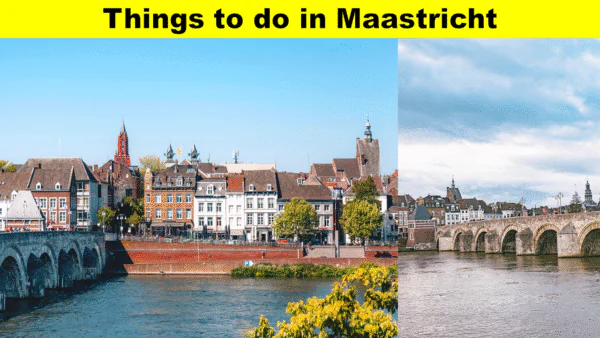
Things to do in Maastricht based on NeemTime research from most popular to just popular.
Book Store Dominicanen, Maastricht
Overview: Book Store Dominicanen is a stunning bookstore housed in a 13th-century Gothic church, blending literature with historic architecture.
History: The church was transformed into a bookstore in 2006, preserving its original Gothic features while incorporating modern shelving.
Since when: Operating as a bookstore since 2006.
Review: Visitors rave about the unique ambiance, combining reading with awe-inspiring architecture.
When to go: Weekdays for a quieter experience or weekends for the full lively atmosphere.
How to go: Accessible by walking from Maastricht city center or via local bus routes.
What to do: Browse books, enjoy photography, and marvel at the architecture.
Free or paid: Free entry; books are paid.
Mosae Forum, Maastricht
Overview: Mosae Forum is a modern shopping center in Maastricht offering retail, dining, and leisure facilities.
History: Developed to modernize the city’s shopping experience while integrating with the urban center.
Since when: Opened in 2004.
Review: Shoppers appreciate its wide variety of stores and central location, though it can get busy on weekends.
When to go: Weekdays or early mornings to avoid peak crowds.
How to go: Easily reachable on foot from Maastricht central station or by public transport.
What to do: Shop, dine, or attend events and exhibitions hosted at the mall.
Free or paid: Free entry; shopping and dining are paid.
Gemeentegrot, Maastricht
Overview: Gemeentegrot is a historic limestone cave in Maastricht known for its underground passages and stalactite formations.
History: The caves were originally mined for limestone and later opened to the public as a tourist attraction.
Since when: Tours have been available since the early 20th century.
Review: Visitors are fascinated by the underground chambers and guided tours, though it can feel humid and cool.
When to go: Spring and summer for organized tours and ideal visiting conditions.
How to go: Accessible by taxi or local bus from Maastricht city center.
What to do: Explore the cave network, learn about geology, and attend guided tours.
Free or paid: Paid entry.
Stadspark, Maastricht
Overview: Stadspark is a spacious urban park in Maastricht offering green spaces, walking paths, and recreational areas.
History: Developed as part of Maastricht’s urban planning to provide residents with public leisure spaces.
Since when: Established in the early 20th century.
Review: Visitors enjoy its tranquility, playgrounds, and scenic paths.
When to go: Early mornings or afternoons for the best experience.
How to go: Accessible by foot, bike, or local bus from the city center.
What to do: Walk, picnic, jog, or relax in nature.
Free or paid: Free entry.
Sint Servaasbrug, Maastricht
Overview: Sint Servaasbrug is a historic stone bridge spanning the River Maas, linking the old and new parts of Maastricht.
History: Constructed in the 13th century, it is one of the oldest bridges in the Netherlands.
Since when: Built in 1280.
Review: Visitors admire its medieval architecture and scenic river views.
When to go: Daytime for photography and sunset views.
How to go: Accessible by walking or cycling from Maastricht city center.
What to do: Walk across the bridge, take photos, and enjoy river views.
Free or paid: Free entry.
Brusselse Poort, Maastricht
Overview: Brusselse Poort is a historic city gate in Maastricht, showcasing medieval architecture and serving as a cultural landmark.
History: Built in the 13th century, it was part of Maastricht’s fortified city walls and defended against invasions.
Since when: Constructed around 1229.
Review: Visitors appreciate its historic charm and photogenic medieval structure, though it is a small site to explore.
When to go: Daytime for optimal visibility and photography.
How to go: Easily accessible on foot or by bike from Maastricht city center.
What to do: Walk around, photograph the architecture, and learn about its historical significance.
Free or paid: Free entry.
Basilica of Our Lady, Maastricht
Overview: Basilica of Our Lady is a Romanesque church famous for its impressive architecture and religious artworks.
History: Originally built in the 11th century, it has been expanded and renovated over centuries, preserving its historical and artistic heritage.
Since when: Established in the 11th century.
Review: Visitors are captivated by its intricate stonework, frescoes, and serene atmosphere.
When to go: Morning or afternoon to avoid large crowds during services.
How to go: Reachable on foot or by local bus from the city center.
What to do: Explore the church, admire the artwork, and attend religious services.
Free or paid: Free entry; donations accepted.
Maastricht Underground, Maastricht
Overview: Maastricht Underground is a network of caves and tunnels offering guided tours showcasing the city’s subterranean history.
History: These limestone tunnels were mined for centuries and later developed into a tourist attraction.
Since when: Open to public tours since the early 20th century.
Review: Visitors find the guided tours fascinating and educational, though the tunnels can be narrow and humid.
When to go: Spring and summer months for organized tours.
How to go: Accessible via guided tours starting from Maastricht city center.
What to do: Join guided tours, learn about mining history, and explore the underground passages.
Free or paid: Paid entry.
Sint Pieter Fort, Maastricht
Overview: Sint Pieter Fort is a historic fortress on a hill offering panoramic views of Maastricht and surrounding landscapes.
History: Built in the 18th century as part of Maastricht’s defensive network, it has served military and strategic purposes.
Since when: Constructed in the 1700s.
Review: Visitors enjoy the scenic views, historic architecture, and hiking trails.
When to go: Spring and summer for pleasant weather and clear views.
How to go: Accessible by foot or car from Maastricht city center.
What to do: Hike, take photos, and explore the fort’s historic structures.
Free or paid: Free entry.
Boekhandel Dominicanen, Maastricht
Overview: Boekhandel Dominicanen is a unique bookstore set in a 13th-century Gothic church, blending literature with historic architecture.
History: The church was transformed into a bookstore in 2006, preserving its original Gothic features while adding modern shelving.
Since when: Operating as a bookstore since 2006.
Review: Visitors are impressed by the ambiance, historic architecture, and extensive book collection.
When to go: Weekdays for a quieter experience or weekends for lively atmosphere.
How to go: Walking distance from Maastricht city center or via local bus routes.
What to do: Browse books, enjoy photography, and admire the architecture.
Free or paid: Free entry; books are paid.
Bonnefanten Museum, Maastricht
Overview: Bonnefanten Museum is Maastricht’s premier art museum, renowned for its collection of old masters and contemporary art.
History: Founded in 1884 and relocated to its iconic modern building by Aldo Rossi in 1995, it combines classical and modern aesthetics.
Since when: Operating in its current building since 1995.
Review: Visitors praise its impressive exhibitions, unique architecture, and inspiring art collection.
When to go: Weekdays for a quieter visit or during special exhibitions.
How to go: Accessible via public transport or a short walk from Maastricht city center.
What to do: Explore permanent and temporary exhibitions, attend workshops, and enjoy the museum café.
Free or paid: Paid entry.
Entre Deux, Maastricht
Overview: Entre Deux is a modern shopping center in Maastricht, offering a mix of retail, dining, and leisure options.
History: Developed to revitalize the city center and connect nearby streets, combining historic façades with modern retail spaces.
Since when: Opened in the early 21st century.
Review: Visitors enjoy the variety of shops, restaurants, and vibrant urban atmosphere.
When to go: During regular shopping hours on weekdays or weekends.
How to go: Easily reachable on foot from Maastricht city center or via public transport.
What to do: Shop, dine, and enjoy casual entertainment.
Free or paid: Free to enter; shopping and dining costs apply.
Vrijthof, Maastricht
Overview: Vrijthof is Maastricht’s most famous square, hosting historic buildings, cafés, and public events.
History: The square has been a central meeting place since medieval times and is surrounded by churches and historic structures.
Since when: Dates back to the 13th century.
Review: Visitors love its lively atmosphere, architecture, and seasonal events such as Christmas markets.
When to go: Year-round, with special visits during festivals and events.
How to go: Centrally located and easily accessible on foot from most of Maastricht.
What to do: Stroll, dine, attend events, and photograph historic landmarks.
Free or paid: Free entry.
Fun Valley Maastricht, Maastricht
Overview: Fun Valley is an indoor family entertainment center featuring arcade games, rides, and play areas.
History: Established to provide recreational activities for families and children in Maastricht.
Since when: Opened in the 21st century (exact year varies).
Review: Families enjoy the variety of activities and safe, entertaining environment.
When to go: Weekends and school holidays are popular for families.
How to go: Accessible by car or public transport from the city center.
What to do: Play games, enjoy rides, and participate in family-friendly activities.
Free or paid: Paid entry.
MergelRijk de mooiste grot van Valkenburg, Maastricht
Overview: MergelRijk is a famous limestone cave in Valkenburg, offering guided tours showcasing underground art and history.
History: The caves were mined for marlstone and later developed into a tourist attraction with sculptures and art exhibits.
Since when: Opened to the public in the late 20th century.
Review: Visitors are amazed by the intricate sculptures, unique underground environment, and guided storytelling.
When to go: Year-round, best during dry weather for added comfort.
How to go: Accessible by car or public transport from Maastricht to Valkenburg.
What to do: Take guided tours, explore sculptures, and learn about the cave’s history.
Free or paid: Paid entry.
Caves Zonneberg, Maastricht
Overview: Caves Zonneberg are historic limestone caves in Maastricht, famous for their marlstone formations and underground tours.
History: Originally excavated for building material, these caves also served as shelters and storage spaces during wartime.
Since when: Opened for public tours in the 20th century.
Review: Visitors enjoy the fascinating underground history and unique guided experiences.
When to go: Best during daytime hours, avoiding large tourist groups for a quieter visit.
How to go: Accessible by car or a short walk from Maastricht city center.
What to do: Take guided tours, explore the tunnels, and learn about historical uses.
Free or paid: Paid entry.
Stadion de Geusselt, Maastricht
Overview: Stadion de Geusselt is Maastricht’s main football stadium, home to MVV Maastricht and local sporting events.
History: Built to host professional football matches and community sporting events.
Since when: Opened in 1961.
Review: Visitors appreciate the vibrant atmosphere during matches and community events.
When to go: During football matches or scheduled events.
How to go: Reachable by car or public transport from Maastricht city center.
What to do: Watch football matches, attend events, and enjoy stadium tours if available.
Free or paid: Paid entry for matches and events.
Uitzichtpunt Sint Pietersberg, Maastricht
Overview: Uitzichtpunt Sint Pietersberg is a scenic viewpoint offering panoramic views over Maastricht and the surrounding Meuse valley.
History: The hill and surrounding area have historical significance due to ancient fortifications and mining activities.
Since when: Open to visitors since the 20th century.
Review: Visitors praise the breathtaking views, especially at sunset.
When to go: Late afternoon or sunset for optimal photography and views.
How to go: Accessible by car, bicycle, or hiking from Maastricht city center.
What to do: Hike, photograph the landscape, and enjoy the panoramic scenery.
Free or paid: Free entry.
Theater aan het Vrijthof, Maastricht
Overview: Theater aan het Vrijthof is a historic performing arts venue in the heart of Maastricht hosting music, theater, and cultural events.
History: Built in the 18th century and restored multiple times, it combines classical architecture with modern amenities.
Since when: Operational as a theater since 1774.
Review: Visitors commend its beautiful architecture, excellent acoustics, and diverse performances.
When to go: Check the theater schedule for shows and performances.
How to go: Located in Vrijthof square, easily reached on foot or by public transport.
What to do: Attend concerts, theater performances, and cultural events.
Free or paid: Paid entry for performances.
Château Neercanne, Maastricht
Overview: Château Neercanne is a historic castle and restaurant in Maastricht, featuring terraced gardens and panoramic views of the Meuse valley.
History: Built in the 17th century as a fortified castle, it later became renowned for its culinary offerings.
Since when: Open to visitors and diners since the 20th century.
Review: Visitors praise its historic charm, gourmet cuisine, and scenic gardens.
When to go: Ideal during spring and summer for garden views and outdoor dining.
How to go: Accessible by car or a scenic walk from Maastricht city center.
What to do: Dine at the restaurant, explore the gardens, and enjoy historical architecture.
Free or paid: Paid entry for dining; gardens may have free access.
The Green Elephant Hostel & Spa, Maastricht
Overview: The Green Elephant Hostel & Spa is an eco-friendly accommodation in Maastricht offering modern facilities, wellness amenities, and social spaces for travelers.
History: Established to provide sustainable lodging and spa experiences for tourists and backpackers in the city.
Since when: Operating since 2015.
Review: Guests frequently praise the cleanliness, friendly staff, and relaxing spa environment.
When to go: Ideal year-round, especially for city sightseeing and relaxation breaks.
How to go: Easily accessible by taxi, bus, or walking from Maastricht central areas.
What to do: Stay overnight, enjoy spa treatments, and socialize in communal areas.
Free or paid: Paid accommodation and spa services.
Natural History Museum of Maastricht, Maastricht
Overview: The Natural History Museum of Maastricht showcases extensive collections of fossils, minerals, and wildlife exhibits for educational purposes.
History: Founded to preserve and display the natural heritage of the Limburg region.
Since when: Opened in 1923.
Review: Visitors appreciate its well-curated exhibits and family-friendly interactive displays.
When to go: Open daily; best visited in the morning for a quieter experience.
How to go: Accessible via public transport or a short walk from Maastricht city center.
What to do: Explore exhibits, attend educational workshops, and participate in guided tours.
Free or paid: Paid entry.
North Caves Maastricht Underground, Maastricht
Overview: North Caves Maastricht Underground offers tours of historic limestone caves and tunnels beneath the city, highlighting their geological and wartime significance.
History: Originally excavated for marlstone and later used as shelters during conflicts.
Since when: Open to the public since the mid-20th century.
Review: Visitors enjoy the unique underground experience and knowledgeable guided tours.
When to go: Best during daytime guided tours.
How to go: Reachable by car or walking from Maastricht city center.
What to do: Take guided cave tours, learn about geology, and explore historical tunnels.
Free or paid: Paid entry.
Museum of Illusions Maastricht, Maastricht
Overview: The Museum of Illusions Maastricht features interactive exhibits and optical illusions designed to entertain and educate visitors of all ages.
History: Opened to provide an immersive, educational, and fun experience blending science and art.
Since when: Established in 2018.
Review: Visitors love the hands-on exhibits, photo opportunities, and family-friendly atmosphere.
When to go: Open daily; afternoons are slightly busier than mornings.
How to go: Located centrally and accessible by foot or public transport.
What to do: Explore optical illusions, take creative photos, and engage in interactive exhibits.
Free or paid: Paid entry.
Helpoort, Maastricht
Overview: Helpoort is a medieval city gate in Maastricht, part of the original fortifications of the city and a historical landmark.
History: Constructed as part of the city’s defensive walls during the 13th century.
Since when: Built around 1229.
Review: Visitors admire its architectural preservation and historical significance.
When to go: Open during daylight hours; best visited in good weather for photos.
How to go: Accessible by walking from Maastricht city center or by bicycle.
What to do: Explore the gate, take photos, and learn about Maastricht’s medieval history.
Free or paid: Free entry.
Bisschopsmolen, Maastricht
Overview: Bisschopsmolen is a historic watermill in Maastricht renowned for producing traditional Dutch spelt and rye breads.
History: The mill has operated for centuries, originally serving as a vital local grain milling site.
Since when: Established in 1224, making it one of the oldest operational mills in the Netherlands.
Review: Visitors praise the authentic milling process, fresh bread, and charming historic setting.
When to go: Best visited during weekdays when the mill is actively producing bread and open to tours.
How to go: Easily reached by walking or cycling from Maastricht city center.
What to do: Watch traditional milling in action, buy freshly baked bread, and explore the historic mill.
Free or paid: Free to visit the exterior; bread and tours are paid.
Market Square, Maastricht
Overview: Market Square is the bustling central plaza of Maastricht, lined with cafes, shops, and historic buildings.
History: The square has served as a commercial and social hub since medieval times.
Since when: Active as a marketplace since the 13th century.
Review: Visitors enjoy the lively atmosphere, outdoor dining, and seasonal events.
When to go: Ideal during mornings for the market or evenings for dining and nightlife.
How to go: Accessible on foot, by bike, or public transport from anywhere in the city.
What to do: Shop at local stalls, dine at cafes, enjoy street performances, and attend seasonal events.
Free or paid: Free to explore; purchases and dining are paid.