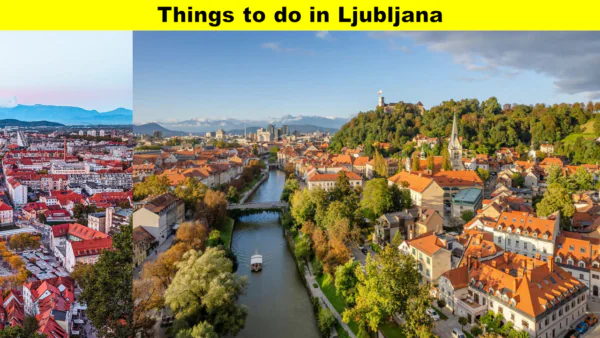
Things to do in Ljubljana based on NeemTime research from most popular to just popular.
Postojna Cave, Ljubljana
Overview: Postojna Cave is a world-famous karst cave system featuring dramatic stalactites, underground halls, and a unique electric train ride deep beneath Slovenia.
History: The cave has been explored and visited since the early 19th century and became one of Europe’s earliest show caves.
Since when: It has been open to organized visitors since 1819.
Review: Visitors consistently rate it highly for its scale, guided experience, and awe-inspiring natural formations.
When to go: The best time to visit is from April to October when tours are frequent and travel conditions are ideal.
How to go: It is easily reached by car or bus from Ljubljana, approximately a one-hour journey.
What to do: Take the guided train-and-walking tour, observe rare cave creatures like the olm, and visit the nearby exhibition areas.
Free or paid: Paid entry is required.
Ljubljana Castle, Ljubljana
Overview: Ljubljana Castle is a medieval fortress perched on a hilltop offering panoramic views of the city and cultural exhibitions.
History: The castle dates back to the 11th century and has served as a fortress, residence, prison, and cultural site.
Since when: It has been open to the public as a tourist attraction since the mid-20th century.
Review: Visitors praise the views, museums, and well-preserved historic structures.
When to go: Late spring to early autumn is ideal for clear views and outdoor exploration.
How to go: Reachable by funicular, on foot via forest paths, or by bicycle from the city center.
What to do: Explore the castle museum, climb the watchtower, attend cultural events, and enjoy the viewpoints.
Free or paid: Paid entry applies, with some areas accessible for free.
Bled Castle, Ljubljana
Overview: Bled Castle is Slovenia’s oldest castle, dramatically situated on a cliff overlooking Lake Bled.
History: First mentioned in 1011, the castle has evolved over centuries into a symbol of Slovenian heritage.
Since when: It has been open to visitors as a heritage site for several decades.
Review: Visitors love the breathtaking lake views, museum displays, and historic atmosphere.
When to go: Summer and early autumn are best for lake views and outdoor sightseeing.
How to go: Accessible by car or bus from Ljubljana in about one hour, followed by a short uphill walk.
What to do: Visit the museum, enjoy the viewpoints, see the chapel, and try traditional printing demonstrations.
Free or paid: Paid entry is required.
Predjama Castle, Ljubljana
Overview: Predjama Castle is a unique Renaissance fortress built into the mouth of a towering cave cliff.
History: Constructed in the 13th century, it is famous for its association with the knight Erazem of Predjama.
Since when: It has been open to the public as a historic attraction since the 20th century.
Review: Visitors find it fascinating due to its dramatic setting and blend of natural and man-made architecture.
When to go: Late spring to early autumn is ideal, especially when combined with a Postojna Cave visit.
How to go: Easily reachable by car or tour bus from Ljubljana or Postojna.
What to do: Explore the castle rooms, learn medieval history, and visit the cave passages beneath the fortress.
Free or paid: Paid entry is required.
Dragon Bridge, Ljubljana
Overview: Dragon Bridge is an iconic Art Nouveau bridge adorned with dragon statues, symbolizing the city of Ljubljana.
History: Built in 1901, it was one of the first reinforced concrete bridges in Europe.
Since when: The bridge has been in continuous public use since its completion in 1901.
Review: Visitors appreciate its distinctive design, photo opportunities, and central location.
When to go: Anytime of day, though early morning or evening offers the best lighting for photos.
How to go: Located in the city center and easily accessible on foot from most attractions.
What to do: Walk across the bridge, take photographs, and explore the nearby old town.
Free or paid: Free to visit.
Triglav National Park, Ljubljana
Overview: Triglav National Park is Slovenia’s only national park, renowned for its dramatic Alpine landscapes, pristine lakes, rivers, and Mount Triglav, the country’s highest peak.
History: The park was established to protect the Julian Alps’ natural and cultural heritage, rooted in early 20th-century conservation movements.
Since when: It has officially existed as a protected area since 1924, with its current form established in 1981.
Review: Visitors highly rate the park for its untouched nature, hiking trails, and breathtaking scenery.
When to go: Late spring to early autumn is ideal for hiking and sightseeing, while winter suits snow activities.
How to go: Accessible by car or bus from Ljubljana to nearby towns like Bled, Bohinj, or Kranjska Gora.
What to do: Hike, camp, photograph landscapes, visit Lake Bohinj, and explore Alpine valleys.
Free or paid: Entry to the park is free, though some attractions and parking areas are paid.
Tivoli Park, Ljubljana
Overview: Tivoli Park is Ljubljana’s largest and most beautiful green space, connecting the city center with nature through landscaped gardens and tree-lined paths.
History: The park was designed in the early 19th century, blending former gardens and promenades into a unified urban park.
Since when: It has existed as a public park since around 1813.
Review: Visitors love its peaceful atmosphere, art exhibitions, and proximity to the city center.
When to go: Spring and summer are best for outdoor walks and events, though it’s pleasant year-round.
How to go: Easily reachable on foot from the city center or by local buses.
What to do: Walk, jog, visit Tivoli Castle, attend outdoor exhibitions, or relax on the lawns.
Free or paid: Free to enter.
Škocjan Caves, Ljubljana
Overview: Škocjan Caves are a UNESCO World Heritage Site featuring vast underground chambers, dramatic gorges, and one of the world’s largest subterranean canyons.
History: The caves have been known since antiquity and scientifically explored from the 19th century onward.
Since when: Open to visitors in an organized manner since the late 1800s.
Review: Visitors consistently praise the caves for their awe-inspiring scale and guided tour quality.
When to go: Spring to autumn is ideal, with stable weather and full tour availability.
How to go: Reachable by car or train from Ljubljana to Divača, followed by a short local transfer.
What to do: Join guided cave tours, walk scenic trails, and visit the visitor center.
Free or paid: Paid entry is required.
Ljubljana Zoo, Ljubljana
Overview: Ljubljana Zoo is a family-friendly attraction set within a forested hillside, featuring animals from Europe and around the world.
History: The zoo was created to promote wildlife education, conservation, and recreation.
Since when: It has been open to the public since 1951.
Review: Visitors enjoy the natural setting, well-kept enclosures, and educational programs.
When to go: Spring and summer are best when animals are most active.
How to go: Accessible by bus, car, or a pleasant walk from Tivoli Park.
What to do: Observe animals, attend feeding sessions, and enjoy family-friendly activities.
Free or paid: Paid entry is required.
Prešernov trg, Ljubljana
Overview: Prešernov Square is the vibrant central square of Ljubljana, serving as a cultural, social, and meeting point for locals and tourists.
History: Named after Slovenia’s national poet France Prešeren, the square developed alongside the city’s historic core.
Since when: It has functioned as a key public square since the 17th century.
Review: Visitors appreciate its lively atmosphere, historic architecture, and proximity to major attractions.
When to go: Any time of year, especially evenings and weekends for city life and events.
How to go: Located in the city center and easily reachable on foot or by public transport.
What to do: Admire architecture, people-watch, visit nearby cafés, and explore old town streets.
Free or paid: Free to visit.
Shopping Center Citypark, Ljubljana
Overview: Shopping Center Citypark is the largest shopping mall in Slovenia, offering a wide range of international brands, dining options, and entertainment facilities under one modern roof.
History: The mall was developed as part of Ljubljana’s commercial expansion to provide a contemporary retail hub for both locals and visitors.
Since When: Citypark has been operating since 2002, gradually expanding and modernizing its retail and leisure offerings.
Review: Visitors generally praise Citypark for its spacious layout, variety of stores, and convenient amenities suitable for families and tourists alike.
When to Go: The best time to visit is on weekday mornings or early afternoons to avoid weekend crowds.
How to Go: Citypark is easily accessible by city buses, taxi, or car via the eastern ring road, with ample parking available.
What to Do: Shoppers can browse fashion and electronics, enjoy cafés and restaurants, watch movies, or attend seasonal events and sales.
Free or Paid: Entry to the mall is free, while shopping, dining, and entertainment activities are paid.
Congress Square (Kongresni trg), Ljubljana
Overview: Congress Square is a historic and elegant public square in central Ljubljana, surrounded by significant cultural buildings and green spaces.
History: The square was laid out in 1821 to host the Congress of Laibach, an important diplomatic meeting of European powers.
Since When: It has existed in its original form since the early 19th century, with renovations enhancing its modern usability.
Review: Tourists appreciate the square’s open atmosphere, architectural beauty, and its role as a cultural and social gathering place.
When to Go: Late spring to early autumn is ideal, especially during events, festivals, or pleasant evening walks.
How to Go: Congress Square is centrally located and easily reachable on foot from Old Town or by city bus.
What to Do: Visitors can relax on the lawns, admire nearby landmarks, attend public events, or use it as a starting point for city exploration.
Free or Paid: Access to the square is completely free.
Ljubljana Old Town, Ljubljana
Overview: Ljubljana Old Town is a charming historic district filled with medieval streets, colorful buildings, cafés, and cultural landmarks along the Ljubljanica River.
History: The area developed in the Middle Ages beneath Ljubljana Castle and has preserved its historic character over centuries.
Since When: Old Town has been continuously inhabited since medieval times, evolving into the cultural heart of the city.
Review: Visitors consistently rate it highly for its romantic atmosphere, walkability, and vibrant street life.
When to Go: The best time to visit is from late spring to early autumn, particularly in the evenings when the area comes alive.
How to Go: It is best reached on foot from central Ljubljana or by public transport to nearby stops.
What to Do: Travelers can explore historic streets, dine by the river, shop for souvenirs, and visit museums and galleries.
Free or Paid: Entry is free, while dining, shopping, and attractions are paid.
AKC Metelkova mesto, Ljubljana
Overview: AKC Metelkova mesto is an alternative cultural center known for its street art, music venues, and unconventional creative spaces.
History: The complex was originally military barracks that were occupied by artists and activists in the 1990s and transformed into a cultural hub.
Since When: Metelkova has functioned as an autonomous cultural zone since 1993.
Review: Visitors describe it as vibrant, edgy, and unique, especially appealing to those interested in alternative art and nightlife.
When to Go: Evenings and nights are best, particularly on weekends when events and concerts take place.
How to Go: Metelkova is within walking distance from the city center or accessible by bus and taxi.
What to Do: Guests can enjoy live music, explore graffiti art, attend exhibitions, and experience Ljubljana’s alternative scene.
Free or Paid: Entry to the area is generally free, though concerts and events may require paid tickets.
ALEJA, Ljubljana
Overview: ALEJA is a modern lifestyle shopping center combining retail, dining, entertainment, and outdoor rooftop activities.
History: It was developed to introduce a new-generation shopping and leisure concept to Ljubljana’s urban landscape.
Since When: ALEJA officially opened in 2020, making it one of the newest malls in the city.
Review: Visitors appreciate its contemporary design, family-friendly atmosphere, and innovative rooftop spaces.
When to Go: Weekday afternoons or evenings are ideal for a relaxed visit, while weekends are livelier.
How to Go: ALEJA is accessible by city bus, car, or taxi, with convenient parking facilities available.
What to Do: Visitors can shop, dine, enjoy entertainment zones, and relax or play sports on the rooftop area.
Free or Paid: Entry is free, while shopping, dining, and activities are paid.