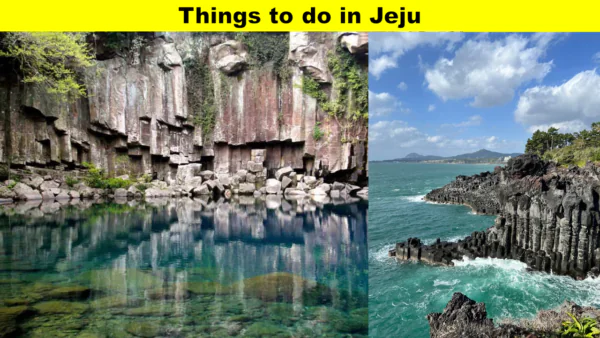
Things to do in Jeju based on NeemTime research from most popular to just popular.
Dongmun Traditional Market, Jeju
Overview: Dongmun Traditional Market is a bustling marketplace in Jeju City offering local produce, seafood, street food, and traditional crafts.
History: Established to serve the local community and visitors with fresh goods and cultural products.
Since When: Operating since 1945.
Review: Visitors enjoy the lively atmosphere, variety of foods, and authentic local shopping experience.
When to Go: Mornings are ideal for fresh produce, while evenings are vibrant for street food.
How to Go: Accessible by bus, taxi, or walking from Jeju City center.
What to Do: Shop for local products, sample street food, and explore traditional Korean market culture.
Free or Paid: Free entry; purchases are paid.
Seogwipo Maeil Olle Market, Jeju
Overview: Seogwipo Maeil Olle Market is a daily market in Seogwipo featuring fresh seafood, local produce, handmade goods, and traditional snacks.
History: Developed as a central hub for local trade and commerce in Seogwipo.
Since When: Established in the early 20th century.
Review: Visitors appreciate the authentic local flavor, variety of goods, and cultural experience.
When to Go: Mornings are best for fresh seafood and produce; evenings for street food exploration.
How to Go: Accessible by bus, taxi, or walking from Seogwipo city center.
What to Do: Shop, taste local delicacies, and experience traditional market culture.
Free or Paid: Free entry; purchases are paid.
Osulloc Tea Museum, Jeju
Overview: Osulloc Tea Museum showcases the history and culture of Korean tea, offering interactive exhibits and tea-tasting experiences.
History: Established by the Osulloc Foundation to promote green tea culture and local tea heritage.
Since When: Opened in 2001.
Review: Visitors enjoy the beautifully landscaped tea fields, interactive exhibits, and tea sampling.
When to Go: Year-round; spring and autumn offer scenic tea fields.
How to Go: Accessible by car or tour bus from Jeju City.
What to Do: Explore exhibits, taste various teas, and stroll through the surrounding tea gardens.
Free or Paid: Free for museum entry; tea tastings and purchases are paid.
Yongduam Rock, Jeju
Overview: Yongduam Rock, also known as Dragon Head Rock, is a natural volcanic rock formation shaped like a dragon’s head, located on Jeju’s northern coast.
History: Formed through volcanic activity and erosion over centuries, becoming a local symbol and tourist attraction.
Since When: Recognized as a landmark for decades.
Review: Visitors enjoy its striking appearance, coastal views, and easy access for photography.
When to Go: Best visited during sunrise or sunset for dramatic lighting and fewer crowds.
How to Go: Accessible by car or taxi from Jeju City; short walk from parking area.
What to Do: Take photographs, enjoy ocean views, and walk along the coastline.
Free or Paid: Free.
Seopjikoji, Jeju
Overview: Seopjikoji is a scenic coastal promontory on Jeju’s eastern tip, famous for its cliffs, lighthouse, and ocean views.
History: Known historically for its fertile lands and lighthouse guiding ships along Jeju’s coast.
Since When: A recognized tourist site since the late 20th century.
Review: Visitors praise its stunning landscapes, walking trails, and photography opportunities.
When to Go: Spring and autumn for pleasant weather and fewer crowds.
How to Go: Accessible by car or guided tour from Seogwipo or Jeju City.
What to Do: Walk along the cliffs, visit the lighthouse, and photograph the panoramic ocean views.
Free or Paid: Free.
Camellia Hill Botanical Garden, Jeju
Overview: Camellia Hill Botanical Garden is a scenic garden on Jeju Island renowned for its vast collection of camellias, seasonal flowers, and landscaped walking paths.
History: Established to preserve camellia species and provide a recreational space for locals and tourists.
Since When: Opened in 2011.
Review: Visitors enjoy the colorful blooms, tranquil atmosphere, and well-maintained walking trails.
When to Go: Best visited from winter to early spring when camellias are in full bloom.
How to Go: Accessible by car or taxi from Seogwipo or Jeju City.
What to Do: Walk the gardens, photograph flowers, and enjoy the peaceful scenery.
Free or Paid: Paid.
Soesokkak, Jeju
Overview: Soesokkak is a picturesque river estuary on Jeju’s east coast known for its clear water, stone bridges, and natural scenery.
History: Developed as a cultural and recreational spot showcasing traditional stone structures and local folklore.
Since When: Popular with visitors since the late 20th century.
Review: Visitors appreciate the serene environment, beautiful landscapes, and photo opportunities.
When to Go: Spring and autumn are ideal for mild weather and fewer crowds.
How to Go: Accessible by car or taxi from Seogwipo.
What to Do: Walk along the river, take photos, and enjoy the natural surroundings.
Free or Paid: Free.
Aqua Planet Jeju, Jeju
Overview: Aqua Planet Jeju is one of Asia’s largest aquariums featuring marine life from around the world, including sharks, rays, and tropical fish.
History: Established to educate visitors about marine ecosystems and promote conservation awareness.
Since When: Opened in 2012.
Review: Visitors enjoy interactive exhibits, large aquatic displays, and family-friendly experiences.
When to Go: Weekdays are less crowded; summer and holidays are peak times.
How to Go: Accessible by car, bus, or tour from Jeju City or Seogwipo.
What to Do: Explore marine exhibits, attend feeding sessions, and learn about ocean conservation.
Free or Paid: Paid.
Seogwipo Jeongbang Waterfall, Jeju
Overview: Jeongbang Waterfall is a famous waterfall in Seogwipo that cascades directly into the ocean, creating a spectacular natural scene.
History: Historically regarded as a sacred site with ties to local legends and cultural practices.
Since When: A well-known tourist attraction since the early 20th century.
Review: Visitors love the dramatic scenery, easy access, and photographic opportunities.
When to Go: Early morning or late afternoon to avoid crowds and capture the best lighting.
How to Go: Accessible by car, taxi, or walking from Seogwipo city center.
What to Do: View and photograph the waterfall, walk nearby trails, and enjoy the ocean scenery.
Free or Paid: Paid.
Manjanggul Lava Tube, Jeju
Overview: Manjanggul Lava Tube is a UNESCO World Heritage site featuring one of the world’s longest lava tunnels with remarkable rock formations.
History: Formed by volcanic activity thousands of years ago, it is preserved as a natural geological landmark.
Since When: Recognized as a protected site and tourist attraction since the 1970s.
Review: Visitors are fascinated by the lava formations, stalactites, and underground adventure experience.
When to Go: Spring to autumn for comfortable walking conditions and good weather.
How to Go: Accessible by car, taxi, or guided tour from Jeju City.
What to Do: Walk through the lava tube, observe volcanic formations, and take photographs.
Free or Paid: Paid.
Hamdeok Beach, Jeju
Overview: Hamdeok Beach is a popular coastal destination on Jeju Island known for its turquoise waters, shallow shores, and scenic views of Biyangdo Island.
History: Developed as a recreational beach area to attract both locals and tourists.
Since When: Popular with visitors since the 1980s.
Review: Visitors praise its calm waters, family-friendly environment, and picturesque sunsets.
When to Go: Spring and summer are ideal for swimming and sunbathing.
How to Go: Accessible by car, bus, or taxi from Jeju City.
What to Do: Swim, sunbathe, walk along the shoreline, and enjoy water sports.
Free or Paid: Free.
주상절리대 (Jusangjeolli Cliffs), Jeju
Overview: Jusangjeolli Cliffs are striking hexagonal volcanic rock formations along Jeju’s southern coast formed by cooling lava.
History: Created naturally during volcanic activity and preserved as a scenic and geological attraction.
Since When: Recognized as a landmark and tourist site since the 20th century.
Review: Visitors admire the dramatic cliffs, ocean waves, and natural symmetry of the rock columns.
When to Go: Morning or afternoon for optimal lighting and photography.
How to Go: Accessible by car, bus, or tour from Seogwipo.
What to Do: Walk along viewing platforms, take photographs, and enjoy the coastal scenery.
Free or Paid: Free.
에코랜드 (Eco Land Theme Park), Jeju
Overview: Eco Land Theme Park is a family-friendly attraction offering scenic train rides through Jeju’s forests, gardens, and natural landscapes.
History: Created to showcase Jeju’s natural beauty in a fun and accessible way for visitors.
Since When: Opened in 2010.
Review: Visitors enjoy the scenic train journey, themed stations, and relaxing environment.
When to Go: Spring and autumn for pleasant weather and vibrant foliage.
How to Go: Accessible by car, taxi, or organized tours from Jeju City or Seogwipo.
What to Do: Ride the train, explore themed stations, and walk through forested trails.
Free or Paid: Paid.
Cheonjiyeon Waterfalls, Jeju
Overview: Cheonjiyeon Waterfall is a majestic waterfall in Seogwipo surrounded by lush subtropical vegetation and walking trails.
History: Considered a sacred site historically, it has become a major tourist attraction for its scenic beauty.
Since When: Developed as a tourist spot in the late 20th century.
Review: Visitors appreciate the peaceful surroundings, accessible trails, and picturesque waterfall views.
When to Go: Early morning or late afternoon for fewer crowds and better lighting.
How to Go: Accessible by car, taxi, or public transport from Seogwipo.
What to Do: Walk the trails, photograph the waterfall, and observe local flora and fauna.
Free or Paid: Paid.
Hyeopjae Beach, Jeju
Overview: Hyeopjae Beach is a white sandy beach with clear blue waters, offering views of Biyangdo Island and nearby lava rock formations.
History: Developed as a recreational beach popular for swimming and snorkeling.
Since When: Recognized as a tourist destination since the 1980s.
Review: Visitors enjoy its pristine sands, calm waters, and beautiful sunset views.
When to Go: Summer is ideal for swimming, while spring and autumn are good for sightseeing.
How to Go: Accessible by car or bus from Jeju City.
What to Do: Swim, snorkel, relax on the sand, and take photographs of the scenery.
Free or Paid: Free.
제주민속오일시장 (Jeju Folk Five-Day Market), Jeju
Overview: Jeju Folk Five-Day Market is a vibrant traditional market offering local produce, seafood, handicrafts, and street food reflecting Jeju’s culture.
History: Established to serve as a central hub for trade among local farmers and artisans.
Since When: Operating since the early 20th century.
Review: Visitors enjoy the lively atmosphere, diverse products, and authentic cultural experience.
When to Go: Market days, which occur every five days, are ideal for fresh products and cultural immersion.
How to Go: Accessible by car, taxi, or local bus from Jeju City.
What to Do: Shop for local goods, sample street food, and explore traditional market culture.
Free or Paid: Free entry; purchases are paid.
Bunker des Lumières, Jeju
Overview: Bunker des Lumières is an immersive digital art exhibition housed in a converted military bunker, featuring projection-based visual and audio experiences.
History: Adapted from a historical bunker to showcase modern digital art installations.
Since When: Opened in 2022.
Review: Visitors praise its innovative use of space, captivating visuals, and unique art experience.
When to Go: Weekdays or early mornings to avoid crowds and enjoy the exhibits fully.
How to Go: Accessible by car or taxi from Jeju City.
What to Do: Walk through the immersive art installations, take photographs, and enjoy the multimedia experience.
Free or Paid: Paid.
제주절물자연휴양림 (Jeju Jeolmul Natural Recreation Forest), Jeju
Overview: Jeolmul Natural Recreation Forest is a tranquil forest reserve featuring walking trails, native flora, and scenic viewpoints.
History: Developed to preserve Jeju’s native forest ecosystem and provide a recreational area.
Since When: Established in 1983.
Review: Visitors appreciate the peaceful atmosphere, hiking trails, and natural beauty.
When to Go: Spring and autumn for comfortable weather and vibrant foliage.
How to Go: Accessible by car or taxi from Jeju City.
What to Do: Hike the trails, observe native plants, and enjoy the natural scenery.
Free or Paid: Paid for parking; entry is generally free.
Arte Museum Island Jeju, Jeju
Overview: Arte Museum Island Jeju is a contemporary art museum showcasing immersive and interactive digital art exhibitions.
History: Created to combine technology and art for an engaging visitor experience.
Since When: Opened in 2020.
Review: Visitors enjoy the visually stunning exhibits, interactivity, and modern artistic approach.
When to Go: Weekdays for smaller crowds and better viewing experiences.
How to Go: Accessible by car or taxi from Jeju City or Seogwipo.
What to Do: Explore immersive art installations, take photos, and engage with interactive exhibits.
Free or Paid: Paid.
Hallim Park, Jeju
Overview: Hallim Park is a large botanical and cultural park featuring themed gardens, lava caves, and traditional Jeju landscapes.
History: Developed to showcase Jeju’s natural beauty and cultural heritage.
Since When: Opened in 1971.
Review: Visitors enjoy the diversity of gardens, well-maintained pathways, and family-friendly attractions.
When to Go: Spring and autumn are ideal for flowers and comfortable weather.
How to Go: Accessible by car, bus, or taxi from Jeju City.
What to Do: Explore gardens, visit lava caves, and take scenic walks.
Free or Paid: Paid.
Cheonjeyeon Waterfalls, Jeju
Overview: Cheonjeyeon Waterfalls is a stunning three-tier waterfall on Jeju Island surrounded by lush subtropical vegetation and scenic walking trails.
History: The waterfalls have been a cultural and natural landmark for locals, featuring in legends and traditional ceremonies.
Since When: Recognized as a tourist site since the late 20th century.
Review: Visitors appreciate the serene environment, scenic beauty, and easy walking paths around the falls.
When to Go: Spring and autumn for comfortable weather and fewer crowds.
How to Go: Accessible by car, taxi, or local bus from Seogwipo.
What to Do: Walk along trails, photograph the waterfalls, and explore nearby gardens and ponds.
Free or Paid: Paid.
Hueree Nature Life Park, Jeju
Overview: Hueree Nature Life Park is an interactive eco-park featuring a variety of animals, plant displays, and hands-on educational activities for all ages.
History: Established to promote environmental education and sustainable tourism on Jeju Island.
Since When: Opened in 2011.
Review: Visitors enjoy the animal encounters, educational programs, and family-friendly atmosphere.
When to Go: Weekdays or mornings for fewer crowds and better interaction with exhibits.
How to Go: Accessible by car or taxi from Jeju City.
What to Do: Interact with animals, explore plant displays, and participate in educational programs.
Free or Paid: Paid.
Halla Arboretum, Jeju Island, S.Korea
Overview: Halla Arboretum is a botanical garden showcasing Jeju’s native plants, themed gardens, and walking trails for educational and recreational purposes.
History: Developed to conserve local flora and provide an outdoor learning environment for visitors.
Since When: Opened in 2005.
Review: Visitors enjoy the well-maintained gardens, peaceful walking paths, and plant diversity.
When to Go: Spring and autumn for the most vibrant plant displays.
How to Go: Accessible by car or taxi from Jeju City.
What to Do: Walk the trails, study plant species, and enjoy the natural surroundings.
Free or Paid: Paid.
Jeju Aerospace Museum, Jeju
Overview: Jeju Aerospace Museum is an interactive museum featuring aviation history, aircraft displays, and space-related exhibits.
History: Established to educate visitors about aerospace technology and inspire interest in aviation and space.
Since When: Opened in 2014.
Review: Visitors enjoy the hands-on exhibits, large aircraft displays, and educational programs.
When to Go: Weekdays for fewer crowds and better access to interactive displays.
How to Go: Accessible by car, taxi, or local bus from Jeju City.
What to Do: Explore aircraft exhibits, participate in simulations, and learn about aviation and space science.
Free or Paid: Paid.
Woljeongri Beach, Jeju
Overview: Woljeongri Beach is a scenic white sand beach on Jeju’s east coast, renowned for its clear turquoise waters and iconic black lava rock formations.
History: Developed as a recreational beach popular with both tourists and locals.
Since When: Gained popularity as a tourist destination in the 1990s.
Review: Visitors praise the calm waters, beautiful sunsets, and photogenic scenery.
When to Go: Summer for swimming and spring or autumn for sightseeing and photography.
How to Go: Accessible by car or taxi from Jeju City.
What to Do: Swim, sunbathe, take photographs, and enjoy seaside cafes.
Free or Paid: Free.
Yongmeori Coast, Jeju
Overview: Yongmeori Coast is a dramatic coastal cliff area on Jeju Island known for its striking rock formations, ocean views, and tidal platforms.
History: Formed through volcanic activity and erosion, it has long been a scenic natural attraction.
Since When: Recognized as a tourist destination since the mid-20th century.
Review: Visitors admire the unique landscapes, rugged cliffs, and picturesque scenery, though caution is advised near the tides.
When to Go: Low tide is best for walking on tidal platforms and exploring rock formations.
How to Go: Accessible by car or taxi from Seogwipo.
What to Do: Walk along coastal trails, explore tidal pools, and photograph the dramatic cliffs.
Free or Paid: Free.
Jeju Folk Village (제주민속촌), Jeju
Overview: Jeju Folk Village is an open-air museum that showcases traditional Jeju homes, customs, and cultural practices.
History: Created to preserve and display Jeju’s historical architecture and cultural heritage.
Since When: Opened in 1974.
Review: Visitors enjoy the authentic traditional houses, cultural demonstrations, and immersive experience.
When to Go: Spring and autumn for comfortable weather and fewer crowds.
How to Go: Accessible by car, taxi, or local tour buses from Seogwipo or Jeju City.
What to Do: Explore traditional homes, watch cultural performances, and learn about Jeju heritage.
Free or Paid: Paid.
Jeju Rail Bike, Jeju
Overview: Jeju Rail Bike is a scenic recreational ride along old railway tracks, offering views of Jeju’s countryside and coastal landscapes.
History: Developed as a tourist attraction to provide a unique outdoor experience combining exercise and sightseeing.
Since When: Opened in 2015.
Review: Visitors enjoy the leisurely ride, picturesque views, and family-friendly activity.
When to Go: Spring and autumn for comfortable weather and clear views.
How to Go: Accessible by car or taxi from Jeju City or Seogwipo.
What to Do: Pedal along rail tracks, enjoy scenic views, and take photos.
Free or Paid: Paid.
Bijarim Forest, Jeju
Overview: Bijarim Forest is a serene natural reserve on Jeju Island famous for its dense forest of ancient nutmeg trees.
History: Preserved for its ecological significance and cultural value as a forest of medicinal trees.
Since When: Established as a protected area in the 1960s.
Review: Visitors appreciate the peaceful environment, towering trees, and well-maintained walking trails.
When to Go: Spring, summer, and autumn for comfortable walking and vibrant foliage.
How to Go: Accessible by car or taxi from Jeju City or Seogwipo.
What to Do: Walk forest trails, observe flora and fauna, and enjoy nature photography.
Free or Paid: Free.
Alive Museum Jeju, Jeju
Overview: Alive Museum Jeju is an interactive 3D art museum where visitors can pose with optical illusions and engage with creative exhibits.
History: Created to provide a fun, family-friendly, and interactive art experience on Jeju Island.
Since When: Opened in 2015.
Review: Visitors enjoy the playful exhibits, interactive displays, and creative photo opportunities.
When to Go: Weekdays for fewer crowds and better photo opportunities.
How to Go: Accessible by car, taxi, or local bus from Jeju City.
What to Do: Explore 3D art installations, take creative photos, and interact with optical illusion exhibits.
Free or Paid: Paid.