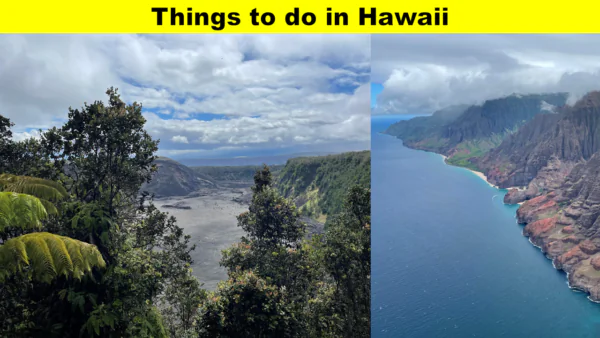
Things to do in Hawaii based on NeemTime research from most popular to just popular.
Dole Plantation, Hawaii
Overview: Dole Plantation is a popular agritourism site in Oahu offering pineapple fields, gardens, and family-friendly activities.
History: Founded in 1950 by the Dole Food Company to promote pineapple farming and tourism.
Since When: Open to visitors since the 1950s.
Review: Visitors enjoy the Pineapple Garden Maze, train tour, and fresh Dole Whip treats.
When to Go: Weekdays and mornings for smaller crowds and cooler temperatures.
How to Go: Accessible by car or tour shuttle from Honolulu and nearby towns.
What to Do: Explore gardens, ride the train, shop for souvenirs, and taste local pineapple treats.
Free or Paid: Paid (for tours and activities; garden access may have a small fee).
USS Arizona Memorial, Hawaii
Overview: USS Arizona Memorial honors the sailors and Marines who perished during the attack on Pearl Harbor in 1941.
History: Built to commemorate the attack and educate visitors about WWII history.
Since When: Opened in 1962.
Review: Visitors find it a moving and solemn tribute with educational exhibits.
When to Go: Early morning or late afternoon to avoid peak crowds.
How to Go: Access via shuttle boat from the Pearl Harbor Visitor Center in Honolulu.
What to Do: View the sunken battleship, attend the documentary film, and pay respects.
Free or Paid: Free entry; reservation recommended, donation suggested.
Pearl Harbor National Memorial, Hawaii
Overview: Pearl Harbor National Memorial preserves and interprets historic sites from the December 7, 1941 attack.
History: Established to educate the public and honor those affected by the attack.
Since When: Designated in 1962.
Review: Visitors praise the educational exhibits, memorials, and immersive historical experience.
When to Go: Early morning for less crowded visits and guided tours.
How to Go: Accessible by car, taxi, or tour from Honolulu; includes shuttle service to USS Arizona.
What to Do: Visit museums, memorials, and the USS Arizona Memorial, and take guided tours.
Free or Paid: Mostly free; some guided tours may require payment.
Diamond Head State Monument, Hawaii
Overview: Diamond Head is a volcanic crater and iconic hiking destination offering panoramic views of Honolulu and Waikiki.
History: Formed approximately 300,000 years ago by volcanic activity and later used as a military lookout.
Since When: Open to the public as a state park since 1968.
Review: Visitors praise the challenging hike and spectacular views at the summit.
When to Go: Early morning or late afternoon to avoid heat and crowds.
How to Go: Accessible by car, bus, or tour from Waikiki; parking available onsite.
What to Do: Hike to the summit, take photos, and enjoy scenic overlooks.
Free or Paid: Paid (entrance fee per vehicle or person).
Polynesian Cultural Center, Hawaii
Overview: Polynesian Cultural Center is a living museum and theme park showcasing the culture, traditions, and performances of Polynesian islands.
History: Established to preserve and promote Polynesian culture while providing employment and educational opportunities.
Since When: Opened in 1963.
Review: Visitors love the immersive villages, traditional shows, and evening luau experiences.
When to Go: During the day for cultural activities or evening for the luau and show.
How to Go: Accessible by car, tour bus, or shuttle from Honolulu and surrounding areas.
What to Do: Explore villages, watch performances, participate in cultural activities, and attend the evening luau.
Free or Paid: Paid (entrance, activities, and luau packages).
Kauai Backcountry Adventures, Hawaii
Overview: Kauai Backcountry Adventures offers off-road tours and immersive experiences showcasing Kauai’s lush landscapes, waterfalls, and hidden valleys.
History: Founded to provide eco-friendly adventure tours highlighting Kauai’s natural beauty.
Since When: Operating since the early 2000s.
Review: Visitors highly praise the knowledgeable guides, scenic views, and thrilling off-road experiences.
When to Go: Morning tours are best for cooler weather and clearer views.
How to Go: Accessible by car or tour shuttle from Lihue and nearby hotels.
What to Do: Participate in 4×4 tours, waterfall hikes, zip-lining, and photography opportunities.
Free or Paid: Paid (tour packages vary by activity).
Kualoa Ranch, Hawaii
Overview: Kualoa Ranch is a private nature reserve offering adventure tours, cultural experiences, and movie site visits on Oahu’s scenic east coast.
History: The ranch has been a working cattle and horse ranch since the mid-1800s and has hosted numerous film productions.
Since When: Tours and visitor experiences have been available since the 1970s.
Review: Visitors enjoy the combination of history, breathtaking landscapes, and outdoor activities.
When to Go: Morning or early afternoon for the best light and cooler temperatures.
How to Go: Accessible by car or tour bus from Honolulu; parking available onsite.
What to Do: Take ATV tours, horseback rides, movie site tours, and cultural presentations.
Free or Paid: Paid (various tour packages available).
Waikiki Beach, Hawaii
Overview: Waikiki Beach is one of the most famous beaches in the world, known for its golden sand, surf culture, and vibrant atmosphere in Honolulu.
History: Once a playground for Hawaiian royalty, it evolved into a global tourist destination in the early 20th century.
Since When: Popularized as a tourist destination since the 1920s.
Review: Visitors love the iconic views, surfing opportunities, and lively beachfront activities.
When to Go: Early morning or late afternoon to avoid peak crowds and enjoy softer light.
How to Go: Easily accessible by car, public bus, or walking from hotels in Waikiki.
What to Do: Surfing, swimming, sunbathing, beach walks, and exploring nearby shops and restaurants.
Free or Paid: Free (beach access; rentals and activities may have fees).
Hanauma Bay Nature Preserve, Hawaii
Overview: Hanauma Bay is a protected marine embayment renowned for snorkeling among vibrant coral reefs and tropical fish.
History: Formed from a volcanic crater, it became a marine preserve to protect its rich biodiversity.
Since When: Designated as a nature preserve in 1967.
Review: Visitors praise the clear waters, abundant marine life, and educational programs.
When to Go: Early morning before 9 AM to avoid crowds and for optimal snorkeling conditions.
How to Go: Accessible by car or bus from Honolulu; limited parking and shuttle options available.
What to Do: Snorkeling, marine observation, guided educational tours, and photography.
Free or Paid: Paid (entrance fee and snorkeling equipment rental).
Hawaii Volcanoes National Park, Hawaii
Overview: Hawaii Volcanoes National Park preserves two active volcanoes, Mauna Loa and Kīlauea, offering hiking, volcanic landscapes, and cultural insights.
History: Established to protect volcanic ecosystems and educate the public on Hawaii’s geological activity.
Since When: Opened in 1916.
Review: Visitors are awed by volcanic craters, lava flows, and scenic vistas, making it a must-see attraction.
When to Go: Year-round, with morning visits preferred for cooler weather and clearer views.
How to Go: Accessible by car from Hilo or Kona; visitor centers provide maps and guidance.
What to Do: Hike trails, visit volcano observatories, explore lava tubes, and attend ranger programs.
Free or Paid: Paid (vehicle entrance fee; some programs may require additional payment).
Kailua Beach Park, Hawaii
Overview: Kailua Beach Park is a stunning white-sand beach on Oahu known for calm turquoise waters, water sports, and family-friendly activities.
History: Historically a gathering spot for native Hawaiians, it has become a popular destination for both locals and tourists.
Since When: Open to the public since the mid-20th century.
Review: Visitors praise the soft sand, safe swimming conditions, and picturesque scenery.
When to Go: Early morning or late afternoon to avoid crowds and enjoy cooler temperatures.
How to Go: Accessible by car or bus from Honolulu; parking is available nearby.
What to Do: Swimming, kayaking, windsurfing, sunbathing, picnicking, and beach walks.
Free or Paid: Free (parking fees may apply).
Haleakalā National Park, Hawaii
Overview: Haleakalā National Park preserves the volcanic summit and surrounding ecosystems of Maui, offering breathtaking sunrise views and hiking trails.
History: Established to protect the unique volcanic landscapes, endemic species, and cultural heritage of the area.
Since When: Established in 1961.
Review: Visitors rave about sunrise experiences, scenic hiking trails, and the park’s otherworldly landscapes.
When to Go: Sunrise for iconic views, though other times are ideal for hiking with fewer crowds.
How to Go: Accessible by car from Kahului or Kihei with visitor center guidance; shuttle options are limited.
What to Do: Hiking, photography, wildlife observation, stargazing, and guided tours.
Free or Paid: Paid (entrance fee per vehicle).
Maui Ocean Center, The Aquarium of Hawaii, Hawaii
Overview: Maui Ocean Center is a premier aquarium showcasing Hawaii’s marine life, coral reefs, and interactive exhibits.
History: Opened to educate the public on the importance of marine conservation and Hawaiian aquatic ecosystems.
Since When: Opened in 1998.
Review: Visitors enjoy the immersive exhibits, touch pools, and informative displays about marine conservation.
When to Go: Weekdays or early mornings to avoid peak crowds.
How to Go: Accessible by car from Kahului or Kihei; parking is available onsite.
What to Do: Explore aquariums, touch pools, shark exhibits, and educational presentations.
Free or Paid: Paid (ticketed entry).
Hana Highway – Road to Hana, Hawaii
Overview: Hana Highway is a scenic coastal route on Maui famous for waterfalls, lush rainforests, and panoramic ocean views.
History: Built in the early 20th century to connect Kahului with the remote town of Hana, now a tourist attraction.
Since When: Completed in the 1920s.
Review: Travelers praise the breathtaking scenery, winding roads, and hidden natural attractions.
When to Go: Early morning departures are recommended to allow full day exploration.
How to Go: Accessible by car from Kahului or Paia; guided tours are available.
What to Do: Scenic drives, waterfall hikes, swimming in natural pools, and visiting roadside attractions.
Free or Paid: Free (self-drive; guided tours are paid).
Honolulu Zoo, Hawaii
Overview: Honolulu Zoo is a family-friendly zoo in Waikiki featuring tropical and exotic animals in lush, naturalistic habitats.
History: Established to provide education, conservation, and recreational opportunities in the heart of Honolulu.
Since When: Opened in 1916.
Review: Visitors enjoy its well-maintained exhibits, educational programs, and convenient location.
When to Go: Weekdays or mornings for smaller crowds and cooler temperatures.
How to Go: Accessible by car, bus, or walking from Waikiki hotels; parking is available onsite.
What to Do: Observe animals, attend keeper talks, enjoy picnic areas, and participate in educational programs.
Free or Paid: Paid (admission fee required).
The Escape Game Honolulu, Hawaii
Overview: The Escape Game Honolulu offers immersive escape room experiences with themed puzzles and interactive challenges for groups.
History: Founded to bring interactive entertainment and team-building experiences to Hawaii visitors.
Since When: Opened in 2017.
Review: Guests praise the challenging puzzles, creative themes, and engaging staff.
When to Go: Weekdays or early evenings for fewer crowds and easier booking.
How to Go: Located in downtown Honolulu; accessible by car, taxi, or public transportation.
What to Do: Solve themed puzzles, work in teams, and complete timed escape challenges.
Free or Paid: Paid (ticketed experience).
Koloa Zipline, Hawaii
Overview: Koloa Zipline offers thrilling aerial adventures over Kauai’s lush valleys, waterfalls, and tropical landscapes.
History: Established to provide adventure tourism and highlight the natural beauty of Kauai.
Since When: Operating since 2005.
Review: Visitors rave about the scenic views, adrenaline-pumping rides, and professional guides.
When to Go: Mornings are ideal to enjoy cooler temperatures and clear skies.
How to Go: Accessible by car from Poipu or Lihue; shuttle services may be arranged.
What to Do: Zipline across treetops, enjoy aerial photography, and experience guided nature tours.
Free or Paid: Paid (ticketed adventure).
Kaanapali Beach, Hawaii
Overview: Kaanapali Beach is a world-famous Maui beach known for golden sands, clear waters, and snorkeling opportunities.
History: Once a retreat for Hawaiian royalty, it has become a premier tourist destination.
Since When: Open to the public since the mid-20th century.
Review: Visitors praise its pristine sand, calm waters, and vibrant beachfront activities.
When to Go: Early morning for peaceful walks or late afternoon for sunset views.
How to Go: Accessible by car from Lahaina or nearby resorts; public parking is available.
What to Do: Swimming, snorkeling, paddleboarding, sunbathing, and beachfront dining.
Free or Paid: Free (parking fees may apply).
The Ritz-Carlton Oahu, Turtle Bay, Hawaii
Overview: The Ritz-Carlton Oahu is a luxury resort offering oceanfront accommodations, fine dining, and curated experiences on the North Shore.
History: Developed as part of the North Shore tourism expansion to provide upscale accommodations.
Since When: Opened in 2015.
Review: Guests praise its luxury amenities, scenic location, and excellent service.
When to Go: Year-round, though winter months offer great surfing views.
How to Go: Accessible by car from Honolulu (approx. 1-hour drive) with onsite parking.
What to Do: Relax at the beach, enjoy resort activities, spa treatments, and fine dining.
Free or Paid: Paid (resort stay and activity fees).
Waimea Canyon State Park, Hawaii
Overview: Waimea Canyon State Park, called the “Grand Canyon of the Pacific,” features dramatic red cliffs, panoramic views, and hiking trails.
History: Formed through volcanic activity and erosion, it became a protected state park to preserve its natural beauty.
Since When: Designated as a state park in 1959.
Review: Visitors are awestruck by its vibrant colors, expansive vistas, and scenic hiking options.
When to Go: Early morning or late afternoon for optimal lighting and fewer crowds.
How to Go: Accessible by car from Waimea town or Koke’e State Park; parking is available.
What to Do: Hiking, photography, sightseeing, picnicking, and guided tours.
Free or Paid: Free (parking and access to trails are free).
Iolani Palace, Hawaii
Overview: Iolani Palace in Honolulu is the only royal palace in the United States and serves as a historic symbol of Hawaii’s monarchy.
History: Built by King Kalākaua to serve as the official residence of the Hawaiian monarchy and showcase Hawaiian culture.
Since When: Completed in 1882.
Review: Visitors admire its ornate interiors, historical significance, and guided tour experiences.
When to Go: Mornings or early afternoons to avoid crowds and enjoy guided tours.
How to Go: Located in downtown Honolulu; accessible by car, taxi, or public transportation.
What to Do: Take guided tours, explore exhibits on Hawaiian royalty, and photograph the palace architecture.
Free or Paid: Paid (admission required for tours).
Battleship Missouri Memorial, Hawaii
Overview: The Battleship Missouri Memorial in Pearl Harbor allows visitors to explore the historic WWII battleship where Japan surrendered.
History: Famous as the site of Japan’s formal surrender on September 2, 1945, ending World War II.
Since When: Opened to the public as a museum in 1999.
Review: Visitors praise the informative exhibits, guided tours, and opportunity to walk the deck of a historic battleship.
When to Go: Early mornings to avoid crowds and enjoy cooler weather.
How to Go: Located at Pearl Harbor; accessible by car, taxi, or guided tour buses.
What to Do: Explore the ship, visit exhibits, learn WWII history, and take photos of Pearl Harbor.
Free or Paid: Paid (admission fee required).
Akaka Falls State Park, Hawaii
Overview: Akaka Falls State Park on the Big Island is home to a stunning 442-foot waterfall surrounded by lush tropical rainforest.
History: Established as a state park to preserve the natural beauty of the waterfall and surrounding rainforest.
Since When: Opened to the public in 1972.
Review: Visitors are captivated by the scenic walking trail, panoramic views, and natural beauty.
When to Go: Early morning for cooler temperatures and fewer visitors.
How to Go: Accessible by car from Hilo; parking is available at the park entrance.
What to Do: Walk the paved trail, photograph the waterfalls, and enjoy the tropical surroundings.
Free or Paid: Paid (small parking or entry fee may apply).
Haleakala Crater, Hawaii
Overview: Haleakala Crater on Maui is a massive volcanic crater offering breathtaking sunrise views and unique landscapes.
History: Formed by volcanic activity millions of years ago and now protected as part of Haleakala National Park.
Since When: Became a national park in 1961.
Review: Visitors rave about sunrise tours, hiking trails, and the otherworldly scenery.
When to Go: Early morning for sunrise; afternoons for hiking with fewer crowds.
How to Go: Accessible by car from Kahului; park entrance fees apply and parking is available.
What to Do: Hike trails, watch the sunrise or sunset, stargaze, and photograph the crater.
Free or Paid: Paid (park entrance fee required).
Diamond Head Crater Trailhead, Hawaii
Overview: Diamond Head Crater Trailhead in Honolulu is the starting point for a popular hike to the summit of the iconic volcanic crater with panoramic city and ocean views.
History: Formed over 300,000 years ago from volcanic activity and historically used as a military lookout.
Since When: Open to public hiking since the early 20th century.
Review: Hikers praise the rewarding views, manageable trail, and historical significance.
When to Go: Early morning to avoid heat and crowds.
How to Go: Accessible by car or public transportation from Waikiki; parking and trailhead signage available.
What to Do: Hike to the summit, enjoy scenic views, take photos, and learn about the crater’s history.
Free or Paid: Paid (small entrance fee per vehicle or hiker).
Koko Head District Park, Hawaii
Overview: Koko Head District Park on Oahu is a large recreational area featuring hiking trails, sports facilities, and scenic ocean views.
History: Developed to provide public recreational space and preserve the natural terrain of the Koko Head area.
Since When: Opened in the mid-20th century.
Review: Visitors enjoy hiking, picnicking, and panoramic views, though the trails can be challenging.
When to Go: Early mornings or late afternoons to avoid heat and crowds.
How to Go: Accessible by car from Honolulu; parking available onsite.
What to Do: Hike trails like the famous Koko Crater Railway Trail, play sports, and enjoy picnics.
Free or Paid: Free for park access, though some activities may have fees.
Kipu Ranch Adventures, Hawaii
Overview: Kipu Ranch Adventures on Kauai offers guided ATV, horseback, and zipline tours through scenic ranch landscapes.
History: Established as a way to provide adventure tourism while showcasing the island’s ranching heritage.
Since When: Operating since the early 2000s.
Review: Visitors praise the thrilling rides, knowledgeable guides, and lush scenery.
When to Go: Morning or early afternoon for cooler weather and best lighting for photos.
How to Go: Accessible by car from Lihue; guided tour pickup may also be available.
What to Do: Take ATV tours, horseback rides, ziplining, and enjoy photography of Kauai landscapes.
Free or Paid: Paid (tour fees apply).
Halona Blowhole Lookout, Hawaii
Overview: Halona Blowhole Lookout on Oahu features a natural ocean geyser that shoots seawater through a lava tube during high surf.
History: Formed over centuries as waves eroded lava formations along the coastline.
Since When: Naturally existing; popularized as a lookout in the mid-20th century.
Review: Visitors enjoy quick scenic stops, spectacular photo opportunities, and occasional humpback whale sightings.
When to Go: During high tide or rough surf for the most impressive blowhole activity.
How to Go: Accessible by car via the southeastern Oahu coastline; parking available nearby.
What to Do: Watch the blowhole in action, take photos, and enjoy ocean views.
Free or Paid: Free.
Waimea Valley, Hawaii
Overview: Waimea Valley on Oahu is a botanical garden and cultural site featuring waterfalls, hiking trails, and historic Hawaiian sites.
History: Once a significant Hawaiian cultural and ceremonial site, now preserved for education and recreation.
Since When: Open to the public as a park and garden since the 1960s.
Review: Visitors love the waterfall hike, native plants, and cultural presentations.
When to Go: Mornings to avoid crowds and enjoy cooler temperatures.
How to Go: Accessible by car or guided tours from Waikiki; parking available onsite.
What to Do: Hike trails, visit the waterfall, explore botanical gardens, and attend cultural demonstrations.
Free or Paid: Paid (admission fee required).
X-Treme Parasail, Hawaii
Overview: X-Treme Parasail on Oahu provides parasailing experiences offering aerial views of the coastline and ocean.
History: Established to offer adventurous water sports and panoramic sightseeing from the air.
Since When: Operating since the early 2000s.
Review: Visitors rave about the thrilling experience, safety measures, and spectacular views.
When to Go: Mornings for calm winds and clear skies.
How to Go: Accessible by car or taxi to the designated launch site, typically near Waikiki beaches.
What to Do: Parasail solo or tandem, enjoy ocean and coastline views, and take photos during flight.
Free or Paid: Paid (activity fee required).