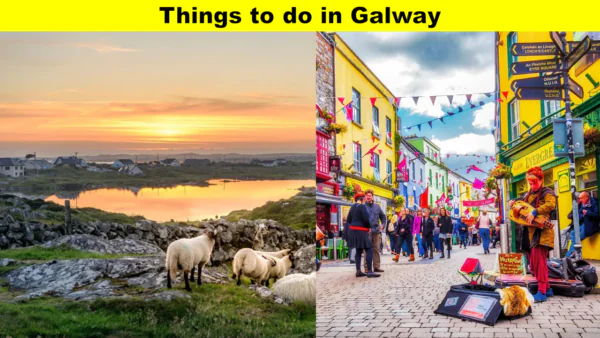
Things to do in Galway

by NeemTime.com Editors
0 comments 21 minutes read
Things to do in Galway


Things to do in Galway based on NeemTime research from most popular to just popular.

Kylemore Abbey & Victorian Walled Garden, Galway

Overview: Kylemore Abbey & Victorian Walled Garden is a breathtaking neo-Gothic castle set beside a lake in Connemara, famous for its romantic scenery, historic abbey, and beautifully restored gardens.

History: The abbey was built in the late 19th century by Mitchell Henry as a private home and later became a Benedictine monastery after being acquired by nuns fleeing World War I.

Since When: Kylemore Abbey has been open to the public as a heritage and visitor attraction since the mid-20th century.

Review: Visitors consistently praise the abbey for its stunning landscapes, peaceful atmosphere, and well-curated exhibitions that combine history, architecture, and nature.

When to Go: The best time to visit is from spring to early autumn when the gardens are in full bloom and the weather allows clear views of the surrounding mountains.

How to Go: Kylemore Abbey is accessible by car or bus from Galway city via the N59, with regular guided tours and parking facilities available.

What to Do: Visitors can tour the abbey rooms, explore the Victorian Walled Garden, walk scenic trails, attend exhibitions, and enjoy refreshments at the café.

Free or Paid: Entry to Kylemore Abbey & Victorian Walled Garden is paid, with ticket options for adults, students, and families.


Eyre Square, Galway

Overview: Eyre Square is a lively central public park in the heart of Galway city, serving as a major meeting point surrounded by shops, cafes, and historic landmarks.

History: The square dates back to the early 18th century and has been redeveloped several times, reflecting Galway’s urban growth and cultural identity.

Since When: Eyre Square has functioned as a public space since 1710.

Review: Locals and tourists enjoy the square for its convenient location, relaxed vibe, and role as a gateway to Galway’s shopping streets and nightlife.

When to Go: Eyre Square can be visited year-round, though daytime visits are ideal for relaxing while evenings offer a vibrant city atmosphere.

How to Go: The square is easily reachable on foot from anywhere in Galway city and is adjacent to Galway’s main bus and train stations.

What to Do: Visitors can relax on benches, people-watch, attend occasional events, or use it as a starting point to explore nearby streets.

Free or Paid: Eyre Square is completely free to visit.

Eyre Square Centre, Galway

Overview: Eyre Square Centre is a modern shopping mall located beside Eyre Square, offering a mix of retail stores, dining options, and services.

History: The shopping centre was developed as part of Galway’s urban modernization to enhance retail and commercial activity in the city center.


Since When: Eyre Square Centre has been operating since the late 20th century.

Review: Shoppers appreciate the centre for its convenience, variety of stores, and easy access from public transport hubs.

When to Go: The best time to visit is during regular shopping hours, especially weekdays to avoid crowds.

How to Go: The centre is located next to Eyre Square and can be easily reached on foot or by bus or train.

What to Do: Visitors can shop for clothing and gifts, dine at cafes, and take a break while exploring central Galway.

Free or Paid: Entry to Eyre Square Centre is free, though shopping and dining are paid.

Spanish Arch, Galway

Overview: The Spanish Arch is a historic stone archway along the River Corrib, marking part of Galway’s medieval city walls and offering scenic river views.

History: Built in the late 16th century, the arch was used to protect merchant ships and goods arriving at Galway’s port.

Since When: The Spanish Arch has stood as a landmark since around 1584.

Review: Visitors enjoy the arch for its historical significance, photogenic setting, and proximity to museums and riverside walks.

When to Go: The best time to visit is during daylight hours, especially in summer evenings for pleasant walks and photos.


How to Go: The Spanish Arch is a short walk from Eyre Square and is easily accessible from Galway city center.

What to Do: Visitors can take photos, learn about Galway’s maritime history, stroll along the river, and relax nearby.

Free or Paid: Visiting the Spanish Arch is free of charge.

Connemara National Park, Galway

Overview: Connemara National Park is a vast natural reserve known for its rugged mountains, scenic trails, boglands, and diverse wildlife.

History: The park was established to protect the natural landscape and heritage of the Connemara region in western Ireland.

Since When: Connemara National Park has been officially open to the public since 1980.

Review: Visitors highly rate the park for its dramatic scenery, well-marked hiking trails, and tranquil natural environment.

When to Go: The best time to visit is from late spring to early autumn when weather conditions are favorable for hiking.

How to Go: The park is accessible by car or bus from Galway city, with visitor facilities located near Letterfrack village.

What to Do: Visitors can hike Diamond Hill, explore walking trails, observe wildlife, and learn about local ecology at the visitor center.

Free or Paid: Entry to Connemara National Park is free, though parking and guided activities may have fees.


Galway Cathedral, Galway

Overview: Galway Cathedral is a striking modern religious landmark on the River Corrib, known for its grand dome, stone interiors, and blend of Renaissance, Romanesque, and Irish architectural styles.

History: The cathedral was built to replace an older parish church and reflects post-war Ireland’s ambition to create a monumental spiritual and cultural center in Galway.

Since When: Galway Cathedral was officially opened for worship in 1965 after several years of construction.

Review: Visitors generally praise its peaceful atmosphere, impressive artwork, stained glass, and riverside setting, making it a must-see even for non-religious travelers.

When to Go: The best time to visit is during daylight hours, especially late morning or early afternoon when natural light illuminates the interior.

How to Go: The cathedral is easily reachable on foot from Galway city center or by local bus and taxi services.

What to Do: Visitors can admire the architecture, attend Mass, view religious art, or quietly reflect inside the spacious nave.

Free or Paid: Entry to Galway Cathedral is free, though donations are welcome.

Dunguaire Castle, Galway

Overview: Dunguaire Castle is a picturesque 16th-century tower house located on the shores of Galway Bay, famous for its fairytale setting and cultural heritage.

History: Built by the O’Hynes clan, the castle later became associated with Irish literary revival figures who hosted poetic gatherings there.


Since When: The castle dates back to around 1520 and has been a prominent landmark for centuries.

Review: Visitors often enjoy the scenic views, guided tours, and evening banquets, though some note that access is limited without tours.

When to Go: Late spring to early autumn is ideal, especially during evenings when cultural events and banquets are held.

How to Go: Dunguaire Castle is best reached by car from Galway city, with bus tours also available.

What to Do: Tour the castle, attend medieval banquets, photograph the bay views, and learn about Irish history and poetry.

Free or Paid: Visiting the castle grounds may be free, but interior tours and events require a paid ticket.

Galway Atlantaquaria, Galway

Overview: Galway Atlantaquaria is Ireland’s largest native species aquarium, showcasing marine life from the Atlantic Ocean and Irish waters.

History: Established to promote marine education and conservation, the aquarium focuses on local ecosystems rather than tropical species.

Since When: Galway Atlantaquaria has been operating since 2000.

Review: Families and marine-life enthusiasts appreciate its interactive exhibits, though some find it smaller than major international aquariums.

When to Go: Visiting on weekday mornings or during off-peak tourist seasons offers a quieter experience.

How to Go: It is accessible by foot from Salthill Promenade or via local buses from Galway city center.


What to Do: Explore marine exhibits, attend feeding sessions, and participate in educational talks and touch pools.

Free or Paid: Entry to Galway Atlantaquaria requires a paid admission ticket.

Aillwee Burren Experience, Galway

Overview: The Aillwee Burren Experience is a unique attraction combining a limestone cave tour, bird of prey center, and nature walks in the Burren region.

History: The caves were discovered in the mid-20th century and later developed into an educational and tourism experience.

Since When: The attraction has been open to the public since the 1970s.

Review: Visitors enjoy the guided cave tours and flying bird demonstrations, though weather can affect outdoor activities.

When to Go: Late spring through summer is best for full access to outdoor features and wildlife shows.

How to Go: The site is best reached by car from Galway, with some guided tours available from the city.

What to Do: Explore underground caves, watch birds of prey demonstrations, hike nature trails, and visit the visitor center.

Free or Paid: Access to the Aillwee Burren Experience is paid.

Connemara National Park & Visitor Centre, Galway

Overview: Connemara National Park is a vast protected area of mountains, bogs, and grasslands offering some of western Ireland’s most dramatic landscapes.

History: The park was established to preserve the natural and cultural heritage of Connemara, including traditional farming lands.


Since When: Connemara National Park officially opened in 1980.

Review: Visitors consistently rate it highly for hiking trails, scenic views, and its peaceful, unspoiled environment.

When to Go: The best time to visit is from May to September when weather conditions are milder and trails are more accessible.

How to Go: The park is accessible by car from Galway, with limited bus services and guided tours available.

What to Do: Hike Diamond Hill, explore boglands, visit the exhibition center, and enjoy wildlife spotting and photography.

Free or Paid: Entry to Connemara National Park and its visitor center is free.

Walled Victorian Garden, Galway

Overview: The Walled Victorian Garden at Kylemore Abbey is a beautifully restored 19th-century garden showcasing ornamental flower beds, kitchen gardens, and glasshouses within stone walls overlooking scenic Connemara.

History: Originally created in the 1860s as part of the Kylemore estate, the garden supplied flowers, fruits, and vegetables to the abbey and its residents.

Since When: The garden dates back to the mid-19th century and was extensively restored and reopened to the public in the early 2000s.

Review: Visitors often praise its tranquil atmosphere, meticulous restoration, and contrast between colorful flower sections and traditional Victorian layouts.

When to Go: The best time to visit is late spring to early autumn when flowers are in full bloom and weather conditions are pleasant.


How to Go: It is accessible via Kylemore Abbey, reachable by car or tour bus from Galway City along the N59.

What to Do: Explore themed garden sections, walk through historic glasshouses, and enjoy photography in a serene setting.

Free or Paid: Entry is paid and usually included with the Kylemore Abbey admission ticket.

Wild Atlantic Way, Galway

Overview: The Wild Atlantic Way is a spectacular coastal touring route that runs through Galway, offering dramatic cliffs, beaches, villages, and Atlantic Ocean views.

History: Officially launched in 2014, it was developed to promote Ireland’s western coastline and regional tourism.

Since When: The route has been actively promoted and signposted since its launch in 2014.

Review: Travelers consistently rate it highly for its raw natural beauty, scenic drives, and authentic Irish coastal culture.

When to Go: Late spring to early autumn is ideal for clearer weather and safer driving conditions.

How to Go: The route is best explored by car, campervan, or motorcycle starting from Galway City and heading west or north.

What to Do: Enjoy coastal drives, stop at viewpoints, hike cliffs, visit beaches, and explore seaside towns.

Free or Paid: The route itself is free, though some attractions along it may charge entry fees.


Galway Shopping Centre, Galway

Overview: Galway Shopping Centre is a convenient retail complex offering supermarkets, fashion stores, services, and dining options for locals and visitors.

History: Opened in the late 1980s, it was one of Galway’s first major suburban shopping centres.

Since When: The centre has been operating since approximately 1989.

Review: Shoppers appreciate its practicality, easy access, and relaxed environment compared to busier city-centre malls.

When to Go: Weekday mornings and early afternoons are best for a quieter shopping experience.

How to Go: It is easily reached by bus, car, or taxi from Galway City Centre, located near Terryland.

What to Do: Shop for groceries, browse retail outlets, grab a coffee, or access everyday services.

Free or Paid: Entry is free, with costs only for purchases made inside.

Galway City Museum, Galway

Overview: Galway City Museum showcases the city’s archaeology, history, and cultural heritage through engaging exhibitions near the Spanish Arch.

History: Established in 1976 and relocated to its modern riverside building in 2007, it reflects Galway’s evolving identity.

Since When: The current museum building has been open to the public since 2007.

Review: Visitors commend its informative displays, interactive exhibits, and excellent location by the River Corrib.

When to Go: It can be visited year-round, with weekdays generally less crowded than weekends.


How to Go: The museum is centrally located and easily accessible on foot from Eyre Square or by local bus.

What to Do: Explore permanent and temporary exhibitions, learn about medieval Galway, and enjoy riverfront views.

Free or Paid: Entry is free, though donations are welcome.

Quay Street, Galway

Overview: Quay Street is a lively pedestrian street in Galway’s Latin Quarter, famous for colorful shops, pubs, street performers, and historic charm.

History: Dating back to medieval times, it was originally a commercial street linking the port with the city centre.

Since When: The street has been a central part of Galway life for several centuries.

Review: Tourists love its vibrant atmosphere, traditional music, and mix of shopping, dining, and nightlife.

When to Go: Evenings and weekends are best to experience live music and the street’s energetic vibe.

How to Go: It is easily reached on foot from anywhere in Galway City Centre.

What to Do: Shop for souvenirs, enjoy Irish food, listen to street music, and explore nearby historic sites.

Free or Paid: Visiting the street is free, with costs depending on shopping, food, or entertainment choices.

Dog’s Bay, Galway

Overview: Dog’s Bay is a stunning crescent-shaped sandy beach on the coast of Connemara, known for its clear turquoise waters and scenic surroundings.


History: The beach has long been a local favorite, historically used for fishing and small-scale coastal activities by nearby communities.

Since When: It has been recognized as a tourist destination since the late 20th century, gaining popularity in the 1980s.

Review: Visitors praise Dog’s Bay for its pristine sands, calm waters, and excellent spot for swimming and photography.

When to Go: The best time to visit is during the summer months from June to September for sunny weather and calmer seas.

How to Go: Dog’s Bay is accessible by car via the N59 and R341 roads from Galway city, with limited public transport options.

What to Do: Visitors can swim, sunbathe, walk along the shoreline, take scenic photographs, and enjoy picnics.

Free or Paid: Free to access.


Blackrock Beach, Galway

Overview: Blackrock Beach is a scenic coastal area near Salthill, popular for walks, beach sports, and views of Galway Bay.

History: Historically a local recreation area, it has served as a community beach for generations.

Since When: Recognized as a leisure destination since the early 20th century.

Review: Visitors enjoy the peaceful atmosphere, sunsets, and accessibility from Galway city.

When to Go: Ideal to visit during late spring to early autumn for pleasant weather.


How to Go: Easily reachable by car, bus, or walking from Salthill and Galway city center.

What to Do: Walking, jogging, picnicking, and enjoying views of the Atlantic Ocean.

Free or Paid: Free to access.


Dún Aonghasa, Galway

Overview: Dún Aonghasa is a prehistoric hill fort on Inishmore island, famous for its cliffside location and archaeological significance.

History: Built by the ancient Celtic inhabitants, it served as a fortified settlement and ceremonial site.

Since When: The fort dates back to approximately 1100 BC, making it over 3,000 years old.

Review: Visitors rave about the dramatic cliff views, historical importance, and unique stone architecture.

When to Go: Best visited during the late spring and summer months to enjoy clear skies and easier ferry access.

How to Go: Accessible by ferry from Rossaveal to Inishmore followed by a walk or shuttle to the fort.

What to Do: Explore the fort, enjoy cliffside views, learn about Celtic history, and take photographs.

Free or Paid: Paid entry is required.


Salthill Promenade, Galway

Overview: Salthill Promenade is a popular seaside walkway stretching along Galway Bay, ideal for strolling, cycling, and enjoying ocean views.

History: The promenade was developed in the late 19th and early 20th centuries as a leisure area for locals and tourists.


Since When: Established as a formal promenade in the early 1900s.

Review: Visitors enjoy the vibrant atmosphere, scenic views, and opportunities for cafes, ice cream, and recreational activities.

When to Go: Anytime, though summer offers the best weather and lively environment.

How to Go: Easily reached from Galway city by car, bus, or walking along the bay.

What to Do: Walking, cycling, jogging, photography, and dining at nearby eateries.

Free or Paid: Free to access.


Aasleagh Falls, Galway

Overview: Aasleagh Falls is a picturesque waterfall on the River Erriff near Leenane, famous for its natural beauty and trout fishing.

History: Historically, the falls were used by locals for fishing and as a scenic stop along travel routes.

Since When: Recognized as a tourist attraction since the 19th century.

Review: Visitors love the serene setting, photographic opportunities, and trout fishing experience.

When to Go: Best during spring and summer when water levels are moderate and the weather is favorable.

How to Go: Accessible by car via the N59 road from Galway to Leenane, with parking nearby.

What to Do: Photography, fishing, nature walks, and picnicking.

Free or Paid: Free to access.

Trad on the Prom, Galway

Overview: Trad on the Prom is a lively music venue in Salthill, Galway, known for traditional Irish music performances in an intimate seaside setting.


History: The venue was established to promote Irish folk and traditional music to both locals and tourists.

Since When: Operating since the early 2000s, it has become a staple for authentic Irish music lovers.

Review: Visitors praise its friendly atmosphere, excellent live performances, and connection to Irish culture.

When to Go: Best visited in the evenings, particularly on weekends, when live music sessions are scheduled.

How to Go: Accessible by car or bus from Galway city center to Salthill along the coastal route.

What to Do: Enjoy live traditional music, dance, and experience local food and drinks.

Free or Paid: Paid entry, typically for music events.


Turoe Pet Farm, Galway

Overview: Turoe Pet Farm is a family-friendly attraction offering hands-on experiences with farm animals, including goats, pigs, and rabbits.

History: The farm was established to educate children and families about animal care and rural life in Ireland.

Since When: Opened in the early 2000s as a recreational and educational farm destination.

Review: Visitors love the interactive experiences, safe environment for kids, and friendly staff.

When to Go: Ideal during spring and summer when the weather is pleasant and animals are most active.

How to Go: Accessible by car from Galway city via the R338 and N84 roads.


What to Do: Feed animals, take guided tours, enjoy picnic areas, and participate in educational activities.

Free or Paid: Paid entry.


Garavan’s Bar, Galway

Overview: Garavan’s Bar is a historic pub in Galway city offering a traditional Irish bar experience with music, food, and drinks.

History: Established as a local gathering spot for residents and travelers to enjoy Irish hospitality.

Since When: Operating since the mid-20th century, it remains a cultural hub in the city.

Review: Visitors praise its warm atmosphere, live music sessions, and authentic Irish pub experience.

When to Go: Best visited in the evenings or weekends for live music and vibrant crowd energy.

How to Go: Located in Galway city center, easily accessible by foot, bus, or taxi.

What to Do: Enjoy drinks, live traditional music, socialize, and experience local culture.

Free or Paid: Free to enter, costs apply for food and drinks.


Coole Park, Galway

Overview: Coole Park is a scenic nature reserve and historical estate known for its woodlands, lake, and literary connections to W.B. Yeats.

History: Once the home of Lady Gregory, it became a gathering place for Irish literary figures in the early 20th century.

Since When: Open to the public as a heritage site since the late 20th century.


Review: Visitors love its serene landscapes, walking trails, and historical significance.

When to Go: Best during spring and summer for lush greenery and pleasant weather.

How to Go: Accessible by car from Galway city via the N18 and R458, with parking available on-site.

What to Do: Walk along trails, explore woodlands, visit the walled garden, and enjoy birdwatching.

Free or Paid: Free to access.


The Latin Quarter, Galway

Overview: The Latin Quarter is a vibrant area of Galway city filled with narrow streets, shops, restaurants, pubs, and cultural attractions.

History: Historically the center of medieval Galway, the area has long been a hub for commerce and social life.

Since When: Recognized as a cultural and entertainment district since the 18th century.

Review: Visitors praise its lively atmosphere, historic architecture, and variety of dining and shopping options.

When to Go: Best visited during the day and early evening to explore shops and enjoy the nightlife.

How to Go: Located in Galway city center, easily reachable by foot, bus, or taxi.

What to Do: Explore streets, shop, dine, enjoy live music, and photograph historic buildings.

Free or Paid: Free to access, costs apply for dining, shopping, and entertainment.

Great Escape Rooms Galway, Galway

Overview: Great Escape Rooms Galway is an interactive adventure venue where participants solve puzzles and complete challenges to escape themed rooms.


History: Founded to provide immersive entertainment and team-building experiences for locals and tourists.

Since When: Operating since the late 2010s, it has gained popularity for its engaging escape scenarios.

Review: Visitors enjoy the creativity of the puzzles, teamwork aspect, and high-quality themed settings.

When to Go: Best visited by booking in advance, particularly on weekends and evenings for peak availability.

How to Go: Easily accessible by car, taxi, or public transport from Galway city center.

What to Do: Solve puzzles, work as a team, and experience immersive escape scenarios.

Free or Paid: Paid entry.


Charlie Byrne’s Bookshop, Galway

Overview: Charlie Byrne’s Bookshop is a renowned independent bookstore in Galway offering a vast collection of new and second-hand books across genres.

History: Established as a family-run business dedicated to fostering literary culture and community engagement.

Since When: Opened in 1989, becoming a cultural landmark in Galway.

Review: Visitors appreciate its cozy atmosphere, diverse selection, and friendly staff.

When to Go: Best visited during weekdays or mornings to avoid weekend crowds.

How to Go: Located in Galway city center, accessible on foot, by bus, or taxi.

What to Do: Browse books, attend literary events, and explore rare or second-hand editions.

Free or Paid: Free to enter, costs apply for book purchases.


Aughnanure Castle, Galway

Overview: Aughnanure Castle is a 16th-century tower house located near Oughterard, showcasing medieval architecture and Galway’s history.

History: Built by the O’Flaherty clan, it served as a stronghold and residence during the late medieval period.

Since When: Preserved as a historical monument and tourist site since the 20th century.

Review: Visitors enjoy the well-maintained structure, informative displays, and scenic surroundings.

When to Go: Best visited during spring and summer for pleasant weather and scenic views.

How to Go: Accessible by car from Galway city via the N59, with parking on-site.

What to Do: Explore the tower house, learn about medieval history, and enjoy photography of the scenic countryside.

Free or Paid: Paid entry.


Aran Island Ferries, Galway

Overview: Aran Island Ferries operates transport services connecting Galway city to the Aran Islands, known for cultural heritage and natural landscapes.

History: Established to support tourism and local commuting between the mainland and the islands.

Since When: Operating since the mid-20th century with seasonal schedules.

Review: Visitors praise the scenic ferry ride, reliable service, and views of Galway Bay.

When to Go: Best during late spring to early autumn for calm seas and pleasant weather.

How to Go: Ferries depart from Rossaveal Harbour, accessible by car or bus from Galway city.


What to Do: Take ferry rides, explore Inis Mór, Inis Meáin, and Inis Oírr, and enjoy walking, cycling, and cultural sites on the islands.

Free or Paid: Paid service.


Brigit’s Garden & Café, Galway

Overview: Brigit’s Garden is a Celtic-themed heritage park with gardens, trails, and interactive exhibits celebrating Irish culture and mythology.

History: Founded to preserve and share Ireland’s natural and cultural heritage through themed gardens and educational programs.

Since When: Opened in the early 2000s and continues to attract families, tourists, and school groups.

Review: Visitors love its peaceful atmosphere, scenic gardens, educational signage, and family-friendly activities.

When to Go: Best visited from spring to autumn when flowers are in bloom and outdoor activities are fully accessible.

How to Go: Accessible by car from Galway city, with parking available on-site; shuttle services may be available seasonally.

What to Do: Explore gardens, learn about Celtic mythology, enjoy walking trails, and visit the café for refreshments.

Free or Paid: Paid entry.


Subscribe
Notify of
guest
0 Comments
Newest
Oldest Most Voted
Inline Feedbacks
View all comments

This website uses cookies to improve your experience. We'll assume you're ok with this, but you can opt-out if you wish. Accept Read More

Adblock Detected

Please support us by disabling your AdBlocker extension from your browsers for our website.